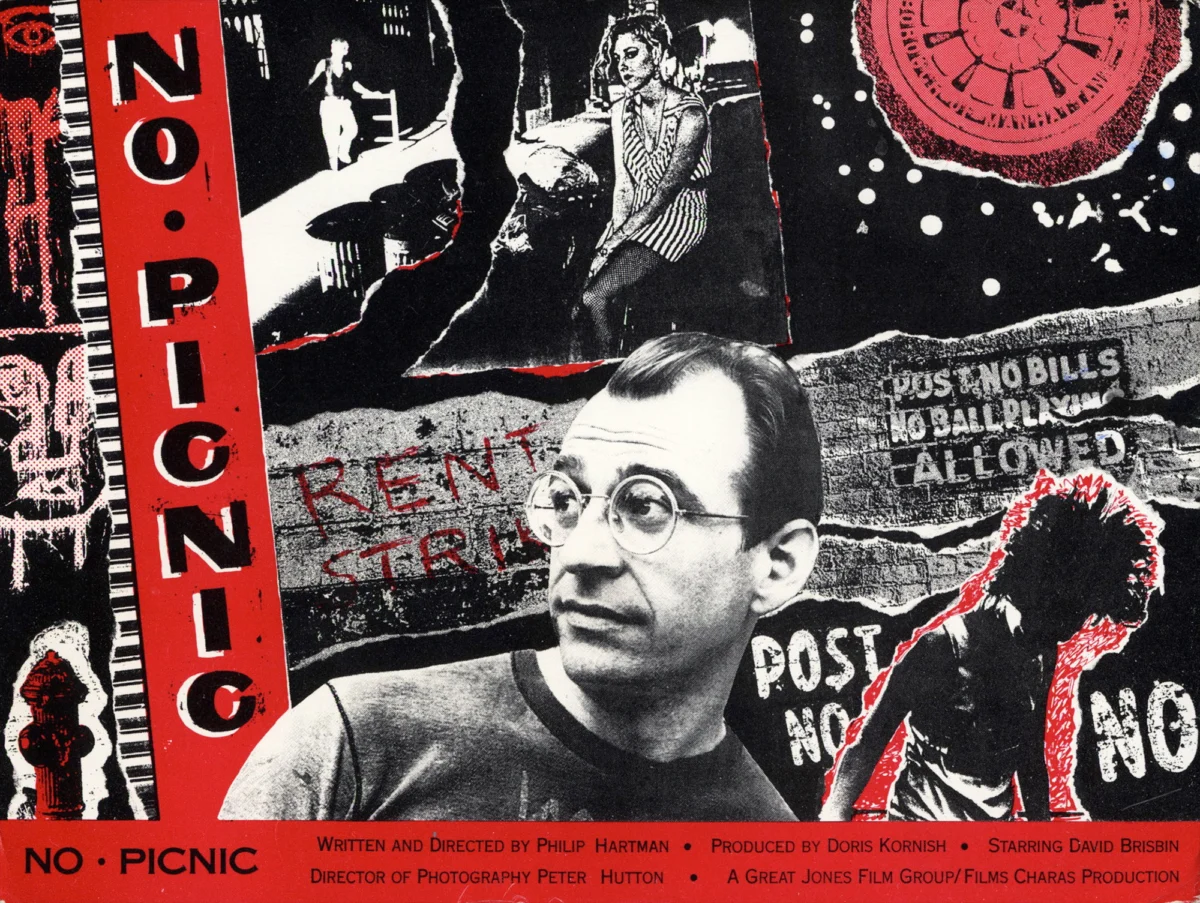
Film Forum, the renowned non-profit cinema in Manhattan, has officially scheduled the theatrical re-release of Philip Hartman’s seminal 1987 independent feature, No Picnic, following an extensive 4K digital restoration. Set to debut on April 17, 2026, the restoration aims to preserve a critical piece of American independent cinema that serves as both a narrative neo-noir and a historical document of a New York City neighborhood on the precipice of radical transformation. Originally premiering at the 1987 Sundance Film Festival—then known as the U.S. Film Festival—the film won the prestigious award for Best Cinematography, cementing its status as a visual masterpiece of the "No Wave" and "Cinema of Transgression" era.
Directed by Philip Hartman and featuring cinematography by the late avant-garde filmmaker Peter Hutton, No Picnic captures the East Village in 1985, a period defined by a volatile mix of artistic explosion, rampant drug use, and the early, aggressive stages of gentrification. The film follows Macabee Cohen, portrayed by David Brisbin, a musician whose career has stalled, leaving him to traverse the city in a dilapidated Volkswagen bus. Cohen makes a living by servicing jukeboxes in local dive bars, a profession that places him at the intersection of a dying subculture and an encroaching corporate reality. As real estate speculators move in and long-term tenants launch rent strikes, Cohen finds himself alienated from his own community, describing the sensation as being at a party to which he was no longer invited.
The Narrative and Artistic Significance of No Picnic
The plot of No Picnic is driven by Cohen’s obsession with a mysterious woman in a striped dress who appears briefly in his life. This pursuit transforms into a journey of self-discovery and a desperate attempt to find meaning in a landscape that is physically and culturally eroding. The film’s dialogue, including the poignant observation that residents are being pushed "from A to B to C to the East River," highlights the geographic displacement of the era’s working-class and artistic populations.

Stylistically, the film is a black-and-white "love letter" to the pre-gentrification Lower East Side. By utilizing high-contrast monochrome cinematography, Hartman and Hutton created a neo-noir atmosphere that emphasizes the grit and texture of 1980s Manhattan. The film’s cast is a veritable directory of the downtown art and music scenes of the time. In addition to David Brisbin, the film features early appearances by Steve Buscemi and Luis Guzmán, as well as cameos by punk icon Richard Hell and legendary record store owner "Bleecker Bob" Plotnik. These appearances provide the film with an authenticity that transcends standard fiction, effectively capturing the faces and voices of a specific cultural moment.
Technical Details of the 4K Restoration
The decision to undergo a 4K restoration of No Picnic reflects a broader industry trend toward the preservation of 16mm and 35mm independent films that were previously at risk of physical degradation. The restoration process involved scanning the original film elements to recover the fine grain and shadow detail that were often lost in earlier home video or 16mm projection versions.
Peter Hutton’s cinematography is a central focus of this restoration. Known for his silent, meditative landscape films, Hutton brought a unique eye to the urban environment of the East Village. His work on No Picnic treats the crumbling tenements and vacant lots of the 1980s with the same reverence as a natural landscape, creating a visual tension between the decay of the buildings and the vibrancy of the people inhabiting them. The 4K format allows contemporary audiences to experience the film’s visual depth as it was originally intended, highlighting the nuances of light and shadow that earned the film its Sundance honors nearly four decades ago.
Historical Chronology: From Sundance to 2026
The journey of No Picnic from a low-budget independent production to a restored classic spans nearly forty years:

- 1985–1986: Principal photography takes place on location in the East Village and Lower East Side, capturing authentic footage of local landmarks, many of which have since been demolished or repurposed.
- January 1987: The film premieres at the U.S. Film Festival (Sundance) in Park City, Utah. It receives critical acclaim for its visual style and wins the Best Cinematography award.
- July 1990: After a period on the festival circuit, the film receives a limited theatrical release in the United States, garnering a cult following among fans of New York indie cinema.
- 1997: Director Philip Hartman releases his second feature, Eerie, while No Picnic remains a staple of underground film discussions but becomes increasingly difficult to view in high quality.
- 2024–2025: Plans for a comprehensive 4K restoration are initiated to coincide with the film’s upcoming 40th anniversary, involving digital cleanup and color grading to preserve the original black-and-white aesthetic.
- April 17, 2026: The restored version is scheduled to open at Film Forum in New York City, followed by potential screenings at other repertory theaters nationwide.
Socio-Economic Context and Gentrification Themes
The re-release of No Picnic is particularly timely given the ongoing discourse surrounding urban development and housing affordability in New York City. The film’s depiction of real estate speculation serves as a precursor to the massive demographic shifts that would redefine Manhattan in the 21st century.
In the mid-1980s, the East Village was a site of intense conflict. The neighborhood was home to a diverse population of Eastern European immigrants, Puerto Rican families, and young artists attracted by low rents. However, the period was also marked by the "Manhattanization" of the area, as developers sought to transform "Alphabet City" (Avenues A, B, C, and D) into a high-rent district. The film’s inclusion of rent strikes and the encroaching "art invasion" of local bars reflects actual historical events, such as the 1988 Tompkins Square Park Riot, which occurred just a year after the film’s premiere and was largely sparked by tensions over gentrification and homelessness.
By revisiting No Picnic in 2026, viewers are invited to compare the "seedy" but vibrant neighborhood of Hartman’s vision with the contemporary East Village, which is now characterized by luxury condominiums and high-end retail. The film acts as a visual record of a "lost city," documenting streets and storefronts that have been erased by four decades of economic development.
Profiles of Key Contributors
The enduring legacy of No Picnic is attributed to the collective efforts of a highly talented creative team, many of whom went on to have significant careers in the arts:

- Philip Hartman (Writer/Director): A fixture of the New York independent scene, Hartman’s work is characterized by a deep connection to the city’s subcultures. No Picnic remains his most influential work, praised for its deadpan humor and melancholic tone.
- Peter Hutton (Cinematographer): Before his passing in 2016, Hutton was regarded as one of the most important figures in avant-garde cinema. His contribution to No Picnic brought a formal rigor and artistic sensibility that elevated the film beyond typical indie fare.
- David Brisbin (Lead Actor): Brisbin’s performance as Macabee Cohen is often cited for its "deadpan melancholy." He successfully embodied the disillusionment of an artist who feels out of sync with his era.
- Steve Buscemi and Luis Guzmán (Supporting Cast): While both actors appear in relatively small roles, their presence in No Picnic highlights the film’s role as a breeding ground for talent that would later dominate mainstream and independent American cinema in the 1990s and 2000s.
Broader Implications for Film Preservation
The 4K restoration of No Picnic underscores the vital role of institutions like Film Forum in maintaining the cultural heritage of New York City. In an era where digital streaming platforms often prioritize new content, the theatrical re-release of restored independent films ensures that the history of cinema—and the history of the cities that inspired it—remains accessible to the public.
Furthermore, the restoration of No Picnic serves as a reminder of the importance of the 1980s "No Wave" movement. This period of filmmaking was characterized by a raw, DIY aesthetic and a refusal to adhere to Hollywood conventions. By providing a high-definition window into this world, the restoration allows a new generation of filmmakers and historians to study the techniques and themes that defined a pivotal moment in American counterculture.
The film’s return to the big screen on April 17, 2026, is expected to attract both veterans of the 1980s downtown scene and younger audiences interested in the history of the East Village. As Macabee Cohen wanders the derelict streets in his VW bus, his search for a mysterious woman becomes a proxy for the audience’s own search for a New York that, while no longer physically present, remains immortalized on celluloid.