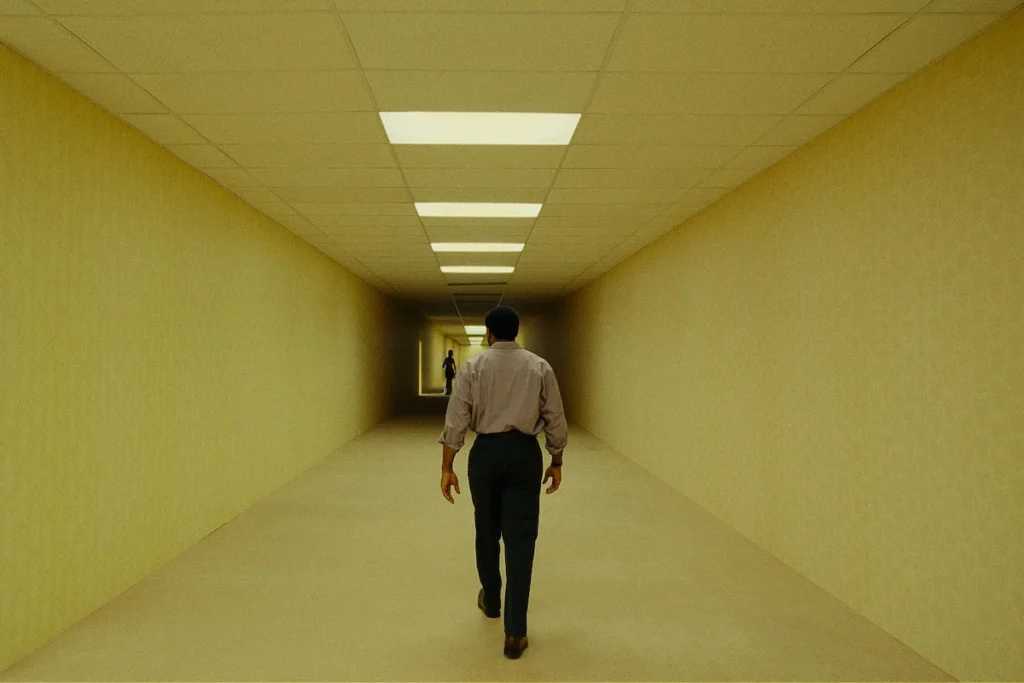
Sony Pictures has provided an electrifying first glimpse into director Zach Cregger’s highly anticipated new take on the Resident Evil franchise, showcasing visceral footage at CinemaCon that has ignited anticipation among fans and industry observers alike. The presentation offered a stark departure from previous iterations, hinting at a film that prioritizes relentless tension and a gritty, grounded approach to the familiar zombie apocalypse. While details remain under wraps, the early reactions and official synopsis suggest a narrative that, while diverging from the game’s established lore, aims to capture the core terror and survival horror that defined the series’ origins.
The buzz surrounding Cregger’s involvement has been palpable since its announcement. Known for his critically acclaimed work on Weapons and the breakout horror hit Barbarian, Cregger brings a reputation for crafting deeply unsettling and innovative horror experiences. This has naturally led to both excitement and a degree of skepticism from the dedicated Resident Evil fanbase, who have endured a complex history of film adaptations. The primary concern has been Cregger’s reported decision to forge a new narrative path, deviating from the established video game canon. However, early whispers from test screenings have been overwhelmingly positive, painting a picture of a film described as an "all gas, no brakes" thrill ride, drawing comparisons to the relentless intensity of Mad Max: Fury Road. These early impressions suggest a focus on building and sustaining palpable tension, a hallmark of effective horror storytelling.
CinemaCon Presentation: A Deep Dive into the Terror
The CinemaCon presentation, a pivotal event for studios to showcase upcoming projects to exhibitors, distributors, and press, served as the official debut of the first trailer for Cregger’s Resident Evil. Descriptions from attendees paint a vivid picture of the cinematic experience. DiscussingFilm, a prominent voice in film news, reported that the trailer opens by depicting a protagonist, identified as Bryan and played by Austin Abrams, trapped within an abandoned city teeming with the undead. One particularly chilling sequence described involved zombies hurling themselves from rooftops, a graphic and unsettling visual that underscores the pervasive danger.
Further details emerged from TheInSnieder, a well-known industry insider, who highlighted a scene where Bryan enters an abandoned home in search of a functional phone. The dead line serves as a chilling realization of his dire predicament, signaling that "shit is fucked up" and that a desperate fight for survival is imminent. The trailer reportedly uses sound design to amplify this sense of dread, with the jarring, off-hook dial tone adding an auditory layer to the unfolding chaos. The teaser concluded with the ominous tagline, "This fall comes a new era of evil," signaling a fresh beginning for the franchise.
Brandon Davis, another attendee, provided a more comprehensive recap, elaborating on the trailer’s narrative arc and visual style. He detailed a scene where Bryan is desperately trying to connect with his girlfriend, his apologies for a previous disconnection underscored by the urgency of his current situation. His plea, "I’m in like a seriously fucked up situation right now," coupled with the fear that they might not speak again, establishes a personal stake amidst the unfolding apocalypse. The trailer then transitions into a rapid-fire montage of scares, featuring glimpses of monstrous creatures and unsettling imagery. A particularly striking visual described was a "big blob of a pale monster" revealed in fleeting light, and dismembered limbs emerging from a doorframe. The climax of the trailer, according to Davis, culminates in Bryan’s frantic escape through the city streets, with the horrifying spectacle of bodies leaping from a building, erupting like "bloody bombs" upon impact with nearby vehicles. Davis concluded his assessment with high praise, deeming the footage "freaky," "good," and "in line with Cregger’s great previous work," reinforcing the positive early reception.

Official Synopsis: A Courier’s Nightmarish Ordeal
Sony Pictures has also released an official synopsis for the film, offering a more structured overview of the plot and its thematic intentions. The synopsis reiterates the involvement of Zach Cregger as the visionary behind this "thrilling—and terrifying—reinvention of the Resident Evil franchise." It confirms that the story centers on Bryan, portrayed by Austin Abrams, a medical courier whose routine delivery takes a catastrophic turn. The synopsis states: "In an all-new story, Resident Evil follows Bryan (Austin Abrams), a medical courier who unwittingly finds himself in an action-packed, non-stop race for survival, as one fateful, horrifying night collapses into chaos around him." This description emphasizes the element of being caught unprepared and the ensuing struggle against overwhelming odds, aligning with the survival horror roots of the franchise.
Background and Context: The Enduring Legacy of Resident Evil
The Resident Evil video game series, first launched by Capcom in 1996, revolutionized the survival horror genre. Its blend of tense atmosphere, limited resources, and terrifying creature design captivated a generation of gamers. The franchise has since expanded into numerous sequels, spin-offs, and a long-running film series. The initial live-action film adaptations, starring Milla Jovovich, achieved considerable commercial success but were often criticized for straying significantly from the games’ narrative and thematic elements, leaning more towards action than pure horror.
The announcement of a new film helmed by Zach Cregger, particularly one that appears to be a reboot or reimagining rather than a direct continuation, has generated significant interest. Cregger’s distinct directorial voice, evident in Barbarian‘s unsettling atmosphere and narrative twists, suggests a potential return to the more psychological and suspense-driven horror that made the early games so impactful. The decision to cast Austin Abrams, known for his roles in Euphoria and the ensemble film Weapons (also directed by Cregger), indicates a commitment to fresh talent and a potentially younger demographic focus. Abrams’ character as a seemingly ordinary courier thrust into extraordinary circumstances offers a relatable entry point for audiences, a common trope in effective disaster and horror narratives.
Supporting Data and Industry Implications
The success of recent horror films, particularly those that prioritize atmosphere and character over gratuitous gore, has demonstrated a strong audience appetite for well-crafted scares. Films like A Quiet Place, Get Out, and Cregger’s own Barbarian have achieved both critical acclaim and significant box office returns, signaling a shift in audience preferences. The Resident Evil franchise, with its established brand recognition, is well-positioned to capitalize on this trend.

Sony Pictures’ investment in a new Resident Evil film also reflects the broader trend of major studios seeking to leverage established intellectual property (IP) for cinematic adaptations. The video game industry continues to be a fertile ground for Hollywood, with numerous franchises in various stages of development. The success of films like The Super Mario Bros. Movie and the upcoming Borderlands adaptation underscores the commercial viability of translating beloved game worlds to the big screen.
The strategic decision to premiere footage at CinemaCon highlights the importance of this event for building industry buzz and securing distribution deals. By presenting the trailer to a captive audience of exhibitors and distributors, Sony aims to generate enthusiasm and solidify the film’s release strategy. The September 18, 2026 release date places the film in a competitive fall season, positioning it for a significant theatrical run.
Analysis of the Divergent Narrative Approach
Cregger’s reported departure from the established Resident Evil video game canon is perhaps the most intriguing aspect of this new adaptation. While some fans may lament the lack of direct ties to the games’ intricate lore, this approach offers several potential advantages. It allows Cregger the creative freedom to craft a story that aligns with his unique vision, unburdened by pre-existing narrative constraints. This can lead to a more cohesive and artistically driven film.
Furthermore, a fresh narrative can attract a wider audience, including those who may not be familiar with the video games. By focusing on universal themes of survival, fear, and the breakdown of societal order, the film can resonate with a broader demographic. The emphasis on tension and a relentless pace, as suggested by early reports, indicates a commitment to delivering a visceral and engaging cinematic experience. The casting of Austin Abrams as a relatable protagonist facing an overwhelming threat further supports this objective, providing an audience surrogate through whom the audience can experience the unfolding horror.
Looking Ahead: A New Era for Resident Evil
The unveiling of the Resident Evil trailer at CinemaCon marks a significant milestone in the franchise’s cinematic journey. The early descriptions suggest a film that aims to recapture the terror and suspense of the original games while forging its own distinct identity. With Zach Cregger at the helm, a director known for his masterful command of atmosphere and dread, and a narrative that promises a high-octane thrill ride, the new Resident Evil has the potential to redefine the franchise for a new generation of horror enthusiasts. The September 18, 2026 release date looms large, and the anticipation for this "new era of evil" is set to continue building as more details emerge. The convergence of Cregger’s directorial prowess, the established brand recognition of Resident Evil, and a potential return to more grounded horror storytelling positions this film as a significant contender in the 2026 cinematic landscape.