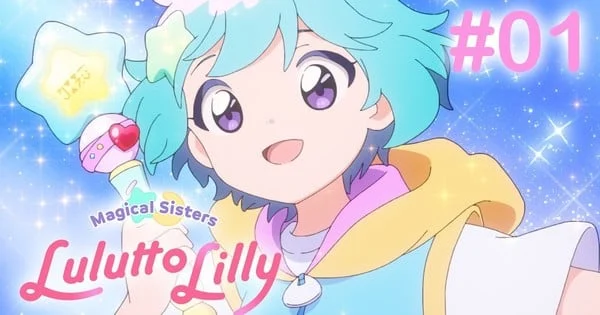
Bandai Namco Filmworks has launched the highly anticipated magical girl television anime, Magical Sisters Lulutto Lilly, making the first two episodes available for streaming on its official YouTube channel. This significant release, presented in collaboration with the renowned Studio Pierrot, marks a strategic move to broaden the anime’s reach, offering the initial installments with subtitles in an impressive 16 languages. The accessibility extends across North America, South America, Australia, New Zealand, Southeast Asia, and significant portions of Europe, Africa, and Asia, underscoring a global distribution strategy designed to capture a diverse international audience from the outset.
This ambitious rollout on YouTube, a platform with billions of active users, signals a shift in how anime content is introduced to the global market. By leveraging one of the world’s largest video-sharing platforms, Bandai Namco Filmworks and Studio Pierrot are not only aiming for immediate viewership but also to cultivate a dedicated international fanbase. The inclusion of extensive multilingual subtitles is a crucial element in this strategy, dismantling language barriers that have historically limited the reach of Japanese animation. This approach suggests a recognition of the increasingly interconnected nature of the anime fandom and the demand for readily available, subtitled content.
A Collaborative Effort in Animation Production
The creation of Magical Sisters Lulutto Lilly is a testament to the collaborative strengths of Bandai Namco Filmworks and Studio Pierrot. Studio Pierrot, a legendary animation studio with a storied history in producing iconic magical girl series, including the seminal Magical Angel Creamy Mami, brings its deep expertise and legacy to this new venture. This partnership is particularly noteworthy, as it reunites the creative energies behind some of the most beloved anime of previous generations with a fresh narrative and contemporary production values. The involvement of Studio Pierrot imbues the project with an aura of nostalgia and a promise of quality that resonates with long-time anime enthusiasts.
Expanding Distribution Channels Beyond YouTube
While the YouTube premiere offers a significant global entry point, Magical Sisters Lulutto Lilly’s availability is further diversified through a network of regional streaming services and television broadcasts. In Hong Kong, Macau, and Taiwan, viewers can access the anime on platforms such as Ani-One and Bahamut. Italy benefits from distribution through Anime Generation and a television broadcast on Man-ga, while Spain has access via Anime Box. The inclusion of various services in Taiwan further emphasizes the strategic focus on key Asian markets. This multi-platform approach ensures that audiences in different geographical locations have multiple avenues to engage with the series, catering to varied viewing habits and preferences. The deliberate selection of these platforms suggests a calculated effort to tap into existing anime communities and infrastructure in these regions.
Japanese Broadcast and Series Structure
The anime officially debuted in Japan on April 5th, with its initial broadcast on Tokyo MX. Subsequent airings are scheduled across other prominent Japanese networks, including ABC TV, TV Aichi, BS NTV, and AT-X. This multi-channel broadcast strategy in its home country aims to maximize exposure within the Japanese market. Notably, Magical Sisters Lulutto Lilly is slated to run for two cours, a standard Japanese anime production term referring to a three-month broadcasting block. The inclusion of a break between these cours is a common practice that allows for production pacing and often aligns with seasonal programming shifts. This structure indicates a planned narrative arc that will unfold over an extended period, allowing for character development and plot progression.
A Cast with Deep Ties to Magical Girl History
A significant element generating buzz around Magical Sisters Lulutto Lilly is the inclusion of veteran voice actors Takako Ohta and Yū Mizushima. Both actors have iconic roles in the history of the magical girl genre, having voiced Yū Morisawa / Creamy Mami and Toshio Ohtomo, respectively, in the beloved Magical Angel Creamy Mami anime franchise. Their participation as guest cast members in Magical Sisters Lulutto Lilly is a deliberate and poignant nod to the genre’s rich heritage. This casting choice serves not only to attract fans of Magical Angel Creamy Mami but also to symbolically pass the torch, connecting the past and present of magical girl storytelling. Their involvement is likely to evoke a sense of continuity and honor for long-time followers of Studio Pierrot’s work.
Key Production Staff and Creative Vision
The directorial helm of Magical Sisters Lulutto Lilly is helmed by Shintarō Dōge, who also contributes the original character designs. Dōge’s previous work as an assistant director on Arknights: Perish in Frost and episode director for Pet demonstrates a growing talent in the industry. The series scripts are under the supervision and writing of Yōko Kakihara, known for her contributions to Blue Box and the recent iterations of Urusei Yatsura. The character designs are further shaped by the talents of Namiko Tori, Hirono Nishiki, and Asami Sodeyama, who have previous credits in notable anime such as Pokémon: Paldean Winds, My Dress-Up Darling, and Witchy Precure! -MIRAI DAYS-, respectively. This ensemble of creative professionals suggests a blend of established talent and emerging artists, poised to deliver a visually appealing and narratively engaging series.
Musical Themes: K-Pop and Idol Power
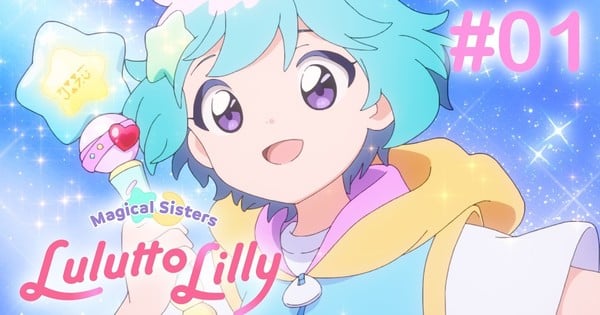
The anime’s musical landscape is set to be vibrant, featuring an opening theme song titled "Bubee" performed by the popular K-pop girl group ILLIT. Their involvement brings a contemporary, global appeal to the soundtrack. Complementing this is the ending theme song, "Calling," performed by the in-universe idol unit Lulutto Lilly. This unit comprises the anime’s main characters, Lilly Konpeto (voiced by May Tachibana) and Lulu Mashū (voiced by Nao Ojika). The dual approach to music – incorporating a chart-topping K-pop group alongside the fictional idol characters – aims to appeal to a broad spectrum of musical tastes and further integrate the anime’s narrative with its musical elements, a common and effective strategy in the magical girl genre.
Narrative Premise: Sisterhood, Secrets, and Stardom
At its core, Magical Sisters Lulutto Lilly explores the story of two sisters, Fū and Rui, whose once-close bond has recently become strained. Their lives take an extraordinary turn when Fū encounters a mysterious spaceship and, almost simultaneously, Rui also gains magical powers. These newfound abilities allow them to transform into the adults they aspire to be. However, their magic comes with significant caveats: it can only be utilized for a single year, and its existence must remain a closely guarded secret from everyone. Unbeknownst to each other, both sisters embark on dual lives, becoming active as idols while navigating the complexities of their shared secret and their evolving relationship. This narrative setup promises themes of sisterhood, self-discovery, the pursuit of dreams, and the challenges of maintaining secrets. The "idol" element adds a layer of contemporary relevance and potential for engaging performance sequences.
Broader Implications for the Magical Girl Genre and Global Anime Distribution
The strategic global release of Magical Sisters Lulutto Lilly, particularly its simultaneous debut on YouTube with extensive multilingual support, signifies a significant evolution in how anime is introduced to international markets. This approach moves beyond traditional staggered releases and localized dubbing, prioritizing immediate accessibility for a global audience. It suggests a confidence in the universal appeal of the magical girl genre and a proactive strategy to capture viewership across diverse geographical and cultural landscapes. The success of this model could influence future distribution strategies for anime worldwide, potentially leading to more synchronized global launches and a greater emphasis on subtitled content. Furthermore, the collaboration between established entities like Bandai Namco Filmworks and Studio Pierrot, coupled with contemporary elements like K-pop integration, indicates a continued effort to innovate within the magical girl genre, blending nostalgic elements with modern sensibilities to attract both long-time fans and new generations of viewers. The inclusion of veteran voice actors from Magical Angel Creamy Mami is a powerful marketing tool that taps into the deep well of nostalgia associated with the genre, while the fresh narrative and modern production values aim to capture a contemporary audience. This duality is crucial for the genre’s continued relevance and evolution. The narrative’s focus on sisterhood and secret identities also offers fertile ground for character-driven storytelling, a hallmark of successful long-running anime franchises.