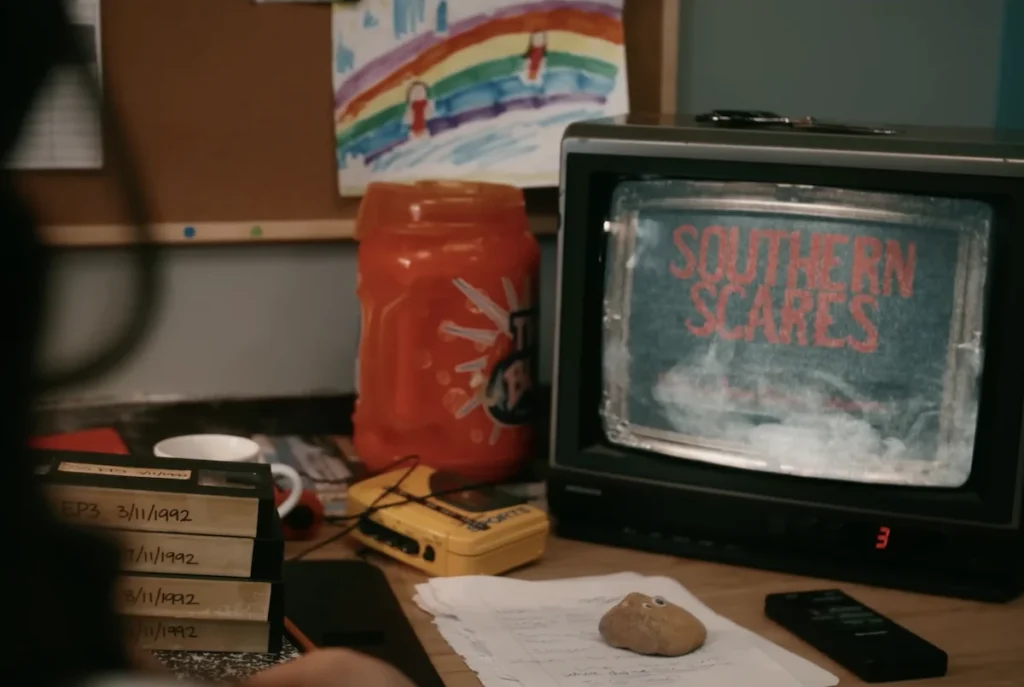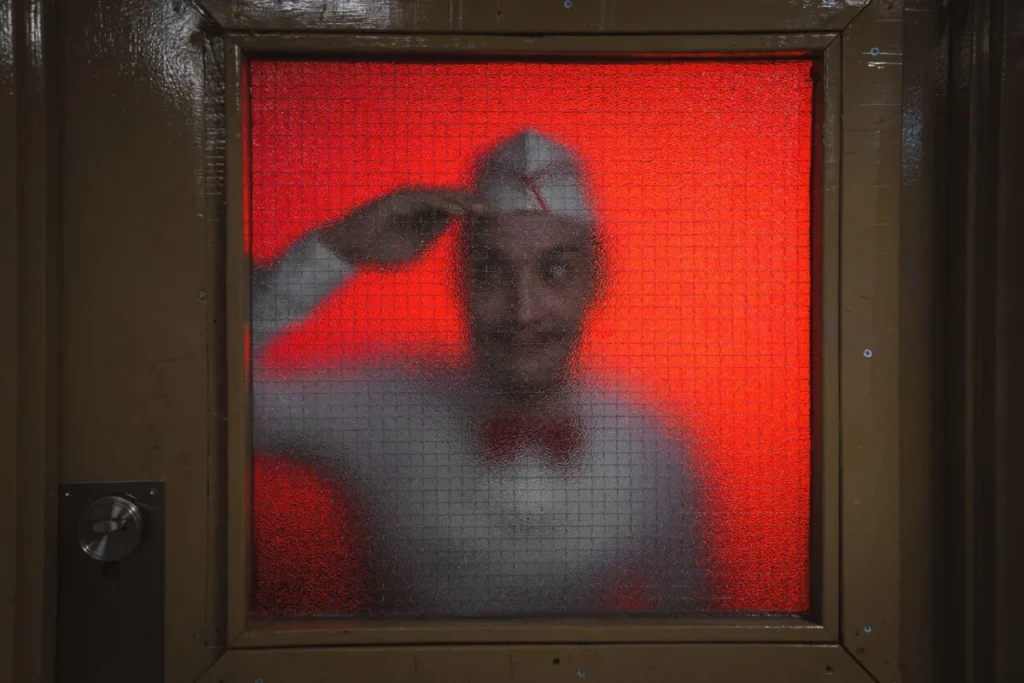
The highly anticipated horror-comedy Big Break is set to make its World Premiere at the prestigious Fantasia Film Festival, marking a significant cinematic debut for the popular online comedy troupe Simple Town. This meta-textual narrative, delving into the anxieties and aspirations of aspiring comedians, hinges on the audience’s connection with Simple Town’s distinctive brand of humor, a style that is as divisive as it is potentially brilliant. The film, directed by Ian Faria, masterfully navigates the delicate balance between horror and comedy, with its success largely dependent on the efficacy of its sketch-comedy-inspired pacing and comedic sensibilities.
Fantasia Film Festival: A Launchpad for Genre Cinema
The Fantasia Film Festival, renowned for its dedication to showcasing innovative and boundary-pushing cinema, particularly within the genres of fantasy, horror, and science fiction, provides an ideal platform for Big Break. Established in 1996, the Montreal-based festival has consistently championed emerging talent and provided a crucial stage for independent filmmakers to reach a global audience. Over its decades-long history, Fantasia has been instrumental in introducing groundbreaking films and directors to the international scene, fostering a vibrant community of genre film enthusiasts and industry professionals. The festival’s commitment to diversity and its eclectic programming have solidified its reputation as one of the most important genre film events worldwide. Big Break‘s selection for its World Premiere at Fantasia underscores the film’s potential to resonate with a discerning and appreciative audience, eager for fresh perspectives within the horror-comedy landscape.
Simple Town’s "Cringecore" Ascends to the Big Screen
For fans familiar with Simple Town’s online presence, particularly their "cringecore" aesthetic characterized by non-sequiturs, veiled hostility, and seamless comedic riffing, Big Break is poised to be a definitive moment. The film’s script, co-written by and starring Samuel Lanier, artfully transitions the troupe’s signature style into a feature-length narrative. Critics familiar with the work of CollegeHumor alumni who have successfully ventured into horror, such as Josh Ruben (Scare Me), will find echoes of that transition in Big Break. The film is anticipated to be a significant breakthrough for Simple Town, potentially introducing their unique comedic voice to a wider, mainstream audience, much like the anticipation surrounding a Dropout TV subscription for those seeking unconventional comedy.
A Meta-Narrative of Faded Fame and Desperate Reunions
Big Break centers on an alternate reality where the members of Simple Town – Caroline Yost, Felipe Di Poi Tamargo, Sam Lanier, and Will Niedmann – are no longer the celebrated online personalities they once were. In this universe, only Sam Lanier has achieved significant mainstream success following their YouTube heyday, largely due to his involvement in The Gummy Bear Movie. This fictional film, drawing a clear parallel to commercially successful animated franchises like Minions or, as the review suggests, less critically acclaimed animated fare, has unexpectedly dominated the cultural zeitgeist, a premise that the reviewer posits as perhaps the most unsettling aspect of the film’s horror-comedy equation.
![‘Big Break’ Review: Uproarious Horror/Comedy [Fantasia]](https://www.dreadcentral.com/wp-content/uploads/2026/07/Screenshot-2026-07-16-at-10.17.27-AM.png)
The narrative unfolds as Sam’s former troupe members, facing varying degrees of professional and personal stagnation, embark on a reunion at Sam’s secluded woodland vacation home. Caroline Yost is depicted struggling financially, eating dog food from her car, while Will Niedmann sports a noticeable "cool-guy" mustache, and Felipe Di Poi Tamargo is navigating a relationship with a significantly younger individual. Their stated objective for the reunion is to solicit roles in the upcoming Gummy Bear sequel, a candid acknowledgment of the industry’s often cutthroat nature and the performers’ desire to capitalize on lingering fame.
Self-Deprecating Humor as a Foundation
The film leans heavily into self-deprecating humor, with the cast effectively mining their characters’ desperation for Sam’s renewed success for comedic effect. This meta-commentary on the entertainment industry and the pursuit of fame is a central pillar of the film’s appeal. Felipe Di Poi Tamargo’s persistent references to Adobe Premiere, an industry-standard software, and Caroline Yost’s elaborate pantomimes of enthusiasm for tutoring, while adamantly denying her precarious living situation, exemplify the troupe’s ability to find humor in vulnerability and ambition. This self-awareness allows the film to engage with its themes without becoming overly earnest or preachy.
Escalating Tension: From Comedy to Horror
The humor in Big Break is not static; it evolves and escalates, particularly as the horror elements begin to permeate the narrative. The initial setup, focused on the troupe’s awkward reunion and their thinly veiled professional agenda, gradually gives way to a more sinister atmosphere. The presence of a serial killer in Sam’s remote area provides the narrative catalyst for the horror. While specific plot details are withheld to preserve the viewing experience, the looming threat of being murdered becomes a potent force that unearths long-suppressed resentments and rivalries among the group. This narrative shift allows the film to explore the darker undercurrents of ambition and jealousy that can fester within creative collaborations.
Bridging the Gap for New Audiences
For viewers unfamiliar with the specific online personas of Simple Town, or similar internet-famous comedy groups like Curry Barkers or Kane Parsons, Big Break aims to be an accessible entry point. While pre-existing fans are likely to glean additional layers of humor from the rapid-fire in-jokes and meta-references, the filmmakers have reportedly made a concerted effort to ensure the film remains engaging for a broader audience. This inclusive approach, evident in the film’s acclimation of new viewers to its unique comedic rhythm, is commendable. The involvement of established behind-the-scenes talent, including Richie Doyle and Ani Schroeter, further bolsters the film’s production value and suggests a commitment to crafting a polished cinematic experience, irrespective of prior audience familiarity. The film’s success in this regard could potentially drive significant interest in Simple Town’s existing body of work.
A Unique Niche in the Horror-Comedy Pantheon
![‘Big Break’ Review: Uproarious Horror/Comedy [Fantasia]](https://www.dreadcentral.com/cdn-cgi/image/width=788,height=444,fit=crop,quality=75,gravity=auto,sharpen=1,metadata=none,format=auto,onerror=redirect/wp-content/uploads/2026/07/Screenshot-2026-07-16-at-10.17.27-AM.png)
While Big Break may not aim to redefine the horror-comedy genre in the same vein as critically acclaimed films like Tucker & Dale vs. Evil or Josh Ruben’s breakout hit Scare Me, it carves out its own distinct territory. The film successfully imbues what might have otherwise been a typical Simple Town sketch with the heightened stakes and visceral context of a splatter film, providing it with a unique edge. This approach makes Big Break an excellent introduction for audiences new to Simple Town’s brand of humor and a promising debut for the troupe on the big screen. The film’s success at the Fantasia Film Festival could pave the way for further cinematic endeavors from Simple Town, solidifying their transition from online creators to feature filmmakers. The festival’s discerning audience will undoubtedly offer a valuable barometer for the film’s reception and its potential impact on Simple Town’s future career trajectory.
Potential Implications and Industry Context
The premiere of Big Break at Fantasia highlights a growing trend of online content creators successfully transitioning to feature filmmaking. This phenomenon is driven by several factors, including the established fan bases these creators already command, their inherent understanding of digital media and audience engagement, and the increasing accessibility of filmmaking technology. For established film festivals like Fantasia, embracing such talent is crucial for staying relevant and attracting a younger, digitally native demographic.
The meta-narrative of Big Break, focusing on the struggles of fading fame and the pursuit of new opportunities within the entertainment industry, resonates deeply in the current media landscape. The film’s commentary on the precariousness of online celebrity and the relentless demand for new content offers a timely and relatable theme. The critical reception of Big Break at Fantasia will likely serve as an indicator of the broader market’s appetite for this type of content and could influence future investment in similar projects.
Simple Town’s Trajectory: From Virality to the Silver Screen
Simple Town’s journey to the Fantasia Film Festival represents a significant milestone. Their consistent output of engaging and often unconventional online content has cultivated a dedicated following. The leap to a feature film allows them to explore their comedic and narrative ideas on a grander scale, offering a more immersive experience for their audience. The success of Big Break could establish a blueprint for other online comedy troupes looking to make a similar transition, potentially leading to a more diverse and dynamic landscape of comedic filmmaking. The film’s reception will be closely watched by industry professionals and fans alike, as it marks a crucial step in Simple Town’s evolution as entertainers.