Arrow Video has officially unveiled a high-definition 4K restoration of the 1971 psychological thriller Wake in Fright, a seminal work of Australian cinema that has long been regarded as one of the most intense and harrowing depictions of the continent’s remote interior. Directed by Ted Kotcheff and based on the 1961 novel by Kenneth Cook, the film is set to receive a comprehensive physical media release, featuring a meticulous restoration that aims to preserve its stark, sun-drenched visuals for a new generation of cinephiles. This announcement comes just a year after the passing of Kotcheff, the Canadian filmmaker who would later achieve global fame for directing the first Rambo installment, First Blood. The restoration serves as a posthumous tribute to Kotcheff’s uncompromising vision and his ability to capture the psychological disintegration of the human spirit when confronted with extreme isolation and social pressure.
Narrative Overview and Thematic Depth
Wake in Fright follows the descent of John Grant, played by Gary Bond, a refined and somewhat arrogant schoolteacher working a bonded teaching post in a tiny, desolate outback settlement. On his way back to Sydney for the Christmas holidays, Grant stops in the frontier mining town of Bundanyabba—affectionately called "The Yabba" by its residents. What begins as a one-night layover quickly devolves into a nightmare of moral decay. After losing his entire savings in a game of "two-up," a traditional Australian gambling pastime, Grant becomes stranded.
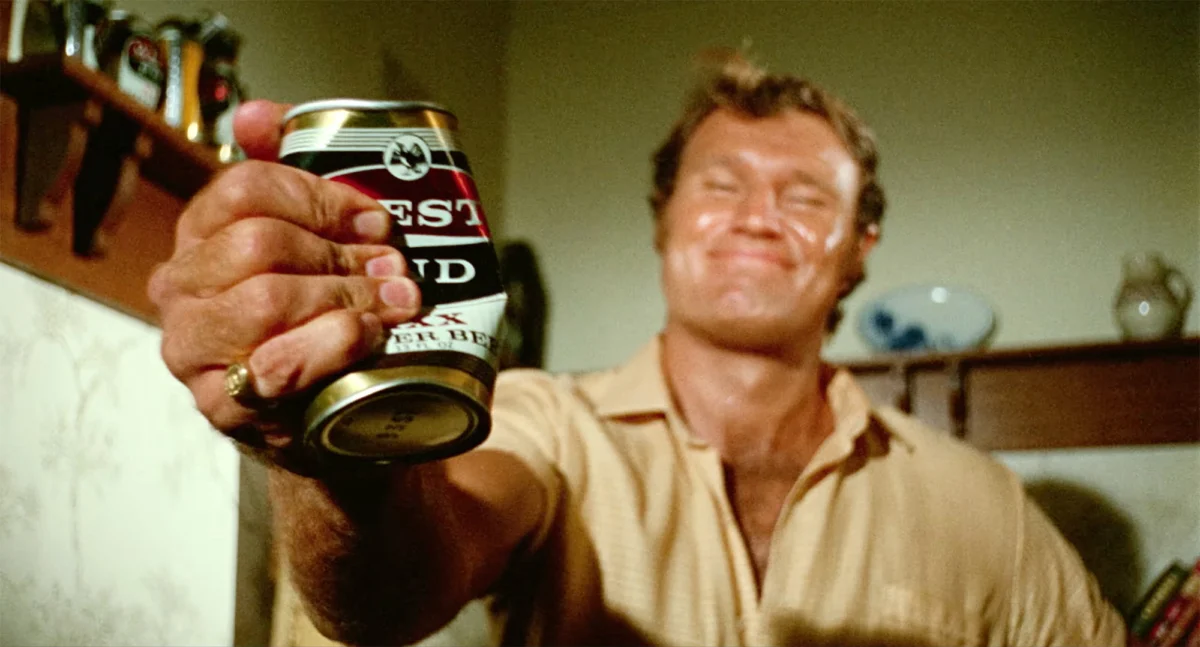
The film explores the suffocating nature of "aggressive hospitality." Grant is taken in by the local men, including the charismatic but deeply disturbed Doc Tydon, portrayed by Donald Pleasence. He is introduced to a culture of relentless drinking, hyper-masculinity, and casual violence. As Grant’s desperation grows, he is stripped of his middle-class sensibilities, eventually participating in a brutal, real-life kangaroo hunt that serves as the film’s most controversial and visceral sequence. The narrative serves as a critique of the "Ocker" culture of the time, presenting a version of Australia that was far removed from the sun-and-surf tourism images of the era.
The History of a "Lost" Masterpiece
The journey of Wake in Fright from a 1971 Cannes Film Festival entry to its current status as a restored classic is one of the most remarkable stories in film preservation history. Upon its initial release, the film was a commercial failure in Australia. Local audiences were reportedly repelled by its unflinching and often unflattering portrayal of outback life. In the United States, it was released under the title Outback, but it failed to find a significant audience there as well.

For decades, the film was considered "lost." The original negative had disappeared, and the only available copies were poor-quality television prints or faded 16mm reels. The search for the original materials was spearheaded by the film’s editor, Anthony Buckley. For nearly ten years, Buckley tracked leads across the globe. In 2004, he made a miraculous discovery: the original negatives were found in a shipping container in Pittsburgh, Pennsylvania, marked for destruction. The canisters were rescued just days before they were set to be incinerated.
This discovery led to a massive restoration effort by the National Film and Sound Archive of Australia (NFSA). In 2009, Wake in Fright became one of the few films to be invited back to the Cannes Film Festival for a second time, nearly 40 years after its premiere, where it was introduced by Martin Scorsese. Scorsese famously remarked that the film "left me speechless," and he has since been one of its most vocal proponents, alongside other high-profile fans like musician Nick Cave.
Production Context and the Australian New Wave
Wake in Fright was produced during the nascent stages of the Australian New Wave, a period of creative resurgence in the 1970s and 80s that brought Australian cinema to the international stage. While films like Picnic at Hanging Rock and My Brilliant Career focused on period drama and lyrical aesthetics, Wake in Fright was a "meat-and-potatoes" thriller that utilized the harshness of the landscape as a psychological weapon.
The film was a co-production between Australian and American interests, which allowed for a higher budget than many local films of the time. This enabled the production to hire international stars like Donald Pleasence and the British actor Gary Bond. However, the heart of the film remained firmly Australian, featuring legendary local actors such as Chips Rafferty—in his final film role—and a young Jack Thompson, who would go on to become one of the country’s most famous exports.
The filming took place largely in Broken Hill, a mining city in the far west of New South Wales. The location provided the authentic "dust and sweat" atmosphere that Kotcheff required. The production was notoriously difficult, with the cast and crew enduring the same extreme heat and isolation depicted in the script. This environmental pressure contributed to the raw, authentic performances that define the film.

Technical Specifications of the 4K Restoration
The upcoming Arrow Video release utilizes a 4K scan of the original 35mm camera negatives. The restoration process involved frame-by-frame digital cleaning to remove decades of dust, scratches, and chemical degradation. Particular attention was paid to the film’s color palette. Cinematographer Brian West’s work is characterized by high-contrast lighting and a saturated, "burnt" look that emphasizes the oppressive heat of the outback.
The 4K Ultra HD presentation offers a significantly higher dynamic range (HDR) than previous Blu-ray releases, allowing for deeper shadows in the night scenes and more nuanced highlights in the blinding daylight sequences. The audio has also been remastered, ensuring that the cacophony of the pub scenes and the eerie silence of the desert are balanced to maximize the film’s psychological impact.
Impact and Cultural Legacy
The legacy of Wake in Fright extends far beyond its technical achievements. It is frequently cited as a foundational text in "Outback Gothic," a subgenre of Australian horror and thriller films that explores the terrors of the vast, unpopulated interior. Its influence can be seen in modern works such as Wolf Creek, The Rover, and even the Mad Max franchise.
The film’s portrayal of masculinity remains a subject of academic study. By depicting the "mateship" culture as a destructive, predatory force rather than a heroic one, Kotcheff challenged the national myths of the time. The scene involving the kangaroo hunt, which utilized footage from an actual professional cull, remains a point of intense discussion regarding ethics in cinema and the depiction of animal cruelty. While Kotcheff and the producers maintained that they were documenting a pre-existing reality to highlight the characters’ depravity, the sequence continues to shock and disturb modern viewers.
Release Details and Supplementary Material
Arrow Video’s 4K release is expected to include a wealth of supplementary material designed to provide historical context. Anticipated features include:

- Audio Commentaries: Likely featuring director Ted Kotcheff and editor Anthony Buckley.
- Documentaries: "Who Needs Art?" – a look at the making of the film and its initial reception.
- Interviews: Archival footage with the cast and contemporary interviews with film historians.
- The "Lost" Negatives: A featurette detailing the decade-long search and eventual recovery of the film.
- Booklet: A limited-edition collector’s booklet featuring new essays on the film’s place in the Australian New Wave.
The release is scheduled for May 2026, marking a significant milestone in the preservation of global cult cinema. By bringing Wake in Fright to the 4K format, Arrow Video ensures that one of the most powerful and uncomfortable films ever made survives in its most pristine form.
Conclusion and Industry Implications
The re-release of Wake in Fright in 4K highlights a growing trend in the home media market where boutique labels invest heavily in the restoration of international cult classics. As streaming services often prioritize new content, physical media collectors and labels like Arrow Video have become the primary custodians of film history.
For the Australian film industry, the continued interest in Wake in Fright serves as a reminder of the power of uncompromising storytelling. The film’s transition from a rejected, "lost" work to a celebrated masterpiece of world cinema provides a blueprint for the rediscovery of other overlooked gems. As the 4K restoration hits the market, it invites a new generation to experience "The Yabba" and to confront the timeless questions the film poses about civilization, barbarism, and the fragility of the human ego.