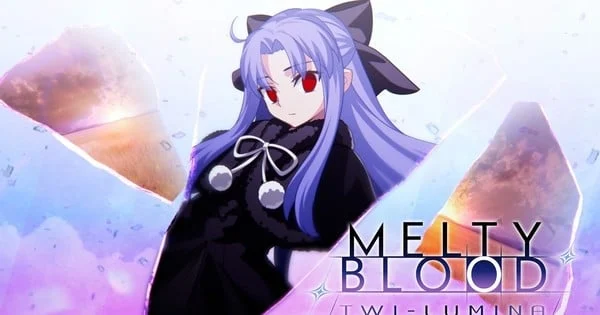
Type-Moon revealed on Saturday the development of a new 2D fighting game, Melty Blood: Twi-Lumina, slated for an early 2027 launch. This highly anticipated title will be available across a broad spectrum of gaming platforms, including PlayStation 5, PlayStation 4, the upcoming Nintendo Switch 2, Nintendo Switch, Xbox One, and PC via Steam. The announcement was accompanied by a debut trailer, offering a glimpse into the refined mechanics and new characters that will define this latest installment in the beloved Melty Blood series.
A New Chapter in the Melty Blood Saga
Melty Blood: Twi-Lumina is poised to build upon the legacy of its predecessors, promising enhanced battle systems and an expanded roster of combatants. Type-Moon, the renowned studio behind the original Tsukihime visual novel series that serves as the foundation for the Melty Blood universe, is spearheading this new venture. The game’s narrative is described as a tale of renewed conflict within a dream, hinting at a compelling storyline that will engage both long-time fans and newcomers to the franchise.
The game will feature full Japanese voiceovers, catering to the series’ core audience, while offering text localization in a diverse array of languages. Players will be able to experience the narrative and gameplay in Japanese, English, Traditional Chinese, Simplified Chinese, Korean, Spanish, French, and Portuguese, ensuring a global reach for this ambitious project. This extensive language support underscores Type-Moon’s commitment to making its titles accessible to a worldwide player base.
Development and Publishing Partnerships
The development of Melty Blood: Twi-Lumina is being handled by French Bread, a studio with a proven track record in crafting engaging 2D fighting games. Their expertise has been instrumental in shaping the distinct gameplay style of the Melty Blood series. Publishing duties will be managed by Aniplex and Aniplex of America, ensuring a robust distribution and marketing strategy for the game’s multifaceted release.
The original work is credited to Kinoko Nasu and Type-Moon, the creative minds behind the Tsukihime universe. This collaboration highlights the deep connection between the narrative origins and the fighting game adaptation, promising a cohesive and lore-rich experience.
A Legacy of Fighting Game Excellence
This announcement marks the latest evolution in the Melty Blood franchise, which first captivated players with its initial release. The previous installment, Melty Blood: Type Lumina, launched in September 2021 for Switch, PS4, Xbox One, and PC via Steam. That game also served as a significant entry, drawing heavily from the worldview established by the Tsukihime -A piece of blue glass moon- remake. It featured a roster of over 10 characters, including iconic figures like Shiki Tohno and Arcueid Brunestud, each with unique story arcs and extensive customization options through 10 color variations.
The critical and commercial success of Melty Blood: Type Lumina laid a strong foundation for future developments. The game’s ability to translate the intricate lore and character dynamics of the visual novel into a fast-paced, accessible fighting game format resonated with a broad audience. The inclusion of multiple story modes and extensive character customization further contributed to its appeal, fostering a dedicated community.
Expanding the Melty Blood Universe
Beyond the core fighting game releases, the Melty Blood universe has also seen expansion through other media. The MELTY BLOOD: TYPE LUMINA Piece in Paradise spinoff manga, created by Metarogu, launched on the Type-Moon Comic Ace website in 2022 and concluded on December 17th. This demonstrates Type-Moon’s strategic approach to multimedia storytelling, allowing fans to engage with the franchise’s characters and narratives through various avenues. The successful conclusion of the manga further indicates the enduring popularity and narrative potential of the Melty Blood world.
Platform Strategy and Market Implications
The planned release of Melty Blood: Twi-Lumina across a wide array of current and next-generation platforms, including the highly anticipated Nintendo Switch 2, is a significant strategic decision. This multi-platform approach aims to maximize reach and cater to the diverse gaming habits of consumers. The inclusion of the Switch 2, while speculative at this stage given Nintendo’s official silence on the successor, suggests Type-Moon is anticipating its release and positioning the game to be a launch title or early offering for the new hardware.
The early 2027 release window also places Melty Blood: Twi-Lumina in a competitive landscape. By this time, the PlayStation 5 and Xbox Series X/S will be well-established, and the next generation of consoles will likely be on the horizon or recently launched. The PC market, driven by Steam, remains a robust platform for fighting games, offering flexibility and a dedicated player base.
The decision to support Xbox One, a last-generation console, indicates a desire to capture the broadest possible audience, acknowledging that many players may not yet have upgraded to current-generation hardware. This backward compatibility strategy has been a common theme in recent years, allowing developers to leverage existing user bases.
Fan Reception and Future Outlook
The announcement has generated considerable excitement within the fighting game community and among fans of Type-Moon’s work. The Melty Blood series is known for its distinctive art style, engaging combat mechanics, and rich lore, all of which contribute to its dedicated following. The promise of refined battle mechanics and new characters in Twi-Lumina suggests that the developers are committed to innovation while staying true to the series’ core identity.
The inclusion of the Nintendo Switch 2 in the platform list is particularly noteworthy. While official details about the Switch 2 remain scarce, its inclusion in a major game announcement suggests that developers are privy to information about its capabilities and potential release timeframe. This could indicate a significant leap in performance for Nintendo’s next-generation portable console, potentially rivaling home consoles in certain aspects.
The multilingual text support, extending beyond the typical English and Japanese, is a positive indicator for global player engagement. This comprehensive localization strategy can significantly boost a game’s appeal and accessibility in non-traditional markets.
Key Personnel and Creative Vision
The involvement of Kinoko Nasu, a pivotal figure in the creation of the Tsukihime universe, ensures that Melty Blood: Twi-Lumina will remain deeply rooted in its established lore. His creative vision has consistently produced complex narratives and compelling characters, which have been successfully translated into the fighting game genre. French Bread’s experience in developing fighting games, coupled with Type-Moon’s narrative expertise, forms a powerful creative synergy.
The Melty Blood series, originating from a fan-made doujin game, has evolved into a significant franchise under Type-Moon’s guidance. The transition from its indie roots to a multi-platform, professionally published title is a testament to its enduring appeal and the quality of its execution. Melty Blood: Twi-Lumina represents the next step in this evolution, aiming to further solidify its position in the competitive fighting game arena.
Conclusion
With its early 2027 release window, extensive platform support, and commitment to refined gameplay and narrative, Melty Blood: Twi-Lumina is shaping up to be a significant release for fighting game enthusiasts. The announcement from Type-Moon underscores the studio’s continued dedication to expanding its popular franchises and engaging with a global audience. As more details emerge, the anticipation for this new installment in the Melty Blood saga is expected to grow, promising another compelling chapter in the ongoing saga of supernatural combat and intricate storytelling. The strategic platform choices, including the potential inclusion of the Nintendo Switch 2, highlight a forward-thinking approach to market penetration and player accessibility, positioning the game for a potentially widespread impact upon its launch.