Since its inception in 2005, YouTube has evolved from a nascent video-sharing platform into a dominant force in global entertainment, reshaping how content is created, consumed, and discovered. While predictions of its television-slaying potential have largely materialized, the platform’s most profound impact may lie in its emergence as a fertile ground for new creative voices, particularly within the horror genre. Increasingly, filmmakers with roots in online video are transitioning to mainstream cinema, bringing with them innovative storytelling techniques and a direct connection to their audience, thereby redefining the landscape of fear.
The Genesis of Digital Dread
The journey of horror filmmaking from the fringes of amateur production to the digital age is a well-trodden path. Historically, the genre has thrived on the ingenuity of individuals working with limited resources, pushing boundaries, and embracing unconventional methods. Classic examples like Sam Raimi’s The Evil Dead, Daniel Myrick and Eduardo Sánchez’s The Blair Witch Project, and Oren Peli’s Paranormal Activity all emerged from independent filmmaking ethos, often leveraging guerilla tactics and shoestring budgets to achieve their chilling effects. These films demonstrated that creativity and a willingness to explore the unsettling could resonate deeply with audiences, regardless of traditional industry backing.
YouTube has amplified this democratizing effect exponentially. The platform provides an accessible and immediate outlet for aspiring creators to hone their craft, experiment with concepts, and build an audience without the traditional gatekeepers of the film industry. The early days of the internet saw a surge in user-generated content that captivated and, at times, disturbed viewers. From the surreal animated short "Charlie the Unicorn" to the graphic and shocking "Happy Tree Friends," and the pervasive fascination with alleged paranormal phenomena like "real ghosts caught on camera" and "alien abductions," the internet quickly became a repository for content that challenged conventional entertainment norms. This early exploration of the visceral and the uncanny laid the groundwork for a more sophisticated horror output to emerge.
From Bitesized Nightmares to Blockbuster Scares
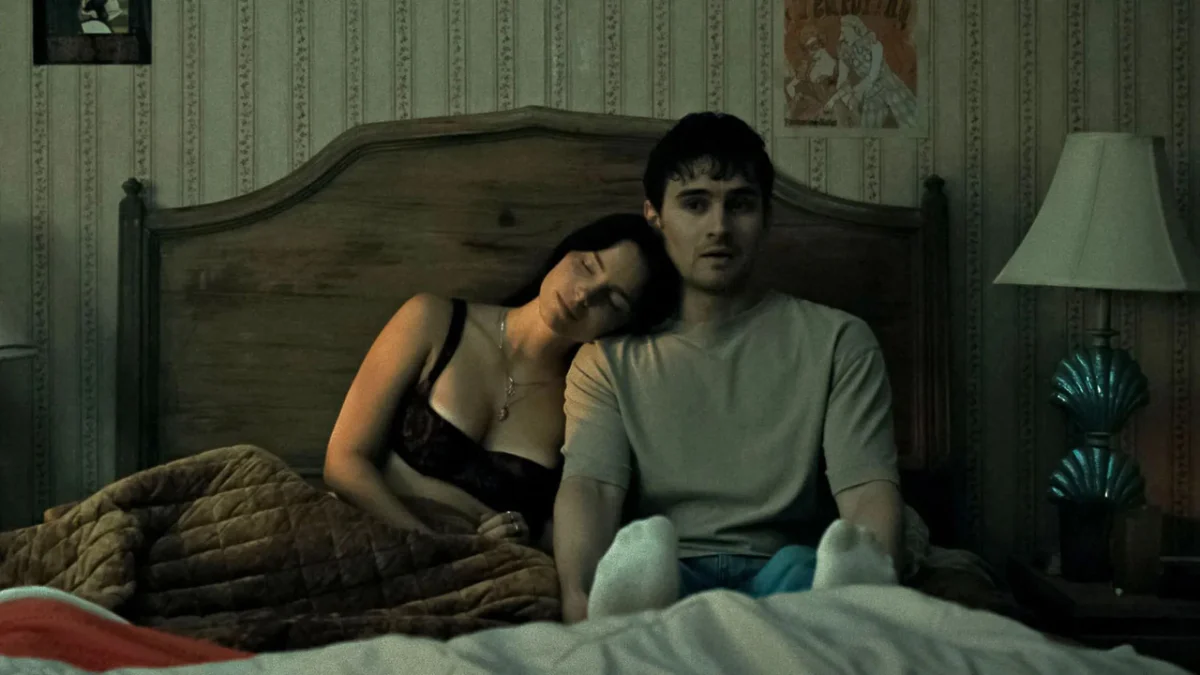
One of the most prominent examples of this burgeoning trend is Kyle Edward Ball, the director behind the critically acclaimed and highly divisive 2020s horror hit, Skinamarink. Ball’s journey began on YouTube, where he cultivated an audience by creating a series called "Bitesized Nightmares." This series featured short films inspired by unsettling descriptions of nightmares submitted by his viewers. The success and unique aesthetic of these shorts led to the development of a viral 30-minute proof-of-concept titled Heck, which ultimately served as the foundation for Skinamarink. This direct engagement with audience experiences allowed Ball to tap into a collective subconscious of fear, translating abstract anxieties into tangible cinematic dread.
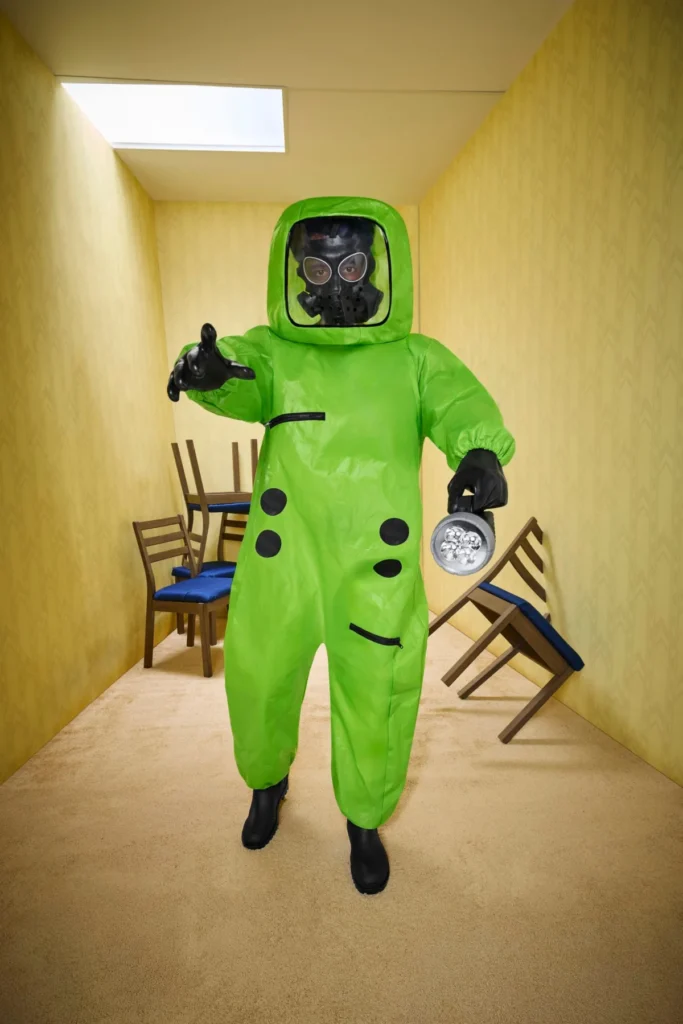
The rise of internet folklore has also played a crucial role in this new wave of horror. The "Backrooms" phenomenon, which began with an anonymous 4chan post in 2019 asking users to share "disquieting images that just feel ‘off’," exemplifies this. One particular image—a photograph of an eerily empty office space with distinctive chevron wallpaper, taken at an unusual angle—became a catalyst for widespread imagination. In 2022, then 16-year-old Kane Parsons, under the moniker Kane Pixels, uploaded a short found-footage video titled "The Backrooms (Found Footage)" to YouTube. The video’s atmospheric tension and imaginative exploration of the concept captured the internet’s attention, leading to an unprecedented collaboration with A24, a studio renowned for its distinctive cinematic output, for a feature-length adaptation slated for release in May. This rapid transition from a viral YouTube short to a major studio production underscores the platform’s power in identifying and nurturing nascent talent.
A New Generation of Horror Storytellers
The success of Ball and Parsons is not an isolated phenomenon. A growing number of YouTubers are making significant inroads into the film industry, bringing their established fanbases and unique creative visions with them. Markiplier, one of the most popular and influential gaming YouTubers, recently saw his highly anticipated adaptation of the indie video game Iron Lung achieve substantial box office success, reportedly grossing over $50 million. This demonstrates the commercial viability of projects spearheaded by creators with a massive, pre-existing audience.
Beyond gaming, other prominent figures include Chris Stuckmann, a well-regarded movie critic and filmmaker who has transitioned into directing feature films. The Philippou brothers, Danny and Michael, known for their high-energy and often boundary-pushing content as RackaRacka, have also ventured into directing, showcasing an instinctive grasp of storytelling and pacing. And Curry Barker, whose film Obsession is set to premiere in theaters later this month, represents another example of a YouTuber whose creative output is now reaching a broader cinematic audience.
The YouTube Incubator: Why It Works
The question of why YouTube has become such an effective incubator for horror talent is multifaceted. A significant factor is the inherent nature of creating engaging online content. Making compelling YouTube videos, especially in the horror genre, requires a strong understanding of storytelling, pacing, and the ability to capture and maintain viewer attention. This skill set directly translates to the demands of filmmaking, even when scaling up from short-form digital content to feature-length narratives.
Furthermore, YouTube fosters a unique, symbiotic relationship between creators and their audiences. Creators like Kyle Edward Ball were able to directly engage with viewer feedback, understanding which visual elements, narrative devices, and thematic explorations resonated most strongly. This iterative process of creation and response allows for a more organic development of ideas and a deeper connection with the emotional core of what scares people. For instance, Kane Parsons’ adaptation of "The Backrooms" was not just a visual spectacle; it was a sophisticated manipulation of internet lore, demonstrating an understanding of how online communities collectively shape narratives. This ability to tap into and build upon existing digital folklore is a powerful tool for contemporary horror filmmakers.

The accessibility of the platform also means that the barriers to entry for filmmaking have been significantly lowered. Aspiring directors can experiment with different camera techniques, editing styles, and narrative structures without the need for substantial financial investment or formal film school training. This has led to a diverse range of voices and perspectives emerging, often with a fresh and unconventional approach to horror that challenges established tropes.
Addressing Skepticism and the Future of Fear
The rise of YouTubers in the mainstream horror space has not been without its critics. The announcement that YouTuber Dylan Clark would direct a remake of The Blair Witch Project sparked considerable debate and skepticism online, particularly on platforms like X (formerly Twitter). Questions arose regarding whether creators primarily known for short-form online content could effectively handle the demands of a major studio production and honor the legacy of a beloved franchise.
While it is true that the skills required to create a viral video and sustain suspense across a 90-minute film are distinct, the underlying principles of compelling storytelling remain. Many YouTubers possess a natural aptitude for narrative construction and audience engagement. The Philippou brothers, for example, have been lauded for their innate understanding of pacing and their ability to build tension. Similarly, while some creators might struggle with developing a consistent artistic vision, the platform’s interactive nature allows for continuous refinement.
The established name recognition of many YouTubers can also be a significant asset. For a film like Iron Lung, Markiplier’s considerable fanbase likely played a crucial role in its box office success. However, the success of films like Obsession suggests that the quality of the film itself can transcend the creator’s existing online fame. The ability of a film to stand on its own merits, driven by compelling horror and innovative filmmaking, is a testament to the maturing talent emerging from the platform.
Broader Implications and the Road Ahead
The trend of YouTubers transitioning into mainstream horror filmmaking carries significant implications for the industry. It signals a potential democratization of Hollywood, where talent can be discovered and nurtured through non-traditional channels. This influx of new voices promises to inject fresh perspectives and innovative approaches into a genre that has often relied on established formulas.
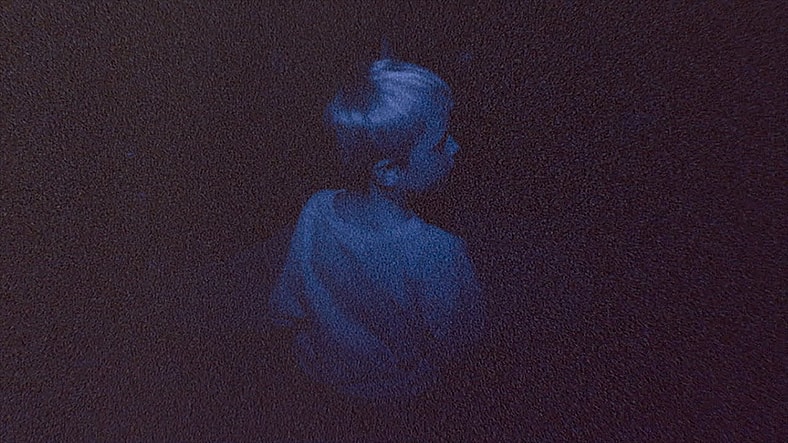
The success of films like Skinamarink and the upcoming Backrooms adaptation suggests that audiences are receptive to the unique storytelling styles and thematic explorations that emerge from this digital-native filmmaking ecosystem. It indicates a willingness to embrace experimental narratives, lo-fi aesthetics, and a direct engagement with contemporary anxieties, all of which have been honed on platforms like YouTube.
Looking forward, the continued evolution of YouTube as a creative hub for horror filmmakers is almost certain. As more creators hone their skills and audiences become increasingly familiar with their work, the lines between online and traditional cinema will continue to blur. The potential for groundbreaking and genuinely terrifying content to emerge from this dynamic space is immense. If YouTube can continue to deliver compelling horror experiences akin to Talk to Me and Skinamarink, the future of fear promises to be as innovative and unpredictable as the internet itself. The next generation of horror masters may very well be found not in the hallowed halls of film schools, but in the ever-evolving digital landscape of YouTube.