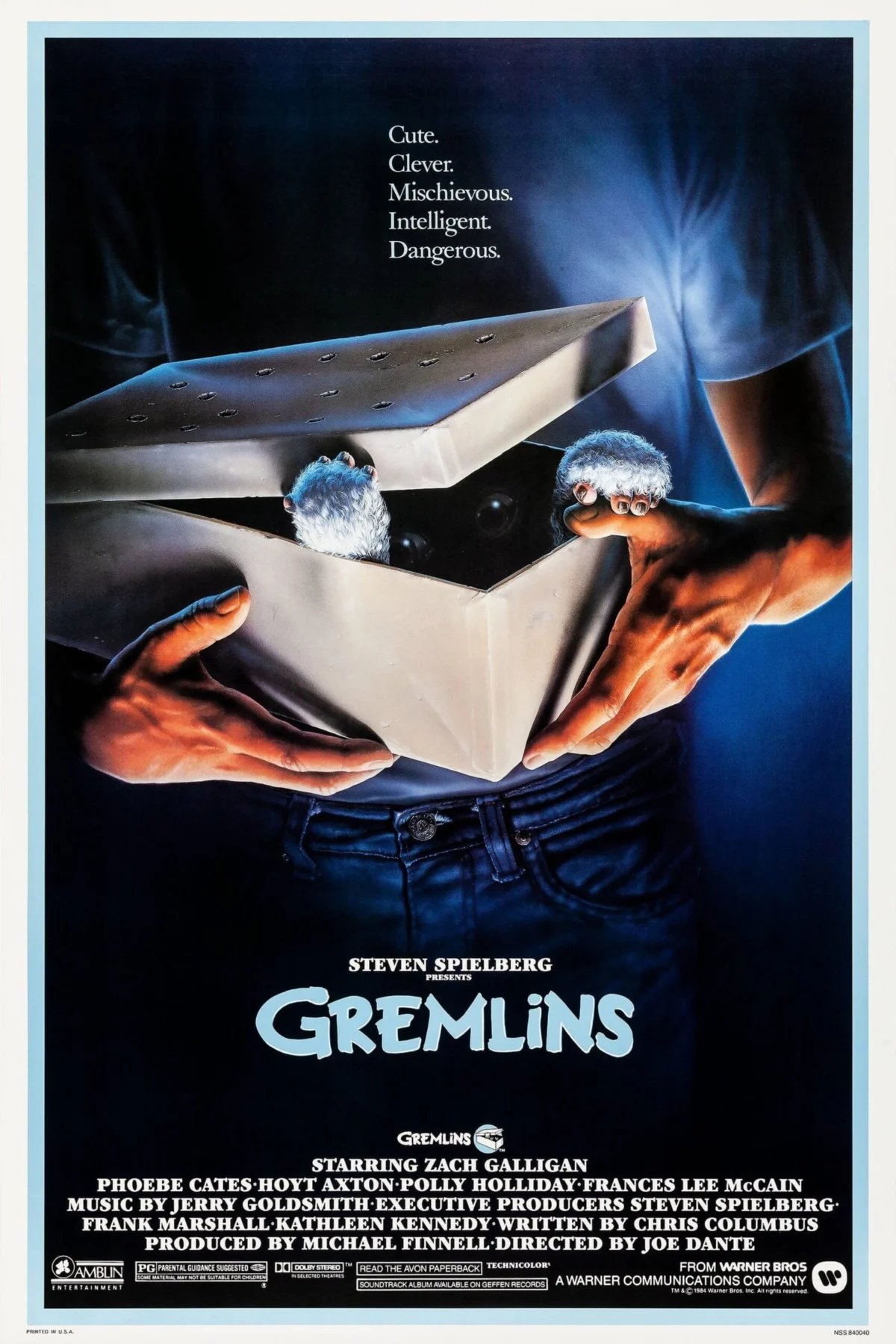
The hallowed halls of cinematic history recently welcomed a startling revelation as director Joe Dante unveiled a never-before-seen assembly cut of his iconic 1984 horror-comedy, Gremlins. This extraordinary screening, held for a select audience of friends, collaborators, and devoted fans, presented a version of the film that has remained hidden from public view for over four decades. The unearthed cut, significantly longer than the widely released theatrical version, offers a profound glimpse into the film’s early development, featuring extensive alternate takes, expanded character moments, and a wealth of previously unseen Gremlin sequences.
The screening, which took place recently, marked a rare occasion for cinephiles and horror aficionados to witness a genuine "holy grail" of filmmaking. The existence of this early assembly cut had been largely confined to whispers and legend within industry circles, making its public debut a significant event. The Hollywood Reporter was among the first to extensively cover this remarkable discovery, detailing the arduous journey of this lost artifact from a personal VHS tape to a polished, presentable cut.
The Genesis of a Lost Cut: From Personal Archive to Public Revelation
The singular surviving copy of this early Gremlins assembly cut was, remarkably, director Joe Dante’s personal VHS tape from 1983. In an era before digital archiving was commonplace, such materials often resided in personal collections, vulnerable to the ravages of time and format obsolescence. Recognizing the historical and artistic significance of this material, Dante entrusted his precious copy to Ian Grant, a dedicated Gremlins enthusiast and proprietor of The Gremlins Museum, an online archive and showcase dedicated to the film’s props and memorabilia.
Grant, a passionate steward of Gremlins lore, embarked on a months-long project to restore and digitize the VHS tape. This painstaking process involved meticulous cleaning of the footage, careful digitization to preserve the integrity of the image and sound, and extensive work to make the material presentable for a theatrical screening. The result of this labor of love is a version of Gremlins that deviates significantly from the film audiences know and love, offering a unique perspective on Dante’s creative process and the film’s evolution.
Unveiling the Differences: A Longer, Darker, and More Gremlin-Filled Journey
The most striking difference in the assembly cut is its substantial runtime. Approximately an hour longer than the 111-minute theatrical release, this early version delves deeper into character development and expands the chaotic presence of the titular creatures. According to reports, the introduction of the Gremlins themselves is delayed, with the first appearance of these mischievous beings occurring nearly an hour into the film. This suggests a different pacing and narrative emphasis in the initial stages of production, potentially allowing for a more deliberate build-up of suspense and character establishment before the mayhem fully erupts.
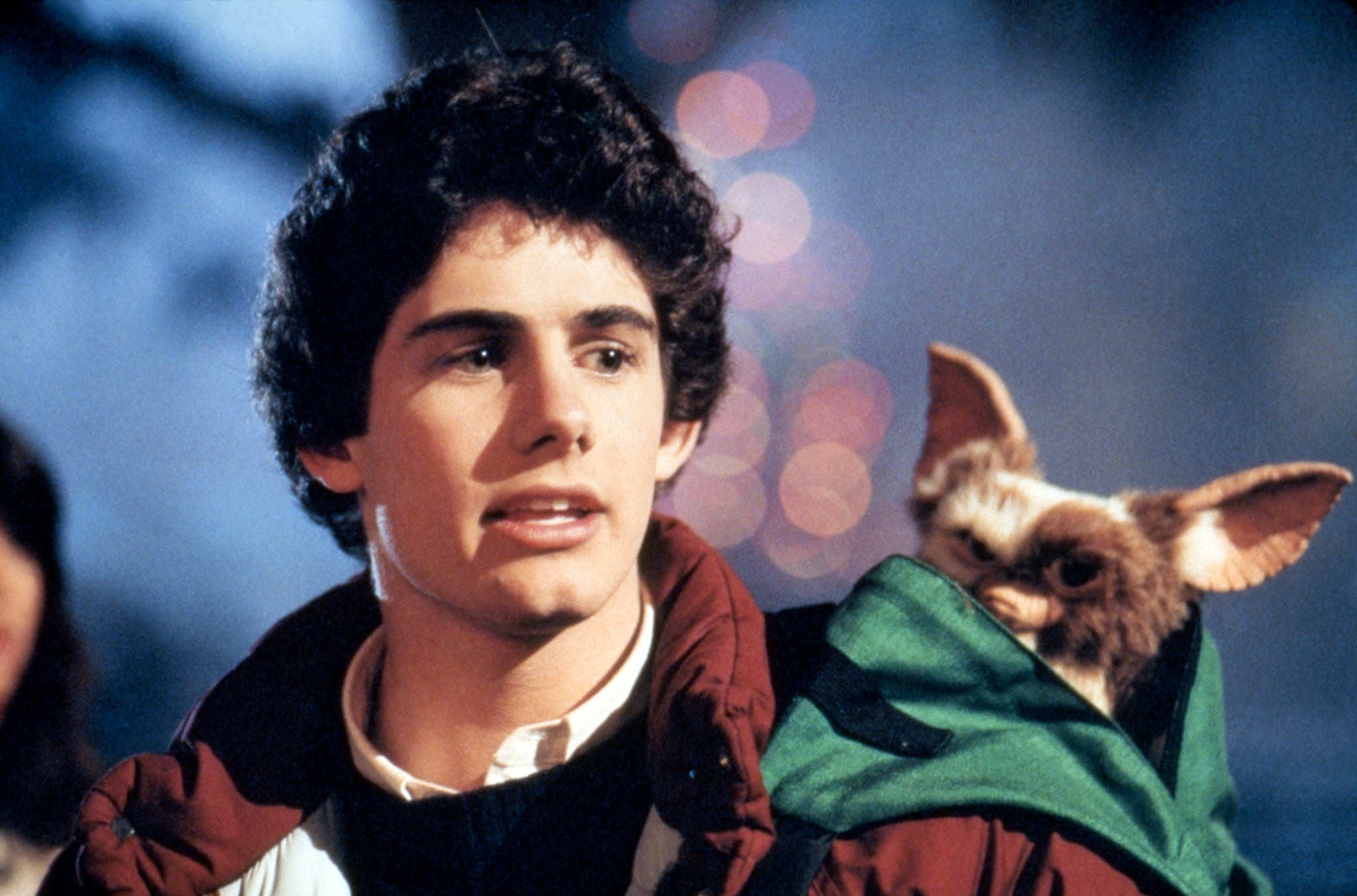
The expanded Gremlin sequences are a particular point of interest for fans. While the theatrical cut masterfully balanced humor and horror, the assembly cut reportedly features more extensive scenes of Gremlin mischief and destruction. This could indicate that Dante and his team initially explored more ambitious or perhaps darker comedic scenarios for the creatures, which were later trimmed for the final release to achieve a more refined balance for broader audience appeal. The mention of "deleted character moments" also suggests a richer tapestry of interactions and individual arcs that may have been streamlined in the editing process to maintain narrative momentum.
Director’s Perspective: "Warts and All"
Joe Dante, known for his dry wit and distinctive filmmaking style, characterized the screening as "very unusual." His comment, "You usually don’t go back into the archives and pull out stuff from the bin and show it to people, warts and all," underscores the raw, unpolished nature of an assembly cut. Unlike a director’s cut, which often represents a more finalized artistic vision, an assembly cut is a preliminary assemblage of footage, typically lacking sound mixing, final visual effects, and precise editing. Presenting such a version publicly is a bold move, offering an unfiltered look at the filmmaking process in its nascent stages. It allows viewers to appreciate the raw material and understand the decisions made during post-production to shape the final product.
Reactions from the Industry and Fanbase
The reaction from those present at the screening has been overwhelmingly positive, highlighting the historical and artistic value of the unearthed cut. Director Micheline Pitt, who attended the event, shared her enthusiasm on social media platform X (formerly Twitter). She described the experience as "amazing" and noted that while the original film is "perfect," witnessing the "expansion of the characters in the film as well as so much more Mogwi and Gremlins madness was so special." Pitt expressed a hope that this version might eventually be made accessible to a wider audience, a sentiment likely shared by many Gremlins enthusiasts worldwide.
Zach Galligan, the star of Gremlins, also engaged with fans about this significant discovery. He participated in an Instagram Q&A session, offering insights and answering questions about the unearthed assembly cut. While the details of his Q&A were not fully elaborated upon in the initial reports, his involvement signifies the importance of this event to the film’s legacy and its principal cast. The availability of such behind-the-scenes material, especially directly from the actors involved, provides invaluable context for understanding the film’s creation.
The Significance of an Assembly Cut
The unveiling of Gremlins‘ assembly cut holds considerable significance for several reasons.
Archival Value and Film Preservation
Firstly, it represents a crucial piece of film history and a triumph for preservation efforts. In an era where film elements are constantly at risk of degradation or loss, the recovery and digitization of this assembly cut by The Gremlins Museum and Ian Grant highlight the vital role of dedicated archives and passionate fans in safeguarding cinematic heritage. The fact that it was preserved on a VHS tape underscores the challenges of early film preservation and the often-unconventional methods employed.
Insights into the Creative Process
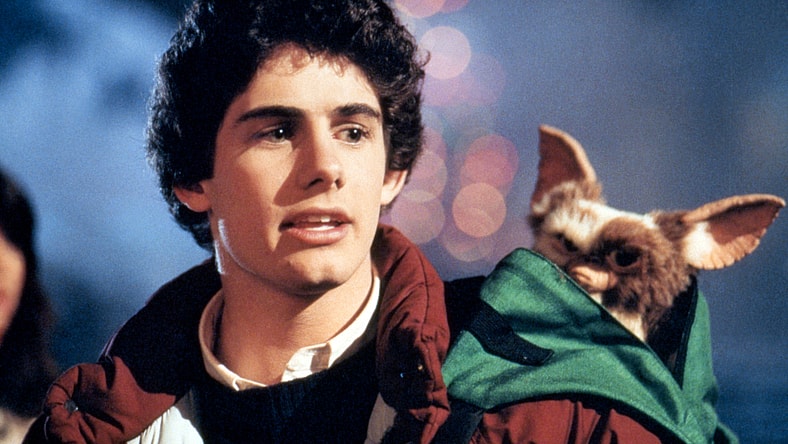
Secondly, it offers unparalleled insight into Joe Dante’s directorial vision and the iterative process of filmmaking. Assembly cuts are raw blueprints, revealing discarded ideas, alternative narrative paths, and the evolutionary stages of characters and plotlines. For film scholars, students, and dedicated fans, this version of Gremlins provides a unique opportunity to dissect the director’s choices and understand how the final, polished film was sculpted from this earlier material. The longer runtime and expanded sequences could shed light on themes or character dynamics that were explored in depth but ultimately omitted.
Understanding Pacing and Tone
The delayed introduction of the Gremlins and the potential for more extensive creature-focused scenes suggest a different approach to pacing and tone in the early stages. Examining these differences can illuminate how the filmmakers manipulated narrative rhythm and the balance between horror and comedy to achieve the desired impact on the audience. It might reveal a more gradual descent into chaos or a more overt focus on the grotesque and mischievous nature of the Gremlins.
Potential for Future Releases
The successful digitization and screening of this assembly cut raise the tantalizing possibility of future public access. While Dante’s comment about showing it "warts and all" suggests a reluctance for a polished release, the enthusiastic reception and the potential for historical and artistic value could lead to discussions about making it available through special editions, film festivals, or archival screenings. The demand from fans, as evidenced by reactions, would likely be significant.
Broader Implications for the Film Industry
The discovery of such a substantial, previously unseen cut of a beloved film like Gremlins has broader implications for the film industry. It serves as a reminder that many other films, particularly from earlier eras, may contain similarly valuable archival material that remains undiscovered or inaccessible. This event could spur renewed interest in film preservation initiatives and encourage filmmakers and studios to re-examine their own archives for lost or forgotten versions of their work.
Furthermore, it underscores the evolving relationship between filmmakers, fans, and the digital age. The ability to restore and share such material, thanks to advancements in technology and the dedication of individuals like Ian Grant, allows for a deeper and more nuanced appreciation of cinematic history. It democratizes access to the creative process, offering a behind-the-scenes look that was once the exclusive domain of industry insiders.
The reappearance of Joe Dante’s 1983 assembly cut of Gremlins is more than just a nostalgic curio; it is a significant cultural event that enriches our understanding of a modern classic. It offers a rare, unvarnished look at the birth of a cinematic icon and serves as a testament to the enduring power of film and the passion of those who preserve its legacy. As the film world digests this revelation, the hope remains that this remarkable piece of cinematic history will find a way to be shared more widely, allowing audiences to experience Gremlins in a light few could have ever imagined.