The American Film Institute (AFI) has begun to pull back the curtain on its highly anticipated 2026 festival lineup, revealing a robust collection of red carpet premieres and special screenings that underscore the organization’s ongoing commitment to prestige storytelling. As the festival prepares to celebrate its milestone 40th anniversary, the latest additions to the program reflect a strategic blend of high-profile auteur projects, major studio animation, and socially resonant documentaries, all converging at the TCL Chinese Theatres in Hollywood from October 21–25.
The Red Carpet Spotlight
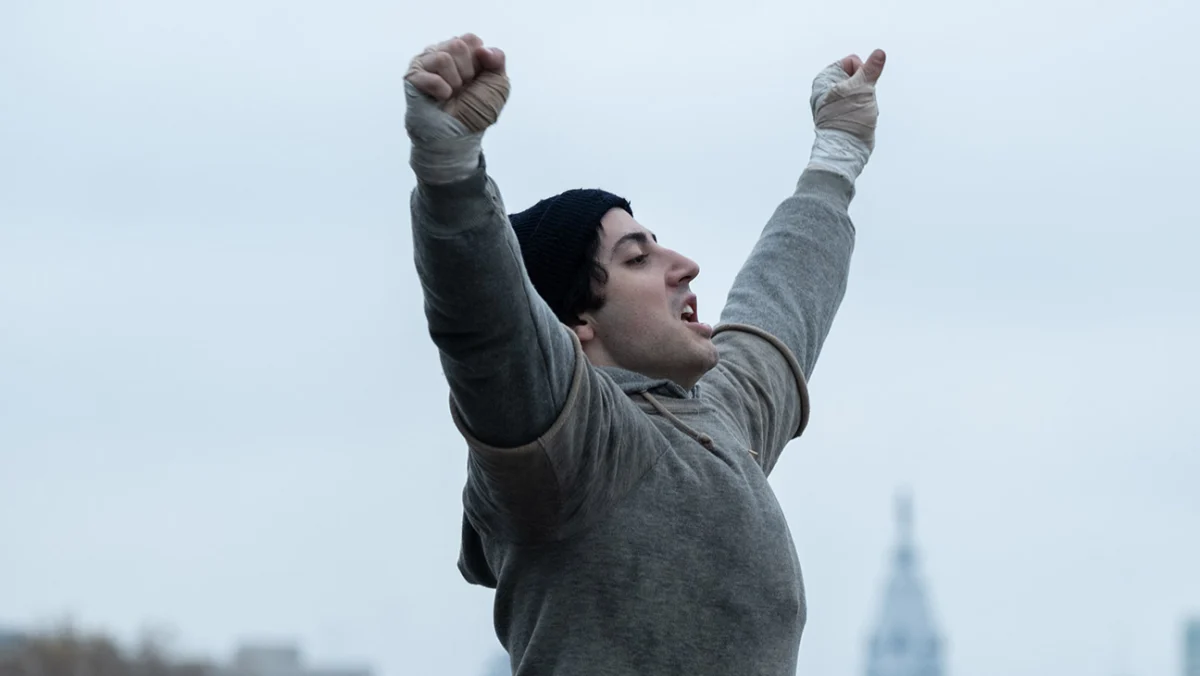
Among the most significant announcements are the latest additions to the festival’s prestigious red carpet premiere section. Peter Farrelly’s I Play Rocky, featuring Anthony Ippolito, has been confirmed, positioning the film as a potential late-year awards contender. Joining it is the Netflix-backed animated feature Ray Gunn, directed by the visionary Brad Bird. With a voice cast that includes heavyweights such as Scarlett Johansson and Sam Rockwell, Ray Gunn represents a major investment in high-concept animation, a genre that has seen significant growth in festival programming over the past decade.
The festival’s special screenings section continues to be a magnet for critical favorites arriving from the international circuit. Martin McDonagh’s Wild Horse Nine, which generated significant buzz during its world premiere at the Venice Film Festival, has been officially secured for an AFI screening. The film, which stars Sam Rockwell and John Malkovich, exemplifies the type of star-driven, director-led cinema that defines the AFI Fest identity.
A Diverse and Expansive Slate
The breadth of the 2026 program is evidenced by the eclectic list of special screenings announced this week. The selection highlights a concerted effort to showcase both established masters and emerging voices. Notable entries include:
- Documentary and Biographical Works: Ava DuVernay’s 14th and Sian Heder’s Being Heumann represent the festival’s dedication to non-fiction storytelling, a pillar of the AFI mission.
- Auteur-Driven Projects: Pedro Almodóvar’s Bitter Christmas and Tony Gilroy’s Behemoth!, which features Pedro Pascal in a nuanced role as a gifted cellist, are expected to anchor the festival’s high-prestige offerings.
- Ensemble Dramas and Character Studies: The inclusion of Florian Zeller’s Bunker—starring real-life couple Javier Bardem and Penélope Cruz—alongside Arie and Chuko Esiri’s Clarissa (starring David Oyelowo, Sophie Okonedo, and Ayo Edebiri) and Ira Sachs’ The Man I Love (featuring Rami Malek, Rebecca Hall, and Ebon Moss-Bachrach) suggests a focus on sophisticated, performance-heavy narratives.
- Animated Innovation: Leah Nelson’s Tangles serves as a centerpiece for the festival’s animated portfolio. The film’s staggering voice cast—which includes Seth Rogen, Julia Louis-Dreyfus, Bryan Cranston, Pamela Adlon, Sarah Silverman, Beanie Feldstein, Abbi Jacobson, Wanda Sykes, and Bowen Yang—highlights the industry’s increasing appetite for prestige animated projects aimed at adult audiences.
Chronology and Organizational Milestones
The 2026 iteration of AFI Fest carries extra weight as it commemorates four decades of cultural contribution. Since its inception in the mid-1980s, the festival has served as a vital bridge between the creative community and the public, often acting as a launchpad for films that eventually dominate the Academy Awards.
The festival’s timeline for 2026 is structured to maximize industry presence and public engagement:
- September 29: Full festival lineup unveiling.
- October 21: Opening night gala featuring the U.S. premiere of Travis Knight’s animated feature Wildwood.
- October 21–25: Five days of screenings, panels, and industry networking events centered at the TCL Chinese Theatres.
The appointment of Phil Lord and Chris Miller as guest artistic directors marks a strategic move to infuse the festival with a modern, innovative perspective. Known for their work on Spider-Man: Into the Spider-Verse and The Lego Movie, Lord and Miller bring a sensibilities that align with the festival’s goal of bridging the gap between mainstream commercial success and artistic experimentation.
Economic and Cultural Context
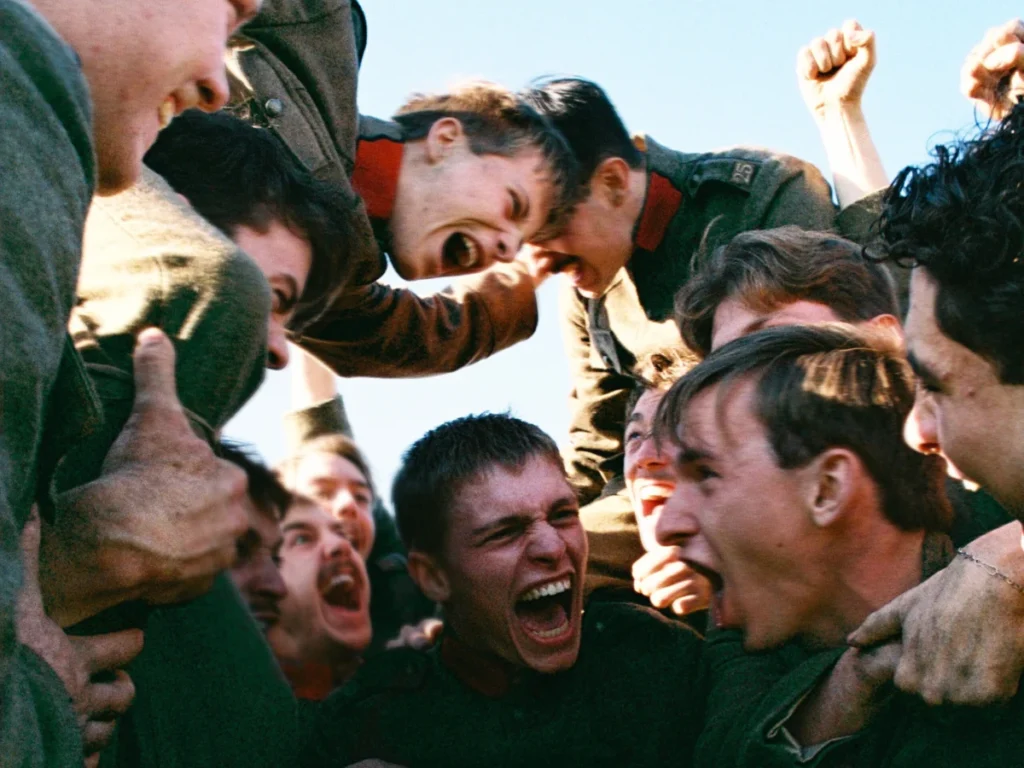
The significance of AFI Fest in the current cinematic landscape cannot be overstated. With the box office experiencing significant shifts in consumer behavior and the rise of streaming platforms, film festivals like AFI serve as essential curators. By placing projects like Peter Berg’s The Mosquito Bowl—a film featuring Nicholas Galitzine and Bill Skarsgard—alongside independent efforts, the festival provides a platform that validates the theatrical experience.
Industry analysts note that the 2026 program reflects a "return to form" for major festivals, characterized by an increase in physical attendance and a renewed focus on the communal experience of cinema. The diversity of the 2026 slate suggests that the AFI is prioritizing high-caliber storytelling over pure commercial genre fare, a move that is likely to resonate with both the Academy’s voting members and the discerning Los Angeles film community.
Official Perspectives
Reflecting on the milestone, Bob Gazzale, the president and CEO of the American Film Institute, emphasized the organization’s foundational purpose. "AFI Fest is where the world tells stories in the beating heart of Hollywood," Gazzale stated. "This year, we are proud to celebrate 40 years of bringing artists and audiences together to be inspired in a powerful sense of community."
Gazzale’s sentiment captures the dual function of the event: it is both a marketplace for industry professionals to negotiate and secure distribution, and a celebration for the cinephile public. The decision to include a wide array of international perspectives alongside American productions further reinforces the festival’s role as a global conduit for visual culture.
Future Implications for the Industry
The inclusion of such a diverse array of films—ranging from the intimate character study of The Man I Love to the grand scale of Wildwood—indicates a broader trend in Hollywood: the democratization of prestige. By hosting these films, the AFI provides a neutral, high-visibility platform where a documentary on civil rights can share the same marquee as a major studio animated epic.
As the industry continues to navigate the complexities of the post-pandemic market, the 2026 AFI Fest appears poised to act as a bellwether for the upcoming awards season. Films that find success at the festival—particularly those in the special screenings section—often leverage the momentum to build critical consensus. For many of the projects listed, the AFI premiere will be the first opportunity for domestic critics to weigh in, making the event a critical junction for the marketing campaigns of the participating studios.
Passes for the 2026 festival are currently available for purchase, and organizers have indicated that demand is expected to be high, particularly given the strong interest in the guest artistic directors’ curated segments. As the full lineup announcement nears in late September, the focus will undoubtedly shift toward which films emerge as the frontrunners for the festival’s top honors and, by extension, the broader industry conversation.
In conclusion, the 40th anniversary of AFI Fest represents not just a celebration of the past, but a forward-looking statement of intent. By fostering a environment where established auteurs, emerging voices, and high-profile performers can collide, the American Film Institute remains a central pillar in the ongoing evolution of the motion picture industry. The festival remains a vital, beating heart in the city that defined the modern cinematic experience, ensuring that even after four decades, the act of gathering in the dark to watch a story unfold remains a transformative event.