The Karlovy Vary International Film Festival (KVIFF), a cornerstone of global cinema, is set to mark a momentous dual anniversary, celebrating 80 years since its inception and its 60th official edition. Attendees and participants of this landmark event will be immersed in a profound sense of continuity and legacy, interwoven with the innovative spirit that has consistently defined the festival. This year’s celebration not only commemorates a rich historical tapestry but also serves as a poignant reminder of the indelible contributions of figures like Václav Havel and Jiří Bartoška, whose spirits continue to shape KVIFF’s identity.
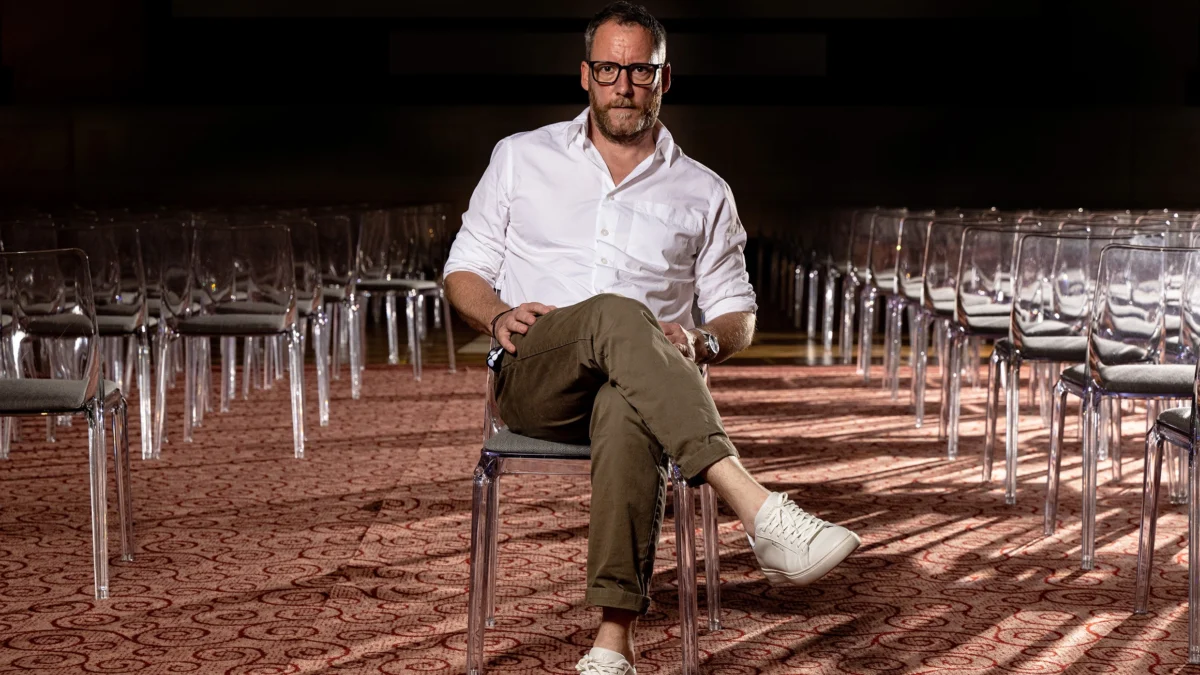
Kryštof Mucha, a veteran of the festival team since 1997, who assumed the role of executive director in 2004 and now also serves as chairman of the board of the KVIFF Group, articulates this guiding philosophy: "For us and our colleagues, it is all about connecting the past and the future." This blend of historical reverence and forward-thinking ambition will be the central theme of the double anniversary, underscoring KVIFF’s remarkable journey from its post-war origins to its present-day prominence.
A Legacy Forged in History: The Early Years
The Karlovy Vary International Film Festival holds the esteemed distinction of being one of the world’s oldest cinematic showcases. Its inaugural edition, held in 1946, positioned it firmly within the "first wave" of post-World War II European film festivals. This foundational event, initially conceived as a non-competitive gathering, featured 13 films and welcomed international participation, a testament to its early global aspirations. The festival’s genesis was a collaborative effort between the spa towns of Mariánské Lázně and Karlovy Vary, with screenings primarily taking place during the first half of August.
A point of pride for KVIFF organizers is the timing of its debut. As they highlighted earlier this year, this first edition remarkably predated the inaugural festivals in both Cannes and Locarno. While the Venice Film Festival, founded in 1932, holds the title of the absolute oldest, its post-war revival and first competitive edition in 1946 followed KVIFF’s initial non-competitive event. Initially known as the Czechoslovak Film Festival, its early years saw it alternate between Mariánské Lázně and Karlovy Vary, eventually settling solely in Karlovy Vary, establishing the picturesque spa town as its permanent home. This historical context firmly places KVIFF not merely as an old festival, but as a pioneering institution that helped define the modern international film festival landscape.
Navigating the Cold War: The Biannual Shift
The festival’s long history, punctuated by both triumphs and challenges, includes a peculiar period of biannual operation, a direct consequence of geopolitical realities during the Cold War. Under Soviet domination and the Eastern Bloc (1948-1989), the political leadership harbored ambitions for an A-list film festival in Moscow. Recognizing the established presence and reputation of Karlovy Vary, a compromise was struck. As Mucha explains, "They decided it would be biannual events, taking place every second year in Karlovy Vary and in Moscow." This arrangement, while politically motivated, meant that KVIFF effectively skipped years, contributing to the discrepancy between its founding year (1946) and its current edition number (60th in its 80th year). This historical anomaly underscores the festival’s resilience and its ability to adapt and endure through significant political shifts, maintaining its cultural importance even under restrictive regimes.
The Post-Communist Rebirth: Crisis and Resurgence
The most critical period for KVIFF arrived in the wake of the Velvet Revolution and the establishment of the new Czech Republic. In 1993, the nascent government, embarking on economic reforms, withdrew financial support for many cultural events, urging them towards financial independence. This abrupt policy change plunged KVIFF into an existential crisis, threatening its very survival. The backlash from the cultural community was swift and vocal, prompting the Ministry of Culture to convene a group of influential citizens to chart a path forward.
It was during this precarious moment that the formidable partnership of Jiří Bartoška and veteran film journalist Eva Zaoralová emerged. Collaborating closely with the ministry, the city of Karlovy Vary, and the iconic Grand Hotel Pupp – later immortalized as the inspiration for Wes Anderson’s Grand Budapest Hotel – they laid the groundwork for the Karlovy Vary Film Festival Foundation. This foundation became the lifeline for the festival, enabling its revitalization.
In 1995, Bartoška officially became the festival’s president, with Zaoralová taking on the crucial role of program director, a position she held with distinction until her passing in 2022. Their early efforts faced an additional hurdle when the International Federation of Producers Associations (FIAPF) revoked KVIFF’s A-category status, transferring it to the newly conceived Golden Golem fest in Prague. This decision was a significant blow, threatening to marginalize Karlovy Vary on the international stage.
The Architects of Modern KVIFF: Václav Havel and Jiří Bartoška
It was at this juncture that Václav Havel, the playwright, former dissident, and then-President of the Czech Republic, stepped in with a gesture that proved pivotal. In a powerful display of support for Karlovy Vary, Havel notably declined to attend the rival Prague event, instead choosing to appear on the opening night of KVIFF. This act of endorsement from a globally respected statesman sent an unmistakable message to the international film community and to the FIAPF: Karlovy Vary was the legitimate and culturally significant film festival of the Czech Republic.
Havel’s support, though often informal, was incredibly effective. As Mucha recounts, Havel was a close friend of Bartoška’s, and in the early post-communist years, the allure of meeting the visionary Czech president drew significant international attention. Havel would famously suggest to film world figures eager to meet him that they should come to Karlovy Vary in July. "That was the best support we could ever have," Mucha recalls. He vividly describes Havel using colored pens to personally inscribe invitations with messages like, "We will see each other in Karlovy Vary," a personal touch that resonated deeply and significantly boosted the festival’s profile. This unique blend of Havel’s moral authority and Bartoška’s charismatic leadership transformed KVIFF from a struggling institution into the thriving haven for cinema fans and celebrities it is today.
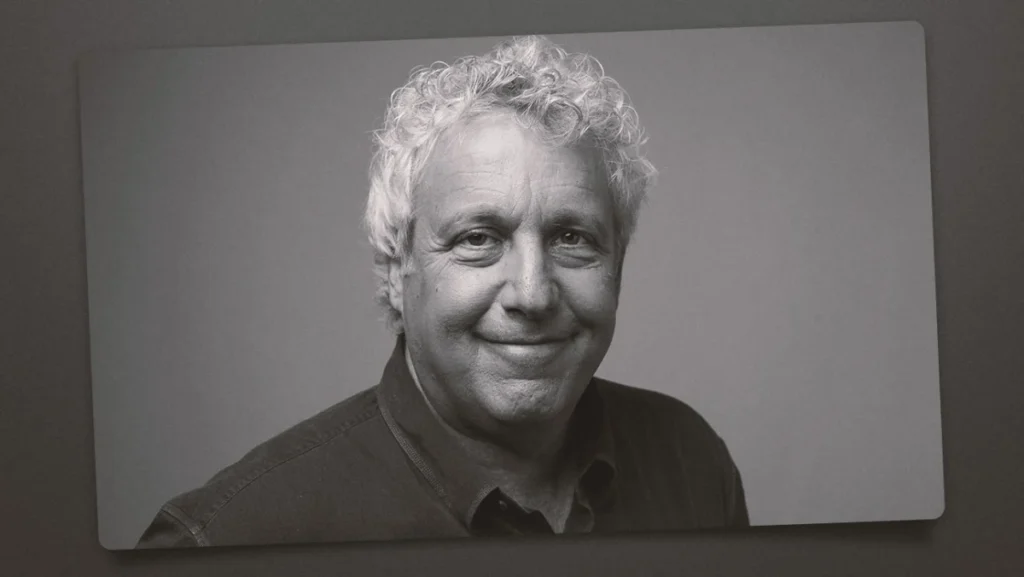
Jiří Bartoška, who tragically passed away last May, served as the public face of KVIFF for over three decades. His passing underscored for many, including Mucha, how deeply his name had become intertwined with the festival’s identity. "A lot of people came to us and asked if he was the founder of the festival," Mucha shares, highlighting a generational disconnect from the festival’s earlier history. This revelation spurred the current emphasis on educating audiences about KVIFF’s extensive and proud past, reinforcing the narrative that the festival’s roots run far deeper than its modern incarnation.
Kryštof Mucha’s Vision: Bridging Past and Future
Kryštof Mucha, now at the helm, carries the torch of this rich legacy while steering KVIFF into the future. He emphasizes the importance of celebrating the festival’s dual anniversaries through engaging public initiatives. "For this year’s anniversaries, we wanted to point to a few moments from the history of the festival, so there will be a big exhibition in the streets," Mucha states, drawing parallels to last year’s popular photo exhibition dedicated to Bartoška. This year’s display will chronicle KVIFF’s journey from 1946 to the present day.
Furthermore, 2026 marks Havel’s 90th birth anniversary, an occasion KVIFF intends to honor. "So we also want to remind people that Václav Havel was one of our big supporters, so there will be a small presentation of photos of him," Mucha confirms. These exhibitions serve not only as tributes to key figures but also as educational tools, ensuring that the festival’s profound historical significance is accessible to all. Mucha’s vision ensures that the memories and contributions of these giants remain a vibrant part of KVIFF’s ongoing narrative.
KVIFF Today: A Global Cinematic Hub
Today, KVIFF stands as a vibrant and highly respected A-list festival on the international circuit, recognized by FIAPF. It typically screens hundreds of films across various sections, attracting tens of thousands of cinephiles, industry professionals, and journalists annually. Its program is renowned for its eclectic mix, balancing high-profile premieres with a keen eye for emerging talent and distinctive arthouse cinema from across the globe.
The festival’s enduring pride in its historical standing as the "second-oldest film festival in the world" (after Venice, and just days ahead of Cannes and Locarno) is a core part of its identity, as Mucha reiterates. This historical gravitas lends KVIFF a unique position in the crowded global festival landscape. The festival’s lineup announcement for the anniversary year specifically name-checked A. M. Brousil, one of its early programming directors, who championed non-European cinema long before it became a mainstream trend. This historical precedent is mirrored in KVIFF’s current programming, which proudly highlights "extraordinary geographical diversity," a testament to its commitment to showcasing a truly global cinematic perspective. This focus on diversity, both historical and contemporary, is what keeps KVIFF and its audiences energized and relevant.
Beyond the Screen: Economic and Cultural Significance
The Karlovy Vary International Film Festival’s impact extends far beyond the cinematic experience. Economically, it provides a significant boost to the local economy of Karlovy Vary and the surrounding region. Hotels, restaurants, and local businesses thrive during the festival period, benefiting from the influx of attendees, film crews, and tourists. The festival generates substantial revenue through tourism, job creation, and increased media visibility for the spa town itself.
Culturally, KVIFF serves as a vital platform for Central and Eastern European cinema, offering a crucial international stage for filmmakers from these regions. It fosters cultural exchange, encourages dialogue, and nurtures new talent. The festival’s reputation for discovery, its blend of accessible glamour with serious arthouse programming, and its commitment to diverse storytelling solidify its place as an indispensable cultural institution. Its ability to survive political upheavals and financial crises speaks volumes about its intrinsic value and the dedication of those who have championed it throughout its history.
An Enduring Spirit of Resilience and Innovation
The double anniversary of the Karlovy Vary International Film Festival is more than just a chronological milestone; it is a celebration of resilience, vision, and the enduring power of cinema. From its pioneering post-war inception, through the complexities of the Cold War era, and its triumphant rebirth in the post-communist landscape, KVIFF has consistently demonstrated an unwavering commitment to film. The legacies of Václav Havel and Jiří Bartoška, intertwined with the dedicated work of figures like Eva Zaoralová and Kryštof Mucha, have cemented its status as a festival that honors its past while boldly embracing the future.
As Mucha aptly concludes, "We have a film festival that survived the ugly [decades under Soviet domination 1948-1989] in this country. Our festival has a rich history, and we can and should be proud of it." This sentiment encapsulates the spirit of the Karlovy Vary International Film Festival – a testament to its profound history, its unwavering cultural significance, and its continued role as a beacon of cinematic excellence on the global stage. The 60th edition, in the 80th year, promises to be a powerful affirmation of this extraordinary journey, connecting generations through the universal language of film.