The digital media landscape is witnessing a seismic shift as Amazon evolves from a retail-centric giant into a dominant force in global advertising, with Prime Video serving as the primary engine for this transformation. In its most recent quarterly financial disclosure, Amazon reported an advertising revenue of $17.1 billion for Q1, a figure that notably surpasses the combined advertising revenues of traditional media titans Warner Bros. Discovery and Paramount Global. This performance is part of a broader trajectory that saw the company generate approximately $70 billion in advertising revenue over the trailing twelve-month period. Under the leadership of CEO Andy Jassy, the company has successfully transitioned Prime Video from a value-added perk for Prime subscribers into a profitable, standalone business unit that is now aggressively competing for the multi-billion-dollar budgets traditionally reserved for legacy broadcast networks.
The Strategic Pivot to Ad-Supported Streaming
The foundation of Amazon’s recent surge in media profitability can be traced back to a calculated decision implemented in early 2024. Unlike its competitors, who introduced lower-priced ad-supported tiers as an option for new or downgrading subscribers, Amazon effectively flipped the switch for its entire existing user base. By making the ad-supported experience the default setting for Prime Video, Amazon instantly created one of the largest addressable advertising audiences in the streaming world. Subscribers who preferred an uninterrupted experience were required to pay an additional monthly fee to opt out.
Market data suggests that the vast majority of Prime Video’s estimated 200 million global members chose to remain within the ad-supported framework. This move provided Amazon with immediate, massive scale—a critical requirement for attracting high-spend national advertisers. This "opt-out" rather than "opt-in" strategy bypassed the slow growth phases experienced by rivals like Netflix and Disney+, allowing Amazon to enter the 2024 "upfront" season with unprecedented leverage.
The Chronology of Amazon’s Media Evolution
Amazon’s journey to becoming a sports and advertising juggernaut has been a decade in the making, marked by strategic acquisitions and incremental experiments:
- 2011–2016: The Library Phase. Amazon focused on building a library of licensed content and early original programming like Transparent and The Marvelous Mrs. Maisel to drive Prime subscriptions.
- 2017: Initial Foray into Sports. The company secured the non-exclusive streaming rights for Thursday Night Football (TNF), marking its first significant entry into live sports.
- 2021: The MGM Acquisition. Amazon announced an $8.45 billion deal to acquire MGM Studios, providing a massive catalog of intellectual property to bolster Prime Video’s entertainment credentials.
- 2022: Exclusive NFL Partnership. Amazon became the exclusive home of Thursday Night Football, signaling a shift from being a secondary broadcaster to a primary destination for premium live events.
- 2024: The Advertising Integration. The company integrated commercials into its standard Prime Video tier and aggressively expanded its sports portfolio to include NASCAR, the NBA, and the WNBA.
Live Sports as the Catalyst for Growth
As the 2024 upfront presentations—where networks sell the bulk of their advertising inventory for the upcoming year—commence, Amazon is positioning live sports as its most potent asset. Tanner Elton, Vice President of U.S. Ad Sales for Amazon, emphasized that the demand for premium live content is not merely holding steady but is accelerating. The rationale behind this trend is the ability of live sports to deliver "measurable outcomes" in a fragmented media environment.
Amazon’s sports strategy is no longer limited to the NFL. The company has secured a diverse array of rights that ensure a year-round presence in the lives of sports fans. Recent agreements include:
- The NFL: Thursday Night Football continues to be the crown jewel, now attracting audiences that rival traditional linear television broadcasts.
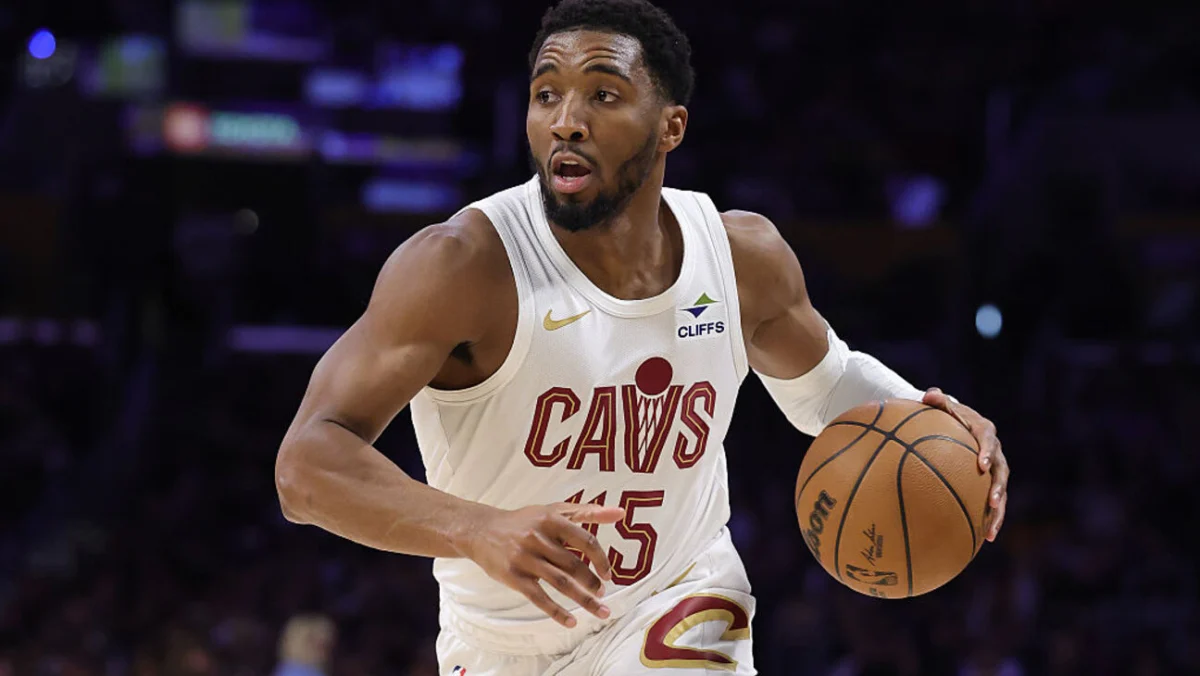
- The NBA and WNBA: A landmark 11-year media rights deal with the NBA, beginning in the 2025-26 season, will see Amazon stream a significant package of regular-season and playoff games. The WNBA inventory for the current season is reportedly already sold out, reflecting a surge in interest in women’s professional basketball.
- NASCAR: A new multi-year deal will bring premier auto racing to the platform, further diversifying the viewer demographic.
- Collegiate and Regional Partnerships: Deals with Duke University and the New York Yankees (via the YES Network) provide localized and high-intent viewership opportunities.
Data-Driven Demographics: Capturing the Younger Viewer
One of Amazon’s most compelling arguments to advertisers is its ability to reach a younger, more elusive demographic that has largely abandoned traditional cable and broadcast television. According to internal data and Nielsen ratings, Prime Video’s sports broadcasts consistently skew younger than their linear counterparts.
Specifically, Thursday Night Football audiences are, on average, seven years younger than those watching the NFL on traditional networks. This trend extends across other sports: Amazon’s NBA coverage is projected to reach an audience nine years younger than linear TV, and even NASCAR, a sport with a traditionally older fan base, sees a five-year age reduction on Prime Video.
For brands, these younger audiences represent a higher lifetime value. Furthermore, Amazon provides a "closed-loop" advertising ecosystem. Unlike a traditional broadcaster that can only estimate the impact of an ad, Amazon can track a viewer’s journey from seeing a 30-second spot during a game to searching for and purchasing that product on the Amazon marketplace. This level of attribution is the "holy grail" for modern marketers.
The "Eventization" of Entertainment and Commerce
Amazon is increasingly leveraging its sports rights to create cultural "moments" that bridge the gap between entertainment and shopping. This strategy will be on full display during the 2024 Thanksgiving week. The company has curated a schedule designed to dominate the American holiday conversation:
- Wednesday: A high-profile collegiate basketball matchup between Duke and UConn.
- Thursday (Thanksgiving): The debut of a major John Madden biopic starring Nicolas Cage, targeting the intersection of sports history and premium cinema.
- Black Friday: The annual "Black Friday Football" game, an event Amazon essentially created to marry the year’s biggest shopping day with the country’s most popular sport. This year, the slate will be bolstered by NBA games as well.
Tanner Elton noted that Black Friday is synonymous with Amazon, and by surrounding that day with exclusive sports and entertainment content, the company creates a unique environment where brands can capture consumers who are already in a "buying mindset."
Expanding the Ecosystem: The Role of Twitch and Shoulder Content
Beyond the live games themselves, Amazon is investing heavily in "shoulder content"—the pre-game shows, post-game analysis, and behind-the-scenes documentaries that build fandom. This is particularly evident in their approach to the WNBA. With the league experiencing a historic surge in popularity, Amazon is using its interactive streaming platform, Twitch, to host watch parties and fan discussions.
This multi-platform approach allows Amazon to offer advertisers a variety of touchpoints. A brand can run a traditional commercial during the game, sponsor a highlights segment on Twitch, and feature a "shippable" ad unit on the Amazon homepage. This integration represents a step change in how sports intellectual property is consumed and monetized.
Industry Implications and the Future of Media
The success of Prime Video’s advertising model has profound implications for the broader media industry. First, it signals the definitive end of the "commercial-free" era of premium streaming. As production costs for high-end content and sports rights continue to climb, the industry has realized that subscription fees alone are insufficient to sustain profitability.
Second, Amazon’s rise puts immense pressure on legacy media companies like Disney, NBCUniversal, and Fox. These companies are now competing for sports rights against a tech giant with deep pockets and a primary business model (e-commerce and cloud computing) that can subsidize its media ambitions. The fact that Prime Video is now profitable "in its own right" suggests that Amazon no longer views video as a loss leader, but as a high-margin revenue stream.
Finally, the shift toward ad-supported streaming on Amazon is likely to accelerate the decline of linear cable television. As more "event" programming moves to platforms that offer better targeting, younger demographics, and direct-to-purchase capabilities, the value proposition of the traditional cable bundle continues to erode.
Conclusion
Amazon’s quiet construction of an advertising juggernaut has reached a turning point. By successfully integrating ads into Prime Video and securing a year-round calendar of premium live sports, the company has created a formidable competitor to the broadcast establishment. With $17.1 billion in quarterly ad revenue and a clear strategy to dominate major cultural moments like Black Friday, Amazon is no longer just an alternative to television—it is redefining what television can be in the digital age. As the company continues to sell out its inventory and expand its content offerings, the line between entertainment, sports, and commerce will continue to blur, solidified by the massive data and logistical infrastructure of the Amazon ecosystem.