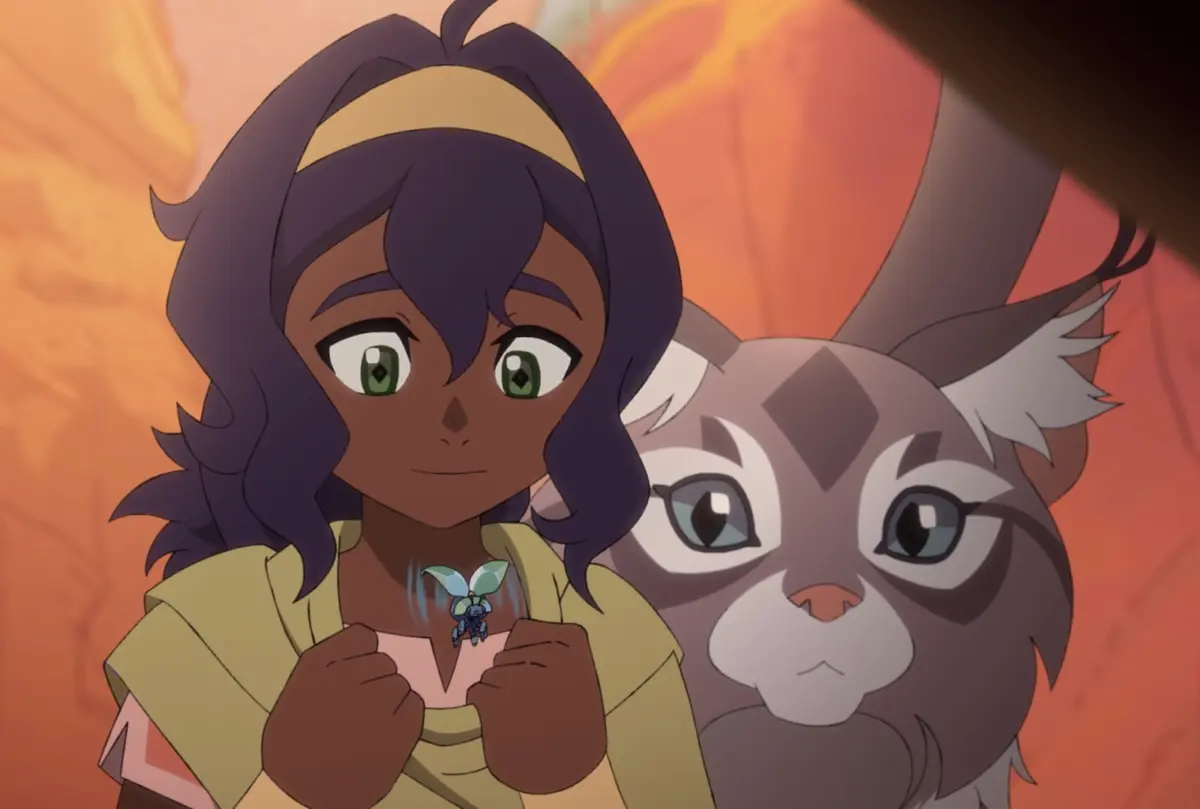
The sprawling, critically acclaimed animated universe born from the creative minds of Michael Dante DiMartino and Bryan Konietzko is set to expand once again with the upcoming premiere of Avatar: Seven Havens. Slated for a formal release on Paramount+ on October 9, 2026, the brand-new series represents the latest chapter in a multi-generational franchise that originated with the cultural phenomenon Avatar: The Last Airbender in 2005. Following the chronological trajectory established by its predecessors—including The Legend of Korra and the theatrical animated feature Avatar Aang: The Last Airbender released earlier this year—Seven Havens will explore an entirely uncharted era in the bending universe. Rather than operating as a standalone, superficial side story, creators DiMartino and Konietzko have designed the 26-episode, two-part series to deeply anchor itself within the overarching mythology and historical timeline of the world they spent over two decades crafting.
Chronology and Franchise Evolution
To understand the placement of Avatar: Seven Havens within the broader continuity, one must look back at the distinct chronological eras defined by the creators. The foundational narrative, Avatar: The Last Airbender, introduced audiences to Aang, the last surviving Air Nomad tasked with restoring balance to a world torn apart by the Hundred Year War. Decades later, The Legend of Korra shifted the paradigm by presenting a more industrialized, 1920s-inspired metropolis known as Republic City, following the adventures of the strong-willed Southern Water Tribe Avatar, Korra.
Seven Havens takes place chronologically after the turbulent events of The Legend of Korra. However, rather than simply moving forward linearly, the narrative bridge between Korra’s era and the world of Seven Havens is characterized by a significant passage of time and veiled historical developments. According to production insights shared by DiMartino, the upcoming series actively engages with the consequences of Korra’s actions, addressing the socio-political and structural shifts that occurred in the undocumented interim between the two shows. This structural approach ensures that long-time fans will recognize the historical lineage while encountering a world fundamentally transformed.
De-Emphasizing Industrialization for a Narrative Mystery
One of the most notable shifts in Seven Havens involves the treatment of advanced technology within the fictional universe. During the broadcast run of The Legend of Korra, the setting underwent a rapid technological revolution, transitioning from steam power to electricity, automobiles, mecha-suits, and early-stage spirit energy weaponry.
However, Seven Havens approaches technological advancement from a retrospective and subdued angle. DiMartino explained in recent interviews that while Korra’s era was defined by a massive technological boom, the new series dials back the hyper-focus on machinery. Instead of showcasing futuristic gadgets, the narrative uses the technology established in previous eras to contextualize the current state of society, illustrating the natural evolution and eventual plateau of industrial innovation in the world.
Crucially, this technological pullback is paired with a distinct tonal shift toward the mysterious. The creative team deliberately structured Seven Havens around a central narrative enigma. While plot specifics remain heavily guarded by Paramount executives and the production crew, the core mystery will drive the narrative forward, connecting historical gaps from the Korra era and setting up the trials faced by the new Avatar.
Aesthetic Philosophy and Miyazaki Inspiration
Visually, Seven Havens maintains a commitment to traditional 2D animation, resisting the industry-wide rush toward fully three-dimensional computer-generated graphics for television animation. This artistic decision is deeply rooted in the aesthetic philosophies that have guided the franchise since its inception.
The artistic direction of Seven Havens draws heavy inspiration from the legendary works of Japanese animator Hayao Miyazaki, specifically referencing masterworks such as Spirited Away and Princess Mononoke. By channeling the ethereal, hand-drawn warmth and environmental grandeur of Studio Ghibli films, DiMartino and Konietzko aim to ground Seven Havens firmly within a fantasy-based framework rather than allowing it to drift into science fiction or overly futuristic aesthetics. This deliberate design choice preserves the mythical and elemental purity that fans associate with the original adventures of Aang and Katara, ensuring that the bending arts remain harmonized with a sprawling, organic natural world.
Production Details and Distribution Strategy
The logistical rollout for Avatar: Seven Havens reflects the high-value status of the intellectual property within Paramount’s streaming ecosystem. The series has been greenlit for a substantial episode order comprising 26 half-hour chapters. To maximize viewer retention and narrative pacing, the complete season will be divided into two distinct parts, a distribution strategy increasingly favored by major streaming platforms for serialized animated content.
Paramount+ has positioned the October 9, 2026 premiere as a cornerstone event for its autumn television slate. The expansive episode count allows the writing room ample narrative real estate to develop complex character arcs, build out the lore of the titular "seven havens," and thoroughly explore the societal misunderstandings surrounding the new protagonist.
Character Dynamics and the Burden of the Avatar
At the center of Seven Havens is a new Avatar who must shoulder the immense psychological and political responsibilities of the role under uniquely challenging circumstances. Unlike previous incarnations who often enjoyed public reverence or established mentorship networks early in their journeys, the protagonist of Seven Havens faces systemic skepticism.
According to preliminary creative briefings, a major thematic pillar of the series involves public misunderstanding. The new Avatar must navigate a world where societal perceptions of her identity and duties are skewed, forcing her to earn the trust of populations that may view her powers with suspicion or fear. This internal and external conflict provides a mature character study, aligning with the franchise’s historical willingness to tackle complex themes such as identity, duty, systemic prejudice, and the heavy toll of maintaining global equilibrium.
Broader Industry Implications and Franchise Longevity
The launch of Avatar: Seven Havens underscores the enduring commercial and artistic viability of the Avatar universe, affectionately termed the Avatarverse by its dedicated fanbase. Following the successful establishment of Avatar Studios—a division formed by Nickelodeon specifically to create original animated series, movies, and spin-offs within the franchise—the universe has transitioned from a sporadic television property into a continuously expanding multimedia empire.
The decision to release Seven Havens close on the heels of the animated feature film Avatar Aang: The Last Airbender demonstrates a coordinated content strategy by Paramount and Nickelodeon. By simultaneously servicing theatrical audiences with nostalgia-driven storytelling and streaming audiences with forward-looking narrative expansions, the studio is effectively capturing multi-generational demographics. Parents who grew up watching Aang in 2005 are now streaming these new iterations alongside a younger generation of viewers, cementing the franchise’s status as a generational touchstone akin to major sci-fi and fantasy properties like Star Wars or Star Trek.
As the October 9, 2026 premiere date approaches, anticipation among animation enthusiasts continues to build. With a proven creative team at the helm, a commitment to classic 2D artistry, and a narrative scope designed to honor the past while charting bold new territory, Avatar: Seven Havens is poised to redefine expectations for modern serialized animation and secure the legacy of the Avatar mantle for years to come.