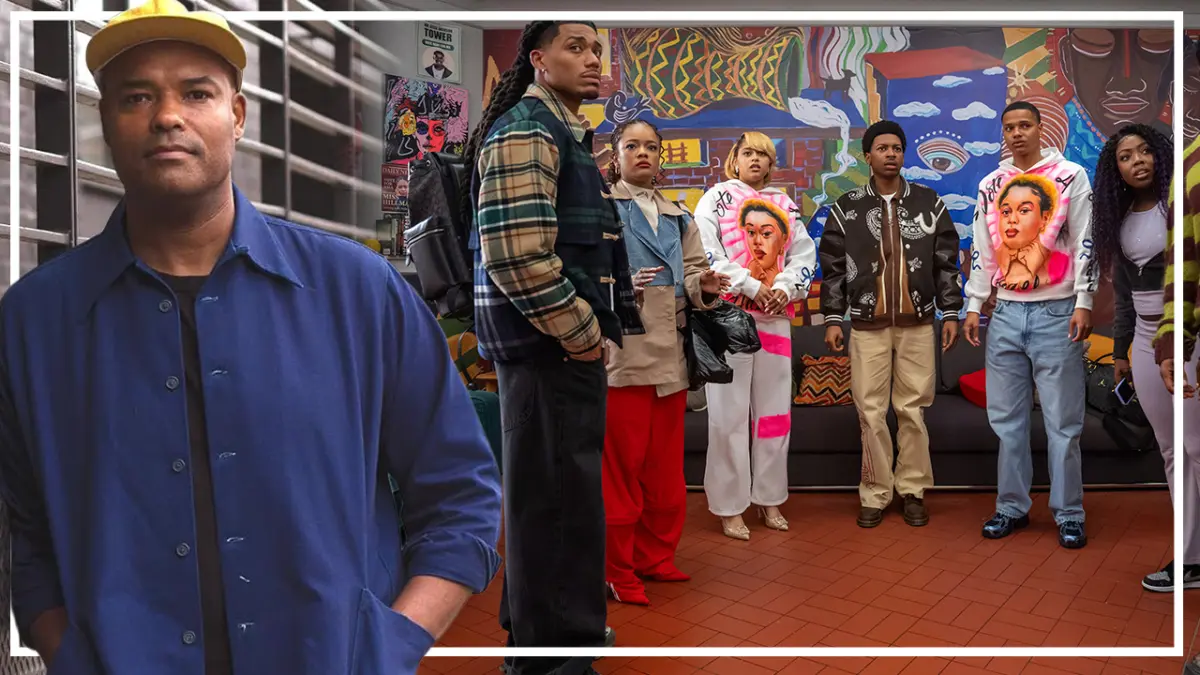
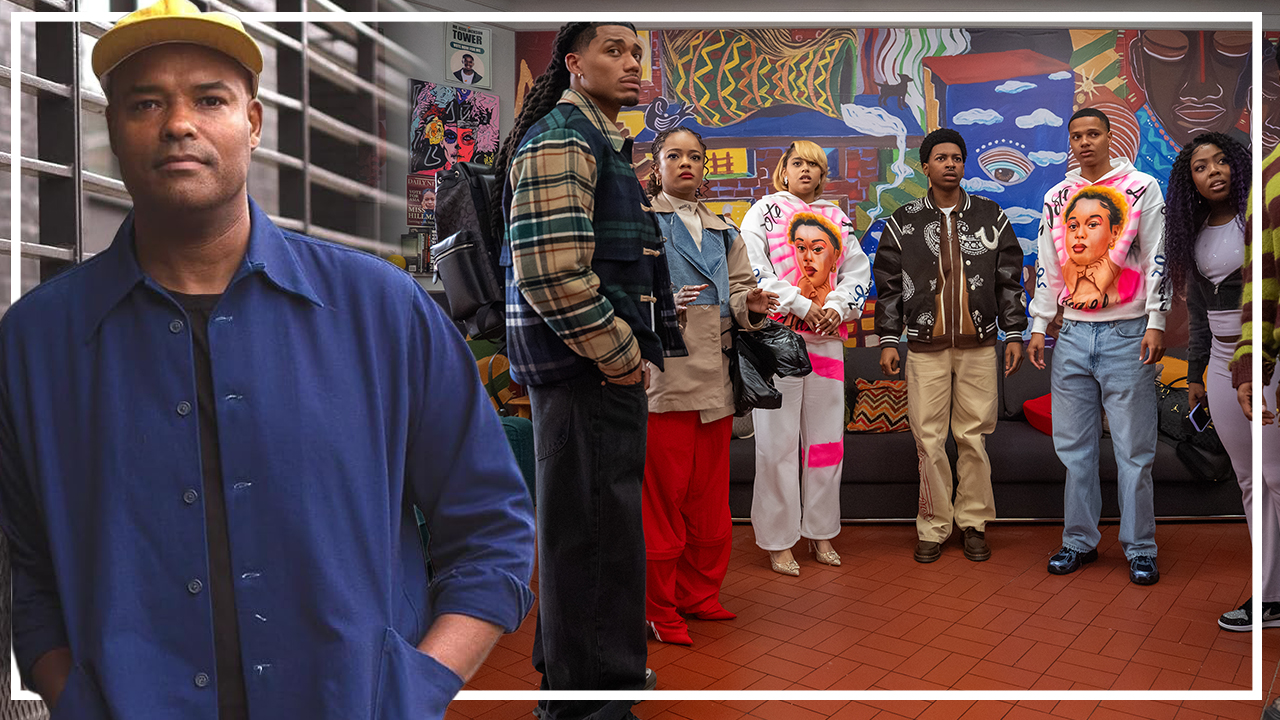
The modern landscape of television production demands an unprecedented synthesis of technical precision, rapid adaptability, and profound interpersonal intelligence. As streaming platforms and premium networks continuously raise the cinematic bar for episodic storytelling, the role of the cinematographer has evolved far beyond traditional camera operation. Nowhere is this dynamic more apparent than in the meticulous visual world of the upcoming collegiate drama reboot, A Different World. Set once again on the iconic fictional campus of Hillman College, the series breathes fresh life into a beloved television universe while completely reimagining its visual grammar. In a recent interview, celebrated cinematographer and still photographer Shawn Peters sat down to discuss the intricate creative decisions, technical hurdles, and philosophical approaches that went into capturing the authentic, charismatic ensemble at the heart of the production.
Creative Vision and the Transition from Multi-Cam to Single-Cam
Reviving a classic television property comes with inherent expectations, yet Peters and the creative team deliberately distanced themselves from the traditional constraints of the original 1980s sitcom format. Rather than relying on standard television setups, the production chose to lean heavily into a naturalistic aesthetic inspired by cinematic touchstones such as Spike Lee’s School Daze. This transition involved shifting from a traditional multi-camera setup to a modern single-camera configuration, a choice that fundamentally alters how space, time, and performance are perceived by the audience.
However, shooting a half-hour television format with the visual ambition of a feature film introduces significant logistical friction. Peters noted that initial cuts of episodes frequently ran between forty-five minutes and an hour due to the utilization of longer takes and continuous, unbroken shots designed to establish a genuine film style. When standard television runtime requirements necessitated trimming these sequences down to the mandatory half-hour window, intricate camera movements and directorial intentions were occasionally compromised. Peters acknowledges this editorial reality as an inevitable compromise of serialized television, yet he remains unapologetic about his overarching visual philosophy, which prioritizes emotional resonance and human imperfection over sterile technical perfection. Rather than obsessing over hyper-focused sterility, Peters embraces what he describes as "human residue"—occasional subtle shifts in focus that preserve the organic energy of a live performance rather than detracting from it.
Spatial Awareness and Commercial Production Training
The ability to translate complex visual narratives onto the screen under strict production deadlines is a skill forged through years of rigorous experience. Peters attributes much of his on-set efficiency to his extensive background in shooting television commercials—a medium notoriously fast-paced and unforgiving. In commercial production, cinematographers are frequently introduced to unfamiliar locations mere hours before technical scouts, requiring instant spatial evaluation and rapid-fire lighting decisions alongside grips and gaffers.
This high-pressure training ground equips Peters to navigate the fast-moving schedules of modern streaming and television production with absolute confidence. When preparing for an episode of A Different World, Peters avoids the conventional approach of shot-listing in a sterile production office. Instead, whenever sets are fully constructed, he collaborates directly with the director on the physical soundstage. By evaluating the space spatially, Peters can immediately determine natural light sources and conceptualize precise lighting diagrams that complement the actors’ movements. This hands-on preparation ensures that technical execution seamlessly aligns with narrative progression, allowing the camera to function as an active participant in the storytelling process rather than a passive observer.
The Influence of Still Photography on Moving Images
Peters’ artistic foundation is deeply rooted in still photography, a discipline that continues to inform every frame he captures on screen. Operating exclusively on film for his still work has instilled in him a strict sense of intentionality, driven by the inherent financial and material costs associated with film processing. This selective methodology directly influences his approach to cinematic portraiture and actor framing.

While novels rely on prose and theater relies on staging, cinema is fundamentally defined by the insertion of the camera. Peters views the camera as the transformative element that elevates dramatic performance into a distinct visual medium. When lighting an actor’s face, every decision regarding key lights, fill, and catchlights is executed with meditative precision. Drawing inspiration from legendary cinematographers like Harris Savides—notably referencing the subtle, naturalistic lighting and intense eye reflections in the psychological drama Birth—Peters utilizes catchlights to communicate psychological states. Whether creating soft, open reflections to convey vulnerability or introducing sharper, high-angle lighting to suggest judgment or secrecy, Peters treats the human eye as an essential narrative instrument. Because audiences have spent their entire lives subconsciously analyzing human facial expressions and body language, capturing subtle emotional shifts with absolute authenticity is paramount, particularly when operating in close proximity to the actors.
Navigating Skin Tones and Combating Industry Double Standards
One of the most delicate challenges in modern cinematography is ensuring that an entire cast is represented with dignity, beauty, and emotional truth. For A Different World, which features a vibrant ensemble of young actors, striking the optimal balance between naturalism and graphic beauty was a primary objective. Peters was particularly mindful of the technical requirements needed to honor diverse skin tones authentically.
To achieve this, Peters incorporated specialized filtration techniques, utilizing subtle chocolate filters—often in half or quarter strengths—to enrich the mid-tones and enhance brown skin without casting an unnatural, artificial warmth onto the surrounding environment. This meticulous attention to detail extends beyond technical parameters into emotional reassurance. Acknowledging the brutal nature of modern internet culture and the disproportionate scrutiny faced by young performers—particularly women navigating the entertainment industry—Peters sought to create an environment where actors felt secure in their appearance. He noted ongoing public conversations and unfair societal double standards surrounding the aging process of veteran performers like Jasmine Guy, emphasizing that cinematographers carry a responsibility to mitigate these pressures through compassionate, flattering, yet grounded lighting techniques.
The Philosophy of Leadership: Kindness as a Technical Requirement

Despite the heavily technical nature of camera work, lighting diagrams, and focal lengths, Peters posits that ninety percent of successful cinematography relies on interpersonal intelligence and emotional empathy. True leadership on a film set begins with the cultivation of a safe, collaborative environment. From the first day of production, Peters establishes a strict zero-tolerance policy regarding harassment, cruelty, or hostility of any kind, demanding an institutional ethos of kindness from his entire crew.
This leadership philosophy directly impacts the final product on screen. When a crew operates free from the fear and survival mode induced by screaming or unprofessional behavior, morale remains high, and crew members are empowered to make bold creative choices. Furthermore, this atmosphere of psychological safety extends to the cast. By fostering warmth and mutual trust, Peters can seamlessly collaborate with directors to offer gentle performance suggestions, ensuring that actors feel protected and valued in front of the lens. In Peters’ view, filmmaking is fundamentally an exercise in relationship-building, requiring the same level of care, respect, and emotional investment as any meaningful human connection.