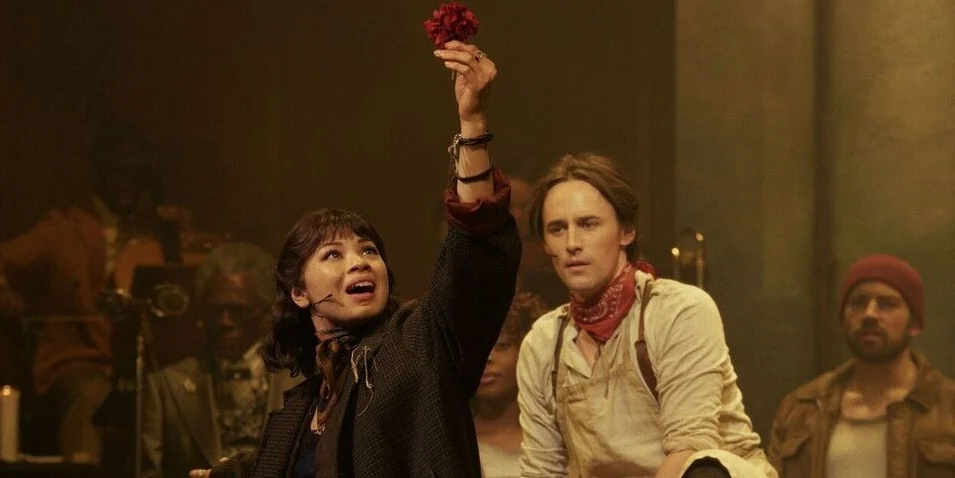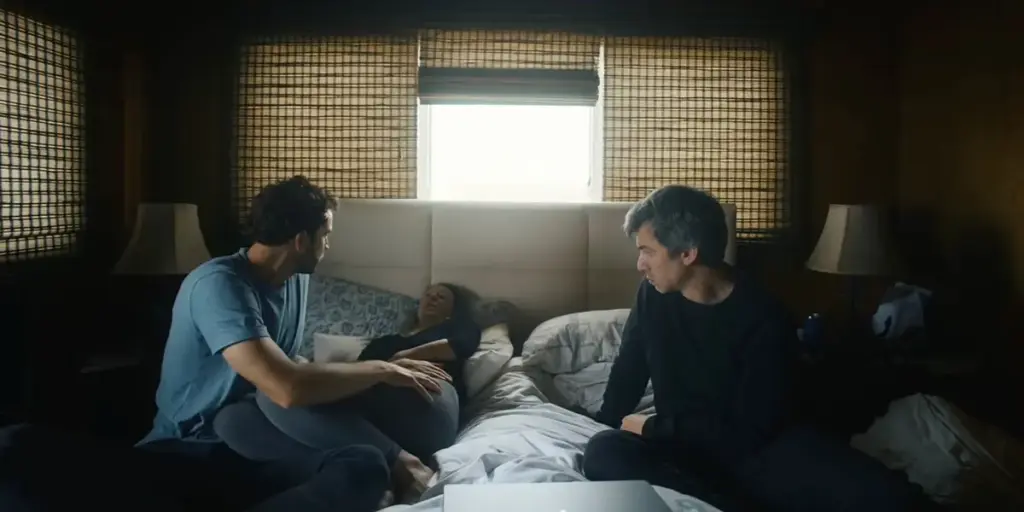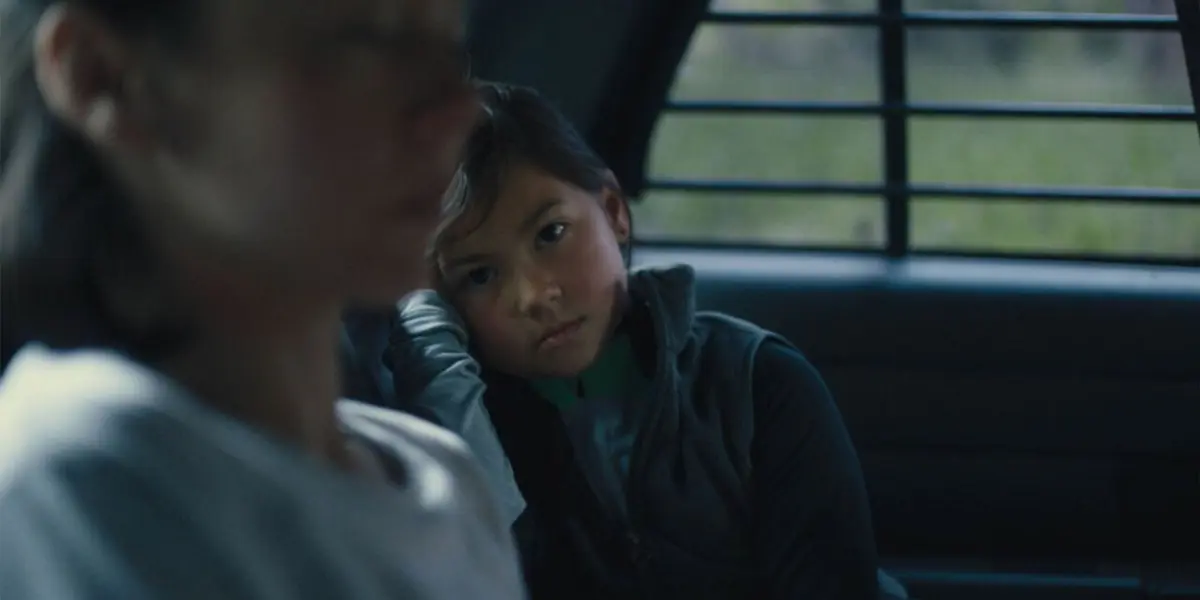
The 2026 cinematic landscape has been profoundly shaped by the emergence of high-stakes, psychologically intense thrillers, none more commanding than Josephine. Written, directed, and produced by visionary filmmaker Beth de Araujo, the American thriller-drama has rapidly ascended from an independent festival darling to one of the most critically revered and culturally discussed motion pictures of the year. Starring a powerhouse ensemble cast that includes Channing Tatum, Gemma Chan, Mason Reeves, Philip Ettinger, and Syra McCarthy, the narrative zeroes in on the delicate and fracturing psyche of an eight-year-old child named Josephine, portrayed with haunting authenticity by Reeves.
The story takes root against the atmospheric yet unforgiving backdrop of San Francisco, specifically within the sprawling, verdant expanse of Golden Gate Park. It is here that young Josephine inadvertently witnesses a brutal, life-altering assault. Rather than serving merely as a catalyst for a conventional crime procedural, the incident detonates deeply within the child’s internal world, sparking an unrelenting cascade of fear, profound paranoia, and hyper-vigilance. As Josephine navigates the bewildering aftermath of trauma, the film carefully deconstructs how violence reverberates across generations and forces families to confront the hidden vulnerabilities of urban existence. Released nationwide by Sumerian Pictures, Josephine is currently dominating box offices and drawing audiences into theaters to experience its white-knuckle tension and emotional resonance.
Festival Circuit Triumph and Global Acclaim
The journey of Josephine from script to screen is defined by an unprecedented wave of critical validation, beginning on the snowy peaks of Utah and extending across the Atlantic to the cultural epicenters of Europe. The film earned its highly coveted world premiere in the U.S. Dramatic Competition at the 2026 Sundance Film Festival, a platform historically known for launching the careers of America’s most daring independent auteurs.
At Sundance, Josephine achieved a rare and prestigious sweep, capturing both the Grand Jury Prize for Dramatic Feature and the Audience Award. This dual victory signaled immediate consensus among critics and general audiences alike, establishing de Araujo’s sophomore feature as an artistic triumph of the highest order. The jury praised the film’s uncompromising tension, visceral sound design, and the remarkable sensitivity with which it handles childhood trauma.
Following its domestic coronation, the production crossed international waters for its European premiere in competition at the 76th Berlin International Film Festival. Competing for the esteemed Golden Bear, Josephine captivated international critics, who lauded its universal themes of safety, community breakdown, and psychological endurance. The Berlin screening further cemented the film’s status as a global cinematic event, broadening its appeal far beyond North American audiences and positioning it as an early frontrunner in the international awards conversation.
Behind the Lens: Beth de Araujo on Art and Personal History
In an exclusive discussion with the creative team behind the film, writer, director, and producer Beth de Araujo opened up about the deeply personal origins of Josephine. Known for her razor-sharp command of tension and societal anxiety—traits prominently displayed in her breakout feature work—de Araujo approached this project as an exploration of how human beings process terror.
During the in-depth interview, the filmmaker reflected on the grueling yet rewarding process of translating personal and collective trauma into a narrative art form. "When you experience or witness violence, especially at a formative age, the architecture of your reality shifts permanently," de Araujo explained during the discussion. "With Josephine, I didn’t want to shy away from the ugliness of that shift, but I also wanted to honor the resilience required to simply wake up the next day and walk back into the world."
The production itself demanded immense emotional and physical endurance from its cast and crew. Channing Tatum and Gemma Chan, playing pivotal supporting roles that anchor the narrative’s emotional core, delivered restrained yet devastating performances. Meanwhile, young breakout star Mason Reeves carried the monumental weight of the film on their shoulders, guided by de Araujo’s famously meticulous direction and empathetic onset environment. The collaboration between veteran Hollywood talent and raw, undiscovered youth created an electric dynamic that translates palpably onto the screen, earning widespread acclaim for the film’s ensemble work.
Chronology of a Phenomenon
The timeline of Josephine reflects a carefully calculated distribution and festival strategy that maximized both critical pedigree and commercial momentum. The trajectory of the project highlights the increasing viability of provocative, mid-budget independent dramas in the modern theatrical marketplace.
- Early 2025: Principal photography wraps in Northern California, utilizing authentic locations across San Francisco, including extensive night shoots within Golden Gate Park to capture the eerie, atmospheric isolation required for the narrative.
- January 2026: Josephine secures a slot in the U.S. Dramatic Competition at the Sundance Film Festival, where industry insiders immediately identify it as a major acquisition target.
- Late January 2026: The film wins both the Grand Jury Prize and the Audience Award at Sundance, instantly elevating its profile and sparking a bidding war among major independent distributors.
- February 2026: Sumerian Pictures officially acquires North American distribution rights, setting an aggressive theatrical rollout strategy. Concurrently, the film travels to Europe for its international premiere in competition for the Golden Bear at the 76th Berlin International Film Festival.
- March 2026: Josephine opens in commercial theaters nationwide, supported by glowing word-of-mouth praise and robust box office returns that defy conventional wisdom regarding original thriller-dramas.
- Spring 2026: Director Beth de Araujo embarks on a comprehensive media tour, participating in high-profile industry panels, podcasts, and retrospectives to discuss the film’s thematic underpinnings and production challenges.
Data and Box Office Performance
The commercial performance of Josephine serves as a compelling case study for the resurgence of adult-skewing, intellectually challenging theatrical releases. Opening against a saturated marketplace dominated by franchise blockbusters and intellectual property revivals, the Sumerian Pictures release outperformed initial tracking estimates during its opening weekend.
Industry analysts note that word-of-mouth marketing—supercharged by the film’s historic double-win at Sundance—played a pivotal role in driving ticket sales. Demographic data from opening week indicates a remarkably diverse audience, drawing both younger film enthusiasts eager for elevated genre fare and older arthouse patrons seeking substantial dramatic narratives. Furthermore, the film’s retention rate heading into its second and third weeks in theaters suggests strong legs, driven heavily by repeat viewings from audiences eager to dissect the film’s complex psychological framing and masterclass pacing.
The financial success of Josephine reinforces a growing industry trend: audiences are increasingly willing to support original, non-franchise storytelling provided the artistic execution is uncompromising. With international theatrical rollouts scheduled throughout the remainder of the year, the film’s global cumulative box office is projected to far exceed initial production expenditures, ensuring profitability for its financiers and validating the commercial viability of auteur-driven thrillers.
Broader Industry Implications and Cultural Impact
Beyond its box office receipts and festival accolades, Josephine has ignited crucial cultural conversations regarding public safety, urban architecture, and the psychological health of children living in an era of heightened visibility and constant media exposure. By centering the narrative on an eight-year-old protagonist, de Araujo forces viewers to confront how societal violence trickles down into domestic spaces, dismantling the illusion of safety within family units.
Cultural critics have drawn parallels between the film’s thematic obsessions and the broader sociological shifts defining the mid-2020s. In an age marked by widespread anxiety, political polarization, and urban decay narratives, Josephine functions as a dark mirror reflecting collective fears. The film avoids easy moralizing or simplistic resolutions, opting instead for an ambiguous, haunting finality that lingers with the audience long after the credits roll.
For the career of Beth de Araujo, Josephine solidifies her status as one of the most vital and distinct voices in modern American cinema. Her ability to merge high-concept genre mechanics with profound social commentary places her in the vanguard of a new generation of filmmakers reshaping Hollywood’s creative parameters. As the awards season conversation begins to take shape later this year, industry prognosticators universally agree that Josephine will remain a towering benchmark of 2026 cinema—a work of art that refuses to compromise, comforts the disturbed, and disturbs the comfortable.