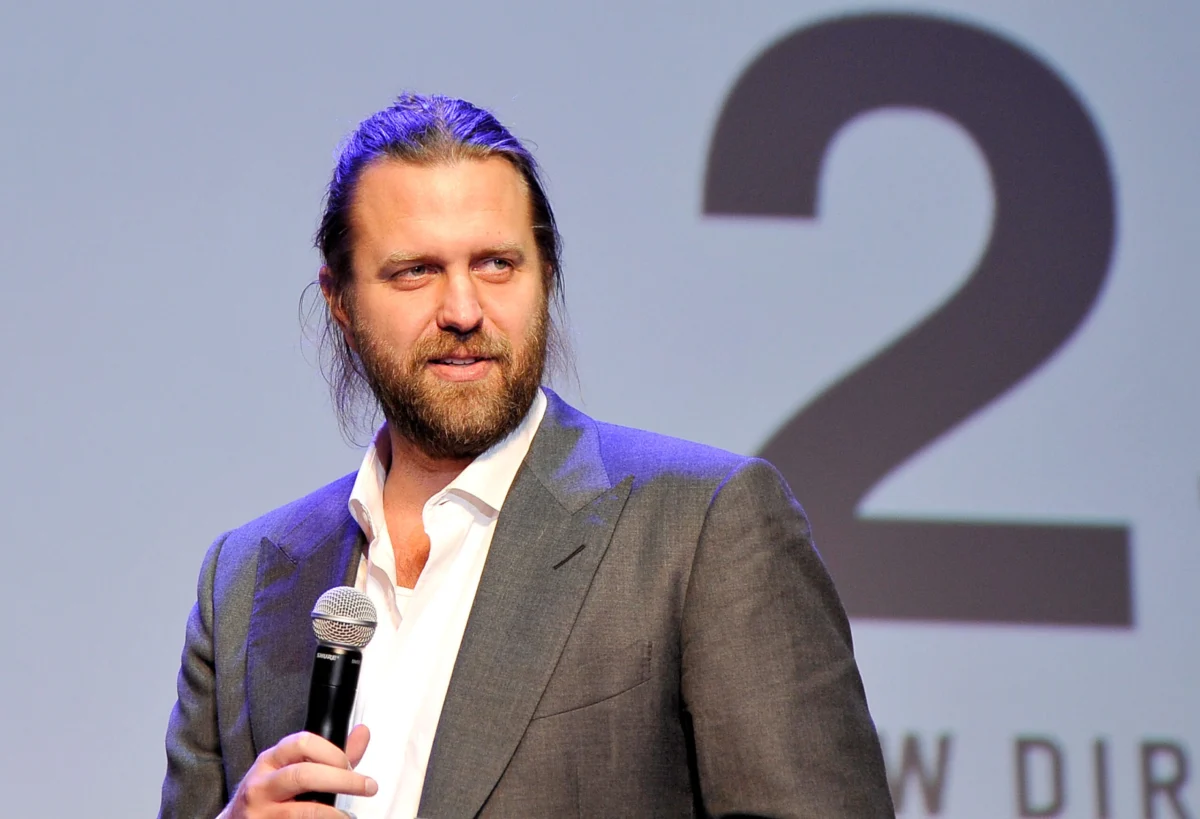
Carl Erik Rinsch, the filmmaker best known for directing the 2013 big-budget film 47 Ronin, was sentenced on Monday to 30 months in federal prison for defrauding the streaming giant Netflix out of $11 million. The sentencing, handed down by U.S. District Judge Jed Rakoff in a Manhattan federal court, follows a high-profile legal battle that exposed the misuse of production funds intended for a science-fiction series titled White Horse. In addition to the prison term, Rinsch was ordered to serve three years of supervised release and to pay full restitution of $11 million to Netflix. The case highlights a significant breach of trust between a major studio and a creative director, serving as a cautionary tale for the entertainment industry’s "blank check" era of content acquisition.
The Verdict and Judicial Reasoning
The sentencing follows a conviction by a Manhattan jury last year, which found Rinsch guilty of wire fraud, money laundering, and multiple counts related to engaging in illegal monetary transactions. The core of the criminal activity involved Rinsch diverting funds that had been strictly earmarked for the development and production of his ambitious sci-fi project. Instead of utilizing the capital to pay cast, crew, and production costs, Rinsch funneled the money into high-risk securities and cryptocurrency trades.
While the charges carried a statutory maximum sentence of 90 years, federal prosecutors had recommended a more modest 60-month term. Judge Rakoff ultimately opted for a 30-month sentence, citing evidence of Rinsch’s deteriorating mental health as a mitigating factor. During the hearing, Rakoff noted that Rinsch’s actions were characterized by a persistent pattern of deception, including lying to Netflix executives to secure additional payments and laundering the proceeds to conceal his financial maneuvers. "He was determined to lie to get substantial moneys from Netflix, cover it up through money laundering and lies," Rakoff stated. However, the judge also acknowledged that "improper medication" and an untreated mental health condition likely influenced Rinsch’s judgment during the period in question.
A Chronology of Mismanaged Ambition
The trajectory of the White Horse project, originally titled Conquest, provides essential context for the eventual criminal charges. The project began in 2018 during a period of intense competition between streaming platforms, as Netflix, Amazon, and Apple vied for original intellectual property. Rinsch, despite the commercial failure of 47 Ronin, managed to pitch a high-concept series about artificial humans. Netflix, eager to secure the rights, entered into a deal that granted Rinsch significant creative autonomy and substantial upfront funding.
By 2019, the relationship began to sour. Although Netflix had provided millions of dollars in production capital, Rinsch failed to meet established milestones. Internal communications and court testimony revealed that Rinsch began exhibiting erratic behavior, leading to concerns among his staff and family members. By late 2019, Rinsch requested additional funds, claiming they were necessary to complete the series. Netflix provided a further $11 million, which Rinsch subsequently diverted to his personal brokerage accounts.
In 2020, as the global pandemic halted traditional production, Rinsch’s financial activities accelerated. Court records show he lost approximately $4 million in the stock market betting on pharmaceutical companies and other volatile equities. He then shifted his focus to cryptocurrency, specifically Dogecoin, where he reportedly turned a $2 million investment into a windfall of over $20 million. Rather than returning the original $11 million to Netflix or using the profits to finish the series, Rinsch embarked on a luxury spending spree, purchasing five Rolls-Royces, a Ferrari, and high-end watches.
Financial Misconduct and the Misuse of Production Capital
The prosecution’s case centered on the specific mechanisms Rinsch used to defraud the streaming service. Wire fraud charges were supported by evidence that Rinsch misrepresented the status of the production to trigger contractually obligated payments. Once the funds were received, the money laundering charges stemmed from the movement of those funds through various accounts to obscure their origin and intended purpose.
The $11 million in restitution reflects the specific amount Netflix provided in the final funding round that was entirely misappropriated. Prosecutors argued that Rinsch’s actions were not merely the result of a creative project going over budget, but a calculated effort to treat a corporate production budget as a personal hedge fund. U.S. Attorney Jay Claton emphasized the importance of the sentence in maintaining the integrity of business transactions within the creative economy. "Today’s sentence sends a deterrent message: fraud will not be tolerated," Claton said in a post-sentencing statement.
The Mental Health Defense and Character Testimonials
One of the most complex aspects of the sentencing hearing was the introduction of evidence regarding Rinsch’s mental state. Several individuals close to the director submitted letters to the court, describing a "break from reality" that coincided with the misuse of funds. Daniel Rinsch, the director’s brother, detailed a shift in Carl’s communication style, noting that his emails had become "strange and troubling" and suggested a loss of clear reasoning by the end of 2019.
Jesse Warfield, Rinsch’s former assistant, provided testimony that the director’s behavior was not typical of Hollywood eccentricity but rather a clinical psychological episode. This sentiment was echoed by screenwriter Mike Seid, who recounted instances where Rinsch claimed to have solved the COVID-19 pandemic through divine communication.
Perhaps the most notable character reference came from actor Keanu Reeves, who had worked closely with Rinsch on 47 Ronin. Reeves, writing as an "artistic peer and a friend," urged the court to consider Rinsch’s tendency toward "self-sabotage." Reeves noted that Rinsch often amplified the scale of his projects to a degree that made them impossible to execute, ultimately placing himself at odds with his financial backers. These testimonials played a pivotal role in Judge Rakoff’s decision to issue a sentence below the federal guidelines, focusing on the need for psychiatric care alongside incarceration.
The Legal Battle and Arbitration Outcomes
The criminal sentencing is the culmination of years of litigation. Before federal charges were filed, Rinsch and Netflix engaged in a bitter arbitration process. Rinsch had sued Netflix for breach of contract, claiming the company owed him an additional $14 million in "success fees" and production payments. He argued that Netflix had unfairly pulled the plug on White Horse and that he was entitled to the remaining balance of his contract.
Netflix counter-sued, alleging that Rinsch had breached his fiduciary duties and failed to deliver a single episode of the series. Last year, an arbitrator ruled decisively in favor of Netflix, dismissing Rinsch’s claims and confirming that the director had failed to meet his contractual obligations. Following the arbitration loss, Netflix began efforts to recover more than $4.4 million in legal fees incurred during the dispute, a figure that is separate from the $11 million in restitution ordered in the criminal case.
Industry Implications and the Future of Creator Accountability
The Rinsch case serves as a landmark moment for the entertainment industry, particularly for the streaming sector which has historically been criticized for its "spend-first, ask-questions-later" approach to content. During the peak of the "streaming wars," platforms frequently handed out massive development deals to directors based on past potential rather than proven reliability. The Rinsch saga is likely to lead to more stringent oversight and tighter fiscal controls on independent production deals.
Industry analysts suggest that the "White Horse" incident has already influenced how studios structure their disbursements. Rather than providing large tranches of capital upfront, companies are moving toward milestone-based funding models with more frequent audits. Furthermore, the case underscores the importance of due diligence regarding the mental health and stability of key creative personnel entrusted with tens of millions of dollars.
The 30-month sentence for Carl Erik Rinsch marks the end of a tumultuous chapter that saw a promising directorial career collapse into financial crime. While the court acknowledged the role of mental illness, the final judgment reinforces the principle that creative autonomy does not grant immunity from the legal requirements of corporate contracts. As Rinsch prepares to begin his prison term, the $11 million restitution order remains a stark reminder of the costs of financial deception in the modern Hollywood landscape.