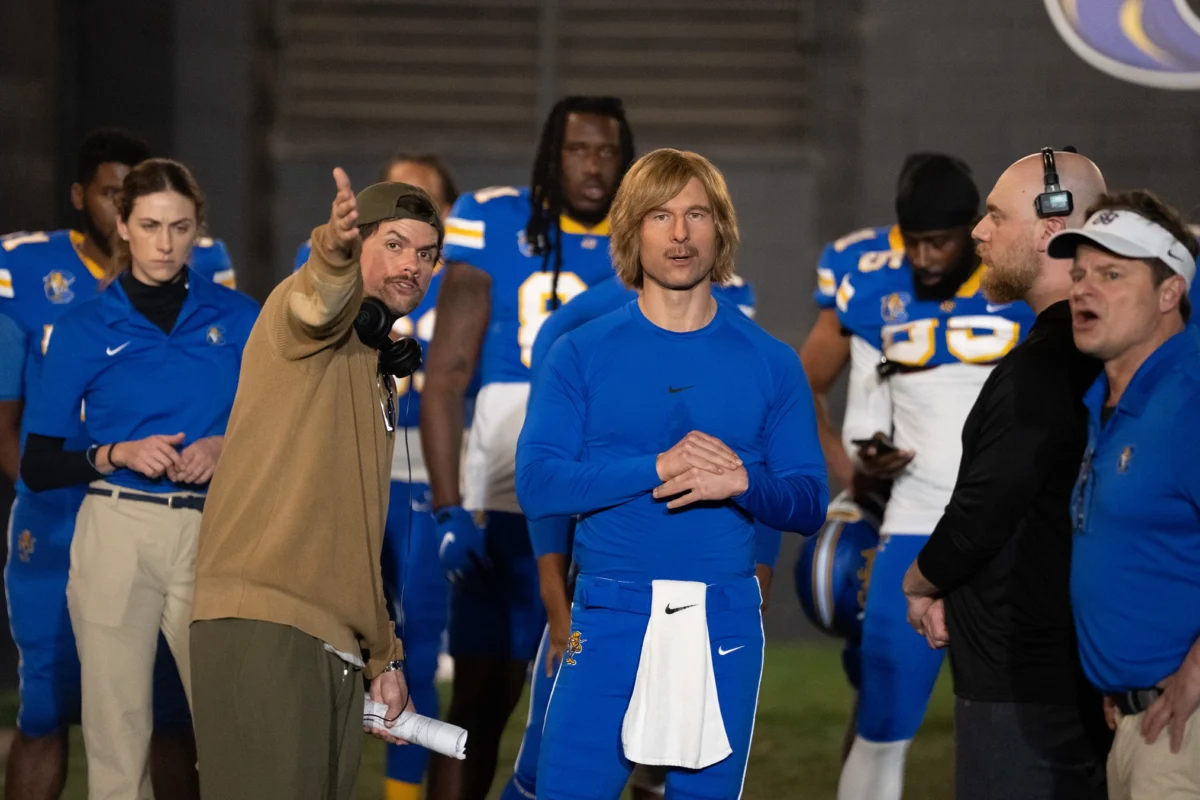
The conclusion of the second season of the Hulu original series Chad Powers has left audiences and critics alike questioning the trajectory of its central protagonist, Russ Holliday. Created by Michael Waldron and starring Glen Powell, the series—which centers on the high-stakes, absurd premise of a quarterback living a double life—has shifted from a lighthearted sports comedy into a more complex exploration of identity, professional risk, and emotional entanglement. As the show concludes its six-episode sophomore run, the narrative has reached a critical juncture, with major character arcs converging on a moment of potential ruin.
The series, which follows the exploits of Russ Holliday as he maintains the facade of the alter-ego Chad Powers, has consistently utilized the backdrop of collegiate athletics to frame its central conflict. While the show has not yet received an official renewal for a third season from Hulu, the production team has maintained a long-term roadmap that envisions the story spanning three chapters. This structure aligns with the creative team’s goal of documenting the evolution of a single, albeit chaotic, college football season, with the potential for further expansion should the narrative demand it.
The Chronology of a Deception
The narrative progression of Season 2 was marked by a distinct escalation in both tone and visual aesthetic. Under the guidance of director Michael Waldron and cinematographer Isaac Bauman—who previously collaborated on the second season of Marvel’s Loki—the production adopted a more serious, cinematic look. This stylistic pivot was intentional, designed to mirror the increasing pressure felt by the characters.
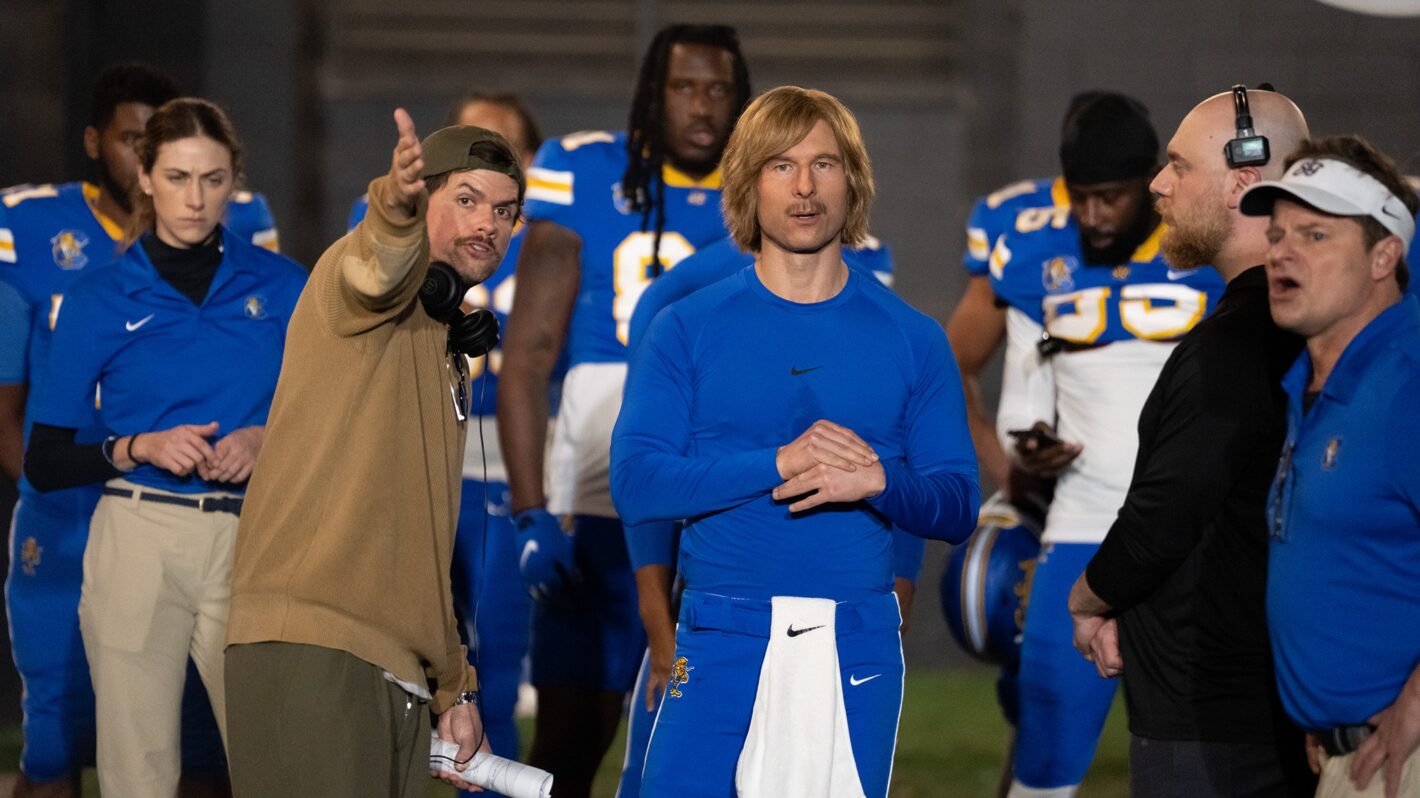
Throughout the season, Russ Holliday’s secret identity faced persistent threats. The plot trajectory followed a clear path of mounting anxiety:
- The Breach of Trust: Early in the season, the fragile professional dynamic between Russ and coach Ricky (played by Perry Mattfeld) was compromised, forcing Russ to navigate a delicate path to regain her confidence.
- The Blackmail Arc: The introduction of backup quarterback Gerry (Colton Ryan) as an antagonist added a layer of systemic risk, leading to an uneasy alliance with wealthy booster Tricia (Wynn Everett) to safeguard the truth.
- The Climax: The season concluded with a pivotal scene in a university laundry room. In a moment of vulnerability, Coach Hudson—the father of Ricky—witnessed a clandestine encounter between his daughter and Chad, just as the prosthetic mask defining the character was being removed. This cliffhanger serves as the primary catalyst for the uncertainty surrounding a potential third season.
Cinematic Evolution and Artistic Intent
The decision to transition the show into a "thriller-adjacent" aesthetic was not merely a visual choice but a narrative necessity. By elevating the cinematography and treating the absurd premise with the gravity of a serious drama, the creators aimed to ground the emotional stakes of the series. According to Waldron, the goal was to capitalize on a modern television trend where audiences are increasingly receptive to dissonant genres—shows that balance intense, high-stakes drama with inherent comedic absurdity.
This strategy mirrors the success of other recent hybrid-genre series, where the "elevated" look of the production acts as an invitation for the audience to invest more deeply in the characters’ plight. The production team intentionally utilized the architecture of Georgia State Stadium to create a "Catfish blue" aesthetic, a technical feat that required precise coordination between the lighting department and the actors during the finale’s most intimate sequences. Notably, the production captured a sequence in the rain that, while visually striking and emotionally resonant, remains outside the final canon of the episode, serving as a testament to the high production values invested in the season’s resolution.
Character Dynamics and Thematic Depth
The core of Chad Powers has always been the isolation of the protagonist. Russ Holliday, a man defined by his performance for others, finds his only authentic connections through Danny (Frankie A. Rodriguez) and, eventually, Ricky. These relationships function as the moral compass of the series. Danny represents the "reality TV" savvy perspective, viewing the absurdity of the situation with a level of evolution that mirrors the audience’s own engagement with the show.
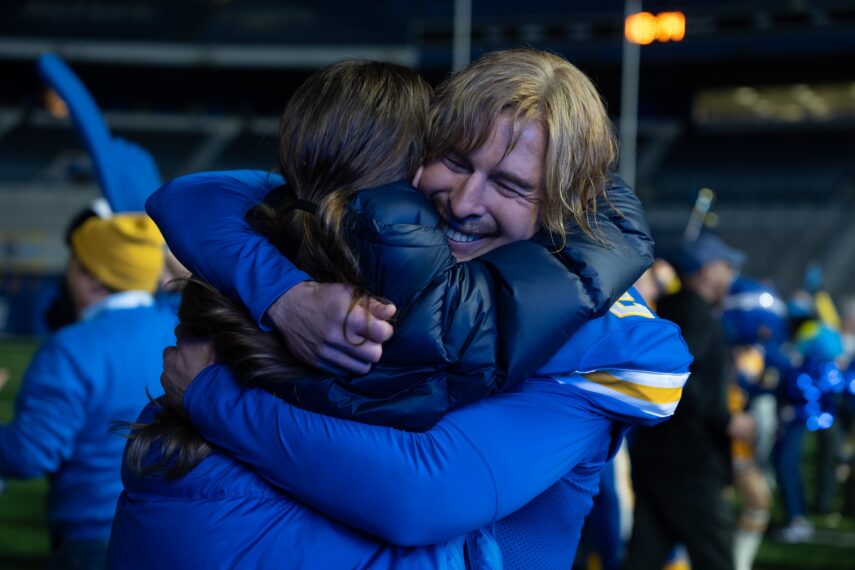
Ricky’s character arc, however, provides the emotional stakes. Her decision to embrace her feelings for Russ is portrayed not as a sudden romantic impulse, but as a culmination of the shared professional "caper" they have been orchestrating. Her confession—"I am incriminated"—serves as a pivotal admission that her motivations have shifted from professional ambition to personal attachment. This raises significant questions for any potential follow-up season: specifically, whether Ricky will prioritize her new coaching offer at Syracuse or remain entangled in the risks associated with Russ’s ongoing masquerade.
Statistical Context and Industry Reception
While specific viewership metrics for the second season remain proprietary to Hulu, the series has consistently performed as a tentpole project for the platform. The show’s production budget, bolstered by the star power of Glen Powell and the creative oversight of Michael Waldron, positions it as a significant asset in Hulu’s comedy catalog. Industry analysts suggest that the "three-season plan" mentioned by the creators is a common strategy in modern episodic television, allowing for a tight, narrative-driven arc that avoids the common pitfalls of serial stagnation.
The inclusion of an ensemble cast—including Steve Zahn and Quentin Plair—further underscores the production’s commitment to building a sustainable ecosystem of characters. The interplay between these actors has been cited as a primary reason for the show’s critical reception, with the chemistry between Powell and Mattfeld serving as the emotional anchor for the series’ more dramatic shifts.
Broader Implications for Season 3
If the series is renewed, the creative team faces the challenge of maintaining the "happy ending" established in the Season 2 finale while addressing the catastrophic exposure of Russ’s identity. The narrative "deck" is significantly stacked against the protagonists, and the producers have acknowledged that the margin for error has vanished.
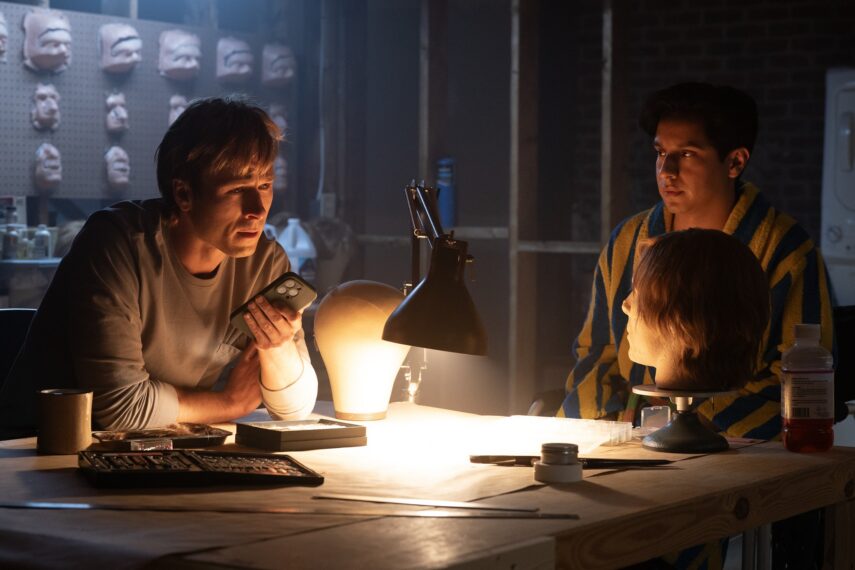
The central question for the show’s future remains: can a lie of this magnitude be sustained, or is the story trending toward an inevitable tragedy? Waldron has hinted that while a happy ending was prioritized for the Season 2 conclusion to provide closure for the immediate story arc, there is no guarantee that the same outcome can be achieved in a potential third season. The series has evolved beyond a simple comedy about a man in a mask; it is now a study in the cost of professional deception and the lengths to which individuals will go to maintain an identity that is no longer their own.
As the production team awaits a formal greenlight, the audience is left to consider the weight of the finale. The tension between the characters’ professional aspirations—represented by the Syracuse job offer—and their personal connections suggests that the next chapter, should it come to fruition, will likely focus on the consequences of the "incrimination" that Ricky and Russ now share. Whether the show concludes with a resolution or a collapse, the narrative arc of Chad Powers has solidified its place as a significant exploration of modern media, identity, and the high-stakes world of collegiate sports.