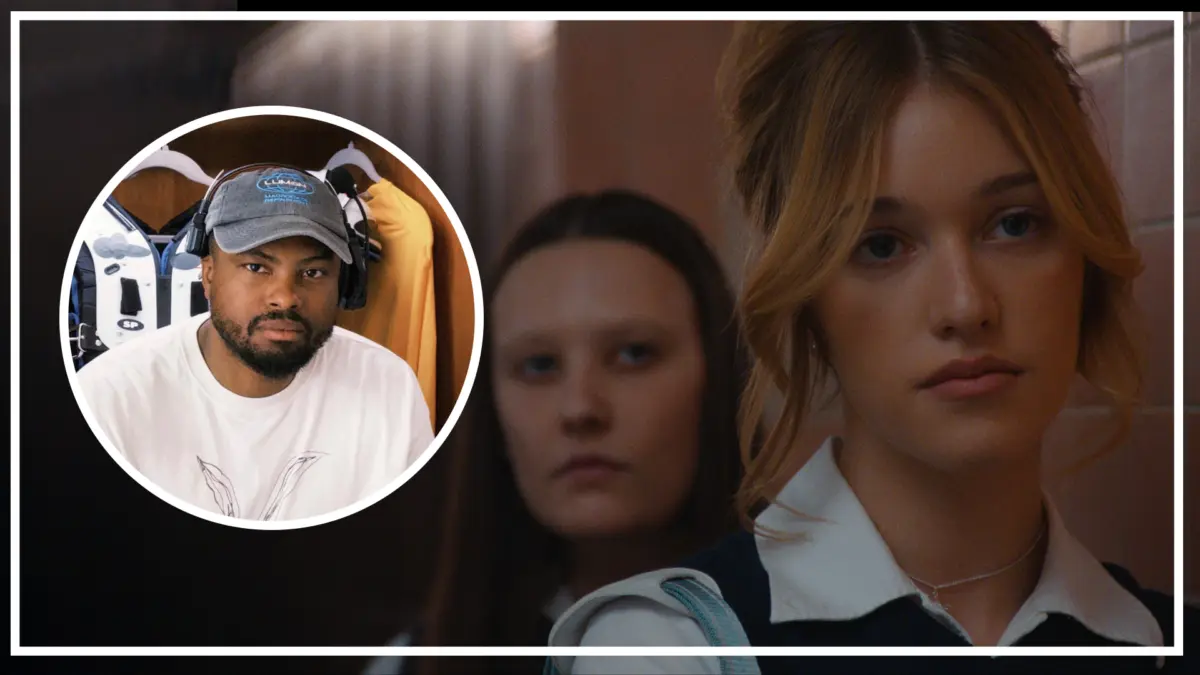
The atmospheric foundation of a psychological thriller relies heavily on the shadows, framing, and pacing established behind the lens. For Netflix’s new series The Body, created, written, and directed by Quinn Shephard, this responsibility fell largely to lead cinematographer Isiah Donté Lee. Working under tight pre-production deadlines and demanding creative parameters, Lee helped construct a dark, visually gritty world that draws inspiration from late-90s and early-2000s teen classics while subverting them into something far more unsettling.
Set against the nostalgic backdrop of 2004, The Body follows a tight-knit circle of Catholic schoolgirls who experience chilling, prophetic visions following a botched dance-team initiation. What begins as an isolated adolescent trauma quickly snowballs into mass hysteria, gripping an entire town and testing the psychological limits of its residents. Rather than depending on high-octane action sequences or massive CGI set pieces, the series relies on a creeping, claustrophobic dread—an aesthetic achievement that required a calculated and deliberate approach to cinematography.
The Fast-Tracked Genesis of a Visual Style
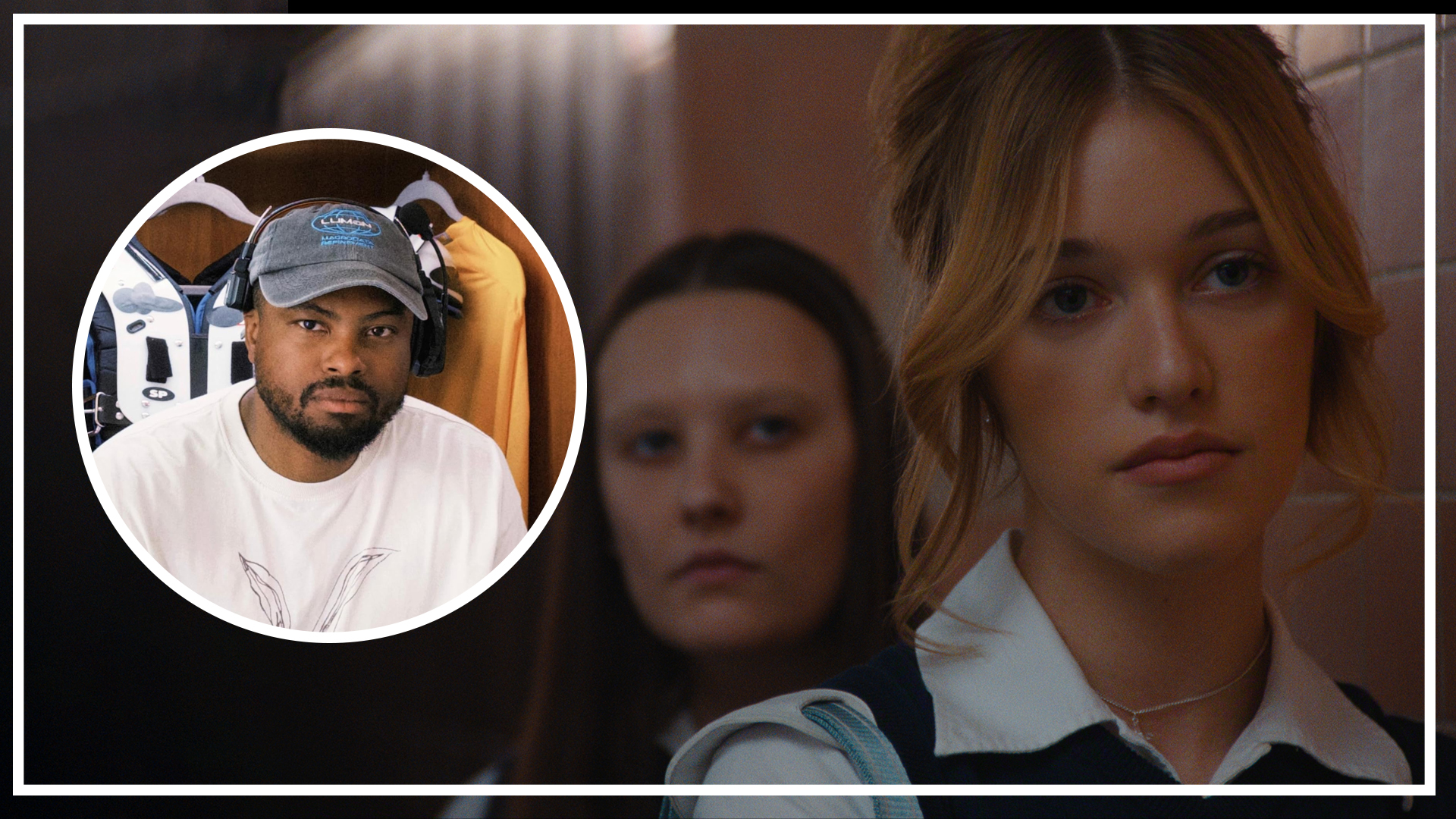
The journey from initial pitch to active production for Isiah Donté Lee was remarkably swift. Lee was handed the scripts for The Body with mere hours to review them before an official introductory meeting with the creative team. Rather than hindering his preparation, the restricted timeline worked to his advantage, allowing him to approach the narrative with unfiltered first impressions.
"We received the script and I only had a couple of hours to read it before meeting," Lee recalled. "In a lot of ways, it was great because I had fresh thoughts about what I had just read and I could speak with them about it immediately. I just got lost in the script when I was reading it."
What sealed Lee’s commitment to the project was a comprehensive proof-of-concept tonal reel put together by showrunner Quinn Shephard. The video established a visual baseline that closely mirrored the final product seen on screen. Furthermore, the 2004 setting provided a unique historical anchor. For Lee, revisiting a time period that coincided with his own entry into high school offered an authentic bridge to the pop culture references and technological landscape of the early 2000s, turning what is technically a period piece into a canvas of lived experience.
Subverting Nostalgia: Blending Teen Drama and Psychological Horror
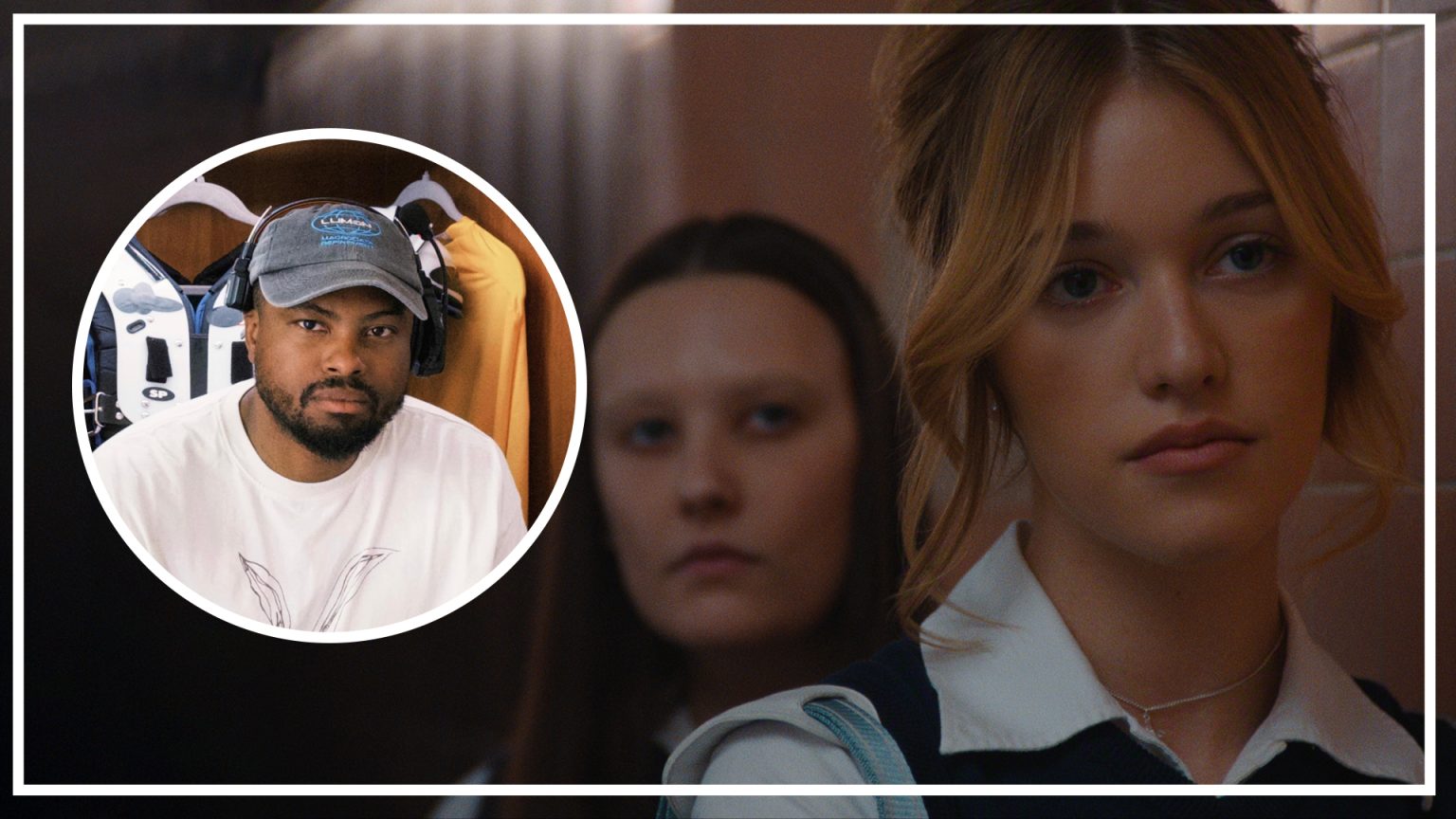
While The Body shares thematic DNA with cinematic touchstones like Mean Girls, Carrie, and Jennifer’s Body, Lee and Shephard deliberately avoided a simple carbon-copy homage. Where traditional teen dramas strive to keep audiences visually comfortable while characters interact, The Body actively aims for discomfort.
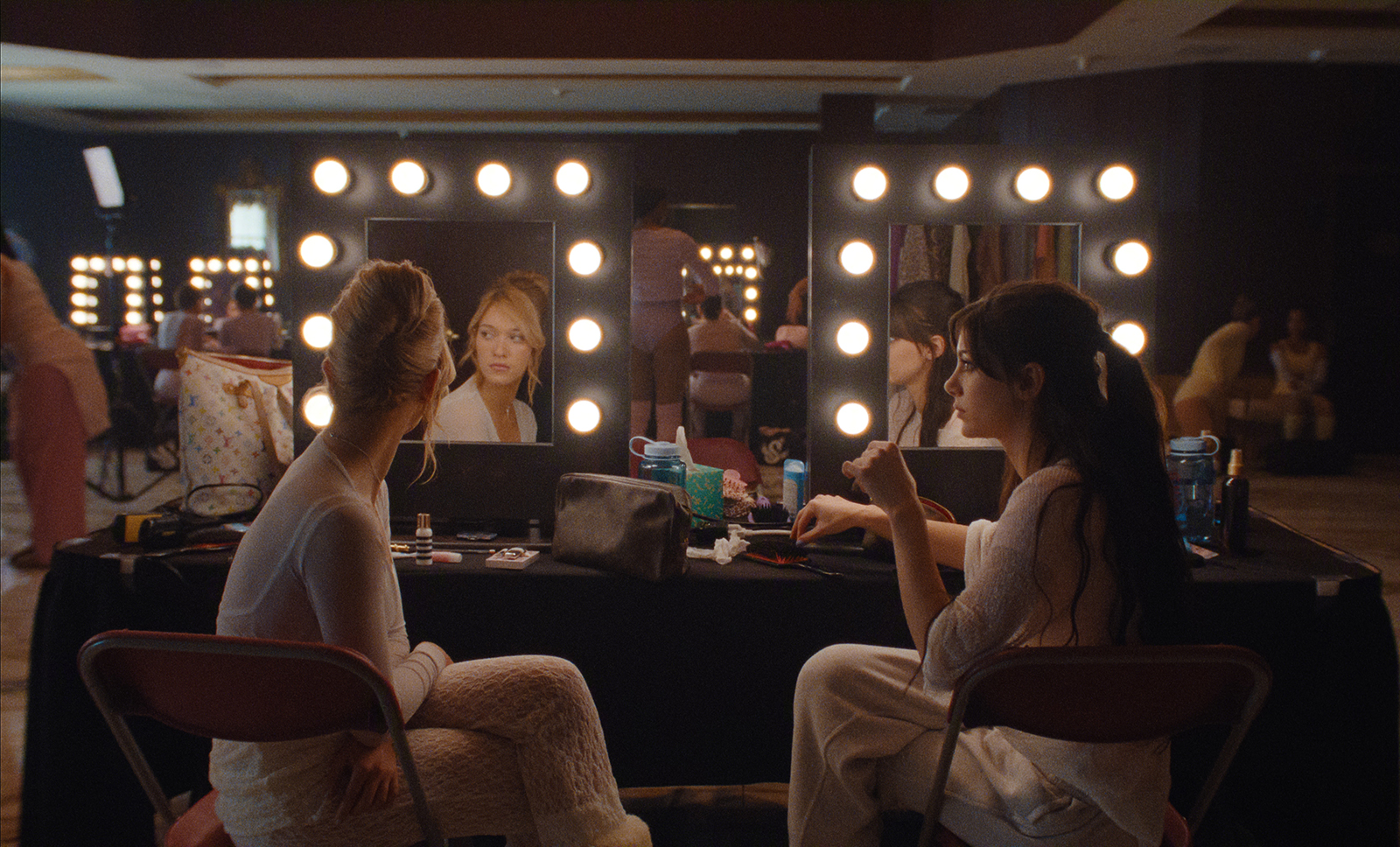
The production sought to inject a raw, tactile grit into the standard tropes of the genre. By manipulating light and shadow, Lee crafted frames designed to evoke unease, ensuring that the visual medium itself mirrored the psychological fractures of the characters. Striking a tonal balance between teen angst, supernatural elements, and dark humor required moving away from rigid genre categorization.
Rather than labeling a scene as strictly a "horror moment" or a "comedy moment," the production team focused entirely on the emotional truth of the characters. By utilizing a diverse array of cinematic tools and techniques, Lee and Shephard allowed the raw emotion of each sequence to dictate the camera movement and lighting design, ensuring narrative cohesion across genre lines.
Production Challenges: Navigating the Devil’s House Sequence
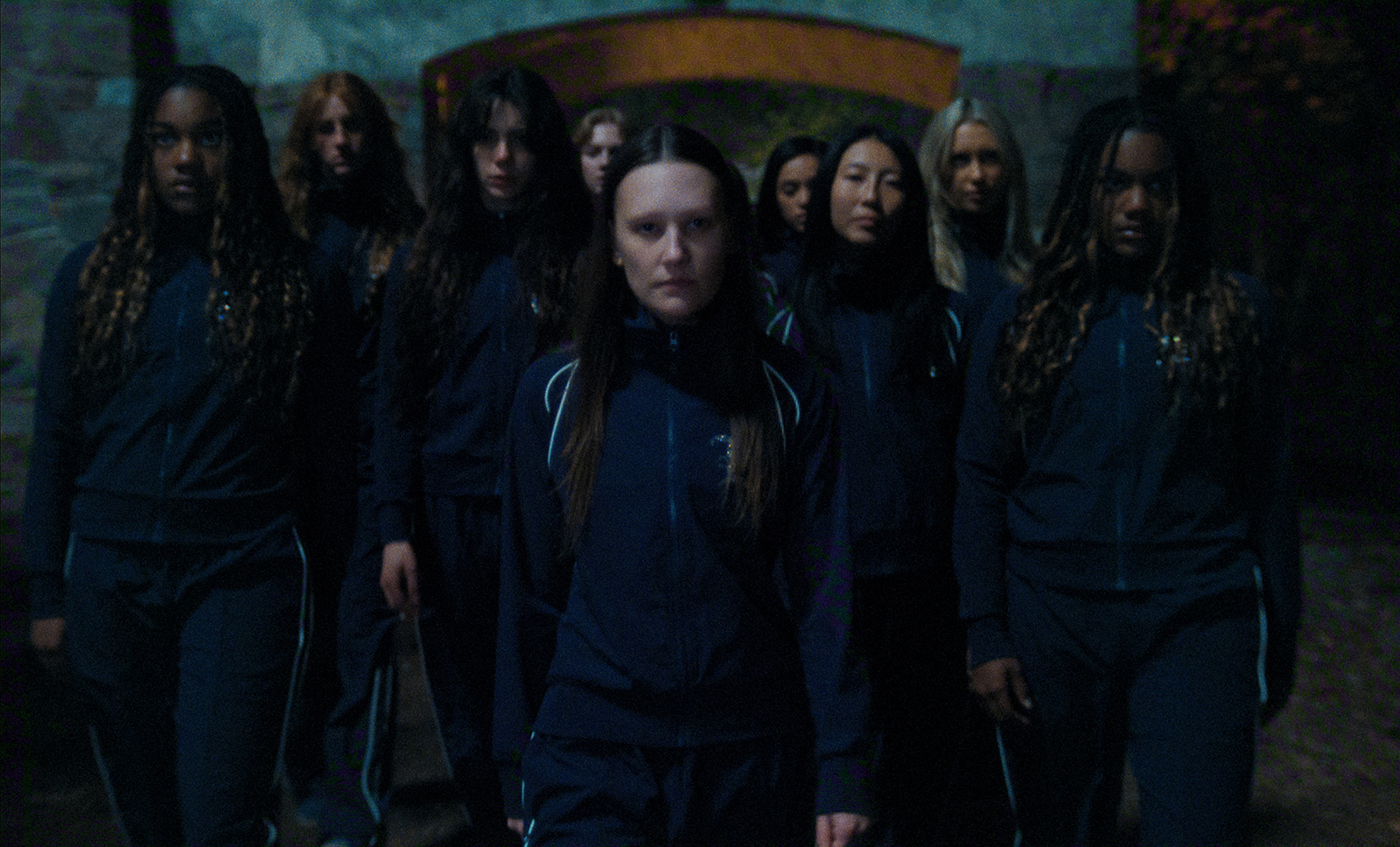
The logistical hurdles of television production often demand that high-stakes sequences be filmed before a creative team has fully settled into a rhythm. For The Body, this baptism by fire occurred during the first week of shooting on the pilot episode, which centered around the complex and physically demanding "Devil’s House" sequence.
Filmed entirely during grueling overnight shifts in freezing temperatures, the opening week forced Lee and Shephard to establish their collaborative shorthand under extreme pressure.
"Meeting all of these characters and having these very important pivotal moments and scenes be the first thing that we put on film—usually you hope to get going and get into a little groove," Lee noted. "This was my first time working with Quinn. As a director and DP, obviously we know how important that relationship is… To do that in such a difficult setting with such important scenes, it was tough."
Collaborative Directorial and Cinematographic Workflow
As the director of photography for episodes 1, 2, 6, and 8, Lee carried a significant portion of the visual storytelling weight. The series as a whole utilized a rotating roster of directors and cinematographers, a common practice in modern serialized television that often risks stylistic fragmentation.
To maintain visual continuity, Lee emphasized early and proactive collaboration. By bringing the incoming directors and cinematographers into the fold during the early planning stages, the creative team ensured that all visual artists absorbed the core philosophy of the project. Furthermore, Shephard’s meticulous preparation and strong internal vision served as an indispensable compass for the entire crew, establishing a unified aesthetic template that guided every department.
Lee praised Shephard’s unique directorial style, noting that her background in acting contributed to a heightened sense of emotional presence on set. Rather than relying solely on technical problem-solving, Shephard frequently allowed the genuine emotional resonance of a scene to guide the crew’s choices, fostering an empathetic environment that ultimately translated onto the screen.
Industry Implications and Audience Reception
The release of The Body arrives at a time when audiences are increasingly drawn to elevated horror and psychologically complex television narratives that explore institutional pressure and collective hysteria. By grounding supernatural phenomena within the hypersensitive, insular world of adolescent social hierarchies, the series bridges the gap between prestige drama and genre storytelling.
For Isiah Donté Lee, the project represents a significant expansion into atmospheric horror, showcasing his technical versatility in balancing shadow, light, and emotional tension. As the series streams globally on Netflix, its reception will likely highlight the critical importance of cohesive vision and rigorous pre-production planning in modern television cinematography.
The Body is currently streaming worldwide on Netflix.