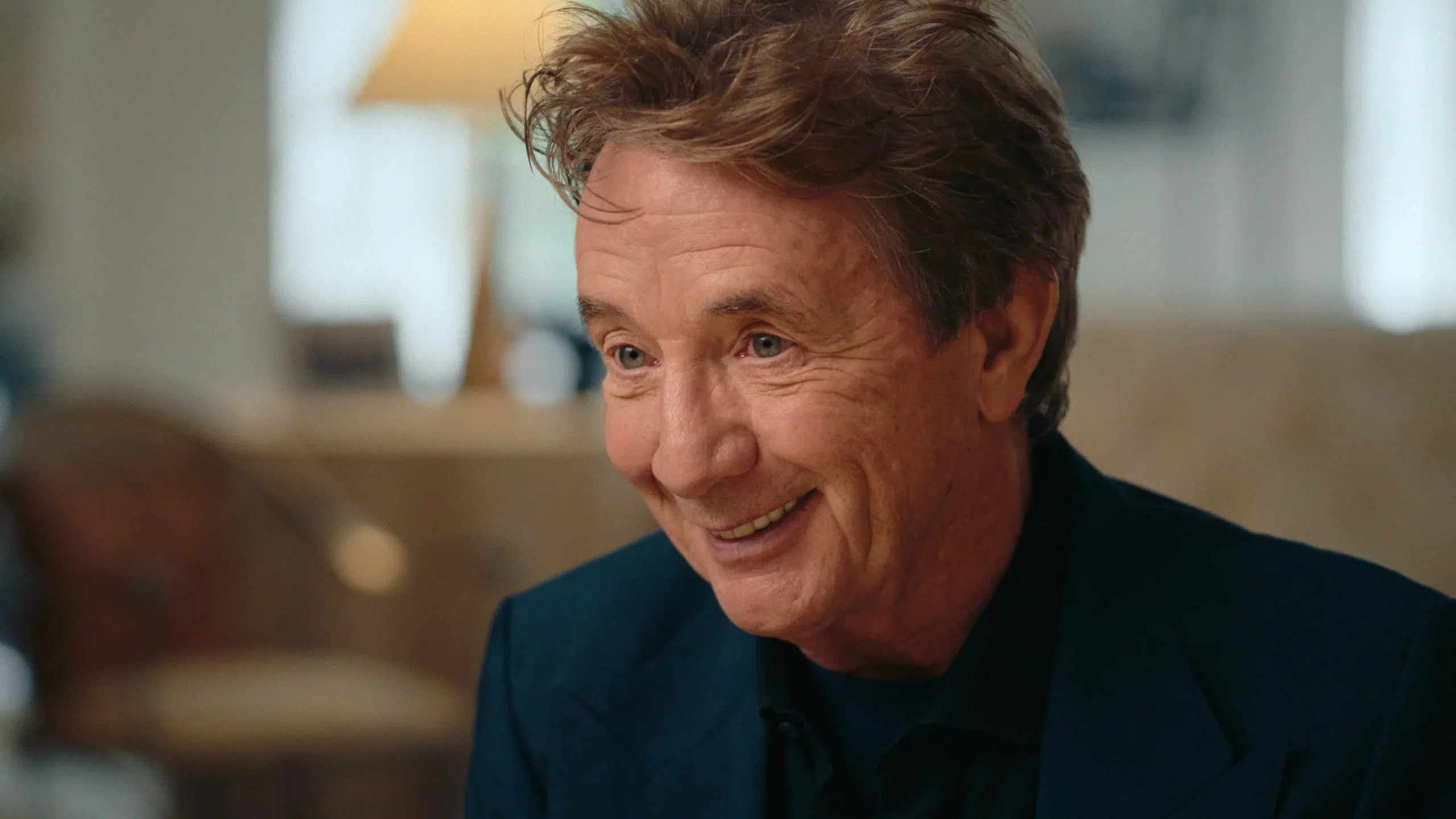
The recent documentary "Marty, Life is Short," directed by longtime friend and acclaimed filmmaker Lawrence Kasdan, offers a poignant and star-studded exploration into the life and enduring career of beloved comedian and actor Martin Short. Far from a mere biographical sketch or a celebratory vanity project, the film stands as a profound testament to Short’s unique character, chronicling his infectious light, remarkable resilience, and unwavering commitment to bringing joy, even in the face of immense personal loss. The documentary masterfully weaves together Short’s prolific artistic journey with the deeply personal narrative of his life, presenting a portrait of a man whose philosophy of finding joy amidst despair has not only defined his career but also profoundly impacted those around him.
The Genesis of a Timeless Comedian: Early Life and Career Foundations
Martin Short’s journey into the pantheon of comedic greats began in the vibrant Canadian entertainment scene, a crucible that forged some of the most influential comedic talents of the late 20th century. Born in Hamilton, Ontario, in 1950, Short’s early life was marked by a series of profound personal tragedies that would paradoxically shape his comedic sensibility and philosophy. At the tender age of 12, he experienced the devastating loss of his eldest brother, David, in a car accident. This was followed by the death of his mother, Olive, from cancer when he was 18, and then his father just two years later, at the age of 20. These formative experiences instilled in Short an acute awareness of life’s fragility and an inherent drive to embrace joy and laughter as a counterpoint to sorrow.
His comedic talents began to blossom in the early 1970s. After graduating from McMaster University, Short joined the Toronto branch of The Second City improv troupe in 1977. This legendary comedic institution, renowned for its improvisational theater and sketch comedy, proved to be fertile ground for Short’s burgeoning abilities. It was here that he honed his distinctive blend of physical comedy, character work, and rapid-fire wit, sharing the stage with future luminaries like Eugene Levy, Catherine O’Hara, and Andrea Martin. This period was crucial in developing the collaborative spirit and improvisational prowess that would define much of his subsequent career.
The experience at Second City naturally led him to the acclaimed Canadian sketch comedy television series, "SCTV" (Second City Television), which he joined in 1982. "SCTV" was a groundbreaking show, known for its sophisticated satire, intricate character work, and parody of television tropes. It was on "SCTV" that Short truly broke out, creating a gallery of unforgettable characters that captivated audiences across North America. Among these, the hyperactive and slightly unnerving Ed Grimley, a "Wheel of Fortune" superfan with a distinctive cowlick and penchant for exclamations like "I must say!", became an instant cultural phenomenon. Grimley’s unique blend of childlike innocence and manic energy showcased Short’s unparalleled ability to inhabit and fully commit to eccentric personas. Other notable characters from his "SCTV" tenure included the smooth-talking, lounge lizard Jackie Rogers Jr., further demonstrating his versatility.
Following his success on "SCTV," Short had a brief but memorable stint on "Saturday Night Live" during the 1984-1985 season. While his time on "SNL" was relatively short-lived compared to some of his peers, it served as a significant platform, introducing his already popular characters like Ed Grimley to an even wider national audience and solidifying his status as a comedic force. His departure from "SNL" was less about a lack of success and more a strategic move to explore other avenues, including film and Broadway, which would ultimately expand his artistic horizons significantly.
A Versatile Performer: From Silver Screen to Broadway Stage
The mid-1980s saw Martin Short transition seamlessly into film, bringing his unique comedic flair to a series of memorable roles. One of his most iconic early film appearances was in the 1986 comedy "Three Amigos!" alongside his "SNL" and "SCTV" colleagues Steve Martin and Chevy Chase. In the film, Short played Ned Nederlander, a silent film star who, along with his compatriots, is mistaken for real-life heroes by a Mexican village. His performance was lauded for its charm and comedic timing, showcasing his ability to hold his own alongside established comedic legends.
His film career continued to flourish with roles in hits like Joe Dante’s 1987 sci-fi comedy "Innerspace," where he played a hypochondriac grocery clerk who accidentally becomes host to a miniaturized submarine pilot. This role further cemented his reputation as a master of physical comedy and character-driven performances. Other notable film credits include "Father of the Bride" (1991) and its sequel "Father of the Bride Part II" (1995), where he delivered scene-stealing performances as the eccentric wedding planner Franck Eggelhoffer, showcasing his talent for exaggerated, yet endearing, characters.
Beyond the silver screen, Short also carved out an illustrious career on Broadway, demonstrating his remarkable versatility as a triple threat—actor, singer, and dancer. He earned critical acclaim for his performance in the 1993 musical "The Goodbye Girl," which garnered him a Tony Award nomination. His comedic and vocal talents shone even brighter in his Tony Award-winning performance in the 1999 revival of "Little Me," where he impressively played multiple roles, a feat that underscored his incredible range and theatrical prowess. These stage roles allowed him to fully engage his capacity for live performance, connecting directly with audiences in a way that film could not.
Throughout these varied endeavors, Short’s charisma and comedic light remained timeless. Whether embodying the outlandish Ed Grimley, the crude celebrity interviewer Jiminy Glick (a later creation that also became immensely popular), or a dramatic character on stage, his unique energy and commitment to his craft have ensured his lasting appeal to generations of fans.
The Documentary’s Intimate Gaze: Friendship and Fellowship
Lawrence Kasdan’s "Marty, Life is Short" benefits immensely from the deep personal connection between the director and his subject. The film opens with a meta-joke, with Short playfully questioning the objectivity of a documentary made by a close friend. This immediate acknowledgment of their bond sets a tone of authenticity and warmth that permeates the entire film. While some might view such a personal connection as a potential detriment to journalistic objectivity, in this instance, it serves to unlock an unparalleled level of intimacy and insight into Short’s life and character. The documentary transcends the typical celebrity profile by offering a glimpse into the genuine camaraderie and affection that Short inspires in his closest circle.
A significant portion of the documentary’s strength lies in its star-studded roster of interviewees, all of whom share a profound personal and professional history with Short. Viewers are treated to illuminating conversations with his "SCTV" peers, including Eugene Levy, Andrea Martin, and the late Catherine O’Hara. His frequent co-star and long-time friend Steve Martin offers candid reflections, as do close friends like Academy Award winners Tom Hanks and Steven Spielberg. These testimonials are not merely professional accolades; they are heartfelt expressions of admiration and love for a cherished friend.
Catherine O’Hara’s poignant anecdote about her marriage counseling, where she and her husband, Bo Welch, were advised to look to Martin and his late wife, Nancy Dolman, as a model of a healthy relationship, is particularly telling. Her recounting of the therapist’s response – "I can’t tell you how many couples have told me this" – highlights the profound impact Short and Dolman’s relationship had on those around them. These interviews reveal a Martin Short who is not just a respected entertainer but a "seed of joy" who enriches the lives of those in his orbit. The film powerfully conveys that the adoration he receives from his millions of fans is mirrored, perhaps even surpassed, by the deep affection of his closest friends.
The presence of Catherine O’Hara, both in archival footage and contemporary talking-head interviews, adds a layer of bittersweet emotion. Her effervescent and comical contributions underscore the pain of her recent passing, further emphasized by the film’s closing "In Loving Memory Of" caption, which also honors Short’s late daughter, Katherine Elizabeth Short. This dedication serves as a stark reminder of the film’s underlying theme: the pursuit of joy amidst life’s inevitable sorrows.
The Enduring Power of Love: Nancy Dolman’s Instrumental Role
Central to the narrative of "Marty, Life is Short" is the profound and enduring love story between Martin Short and his late wife, Nancy Dolman. Through Short’s own recollections, the anecdotes of their friends, and an abundance of touching archival footage, the documentary beautifully illustrates how instrumental Dolman was to Short’s life and perhaps his entire being. Their relationship is consistently portrayed as a "blueprint" of marital bliss, a partnership of two puzzle pieces that fit perfectly. They were not only cheerful performers in their own right but also a couple whose love was truly transcendent, radiating warmth and stability to all who knew them.
The film paints a vivid picture of their life together, particularly at their cherished Snug Harbor cabin in Ontario, where they hosted countless family getaways, summer retreats, and annual Christmas celebrations. This archival footage reveals that Short’s joyful, upbeat persona, so beloved on stage, was his authentic core off-stage as well. Whether sharing loving banter with Nancy or delighting his friends’ children – who, as various anecdotes reveal, often preferred his company to that of their own parents – Short’s genuine charisma and warmth were infectious. This portrayal of his personal life evokes a sense of both FOMO (the desire to be part of those legendary "celebrity parties") and a relatable, affectionate aura reminiscent of a warm family cookout. It underscores that "Marty being Marty" was not a performance but an inherent quality.
The deep love and connection between Martin and Nancy are palpable in every conversation and piece of footage. This makes the recounting of Nancy’s death from ovarian cancer in 2010 all the more heartbreaking. The film handles this tragedy with sensitivity, conveying the immense loss without dwelling excessively on the raw pain, respecting Short’s privacy while acknowledging the profound impact of her absence.
Navigating Grief and Continuing the Legacy
While the documentary largely focuses on the earlier, prolific half of Short’s career and his life with Nancy, it subtly touches upon his journey through grief and hardship following her passing. The film’s decision to skim past his work from the 2010s, only briefly touching upon his grief, appears to be a deliberate choice by Kasdan. This approach prioritizes the subject’s comfort and privacy over an exhaustive chronological account of every aspect of his life. It implies an understanding between friends, where the director respects the boundaries of personal sorrow.
During this period, Short continued to work, finding solace and purpose in his craft. For instance, in 2012, he received praise for his voice acting roles in animated films like "Madagascar 3: Europe’s Most Wanted" and Tim Burton’s "Frankenweenie," marking his first major projects after Nancy’s death. These roles, though not extensively detailed in the documentary, signify his remarkable resilience and commitment to his profession even during immense personal pain. The film effectively conveys that his mantra of finding joy in despair is not merely a philosophy but a lived reality, a mechanism for enduring and thriving.
A Lasting Impact: The Enduring Charm of Martin Short
"Marty, Life is Short" ultimately succeeds as a solid, heartfelt portrait of a true showman. It offers a compelling narrative of an individual who, despite enduring countless personal losses, has steadfastly continued to make audiences laugh and bring joy into the world. The documentary not only celebrates Martin Short’s extraordinary talent and extensive career but also delves into the profound human story beneath the comedic façade. It highlights how his early experiences with loss shaped his outlook, fostering a deep appreciation for life’s lighter moments and an unwavering determination to share that light with others.
The film’s strength lies in its ability to present a holistic view of Short – the unparalleled performer, the devoted friend, the loving husband, and the resilient human being. Through the candid reflections of his esteemed peers and the intimate archival footage, viewers gain a deeper understanding of the genuine warmth and infectious optimism that define him. "Marty, Life is Short" is more than just a biography; it is a powerful affirmation of the human spirit’s capacity for joy and creativity, even in the shadow of profound sorrow. It ensures that Martin Short’s legacy will be remembered not only for his iconic characters and comedic brilliance but also for his remarkable ability to embody hope and laughter against all odds.