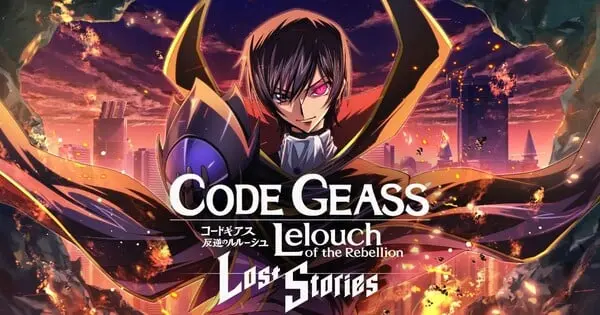
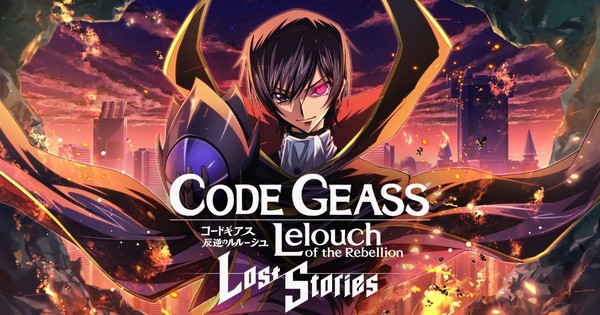
The official website for the mobile and PC title Code Geass: Lost Stories announced on Wednesday, October 7, 2026, that the game will officially conclude its service on December 7, 2026. This decision marks the end of a tumultuous four-year lifecycle for the title, which initially struggled through a protracted development cycle before finding a dedicated, albeit eventually unsustainable, audience. As of Wednesday, all sales of in-game currency, known as Sakuradite, alongside the Lost Stories Pass and various Starter Packs, have been permanently suspended.
A Turbulent Development History
The trajectory of Code Geass: Lost Stories has been characterized by significant delays and shifts in corporate strategy. First unveiled to the public in September 2018, the project was originally intended to be a social game that would serve as a major extension of the Code Geass intellectual property. At that time, the developers aimed for a winter 2018 release. However, the project encountered severe technical and logistical hurdles, leading to a period of silence where no release window was provided, sparking concerns among the fanbase regarding the title’s cancellation.
It was not until November 2021 that DMM Games, the primary publisher, provided a definitive update. The company announced a complete restructuring of the development process, enlisting the expertise of developer f4samurai to overhaul the mechanics and vision for the game. This pivot allowed for a successful launch in May 2022 on both mobile platforms and PC via the DMM Game Player. While the game managed to carve out a niche for itself—bolstered by an original theme song, "Pendulum," performed by the acclaimed rock band FLOW—it struggled to maintain long-term retention compared to industry titans in the gacha action-RPG space.
The Global Context and Sunset Strategy
The closure of the Japanese server follows a similar pattern observed in international markets. The English-language version of the game, which launched in September 2023, was shuttered in August 2024. The premature termination of the global release, which lasted less than a year, served as a precursor to the current decision to pull the plug on the original Japanese version.
Industry analysts suggest that the sunsetting of the title is a calculated move by Bandai Namco and its partners to prune underperforming assets as the company pivots toward newer, more streamlined mobile experiences. By consolidating resources, the franchise can better allocate its creative and technical talent toward upcoming projects that align with the brand’s 20th-anniversary milestone.
The Broader Code Geass Ecosystem
The Code Geass franchise, created by Sunrise (now Bandai Namco Filmworks), remains one of the most successful mecha properties in history. Since its 2006 debut, it has expanded through various media, including television series, films, spin-off manga, and stage productions. As of late 2026, the brand is in the midst of a multi-year anniversary celebration, which necessitates a shift in focus.
The recent launch of Code Geass: Knightmare Survivor on September 15, 2026, represents the new direction for the franchise’s digital strategy. Developed by JORO, this "survivor action" title utilizes a different gameplay loop, focusing on faster, more accessible mechanics that capitalize on current trends in mobile gaming. By transitioning the audience from the more traditional gacha-RPG structure of Lost Stories to the action-oriented Knightmare Survivor, the franchise is attempting to modernize its engagement model.
Significant Anniversary Initiatives
The end of Lost Stories is merely one facet of a broader transition. The 20th-anniversary roadmap includes a diverse array of content designed to reinvigorate the fanbase:
- Code Geass: Aspal the Star Chaser: A new anime project, titled Hoshi Oi no Aspal, is currently in development. This is expected to be the centerpiece of the franchise’s narrative expansion, drawing in both veteran fans and a new generation of viewers.
- Stage Productions: A new musical stage play adaptation, scheduled for this winter, demonstrates the franchise’s commitment to traditional media and live performance, a staple of the Code Geass brand’s marketing strategy in Japan.
- Exhibitions: Traveling museum-style exhibitions are being organized to showcase the evolution of the character designs and mecha art that have defined the series since the debut of Lelouch of the Rebellion.
Strategic Implications and Market Analysis
The conclusion of Code Geass: Lost Stories serves as a case study in the challenges of maintaining "live service" games based on established anime IP. While the franchise itself is healthy, the competitive nature of the Japanese mobile market—often referred to as a "red ocean" due to the high volume of high-quality games—means that even popular franchises cannot rely solely on name recognition to maintain player spend.
The closure of the game’s official servers is not an indicator of the franchise’s decline, but rather a reflection of the industry’s shift toward higher-efficiency content. The developers have provided a clear timeline for the final weeks of the game, ensuring that players have until December 7 to utilize their remaining assets. While the loss of the game’s unique narrative content—which explored side stories within the Code Geass universe—is a point of contention for some fans, the move allows the brand to avoid the costs associated with server maintenance and ongoing content updates for a title that had effectively reached its lifecycle maturity.
Official Stance and Community Reaction
Bandai Namco and the development team have expressed gratitude to the community for their support since 2022. In a statement released via the game’s official X (formerly Twitter) account, the developers acknowledged the passion of the player base, noting that the decision was made after careful consideration of the current operational environment.
The community reaction has been largely resigned, with many players having anticipated the closure following the shuttering of the English server. Discussions on social media platforms and forums have largely transitioned from speculation about the game’s future to the preservation of the game’s assets, specifically the unique character cards and original narrative vignettes that were exclusive to the title.
Conclusion: A New Chapter
As the curtain falls on Code Geass: Lost Stories, the franchise is clearly signaling a preference for brevity and impact in its digital ventures. By cycling out older projects, the stewards of the brand are creating room for the high-profile releases scheduled for the remainder of the 20th-anniversary period. For the developers at f4samurai and the stakeholders at Bandai Namco, the focus now turns to ensuring the success of Knightmare Survivor and the upcoming anime projects.
The legacy of Lost Stories will likely remain in the form of its contribution to the expanded lore of the series, even as its servers go offline. The shift reflects a wider industry trend where intellectual properties are managed more dynamically, treating mobile games as temporary, high-engagement windows rather than permanent repositories of canon. As of October 2026, the transition remains orderly, with no further changes to the scheduled service end date expected. Fans of the franchise are now turning their attention to the upcoming winter stage play and the anticipated release of the new anime, marking a transition from a digital-first engagement model back to the core storytelling mediums that established Code Geass as a cultural phenomenon two decades ago.