Hugo Ruíz, the visionary director who captivated audiences and critics alike at the 2023 Tribeca Film Festival with his groundbreaking single-take thriller, One Night with Adela, has returned to the festival’s prestigious Midnight Section with his latest cinematic offering, Dante. This audacious new film, which premiered at the 2026 Tribeca Festival, plunges viewers into a visceral, blood-soaked odyssey through the underbelly of Spain’s nocturnal urban landscape, solidifying Ruíz’s reputation as a master of high-stakes, genre-bending cinema. While Dante delivers a potent cocktail of crime, depravity, and relentless tension, its ambitious narrative is ultimately hampered by a concluding twist that, while thematically resonant, struggles to fully earn its place within the preceding chaos.
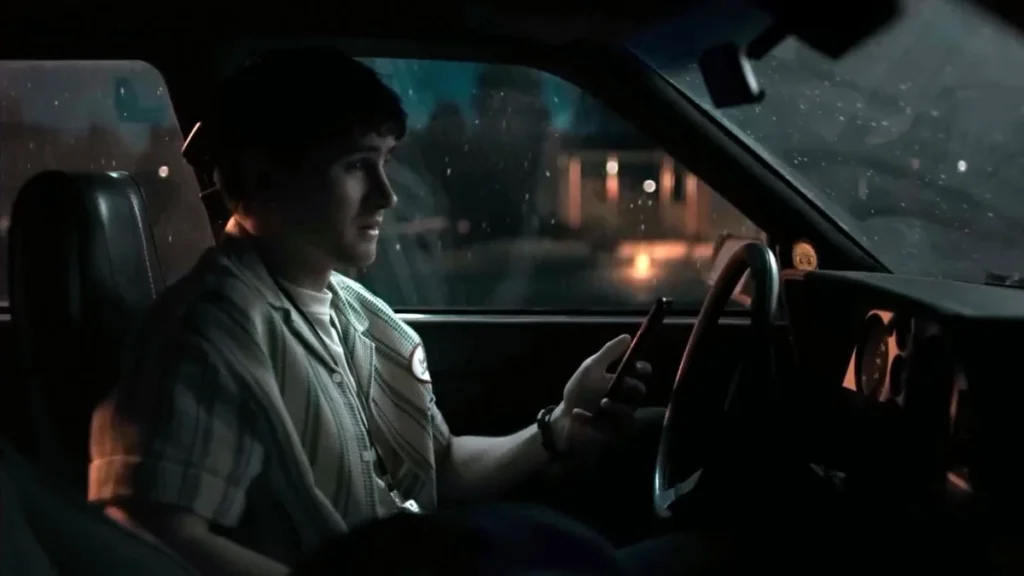
The film ignites with a jarring car crash, an immediate harbinger of the escalating mayhem to come. Responding to the scene is paramedic Eduardo, portrayed with a growing sense of dread by Chino Darín. His arrival at a lavish apartment reveals a scene of brutal violence: local crime lord Mario, played by Enrique Arce, lies critically wounded. Bleeding profusely from multiple injuries and on the precipice of death, Mario’s desperate plea to Eduardo is for survival at any cost. Their precarious situation is abruptly interrupted by the arrival of Maki (Ester Expósito) and Santo (Vicente Romero), two of Mario’s associates. Their intent is clear: to retrieve something of immense value that Mario has absconded with. In a moment of panicked desperation, Mario forces Eduardo to ingest the elusive MacGuffin—its true nature deliberately obscured—thereby binding the paramedic to the unfolding criminal conspiracy.
This inciting incident catapults Eduardo into a nightmarish battle of wits, a scenario far exceeding his professional training or personal capacity. He finds himself at the mercy of Maki and Santo, who oscillate between seductive manipulation and brutal coercion, embodying a complex dynamic that adds layers to the escalating conflict. Lurking in the background, yet exerting a pervasive influence, is Chemi (Asier Etxeandia), Mario’s brother and the shadowy orchestrator of the syndicate. The narrative unfolds within the tradition of "one-long-night" thrillers, a subgenre that thrives on compressed timelines and escalating stakes, reminiscent of contemporary films like Run Sweetheart Run and classic examples such as Run Lola Run.
Escalation and Depravity: A Descent into the Underworld
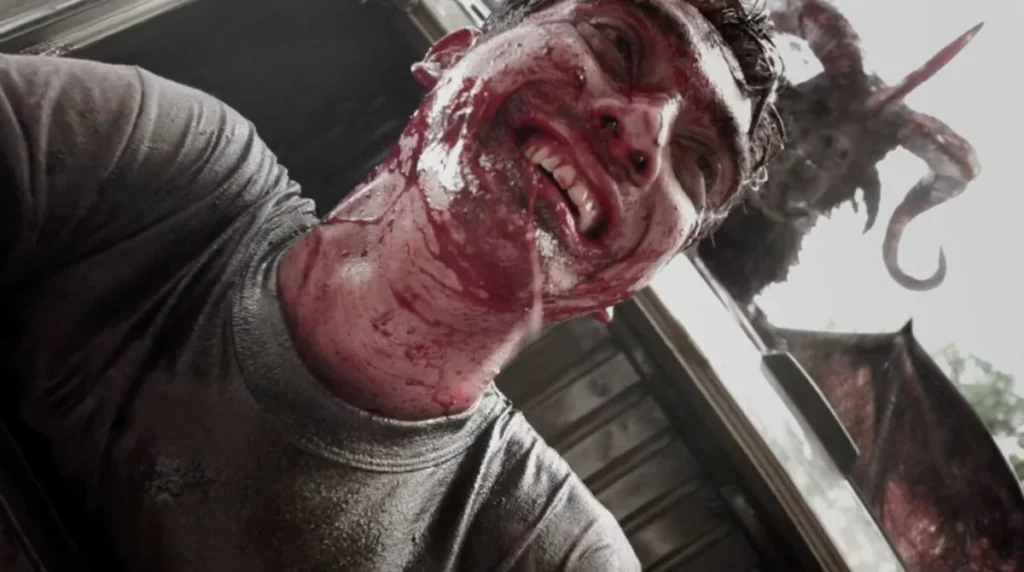
Dante is fundamentally built upon a foundation of relentless escalation, a testament to Ruíz’s dual role as writer and director. From the moment Eduardo unwittingly swallows the crucial object, the stakes are continuously raised. The film progresses from a gruesome surgical procedure performed under duress to acts of profound cruelty, showcasing the extreme measures individuals will undertake for survival. Ruíz crafts a deliberately "foul" and savage world, populated by vicious characters driven by their basest instincts. Yet, beneath this veneer of brutality, the director manages to unearth a raw, beating heart, a testament to the film’s underlying thematic explorations.
![‘Dante’ Review: One Bad Night, One Good Thriller [Tribeca]](https://www.dreadcentral.com/wp-content/uploads/2026/06/full_Dante_Ester_Y_Chino_clean_16x9.jpg)
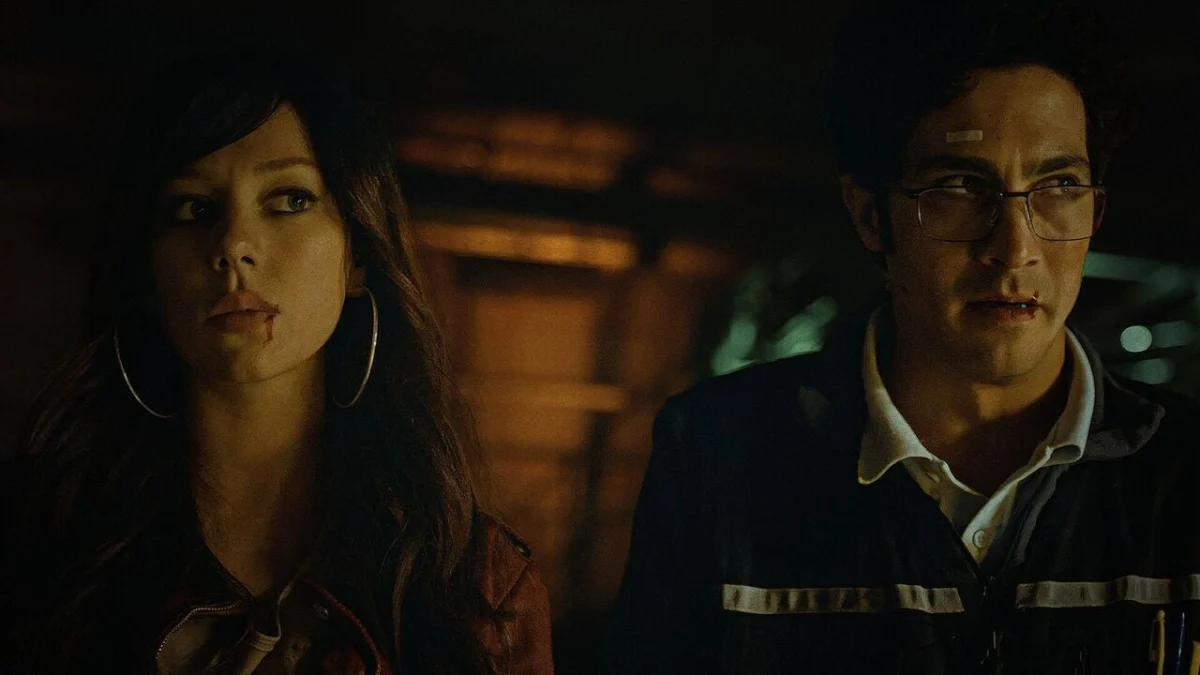
Ester Expósito delivers a standout performance as Maki, channeling a captivating blend of deadpan delivery and chilling ruthlessness. Her portrayal deftly sidesteps archetypal gender roles, presenting a female antagonist who is as capable of cruelty as her male counterparts, without resorting to the trope of a "kinder" female heart. This nuanced performance contributes significantly to the film’s complex character dynamics.
Narrative Concealment and Visual Prowess
The effectiveness of Dante is significantly amplified by Ruíz’s narrative strategy of deliberate concealment. The less the audience knows about the motivations and histories of the central characters, the more compelling their unfolding drama becomes. Ruíz prioritizes showing over telling, subtly weaving in hints of their storied pasts without becoming bogged down in exposition or melodrama. This approach allows the narrative to maintain its relentless momentum as the characters navigate a series of perilous crime scenes, evade Chemi’s pursuit, and desperately plot their escape, all while Eduardo unknowingly holds the key to their predicament.
The film’s visual presentation is equally compelling. Despite the constrained locales, Dante is gorgeously staged and shot. Cinematographer Daniel Sosa masterfully employs wide shots that evoke a sense of awe and dread, particularly in the film’s latter stages. The visual artistry transcends the claustrophobic setting, drawing comparisons to early Steven Spielberg, particularly the tense, atmospheric confinement of Duel. The audacious and shocking carnage is expertly captured, but it is the burgeoning, unlikely love story that forms at the heart of the film, fighting against overwhelming odds, that promises to resonate most deeply with audiences.
Thematic Resonance and Narrative Stumbles
The film’s dedication to augmenting the stakes, however, leads it into a narrative pitfall in its final act. Dante experiences its own "accident," arbitrarily regressing into the subgenre’s expectation of a final, game-changing twist. While the twist itself, in isolation, possesses the potential to be impactful, Ruíz fails to grant it sufficient breathing room. The thematic justification for this pivot is evident within the script, and it is possible that a subsequent viewing might allow the twist to land with greater force. Nevertheless, its inclusion feels more like a calculated effort to check genre boxes than an organic culmination of the chaotic, cloistered crime saga that precedes it. This departure from the film’s otherwise compelling organic progression detracts from its overall impact.
Tribeca’s Midnight Selection and Broader Implications
For enthusiasts of Tribeca’s Midnight selections, including previous standout films such as The Seeding and You’ll Never Find Me, Dante is poised to be a significant draw. The film embodies kinetic filmmaking at its most exhilarating, presenting a raw, unforgiving thriller that delves into humanity’s darker impulses and the profound lengths to which individuals will go for survival. There is a palpable sense of poignancy in the contemporary apathy that permeates the narrative, reflecting broader societal anxieties. Ruíz has undeniably crafted a masterfully tense thriller that warrants attention. The film invites viewers to heed the call of the underworld and experience the visceral journey that Dante offers.
![‘Dante’ Review: One Bad Night, One Good Thriller [Tribeca]](https://www.dreadcentral.com/cdn-cgi/image/width=788,height=444,fit=crop,quality=75,gravity=auto,metadata=none,format=auto,onerror=redirect/wp-content/uploads/2026/06/full_Dante_Ester_Y_Chino_clean_16x9.jpg)
The critical reception at the 2026 Tribeca Film Festival has been largely positive, with particular praise directed towards Ruíz’s audacious vision and the film’s technical execution. Critics have noted the film’s unflinching portrayal of violence and its exploration of moral ambiguity, positioning it as a significant contribution to the contemporary thriller landscape. The ensemble cast, led by Darín, Arce, and Expósito, has been lauded for their committed performances, which anchor the film’s often extreme scenarios.
The broader implications of Dante extend beyond its immediate genre appeal. The film’s success at a prestigious festival like Tribeca highlights the continued demand for bold, independent cinema that pushes boundaries and challenges audience expectations. Ruíz’s ability to blend visceral thrills with thematic depth suggests a promising trajectory for Spanish cinema on the international stage. The film’s exploration of desperation and survival in a hyper-capitalist urban environment also offers a subtle, yet potent, social commentary.
The production of Dante involved a meticulous pre-production process, focusing on stunt choreography and the creation of a gritty, authentic urban atmosphere. Filming took place primarily on location in and around Madrid, utilizing the city’s nocturnal cityscape to enhance the film’s sense of unease and urgency. The director’s commitment to practical effects and a grounded, albeit heightened, reality further contributes to the film’s immersive quality.
As Dante embarks on its festival circuit and subsequent distribution, its impact on the genre filmmaking landscape will be closely watched. Ruíz’s distinctive style and his willingness to explore the darker facets of human nature suggest that his future endeavors will be eagerly anticipated by cinephiles and industry professionals alike. The film stands as a testament to the power of independent filmmaking to deliver compelling narratives that are both entertaining and thought-provoking, solidifying its place as a notable entry in the 2026 film festival season.