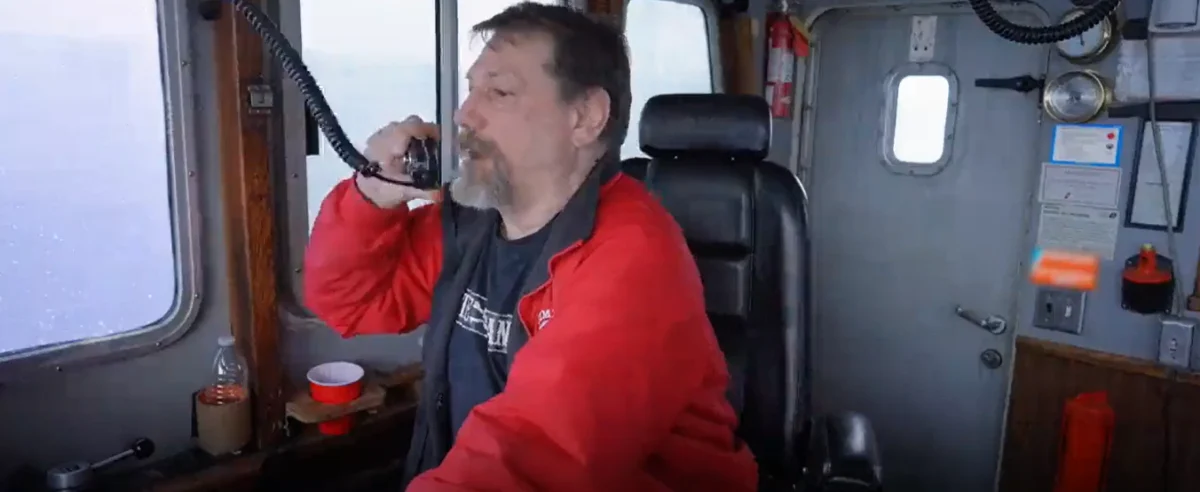
The Bering Sea remains one of the most volatile maritime environments on the planet, a fact underscored during the June 19 episode of Discovery Channel’s long-running reality series, Deadliest Catch. As the fleet grapples with the rigorous demands of the winter crab season, the latest developments highlight the intersection of high-stakes commercial fishing, strict regulatory oversight, and the enduring psychological legacy of the industry’s most iconic figures. The episode provided a detailed look at the operational challenges faced by the crews of the Cornelia Marie, the Time Bandit, and the Wizard, revealing the thin margin between financial success and catastrophic failure in the sub-arctic waters of the 58th parallel.
The Cornelia Marie: Legacy and Risk in the Arctic Storm
Captain Jake Anderson, a veteran who has transitioned from a volatile deckhand to a seasoned skipper, continues to operate under the shadow of his late mentor, Captain Phil Harris. Harris, who passed away in 2010 following a massive stroke and subsequent brain bleed, remains a central figure in the narrative of the Cornelia Marie. For Anderson, the current season represents more than a commercial endeavor; it is a test of the lessons inherited from one of the Bering Sea’s most formidable captains.
During the four-week window highlighted in the episode, the Cornelia Marie was battered by a severe arctic storm system. Meteorological reports indicated sustained gusts reaching 60 knots and swell heights exceeding 30 feet. Such conditions are not merely hazardous for the crew but also compromise the stability of the vessel when hauling heavy gear. Anderson’s objective was the harvest of 170,000 pounds of Bairdi crab, a species known for its delicate population balance and high market value.

The episode documented a moment of significant professional pressure when the crew’s initial hauls consisted primarily of Opilio crab. In the highly regulated Alaskan crab fisheries, harvesting a species for which a vessel does not have a specific permit or "quota" is a violation of maritime law. The Alaska Department of Fish and Game (ADFG) enforces strict "bycatch" regulations; retaining non-targeted species can result in fines totaling tens of thousands of dollars and the potential forfeiture of a commercial fishing license.
In a move characterized by both desperation and calculated risk, Anderson chose to steer the Cornelia Marie south, banking on a final set of 140 pots to secure the remaining 60,000 pounds of Bairdi needed before the scheduled offload. This tactical shift, which Anderson emotionally attributed to the "good luck" of a gold chain gifted to him by Phil Harris two decades ago, proved successful. The resulting "motherload" of Bairdi crab secured the vessel’s financial targets, illustrating the high-reward nature of deep-sea gambling.
The Time Bandit: Mechanical Failure and Toxic Risks
While Jake Anderson battled the elements, Captain Johnathan Hillstrand of the Time Bandit faced a more insidious threat: mechanical failure leading to a life-threatening environment. Hillstrand, a legendary figure who recently returned from a brief retirement, was operating on a 72-hour countdown to offload a massive 300,000-pound haul of golden king crab.
The operational tempo was interrupted when an alarm signaled a critical failure in the vessel’s engine room. Johnathan’s brother and the ship’s engineer, Neal Hillstrand, identified an exhaust leak. In the confined spaces of a steel-hulled fishing vessel, an exhaust leak is an emergency of the highest order due to the rapid accumulation of carbon monoxide (CO). Carbon monoxide is a colorless, odorless gas that interferes with the blood’s ability to carry oxygen. On a crab boat, where crews are already suffering from sleep deprivation and physical exhaustion, the symptoms of CO poisoning—nausea, dizziness, and shortness of breath—can easily be mistaken for sea sickness or fatigue until the condition reaches a lethal stage of respiratory or cardiac failure.

The engineering crisis required an immediate "MacGyver" style repair—a term often used in the fleet to describe improvised engineering solutions using available materials to maintain seaworthiness. Neal Hillstrand was able to temporarily seal the leak, preventing a total mission abort. The incident serves as a stark reminder of the age of many vessels in the Bering Sea fleet; the Time Bandit, built in 1991, requires constant maintenance to withstand the corrosive effects of salt air and the mechanical strain of hauling 800-pound steel pots in heavy seas.
The Wizard: Regulatory Violations and Financial Loss
On the Wizard, one of the largest and most recognizable vessels in the fleet, the leadership transition from Captain Keith Colburn to his brother, Monte "Mouse" Colburn, was met with an immediate regulatory crisis. Keith Colburn’s temporary departure from the helm left Monte to manage the fallout of a significant navigational error.
It was discovered that 50 baited pots had been deployed within a 10,000-square-mile restricted zone. These exclusion zones are established by federal and state authorities to protect sensitive habitats, prevent the overfishing of recovering stocks, or manage migratory corridors. The legal repercussions for "fishing in the dark"—operating in closed waters—are severe. Beyond heavy financial penalties, the catch itself is considered "illegal, unreported, and unregulated" (IUU) fishing product.
Monte Colburn was forced to make a difficult executive decision: pull the gear and immediately return the crab to the sea. The financial impact of this error was quantified at approximately $16,000 in lost revenue from the crab itself, not including the "sunk costs" of two days of lost production time and thousands of dollars in wasted marine diesel fuel.

"It was heartbreaking for the crew to see the pots full of crab only to have to dump them back over the rail," observers noted. However, from a journalistic and legal perspective, the action was a necessary mitigation of risk. Had the Wizard attempted to offload crab caught in a restricted zone, the vessel could have faced seizure by the U.S. Coast Guard or the permanent revocation of its fishing permits. Despite the setback, Monte Colburn pivoted to a new strategic plan to meet the vessel’s 350,000-pound quota, demonstrating the resilience required to survive the Bering Sea’s economic volatility.
Analysis of the Bering Sea Crab Industry in 2024
The events depicted in the latest episode are a microcosm of the broader challenges facing the Alaskan crab industry. In recent years, the Bering Sea has seen unprecedented fluctuations in crab populations, leading to the total closure of certain seasons, such as the Red King Crab and Opilio seasons in previous years. These closures have placed immense pressure on captains to maximize their efficiency during the windows when fishing is permitted.
1. The Economic Pressure Cooker:
The cost of operating a vessel like the Wizard or the Time Bandit has surged. Marine fuel prices, insurance premiums, and the rising cost of specialized gear mean that a single mistake—like Keith Colburn’s pot placement error—can erase a week’s worth of profit. Captains are no longer just fishermen; they are risk managers overseeing multi-million dollar mobile assets.
2. Technological vs. Human Intuition:
The contrast between Jake Anderson’s reliance on "luck" and Neal Hillstrand’s mechanical ingenuity highlights a duality in the fleet. While modern satellite weather tracking and sonar have made the job safer, the fundamental nature of the work remains a battle of human endurance against a hostile environment. The reliance on legacy, such as Anderson’s connection to Phil Harris, serves as a psychological anchor in an industry where the mortality rate remains significantly higher than the national average for other occupations.

3. Regulatory Compliance:
The strict enforcement of restricted zones and species-specific quotas is the only mechanism preventing the total collapse of the Bering Sea ecosystem. While the "dumping" of $16,000 worth of crab seems wasteful in the short term, it is a vital component of a sustainable fishery. The integrity of the "Blue Economy" depends on captains like Monte Colburn adhering to these rules, even when it results in immediate financial pain.
Safety Implications and Future Outlook
The exhaust leak on the Time Bandit brings renewed attention to maritime safety protocols. The U.S. Coast Guard’s Commercial Fishing Vessel Safety program emphasizes the importance of CO detectors and proper ventilation, yet the harsh conditions of the Bering Sea often lead to rapid equipment degradation. Moving forward, the fleet faces a dual challenge: aging infrastructure and a changing climate that is altering the migratory patterns of the crab.
As the season progresses, the captains must balance the physical safety of their crews with the relentless pursuit of their quotas. The June 19 episode serves as a definitive record of the skill, error, and sheer will required to operate in the world’s most dangerous profession. For Jake Anderson, the success of the Bairdi haul provides a temporary reprieve. For the Hillstrands, it is a reminder of the fragility of their machinery. And for the Colburns, it is a lesson in the high price of regulatory oversight.
Deadliest Catch continues to air on Fridays at 8/7c on the Discovery Channel, providing an ongoing look at the evolution of the Bering Sea crab fleet and the men who risk everything for the harvest.