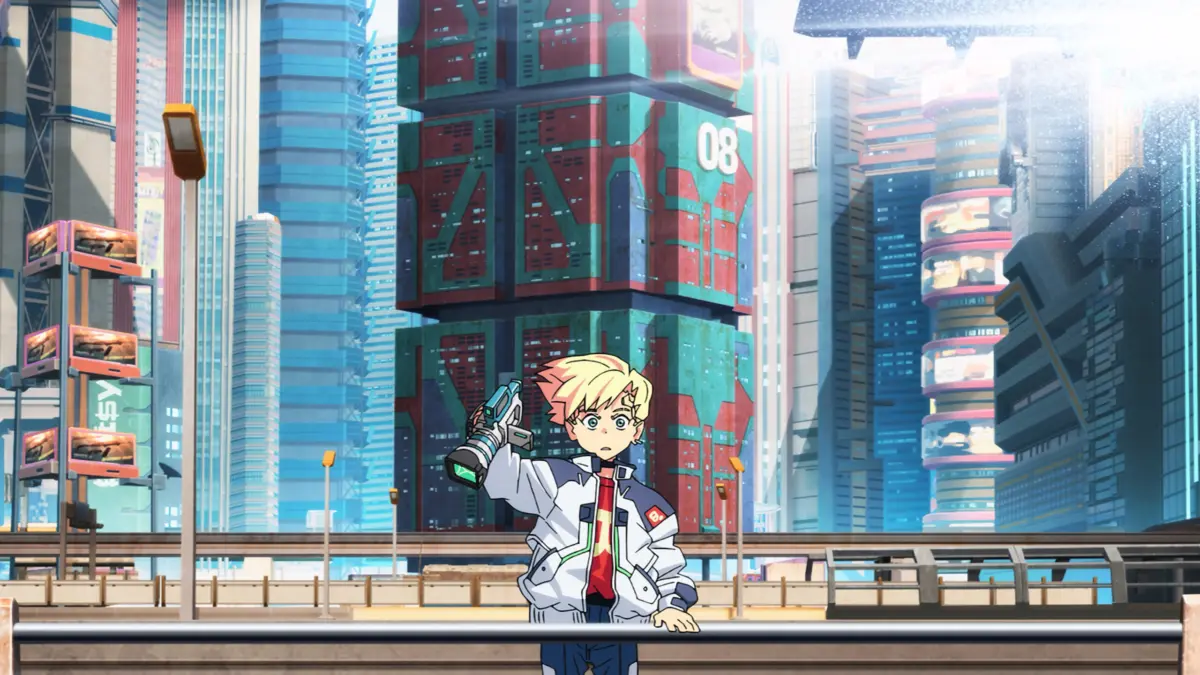
The release of Cyberpunk: Edgerunners Season 2 on Netflix marked another milestone for the collaborative media universe built between CD Projekt Red and Studio Trigger. Arriving on October 20, 2026, the second season carried the heavy burden of following a 2022 breakout hit that single-handedly revitalized public interest in the Cyberpunk 2077 video game franchise. Season 1 had set a towering benchmark, pulling in 47.75 million hours viewed and spending four consecutive weeks in Netflix’s global top 10 despite being initially pitched as a self-contained limited series.
With Kai Ikarashi stepping into the director’s chair and Bartosz Sztybor returning as showrunner, Season 2 expanded the narrative canvas of Night City. Moving away from the singular tragedy of David Martinez’s crew, the sophomore season offered a sprawling, multi-threaded narrative centered on revenge, second chances, and the existential horror of corporate-owned consciousness. For viewers navigating the dense web of digital engrams, high-stakes corporate espionage, and ambiguous character fates, a detailed examination of the finale is essential to fully grasp the trajectory of the overarching franchise.
Chronology and Development of the Return to Night City
The journey toward a second season of the critically acclaimed animated adaptation began long before its October 2026 premiere. Following the monumental success of the inaugural season in September 2022, rumors and guarded statements circulated regarding the future of the franchise. Netflix officially teased a return to Night City in September 2024, generating immense anticipation across both the anime and gaming communities.
Formal confirmation arrived at Anime Expo 2025, where production leads detailed the conceptual framework for the follow-up. Unlike the linear, tragic escalation of the first season—which focused on an ambitious street kid pushing his body past the brink of cyberpsychosis—showrunner Bartosz Sztybor approached Season 2 as a conceptual inversion. In promotional interviews, Sztybor described the new arc as "David’s story, but in reverse," utilizing characters who grapple with past trauma, institutional tracking, and the painful shedding of cybernetic enhancements.
The production timeline spanned nearly four years from the initial airing of Season 1 to the debut of Season 2. During this period, CD Projekt Red maintained strict quality control, adhering to a philosophy that required a compelling narrative hook and visionary artistic direction before greenlighting any continuation of the IP. This deliberate pacing ensured that the expansion of the Night City lore felt earned rather than hastily manufactured to capitalize on prior commercial success.
Main Facts of the Season 2 Narrative Arc
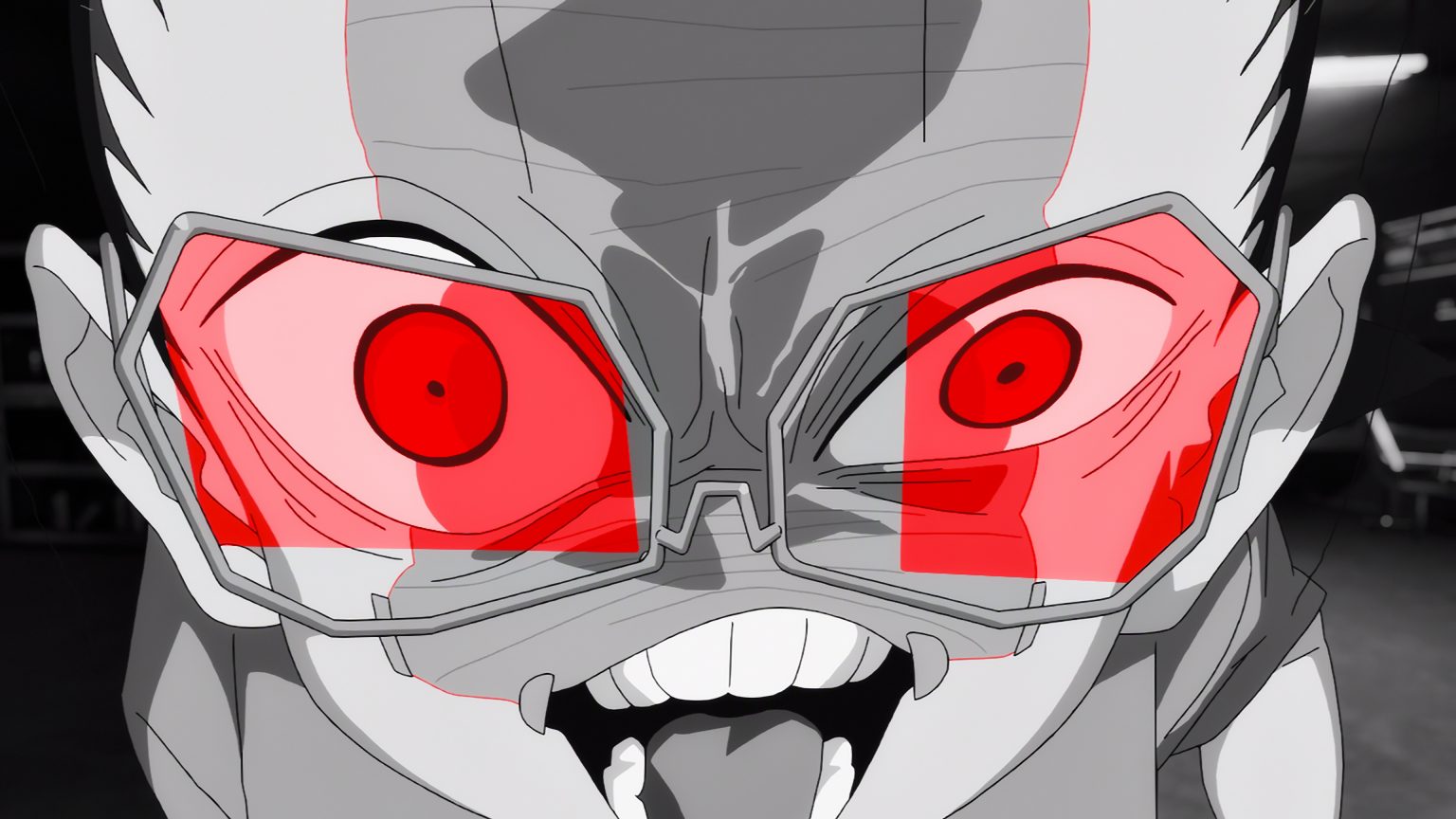
The core narrative of Season 2 revolves around a mysterious digital entity known as Capri, stored within a specialized data chip. When accessed via neural interface by characters D (voiced by Koki Uchiyama in Japanese and Nazeeh Tarsha in English) and Talia Yang (Kimoy Lee), Capri reveals herself to be an amalgamation of multiple human engrams.
This plot point serves as the most direct narrative bridge to the Cyberpunk 2077 video game universe. Capri’s digital architecture is rooted in "Soulkiller," the infamous neural-construct program originally developed by Arasaka to capture, store, and overwrite human consciousness. Within the show’s internal politics, Capri functions as an illicit AI superweapon engineered by rival megacorporation Kang Tao. Kang Tao sought to challenge Arasaka’s technological dominance in neural data manipulation, while Arasaka actively worked to suppress and bury all evidence of the project’s existence.
Parallel to the corporate conspiracy is the plight of D, Talia, and other individuals cataloged by Arasaka due to their unusually high physiological tolerance for advanced cybernetics. While speculation naturally arose regarding the physical return of David Martinez, creative leads repeatedly confirmed during Anime Expo 2025 and subsequent press junkets that David’s death in Season 1 remains permanent. Instead, the thematic echoes of the original protagonist manifest through D, whose real name is David, and veterans like Weak Kingsley (Clancy Brown), a washed-up edgerunner forced to abandon his chrome to survive.
Character Fates and Narrative Resolutions
The multi-threaded structure of Season 2 culminates in a series of high-stakes confrontations that alter the lives of Night City’s inhabitants, avoiding the total annihilation of the main cast seen in the first season while still delivering profound psychological and physical devastation.
The climax involving Talia Yang showcases the raw destructive power associated with advanced neural integration. Capri temporarily merges with Talia, curing her weakened physical state and pulling her back from the precipice of cyberpsychosis. Empowered by the AI, Talia exhibits kinetic manipulation reminiscent of classic cyberpunk archetypes, erecting metallic barriers to lay waste to corporate enforcers across Night City. However, before the destruction escalates beyond recovery, D manages to retrieve the data chip from Talia, choosing to abandon a cycle of clan-based vengeance.
Freed from the active neural merge, Talia experiences a sharp regression toward cyberpsychosis. To halt her deterioration, her neural implants are systematically removed. Accompanied by Weak Kingsley, Talia enters a specialized rehabilitation clinic, charting a slow path toward survival without reliance on cybernetic enhancements.
Meanwhile, D and Capri forge a precarious alliance. Refusing to succumb to corporate manipulation, D has his body cybernetically restored by Capri, setting the stage for an explosive exit. Pursued by combined forces from Kang Tao, Militech, and Arasaka, the pair’s ultimate fate remains deliberately ambiguous. The final sequence depicts them attempting an ascent toward the stars, punctuated by a distant explosion and a stellar twinkle that leaves viewers to interpret whether they perished under corporate fire or successfully reached the lunar colonies.
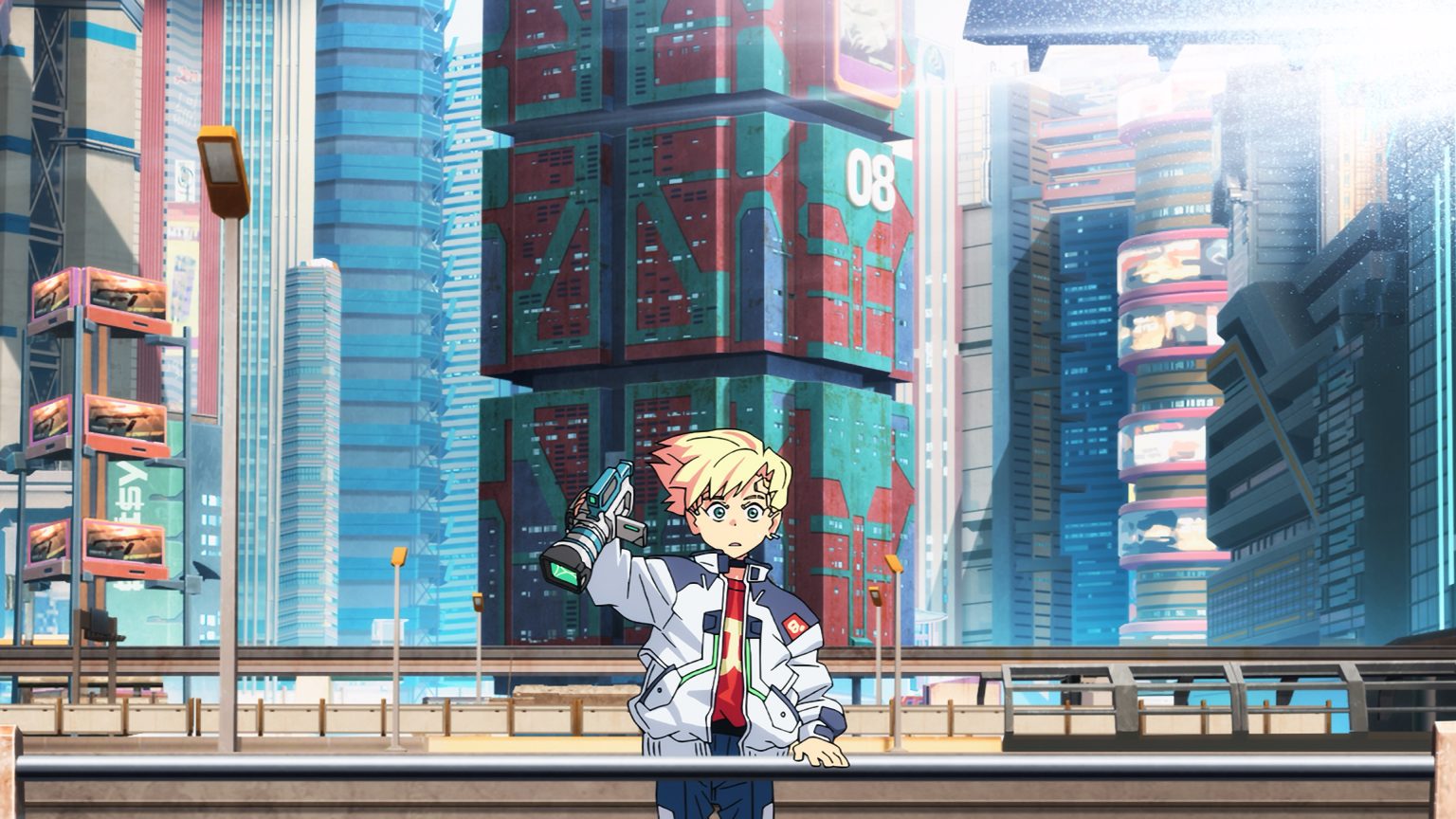
Among the supporting cast, Roman (Valeria Rodriguez)—the catalyst for the season’s events—survives intact. Although he fails to acquire his desired 35mm documentary camera, Roman persists in his mission to record the harsh realities of life within the metropolis. Similarly, Nomad survivor Omi (Analesa Fisher) reinforces the season’s core thesis that endurance in a dystopian landscape is the ultimate form of defiance.
Official Statements and Creative Intentions
The production team has been transparent about the deliberateness of the narrative choices underpinning Season 2. Bartosz Sztybor emphasized that the writing staff deliberately avoided fan-service tropes like resurrecting deceased icons, preferring instead to explore the broader systemic wounds inflicted by megacorporations upon the population of Night City.
Addressing the potential for a third season in post-finale interviews, Sztybor noted that while the expansive lore of the franchise leaves ample room for future storytelling, CD Projekt Red maintains rigorous standards. "There always needs to be a perfect story and a perfect director, artist, or a studio," Sztybor stated, underscoring that future installments depend entirely on the alignment of creative vision and production quality. If those elements fail to materialize, the creative team is content to leave Edgerunners as a definitive two-season anthology.
Broader Impact and Industry Implications
The success and execution of Cyberpunk: Edgerunners Season 2 carry significant implications for cross-media adaptations within the entertainment industry. By treating the video game universe not merely as a marketing vehicle, but as a robust platform for prestige animation, CD Projekt Red and Studio Trigger have established a viable blueprint for translating interactive properties into high-end television.
Financially and critically, the series demonstrates that mature, serialized anime can sustain high engagement on streaming platforms when backed by distinct artistic direction and meticulous narrative pacing. The show’s ability to drive ongoing player engagement for Cyberpunk 2077 while simultaneously standing on its own artistic merits proves the commercial viability of treating multimedia tie-ins as autonomous works of art. As streaming services and game publishers look for reliable avenues to expand intellectual properties, the production model of Edgerunners stands as a benchmark for quality control, narrative integrity, and respectful world-building.