The Chronology of Production and Distribution
The trajectory of Heat of Madness follows a concentrated development cycle typical of Ouelhaj’s production house. Following the 2022 release of Megalomaniac, which was lauded for its visceral, dark exploration of familial trauma and serial homicide, Ouelhaj entered pre-production on his follow-up project with an eye toward further experimentation with nonlinear narrative structures. Principal photography took place throughout late 2025 and early 2026, utilizing remote, desolate environments designed to reflect the protagonist’s internal instability.
The film made its highly anticipated premiere during the 2026 festival season, most notably at the Sitges Film Festival, an event renowned for its commitment to genre-bending and extreme cinema. The screening served as a barometer for audience reception, with industry professionals noting the project’s high production values—specifically the cinematography by Bernard Vervoort—contrasted against a narrative complexity that challenged standard viewer expectations.
Narrative Architecture and Stylistic Departure
At the center of Heat of Madness is the character of Scola, a man defined by his unearned sense of entitlement and a catastrophic failure in his professional life. The plot begins with a recognizable premise: a final heist intended to secure a future for the protagonist’s unborn child. When this operation is sabotaged, the film pivots from a standard revenge thriller into an avant-garde exploration of rage.
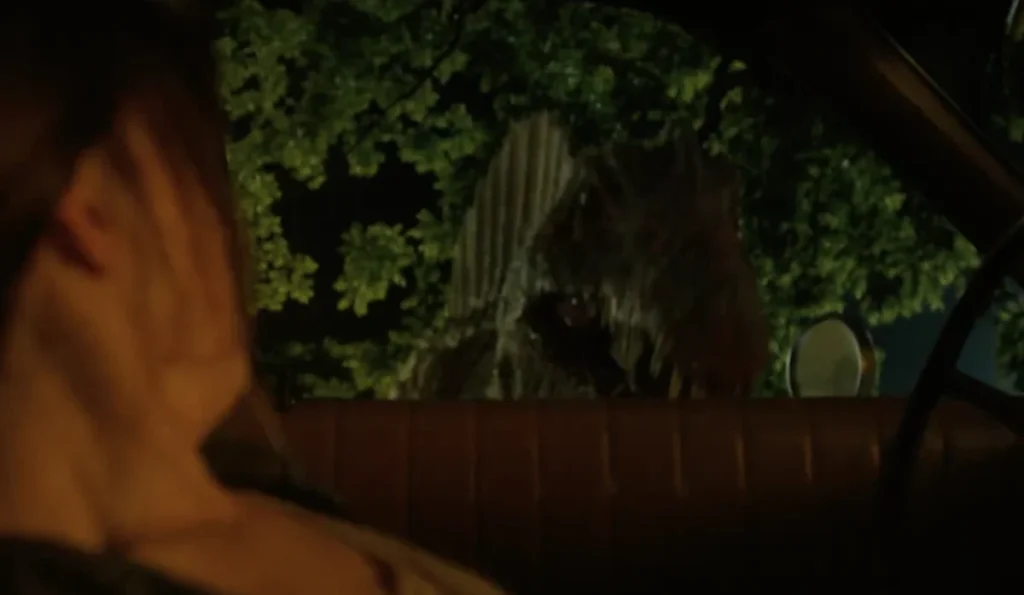
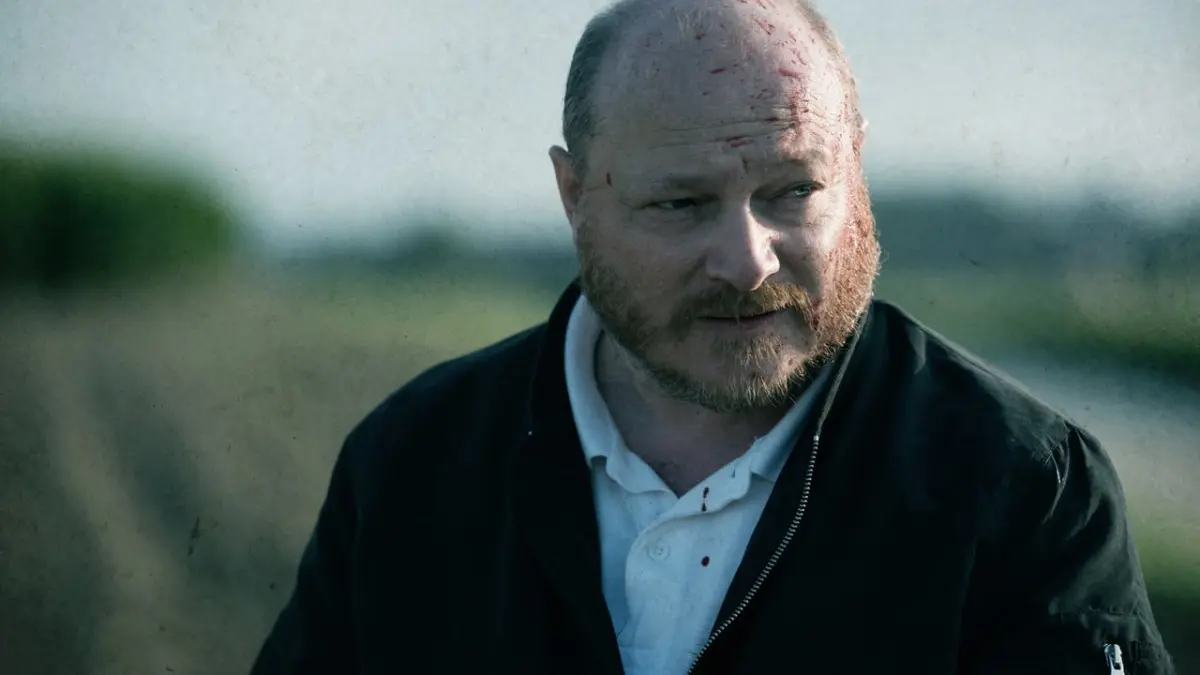
As Scola traverses a landscape stripped of traditional markers of reality, the film shifts in tone. The introduction of the character Petite Pomme, played by Julie Carroll, serves as the primary catalyst for the film’s transition into industrial fantasy. The inclusion of surreal elements—such as the character’s literal production of apples—highlights Ouelhaj’s intentional abandonment of realism. These vignettes, interspersed with imagery of a bloodied, crawling Scola being pursued by an ambiguous, shadow-like figure, serve as a rejection of linear causality.
Critics have pointed out that the film’s structure is intentionally fragmented. While the first hour adheres to the conventions of a gritty crime drama, the subsequent acts operate as a fever dream. This choice presents a distinct challenge to the viewer, as the narrative refuses to provide the traditional connective tissue required for a standard "hero’s journey" or "revenge arc."
Performance Analysis: The Portrayal of Scola
Olivier Picard’s performance as Scola is central to the film’s reception. His portrayal is intentionally abrasive, designed to alienate rather than solicit empathy. In the context of contemporary cinema, where the "anti-hero" often receives a redemption arc or a sympathetic backstory, Ouelhaj deliberately denies the audience these comforts. Picard’s performance is marked by aggressive, often misogynistic rhetoric and a stubborn refusal to acknowledge his own professional and personal shortcomings.
The character functions as an indictment of the "world-owes-me" mentality. By placing this character in an environment that defies the laws of physics and time, Ouelhaj forces the viewer to observe the futility of Scola’s rage. Despite the criticism leveled at the film’s disjointed narrative, industry analysts agree that Picard’s commitment to the character is absolute, anchoring the more bizarre sequences with a consistent, albeit repulsive, emotional core.

Technical Execution and Cinematographic Scope
The visual language of Heat of Madness is defined by Bernard Vervoort’s cinematography. Even as the narrative becomes increasingly unmoored from reality, the technical execution remains grounded in high-contrast lighting and meticulously framed shots. The aesthetic contrast between the gritty, earth-toned crime sequences and the cold, industrial surrealism of the latter acts provides the film with a cohesive visual identity, even when the plot itself feels fractured.
The production design team utilized practical effects and specific location scouting to ensure that the "desolate landscapes" felt tactile and suffocating. This commitment to the grotesque is a hallmark of Ouelhaj’s work, reinforcing his status as a filmmaker who prioritizes sensory impact and atmosphere over traditional plot resolution.
Broader Implications for Genre Cinema
The reception of Heat of Madness raises significant questions regarding the current state of independent genre cinema. In an era where streaming platforms and theatrical distributors are increasingly risk-averse, films like Ouelhaj’s represent a commitment to the auteur theory—a belief that the director’s singular, uncompromising vision should take precedence over market-tested narrative structures.
While the film has been criticized for its "bloated" final act and the reliance on symbols that remain largely impenetrable to the general audience, its existence serves as an important data point for genre enthusiasts. The film’s failure to provide a cohesive resolution is, in many ways, the point. By crafting a work that refuses to adhere to the conventions of time, space, and character empathy, Ouelhaj is signaling a shift toward a more abstract form of horror-thriller.
Industry Response and Future Trajectory
While official statements from production studios have remained focused on the film’s technical merits and its success in securing high-profile festival slots, the broader critical discourse suggests a divide. Advocates of experimental cinema have lauded the film as a brave, albeit imperfect, attempt to expand the boundaries of the genre. Conversely, traditional critics have expressed frustration with the lack of narrative cohesion, particularly in the film’s closing movements.
The implications for Ouelhaj’s future projects are clear: he has solidified his reputation as a filmmaker who is willing to gamble with audience patience in exchange for aesthetic and thematic ambition. Whether this approach will prove sustainable in a commercial market remains to be seen. However, as evidenced by the ongoing discourse surrounding the film weeks after its debut, Heat of Madness has achieved its primary goal: it has provoked conversation and left a lasting, if disquieting, impression on its audience.
As the festival circuit concludes and the film moves toward potential limited releases, the focus will shift to how international markets interpret the film’s specific brand of European existentialism. For now, Heat of Madness stands as a testament to the risks of unfettered creativity and the ongoing evolution of the crime-thriller genre in the mid-2020s. The film acts as a mirror to the chaotic, often incoherent nature of modern frustration, even if it does not always succeed in offering a clear reflection. Ultimately, it is a work that demands engagement, regardless of whether that engagement leads to satisfaction or frustration.