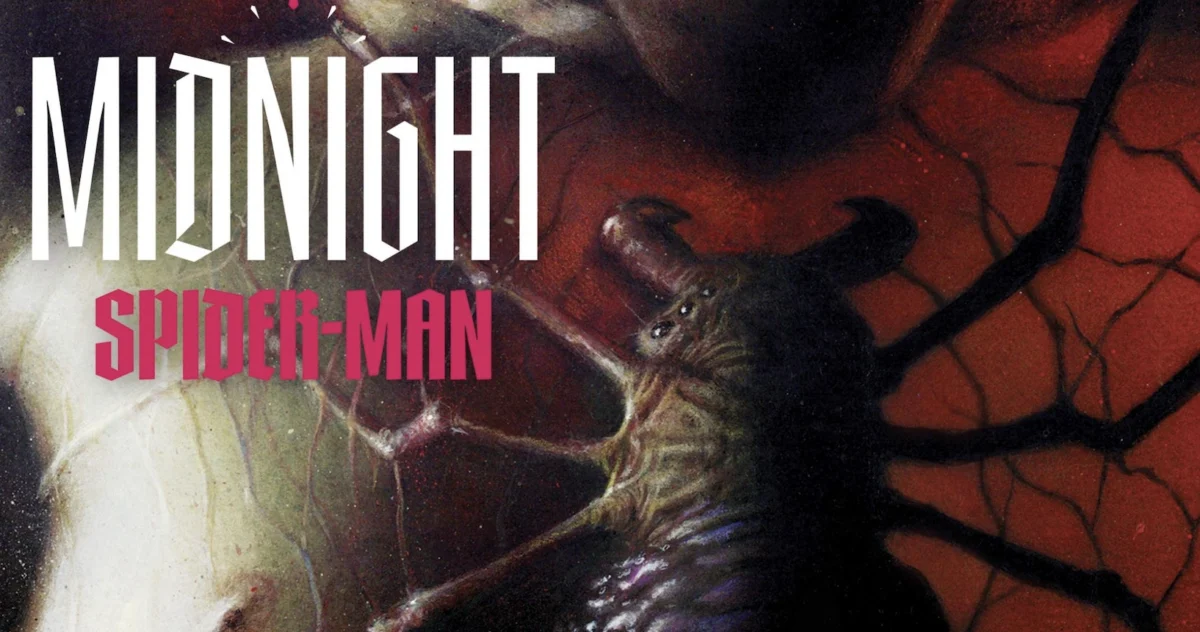
Marvel Comics has ignited the imaginations of its readership with the first striking visual from its ambitious new "Midnight Universe" imprint, unveiling the cover art for Midnight Spider-Man #1. The image, masterfully rendered by artist Steve Beach, transcends typical superhero aesthetics, presenting a nightmarish vision of Peter Parker that firmly establishes the imprint’s commitment to visceral horror. This initial reveal suggests that Marvel’s foray into darker reimaginings of its iconic characters is not merely a cosmetic alteration of costume palettes but a fundamental redefinition of their origins and very beings, delving deep into the realm of body horror and psychological terror.
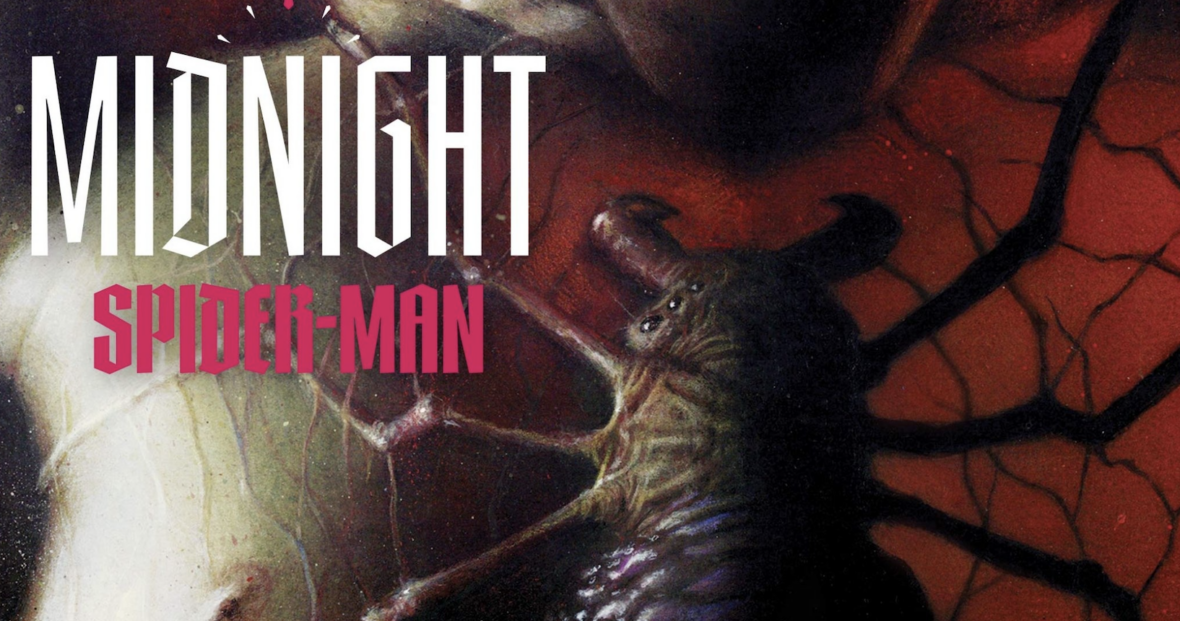
The cover art for Midnight Spider-Man #1 is a visceral and unsettling depiction of a young Peter Parker undergoing a horrifying transformation. Rather than a static portrayal of a familiar hero, the artwork captures a moment of extreme physical agony and grotesque metamorphosis. Peter’s form appears to be violently bifurcating, caught between the familiar human anatomy and a burgeoning, monstrous entity. The focal point of the horror is a grotesque, spider-like parasite erupting from his chest, a clear visual metaphor for the invasive and destructive nature of the force that has corrupted him. Bathed in oppressive, blood-red shadows and delineated by stark, vein-like cracks that fracture his very being, the image evokes a profound sense of dread and revulsion, elements rarely explored with such intensity in mainstream superhero comic book cover art.
This unvarnished depiction directly communicates the core mission statement of Marvel’s Midnight Universe: to deliver horror-infused retellings of its most beloved characters. The artwork for Midnight Spider-Man #1 makes it unequivocally clear that this is not about giving Spider-Man a darker attitude or a trench coat; it is about a complete deconstruction and reconstruction of the character into a creature born from nightmares. The immediate impact of Beach’s artwork is its uncompromising commitment to the horror genre, signaling a bold new direction for these characters and their narratives.
Steve Beach, the artist behind this arresting image, brings a distinguished pedigree to the Midnight Universe. He has cultivated a strong reputation for producing richly detailed and evocative painted covers that skillfully meld the technical precision of fine art with the narrative potency of genre storytelling. His work often eschews conventional comic book stylization, leaning instead towards the unsettling realism found in classic horror illustration or contemporary gallery art. This approach lends a gravitas and tangible fear to the characters and scenarios he depicts, making them resonate on a deeper, more primal level.
The realism of the Midnight Spider-Man cover is particularly noteworthy. The parasitic entity emerging from Peter’s chest is not rendered in a stylized or cartoony fashion; it possesses a tangible, almost photographic quality. The meticulously depicted cracked skin, the distorted and unnatural anatomy, and the suffocating darkness that envelops the scene collectively create the overwhelming impression that the viewer is witnessing an agonizing, in-progress metamorphosis rather than a posed character portrait. This level of visceral detail amplifies the horror, making the transformation feel immediate, painful, and deeply disturbing. The artwork successfully communicates that this is not a mere visual rebranding but a fundamental, physical unraveling.
This striking cover art serves as the clearest indication to date of the aggressive and uncompromised manner in which Marvel intends to integrate horror elements into its Midnight Universe. The publisher appears to be embracing a strategy reminiscent of the radical reinvention that propelled DC Comics’ "Absolute Universe" line into the cultural zeitgeist, but with a distinctly darker, more monstrous, and body-horror-centric focus. This suggests a calculated move to tap into a demographic that appreciates mature themes and visceral storytelling, while also offering existing Marvel fans a drastically different and potentially more challenging reading experience.
The narrative premise for Midnight Spider-Man further solidifies this commitment to a darker, more visceral origin. According to initial details, a young Peter Parker falls victim to the ruthless Oscorp Corporation. In their obsessive pursuit of eternal life, Oscorp subjects Peter to horrific experimentation, transforming him into a hideous spider hybrid. The story then posits a scenario where Oscorp begins to weaponize the knowledge gained from Peter’s mutation, creating further human-animal abominations. In response, Peter is compelled to embrace his grotesque new form and terrifying abilities to combat the very entity that created him, setting the stage for a conflict steeped in body horror and moral ambiguity. This origin story is a significant departure from the classic tale of a radioactive spider bite, grounding the character’s transformation in human malevolence and scientific hubris, classic tropes of the horror genre.
The release of Midnight Spider-Man #1 is slated for this fall, serving as a cornerstone of Marvel’s expanding Midnight Universe initiative. This imprint aims to explore the shadowed depths of Marvel’s established characters, reinterpreting their origins and destinies through the lens of various horror subgenres. While specific details about other titles within the Midnight Universe remain under wraps, the precedent set by Midnight Spider-Man suggests a consistent dedication to pushing thematic and visual boundaries, promising readers a collection of stories that are as unsettling as they are compelling.
Historical Context and Marvel’s Horror Legacy
Marvel Comics has a long, albeit often understated, history with the horror genre. In the early 1970s, the company experienced significant success with titles like Tomb of Dracula, Werewolf by Night, and The Monster of Frankenstein. These books were notable for their mature themes, gothic atmosphere, and exploration of classic horror archetypes. However, over the decades, Marvel’s focus shifted predominantly towards superhero narratives, with horror elements often relegated to secondary plot devices or specific character arcs.
The emergence of the Midnight Universe marks a deliberate and significant re-engagement with the horror genre, aiming to recapture the visceral impact of those earlier works while infusing them with modern sensibilities and a broader range of horror subgenres. The publisher’s decision to reimagine core characters like Spider-Man, rather than exclusively focusing on existing horror-adjacent figures, signals a strategic effort to broaden the appeal of horror within the mainstream comic book market and to explore the potential for existential dread and physical violation within the familiar Marvel tapestry.
The Significance of the Oscorp Corporation in the Midnight Universe
The choice of Oscorp Corporation as the catalyst for Peter Parker’s transformation in Midnight Spider-Man is a significant narrative decision. Oscorp, traditionally the domain of Norman Osborn and his Green Goblin persona, has always represented the darker side of scientific ambition and unchecked corporate power within the Marvel Universe. In the context of the Midnight Universe, Oscorp’s pursuit of "eternal life" through radical biological experimentation aligns perfectly with the body horror themes of the imprint. This recontextualization of Oscorp positions them not just as a rival to Spider-Man but as a direct, malevolent force of corruption, fundamentally altering the nature of their conflict. Their ambition to create human-animal hybrids suggests a broader, more insidious agenda that could have far-reaching implications for the entire Midnight Universe.

Artistic Evolution and Genre Blending
Steve Beach’s contribution to Midnight Spider-Man #1 is crucial to understanding the visual language of the Midnight Universe. His background in creating artwork that bridges fine art sensibilities with genre narratives suggests a deliberate move away from the more stylized, action-oriented artwork often associated with mainstream superhero comics. By embracing a painterly realism and a focus on texture, anatomy, and shadow, Beach creates an atmosphere of palpable dread. This approach is not merely decorative; it is integral to conveying the story’s thematic concerns. The grotesque details, the unsettling proportions, and the claustrophobic composition all work in concert to immerse the reader in Peter Parker’s horrifying ordeal. This artistic direction indicates a commitment to visual storytelling that prioritizes psychological impact and visceral reaction, setting the Midnight Universe apart from its more traditional superhero counterparts.
Broader Implications for the Comic Book Landscape
The launch of Marvel’s Midnight Universe, spearheaded by the unsettling Midnight Spider-Man cover, has several implications for the broader comic book industry. Firstly, it signals a growing appetite for more mature and thematically diverse content within the superhero genre. By leaning into horror, Marvel is potentially attracting new readers who may not have previously engaged with traditional superhero narratives, as well as offering a fresh perspective to existing fans.
Secondly, this initiative could inspire further experimentation within other major comic book publishers. The success of genre-bending initiatives, such as DC’s "Absolute Universe" which explored darker, alternate realities for its characters, demonstrates that audiences are receptive to bold reinterpretations. Marvel’s approach, with its explicit focus on horror, carves out a distinct niche and could encourage competitors to explore similar avenues of genre fusion.
Finally, the critical reception and sales performance of the Midnight Universe titles will be closely watched. If successful, it could pave the way for more dedicated horror imprints or a greater integration of horror elements across mainstream comic book lines, enriching the overall landscape of the medium and offering a wider spectrum of storytelling possibilities. The ambition of the Midnight Universe, as evidenced by the visceral imagery of Midnight Spider-Man #1, suggests a commitment to pushing boundaries and redefining what a "superhero" story can be.