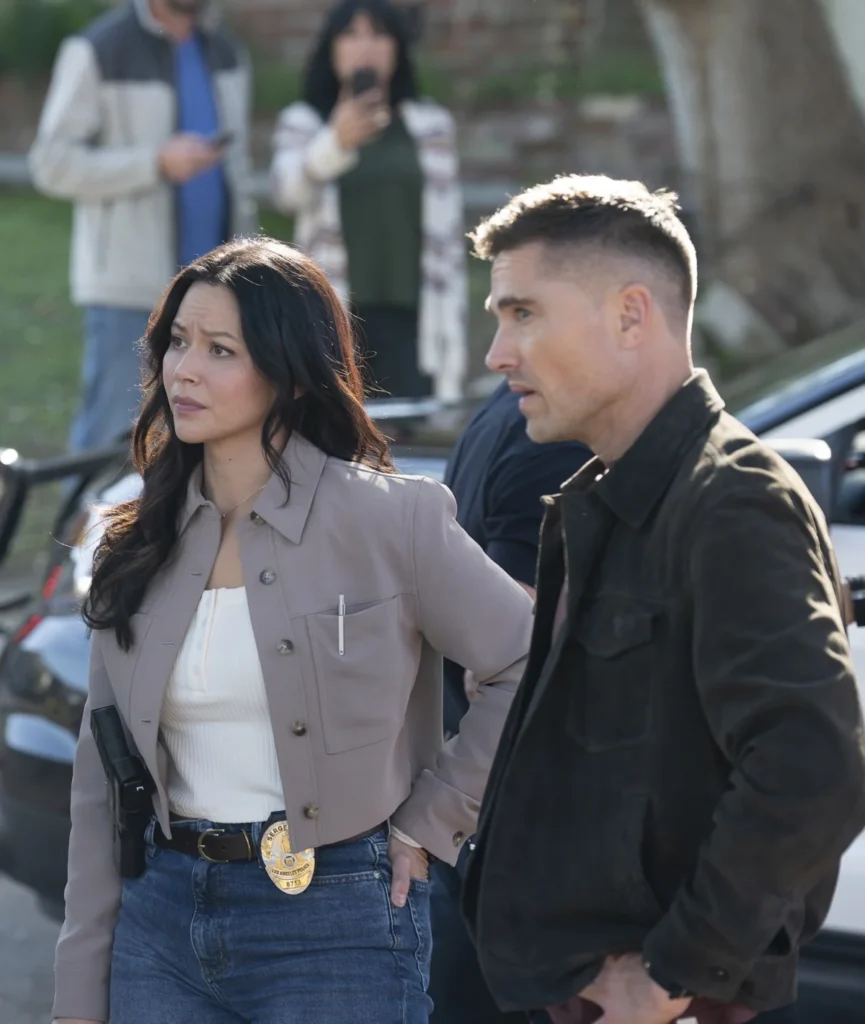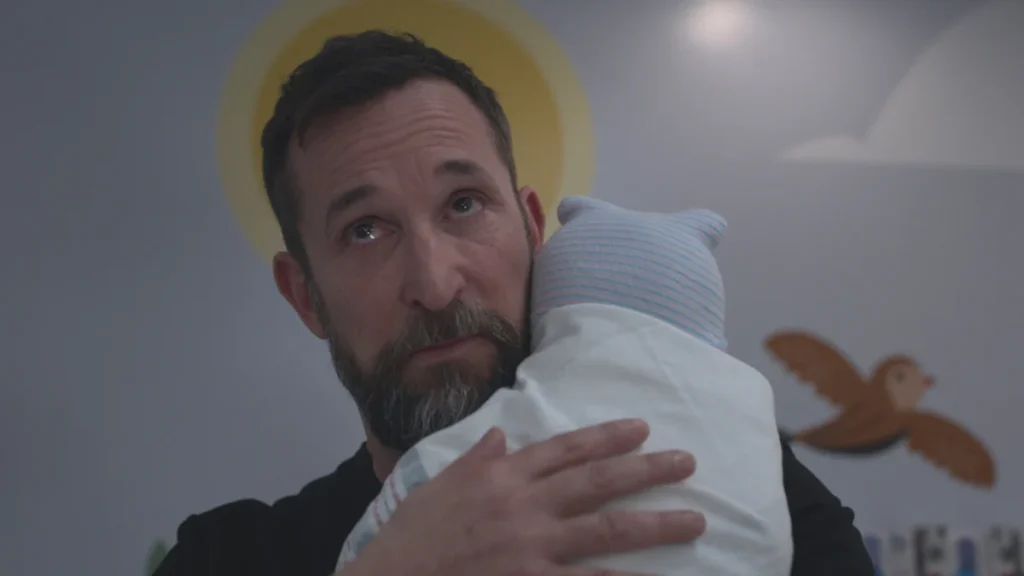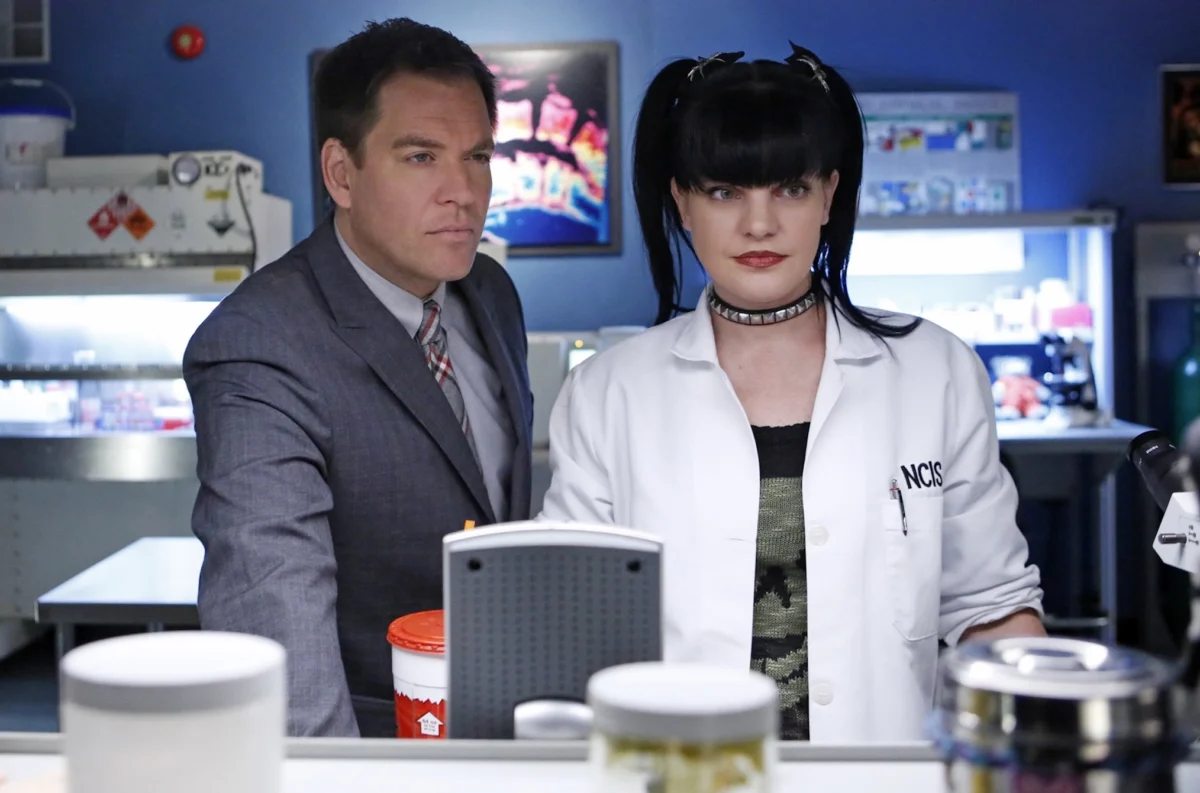
The long-running procedural drama NCIS is currently preparing for its 24th season, a milestone that places it among the most enduring scripted programs in television history. Despite a rotating roster of lead actors and the departure of several iconic original cast members, the series has maintained a dominant position in the ratings and a dedicated global fanbase. During a recent episode of the NCIS: Partners & Probies podcast, hosted by current series regulars Brian Dietzen and Diona Reasonover, former executive producer Mark Horowitz offered a rare look into the internal philosophy that has sustained the show’s relevance for over two decades. Horowitz, who worked on both the predecessor series JAG and NCIS until its 20th season, suggested that the show’s success is rooted less in its forensic mysteries and more in a specific, relatable family dynamic centered on seeking parental approval.
The Psychological Core of the NCIS Narrative
In his discussion with Dietzen, who portrays Dr. Jimmy Palmer, and Reasonover, who plays forensic scientist Kasie Hines, Horowitz addressed the fundamental question of why audiences remain connected to the show after so many years. While many viewers tune in for the procedural elements of the Naval Criminal Investigative Service, Horowitz posited that the procedural aspect is secondary to the interpersonal stakes. He famously characterized the show’s internal logic as "the kids trying to please dad."
According to Horowitz, the "Dad" figure—initially embodied by Special Agent Leroy Jethro Gibbs, played by Mark Harmon—served as the gravitational center of the team. The tension of the episodes often stemmed from the younger agents’ desire to earn Gibbs’ respect or their fear of failing him. This dynamic created a "family" atmosphere that resonated with viewers on an emotional level, transcending the technical details of the crimes being solved. Horowitz noted that while the show frequently features a "dead petty officer in Rock Creek Park," the audience is primarily invested in the team’s reaction to the event and their standing with their leader. This "family" framework allowed the audience to project their own experiences with mentorship, authority, and sibling-like rivalry onto the characters.
Managing Major Cast Transitions and Evolution
One of the most significant challenges for any long-running series is the departure of "tentpole" actors. NCIS has faced several high-profile exits, including Michael Weatherly (Tony DiNozzo) in Season 13, Pauley Perrette (Abby Sciuto) in Season 15, and Cote de Pablo (Ziva David) in Season 11. The most pivotal transition occurred in Season 19 when Mark Harmon, the face of the franchise for nearly two decades, exited the series.
Horowitz explained that the show’s ability to survive these departures relied on the chemistry between the remaining cast and the seamless integration of new personalities. When Wilmer Valderrama joined as Nick Torres following Weatherly’s exit, or when Reasonover’s Kasie Hines succeeded Perrette’s Abby, the show focused on maintaining the "family energy." Horowitz emphasized that as long as the chemistry remained authentic, the audience was willing to accept new members into the fold. The transition from Gibbs to Gary Cole’s Alden Parker served as the ultimate test of this theory. By establishing Parker as a different kind of leader—one who still commanded respect but operated with a different interpersonal style—the show preserved the "father-figure" dynamic while allowing the series to evolve.
A Chronological History of the NCIS Franchise
The origins of NCIS date back to 2003, when the series was introduced as a backdoor pilot during the eighth season of the legal drama JAG. Created by Donald P. Bellisario and Don McGill, the show was initially titled Navy NCIS before shortening its name.
- 2003–2010: The Formative Years. The original team, consisting of Gibbs, DiNozzo, Abby Sciuto, Dr. Donald "Ducky" Mallard (David McCallum), and Timothy McGee (Sean Murray), established the show’s tone. The addition of Ziva David in Season 3 following the death of Caitlin Todd (Sasha Alexander) solidified the "classic" lineup.
- 2011–2016: The Era of Change. This period saw the departure of Ziva David and Tony DiNozzo, two of the show’s most popular characters. The series introduced Eleanor Bishop (Emily Wickersham) and later Nick Torres to fill the void, maintaining its status as the most-watched drama on television.
- 2017–2021: The Transition of the Guard. Major shifts occurred with the exits of Abby Sciuto and eventually Leroy Jethro Gibbs. The series hit its 400th episode milestone during this time, proving that the brand was stronger than any individual star.
- 2022–Present: The Parker Era and the Road to Season 24. Gary Cole’s Alden Parker took over the lead role, and the show celebrated its 500th episode. The franchise has since expanded into a global powerhouse with spinoffs in Los Angeles, New Orleans, Hawai’i, and Sydney.
Supporting Data and Viewership Trends
The longevity of NCIS is supported by consistent ratings data that defies the general downward trend of linear television. For much of its run, NCIS has averaged between 12 million and 20 million viewers per episode in the United States. Even in its later seasons, it frequently ranks as the #1 broadcast drama.
According to Nielsen data, the show’s "family" appeal translates well across demographics, maintaining a strong hold on both older viewers who value the procedural format and younger audiences who engage with the characters via streaming platforms like Paramount+ and Netflix. The show’s syndication value is estimated in the billions, with reruns airing constantly on networks such as USA and ION Television. This ubiquitous presence has created a multi-generational fanbase where children who grew up watching the show with their parents are now tuning in as adults.
Official Responses and the Impact of the 500th Episode
The recent 500th episode served as a reflection point for the cast and crew. While the episode focused on a high-stakes narrative involving Director Leon Vance (Rocky Carroll), it also underscored the theme of legacy. The reported departure of Rocky Carroll’s character in Episode 500 marks another significant shift for the series heading into Season 24.
Current cast members Sean Murray and Brian Dietzen, who have been with the show since Season 1 (initially in recurring roles), have frequently spoken about the "work-family" culture on set. Dietzen has noted in various interviews that the longevity of the show is a testament to the lack of "ego" among the cast. This professional harmony, as Horowitz suggested, translates directly to the screen. The production team’s ability to pivot—such as dealing with the real-life passing of David McCallum in 2023—has been handled with a level of grace that reinforces the "family" bond with the audience.
Broader Implications for the Television Landscape
The success of NCIS provides a blueprint for the "Blue Sky" procedural—a genre that prioritizes character comfort and resolution. In an era where many prestige dramas lean into nihilism or complex serialized narratives, NCIS offers a reliable structure. The "Dad" dynamic identified by Horowitz suggests that procedural television functions similarly to folklore; the stories are familiar, the roles are clearly defined, and the moral outcomes are generally positive.
As the industry moves further into the streaming age, the resilience of NCIS suggests that there is still a massive market for long-form, episodic storytelling. The upcoming 24th season, scheduled for Fall 2026, will likely continue to explore the evolution of the team under Alden Parker’s leadership. With no current indications of further cast departures beyond the Vance storyline, the show appears poised to maintain its "family" chemistry.
Conclusion: The Endurance of the NCIS Legacy
Mark Horowitz’s insights reveal that the "secret sauce" of NCIS is not found in the laboratory or the interrogation room, but in the psychological archetypes the characters inhabit. By framing the team as a family unit seeking the approval of a father figure, the show tapped into a universal human experience. As Sean Murray and Brian Dietzen continue to lead the veteran wing of the cast, the series remains a masterclass in brand management and narrative consistency. Whether the team is solving a crime in Rock Creek Park or navigating the internal politics of the Navy, the audience remains invested because they are, in a sense, part of the family. Season 24 will represent another chapter in this decades-long saga, continuing a television legacy that shows few signs of slowing down.