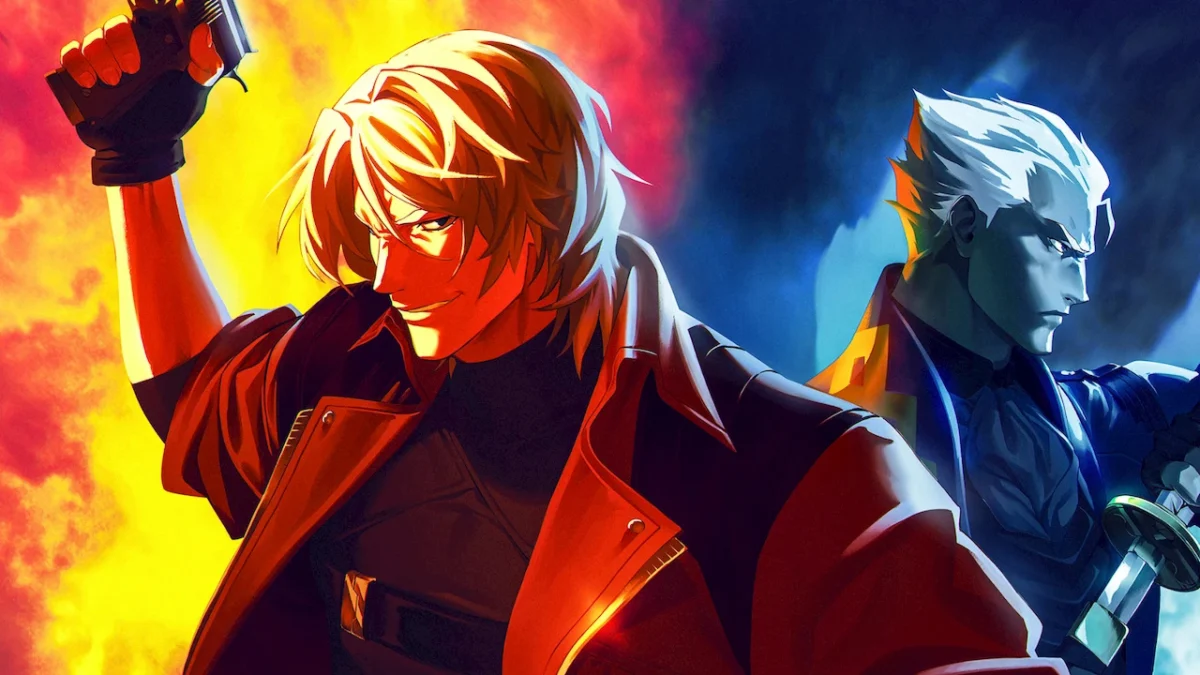
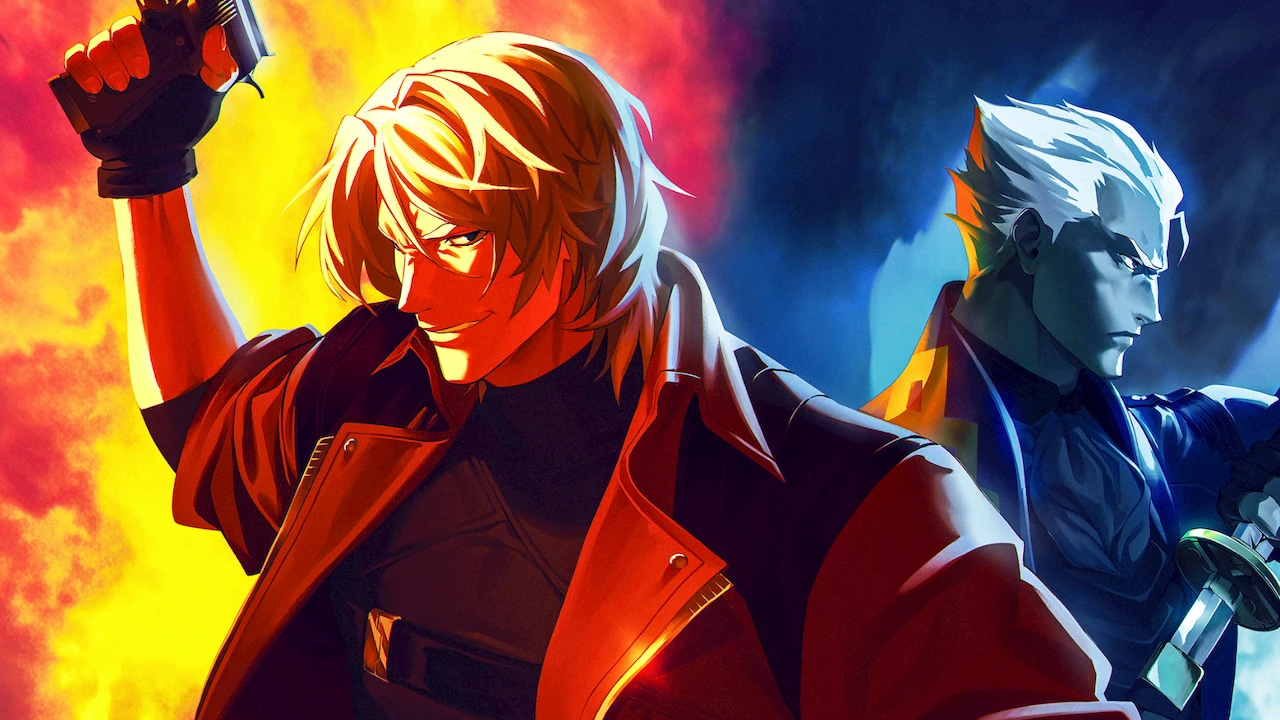
The second season of Netflix’s critically acclaimed animated series Devil May Cry concluded with an explosive finale, leaving audiences with a cascade of game-changing revelations and a dramatic cliffhanger that promises a deeply emotional and action-packed third season. The concluding episodes plunged viewers into an apocalyptic battle spanning Earth and the demonic realm of Makai, featuring colossal monsters, a pivotal decision from Vergil, and a shocking reveal regarding Lady’s parentage. This grand finale not only intensified the inherent conflict between the half-demon brothers, Dante and Vergil, but also broadened the scope of the narrative, positioning them on a collision course that could redefine the fate of both worlds. The series, an adaptation of Capcom’s iconic video game franchise, has consistently leveraged its source material’s rich lore while infusing it with mature themes and complex character development, a hallmark of producer Adi Shankar’s successful approach to video game adaptations.
The Foundation of Conflict: Dante, Vergil, and the War for Makai
Throughout its initial season, Devil May Cry established a dual narrative focus. One arc followed Dante, the stylish demon hunter, who found himself reluctantly entangled with the enigmatic DARKCOM corporation. His primary mission, ostensibly, was to assist in the eradication of Mundus, the formidable King of Hell, a quest interwoven with his personal search for his long-lost twin brother, Vergil. Simultaneously, Vergil’s storyline unfolded as a relentless pursuit of vengeance against those responsible for the tragic death of his mother, Eva. Both brothers, unknowingly manipulated by unseen forces, found themselves on opposing sides of a conflict far more intricate and insidious than initially perceived. This foundational setup laid the groundwork for their inevitable confrontation and the complex emotional tapestry that defines their relationship.
The series has delved deeply into the intricate history of Makai, the demonic dimension. Central to this lore is Sparda, Dante and Vergil’s father, a legendary demon knight who once rebelled against his own kind. Flashbacks and narrative exposition revealed Sparda’s pivotal role in liberating Makai from the tyrannical rule of a previous despot, later identified as Argosax. His subsequent abandonment of Hell for Earth, following a monumental clash with his former ally, Mundus, established the deep-seated rivalry and power vacuum that would shape the destiny of his sons. Beyond its visceral demon-hunting action, the Devil May Cry series has subtly woven in allegorical themes, drawing parallels between the unending conflict between Earth and Hell and real-world geopolitical tensions, such as post-9/11 paranoia and the Iraq War. This thematic depth elevates the narrative beyond mere spectacle, portraying the war as a manufactured crisis fueled by the megalomaniacal ambitions of fanatics seeking ultimate power.
The Architects of Chaos: Argus, Uroboros, and the Rise of Argosax
Season two meticulously built towards its climactic confrontation by unmasking the true orchestrator of the chaos: Argus, the shadowy leader of the Uroboros Corporation. For centuries, Argus had been obsessed with achieving immortality, a quest facilitated by his pact with Argosax, the ancient and powerful former ruler of Hell. The final two episodes saw Argus bring his nefarious plan to fruition, successfully freeing Argosax from his imprisonment and subsequently fusing with the demonic entity, thereby attaining an unimaginable level of power. This fusion transformed Argus into a colossal threat, poised to unleash utter destruction upon Earth.
In a desperate, albeit precarious, alliance, Dante and Vergil recognized the immediate danger posed by the newly empowered Argus/Argosax. Their combined might was barely enough to open a massive rift directly into Hell, through which they managed to push the fused monster. The strategic objective was to pit Argosax against Mundus, hoping that the King of Hell, having defeated Argosax once before, could again neutralize the threat. This uneasy gambit highlighted the brothers’ shared, albeit often conflicted, commitment to protecting the human world, even if it meant relying on a greater evil to defeat a more immediate one.
Vergil’s Ultimate Choice and Confrontation with Mundus
The plan initially seemed successful. Mundus, with a display of overwhelming power reminiscent of their ancient rivalry, effortlessly dispatched Argosax, confirming his status as the undisputed ruler of Hell. However, Argosax’s defeat left a significant problem: the massive portal to Hell remained open, providing an unhindered conduit for Mundus’s vast demonic armies to invade Earth. As Dante raced against time to seal the gaping rift, Vergil seized a moment of profound personal significance. He confronted Mundus directly, demanding answers regarding the death of his mother, Eva.
Mundus, exhibiting a chilling blend of arrogance and calculated manipulation, did not deny his role in Eva’s demise. Instead, he justified his actions by claiming Eva’s influence over the twin brothers needed to be severed to prevent them from becoming too powerful and potentially disrupting his dominion. He further confessed to a long-standing deception, admitting he had lied to Vergil, manipulating him with promises of power and vengeance, all with the ultimate goal of molding him into his most formidable warrior.
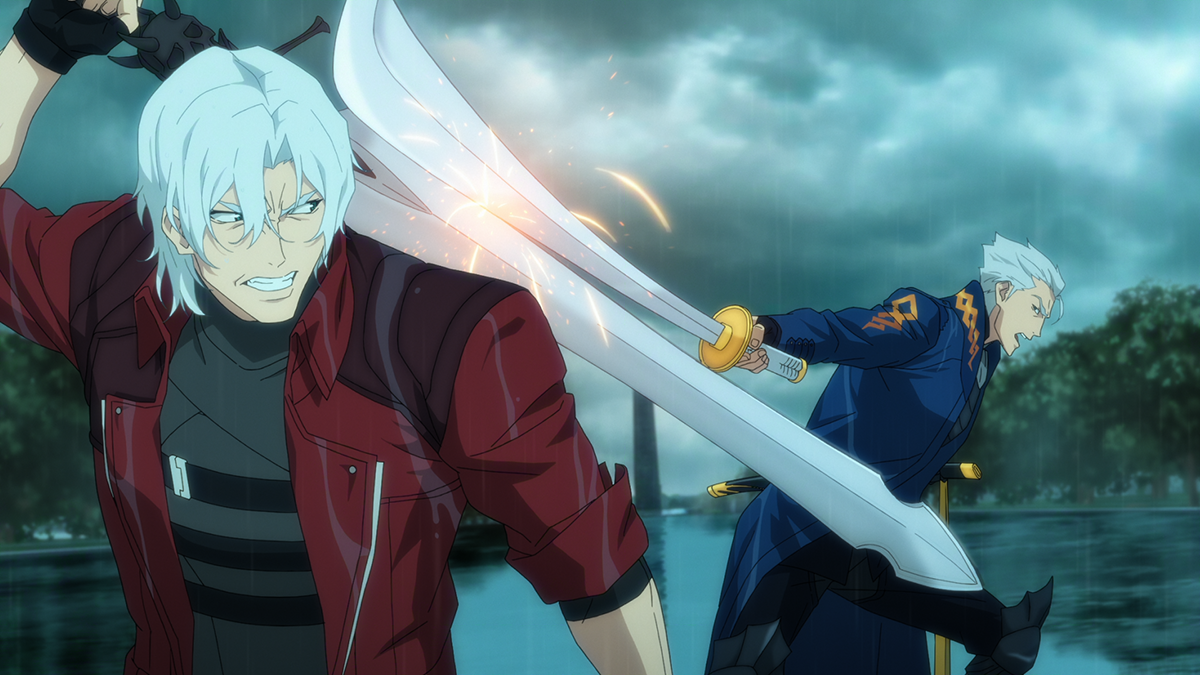
In the ensuing, brutal confrontation, Vergil made a shocking and definitive choice. Instead of aiding Dante in sealing the rift, he forcibly pushed his brother through it, along with their father’s legendary sword, effectively sealing the portal behind Dante and severing their connection. Vergil then turned his full attention to Mundus, declaring Hell his new home and his intent to challenge for its throne. His chilling proclamation that he would lead a future invasion against Earth signaled a dramatic shift in his character and the overarching narrative, transforming the brotherly rivalry into a potential war between realms, with Vergil at the helm of the demonic forces.
The Lingering Question: Vergil’s Fate and Lady’s Revelation
The immediate aftermath of Vergil’s audacious challenge left his fate ambiguous. The last images of him showed him locked in a fierce battle with Mundus, an opponent of immense power that even his legendary father, Sparda, could not definitively defeat. The series deliberately cut away before revealing the victor, ensuring maximum suspense for the upcoming season. This narrative choice aligns with the show’s commitment to dramatic tension and the unpredictable nature of demonic power struggles.
Meanwhile, back on Earth, Dante’s plummet from the incredible height of the collapsing rift brought him back to the human world, physically battered but spiritually burdened by Vergil’s apparent betrayal. His fall was punctuated by poignant childhood memories of his brother, underscoring the deep, conflicted bond that persists despite their divergent paths.
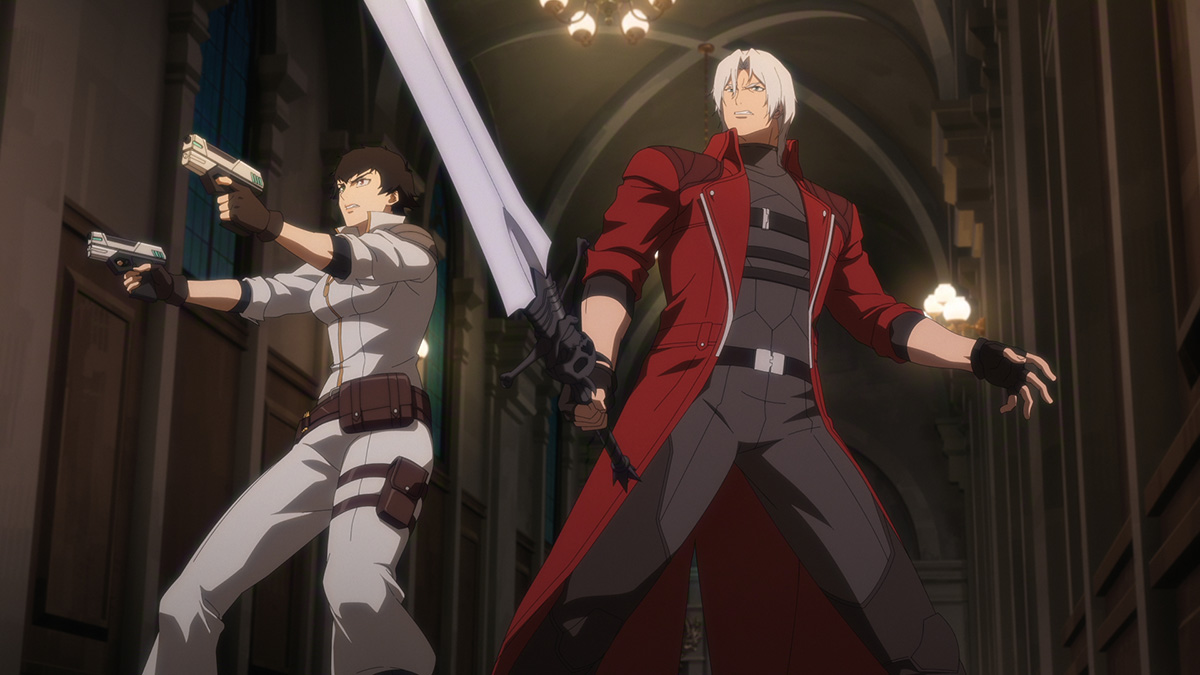
Concurrently, Lady, a central figure in the demon-hunting world, pursued her own quest for justice. Her investigation into her mother’s death led her to uncover shocking footage from DARKCOM. This discovery revealed that her father, who she believed to be deceased, was not only alive but had undergone a grotesque transformation. He was, in fact, the enigmatic demon jester, a double agent who had been subtly manipulating events within Mundus’s court throughout the season. This revelation sets up an intensely personal and potentially heartbreaking reunion for Lady, intertwining her individual vendetta with the grander conflict brewing between worlds.
Implications for Devil May Cry Season 3 and Beyond
The Devil May Cry Season 2 finale has meticulously crafted a complex web of anticipation for its third installment. The stage is now set for multiple bitter and potentially devastating reunions. How will Lady grapple with the horrific truth of her father’s demonic transformation and his treacherous role in Makai? Will Vergil emerge victorious against Mundus, solidifying his claim to the throne of Hell? And if so, what form will his promised invasion of Earth take, and how will Dante, now seemingly alone, prepare for such an onslaught?
The series creator, Adi Shankar, has previously expressed a long-term vision for the Devil May Cry narrative, stating in an interview that he has the story arcs mapped out for the next decade, contingent on Netflix’s continued support. This ambitious plan suggests a deep well of lore and character development yet to be explored, promising a sustained and evolving narrative experience for fans. Shankar’s track record with Castlevania, another highly successful video game adaptation for Netflix, demonstrates his capability to deliver multi-season arcs that honor the source material while expanding its thematic and emotional reach. The success of Devil May Cry further solidifies Netflix’s strategy of investing in high-quality animated adaptations of popular gaming franchises, building a dedicated audience and diversifying its content library.
The final moments of Season 2 not only delivered on the promise of epic demon fights but also deepened the philosophical underpinnings of the Devil May Cry universe. The allegorical elements, focusing on manufactured conflict and the pursuit of power, are expected to continue evolving as the brothers find themselves on opposite sides of a cosmic war. The emotional core, rooted in the fractured Sparda family, will undoubtedly be at the forefront, scored to the series’ signature rocking soundtrack. The narrative trajectory for Season 3 appears poised to escalate the conflict to unprecedented levels, exploring themes of identity, sacrifice, and the blurred lines between heroism and villainy, leaving audiences eagerly awaiting the next chapter in this demon-hunting saga.