
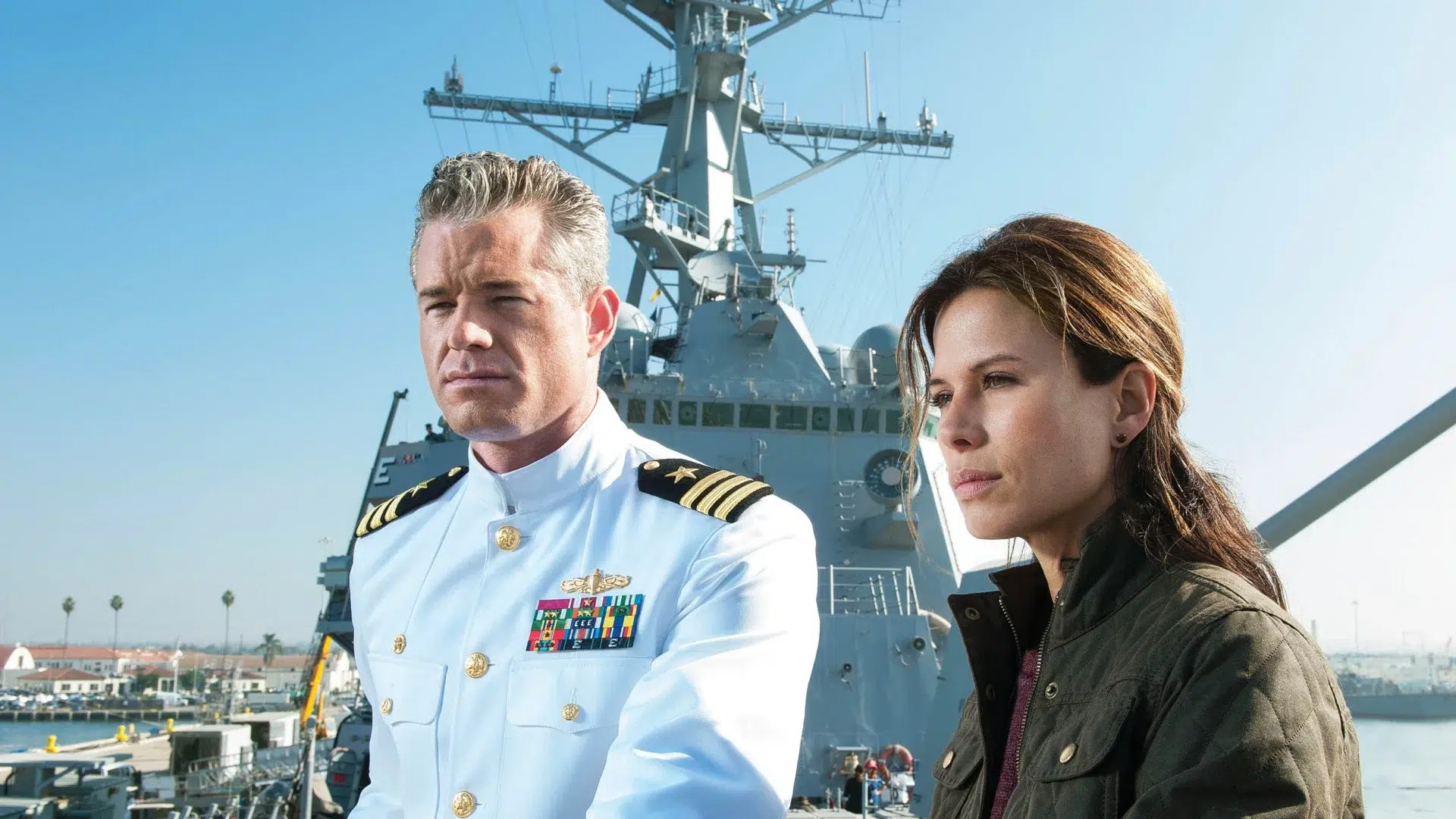
In a significant move that underscores the evolving dynamics of the streaming industry, Netflix has announced the acquisition of all five seasons of TNT’s popular sci-fi action-drama, The Last Ship. Comprising 56 episodes, the complete series is slated to join the streaming giant’s extensive library on June 22nd, 2026. This marks the first time the critically acclaimed show, starring the late Eric Dane as the resolute Captain Tom Chandler, will be available on Netflix, offering subscribers a fresh opportunity to immerse themselves in its gripping post-apocalyptic narrative. The announcement arrives on the heels of the emotional release of Dane’s posthumous documentary interview, Famous Last Words, creating a timely moment for fans to revisit his impactful television legacy.
This licensing agreement is the latest in a series of high-profile content acquisitions by Netflix, signaling a strategic pivot towards supplementing its formidable slate of original productions with proven, popular third-party titles. The Last Ship joins a diverse array of incoming licensed content for June 2026, including Hulu’s acclaimed comedy Shrill and classic episodes of Beavis and Butt-Head, reinforcing Netflix’s commitment to offering a broad spectrum of entertainment to its global subscriber base.
The Genesis and Impact of The Last Ship
For many, The Last Ship represents a compelling chapter in recent television history, having originally aired on TNT from 2014 to 2018. The series is loosely adapted from William Brinkley’s 1988 novel of the same name, a work that chillingly envisioned a world brought to its knees by a global pandemic. The television adaptation, brought to life by blockbuster producer Michael Bay’s Platinum Dunes production company, translated Brinkley’s stark premise into a high-octane drama that captivated audiences for five seasons.
The narrative thrust of The Last Ship is immediately compelling and terrifyingly prescient. A global viral pandemic, referred to as "the Red Flu," has decimated over 80% of the world’s population, plunging civilization into chaos. Amidst this devastation, the crew of a lone, unaffected U.S. Navy guided-missile destroyer, the fictional USS Nathan James (DDG-151), finds itself in an unprecedented position. Having been on a covert mission in the Arctic for months, isolated from the unfolding catastrophe, Captain Tom Chandler and his crew return to a world transformed. Their new, harrowing mission: navigate the remnants of a broken world, protect the lead virologist onboard (Dr. Rachel Scott, played by Rhona Mitra), and race against time to develop a cure that can save humanity from total extinction.
The series excelled in blending intense military action sequences, characteristic of Michael Bay’s production style, with intricate character development and a constant undercurrent of global urgency. It explored themes of leadership, moral dilemmas in a lawless world, scientific perseverance, and the enduring human spirit. Captain Chandler, portrayed with gravitas and unwavering resolve by Eric Dane, became the moral compass and tactical mastermind of the Nathan James. His journey from a conventional naval officer to a reluctant savior of humanity formed the emotional core of the series, earning him critical praise and a dedicated fanbase.
The ensemble cast further solidified the show’s appeal. Rhona Mitra’s portrayal of Dr. Scott, the brilliant but often single-minded scientist, provided a crucial intellectual counterpoint to Chandler’s military pragmatism. Charles Parnell as Master Chief Petty Officer Jeter, Travis Van Winkle as Lt. Danny Green, Marissa Neitling as Lt. Kara Foster, Christina Elmore as Lt. Alisha Granderson, and Adam Baldwin as XO Mike Slattery each contributed to a cohesive and dynamic crew, whose personal sacrifices and unwavering loyalty resonated deeply with viewers. The Last Ship was a cornerstone of TNT’s programming during its run, consistently delivering strong viewership numbers and demonstrating the enduring appeal of post-apocalyptic narratives and military dramas.
Eric Dane’s Enduring Legacy and Posthumous Tributes
The arrival of The Last Ship on Netflix carries an added layer of poignancy due to the recent passing of its beloved star, Eric Dane. Earlier this year, Netflix released Famous Last Words, a deeply moving posthumous interview series where Dane candidly shared reflections on his life, his illustrious career, and his courageous battle with Amyotrophic Lateral Sclerosis (ALS). The documentary offered an intimate glimpse into the actor’s personal journey, his philosophical outlook, and his heartfelt final messages to his family and fans, leaving a profound impact on audiences worldwide.
Dane’s career spanned several decades and showcased his versatility as an actor. While he gained widespread recognition for his role as Dr. Mark "McSteamy" Sloan on the hit medical drama Grey’s Anatomy, his performance as Captain Tom Chandler in The Last Ship solidified his leading man status and demonstrated his capacity for portraying complex, heroic figures. As Chandler, Dane exuded an authoritative presence, combining steely determination with moments of profound vulnerability, embodying the immense burden of leadership in humanity’s darkest hour.
For those deeply moved by Dane’s raw and deeply personal reflections in Famous Last Words, diving into his powerful performance in The Last Ship offers a fitting and tangible way to celebrate his memory and incredible screen presence. It allows audiences to connect with his work in a new light, appreciating the dedication and talent he brought to a role that defined a significant portion of his later career. The timing of The Last Ship‘s Netflix debut thus transcends a mere content licensing deal; it becomes an opportunity for collective remembrance and appreciation of a remarkable actor.
Netflix’s Strategic Shift: The Warner Bros. Discovery Licensing Spree
The acquisition of The Last Ship is not an isolated incident but rather a prominent example of Netflix’s ongoing and increasingly aggressive strategy to license library titles from major studios, particularly Warner Bros. Discovery (WBD). This strategic pivot represents a significant evolution from Netflix’s earlier emphasis on purely original content, reflecting a broader industry trend where streaming giants are re-evaluating their content acquisition models in a highly competitive landscape.
Historically, major studios like Warner Bros. had been hesitant to license their flagship content to rival streaming platforms, preferring to keep it exclusive to their own services (e.g., Max). However, under the leadership of CEO David Zaslav, Warner Bros. Discovery has embraced a more open licensing strategy, driven by a need to monetize its vast content library and generate additional revenue streams. This shift has proven mutually beneficial: WBD gains significant licensing fees for content that might not be driving new subscriptions to Max, while Netflix acquires popular, proven shows that attract and retain subscribers without the high costs and production risks associated with developing new originals.
The collaboration between Netflix and WBD has yielded a treasure trove of content for Netflix subscribers. Earlier this year, Netflix US licensed the critically acclaimed HBO Max/TBS cult-hit comedy Search Party. News also broke that the beloved TNT crime procedural The Closer would stream on Netflix US for the very first time, alongside a number of other titles from the network. Other notable WBD titles that have found a secondary home on Netflix include HBO classics like Six Feet Under, Insecure, Band of Brothers, and The Pacific, demonstrating the depth and breadth of this evolving partnership.
Industry analysts suggest that this strategy is a direct response to market pressures. With increased competition from numerous streaming services, subscriber acquisition and retention have become paramount. Licensed content, particularly popular shows with existing fan bases, offers a cost-effective way to boost engagement and provide immediate value to subscribers. Data consistently shows that licensed titles, even older ones, frequently top Netflix’s viewership charts. For instance, the unexpected resurgence of shows like Suits and Manifest on Netflix demonstrated the immense power of library content to attract new viewers and rekindle interest among existing ones, proving that "old" content can be "new" again for millions. While the initial fervor for WBD licensing to Netflix may have "cooled off" slightly as mentioned in the original report, perhaps due to shifting strategic priorities or potential acquisition talks that did not materialize, the ongoing stream of titles like The Last Ship confirms that the partnership remains robust and integral to both companies’ strategies.
Broader Implications for the Streaming Landscape
The continuing trend of major studios licensing their content to platforms like Netflix carries significant implications for the broader streaming ecosystem. For Netflix, it reinforces its position as the dominant global streamer, offering an unparalleled volume and variety of content. This hybrid model, combining high-budget originals with a constantly refreshed library of licensed hits, helps Netflix appeal to diverse demographics and maintain its competitive edge against services that might be more narrowly focused on exclusive first-party content.
For content creators and rights holders like Warner Bros. Discovery, licensing deals provide a crucial revenue stream, particularly for older shows that have completed their initial run and may not be driving new subscriptions to their proprietary platforms. This monetization of library content is vital in a challenging economic climate for media companies, allowing them to reinvest in new productions and maintain financial stability.
However, the world of streaming licensing is characterized by a "revolving door" phenomenon. As noted in the original article, while new titles like The Last Ship arrive, others, such as TNT’s Animal Kingdom, depart. These licensing agreements typically have fixed durations, often ranging from one to a few years. This cyclical nature means that while subscribers gain access to beloved shows, they also need to be aware that these titles may eventually move to different platforms or return exclusively to their original owners. This dynamic necessitates ongoing vigilance from platforms to continuously refresh their offerings and from viewers to track their favorite shows.
Looking ahead, this trend is likely to continue as streaming services mature and content acquisition becomes more sophisticated. The emphasis will remain on balancing the allure of exclusive originals with the proven power of licensed content. As studios navigate evolving business models and seek to maximize the value of their intellectual property, strategic partnerships like the one between Netflix and Warner Bros. Discovery will remain a cornerstone of the global streaming industry, continuously shaping what, where, and when audiences can watch their favorite shows.
As June 22nd, 2026, approaches, the arrival of The Last Ship on Netflix is poised to be a significant event for subscribers. It not only delivers a compelling, action-packed post-apocalyptic drama but also serves as a powerful tribute to the indelible legacy of Eric Dane, whose commanding performance as Captain Tom Chandler anchored the series. Viewers are encouraged to revisit the thrilling world of the USS Nathan James and honor Dane’s memory through his remarkable screen presence.