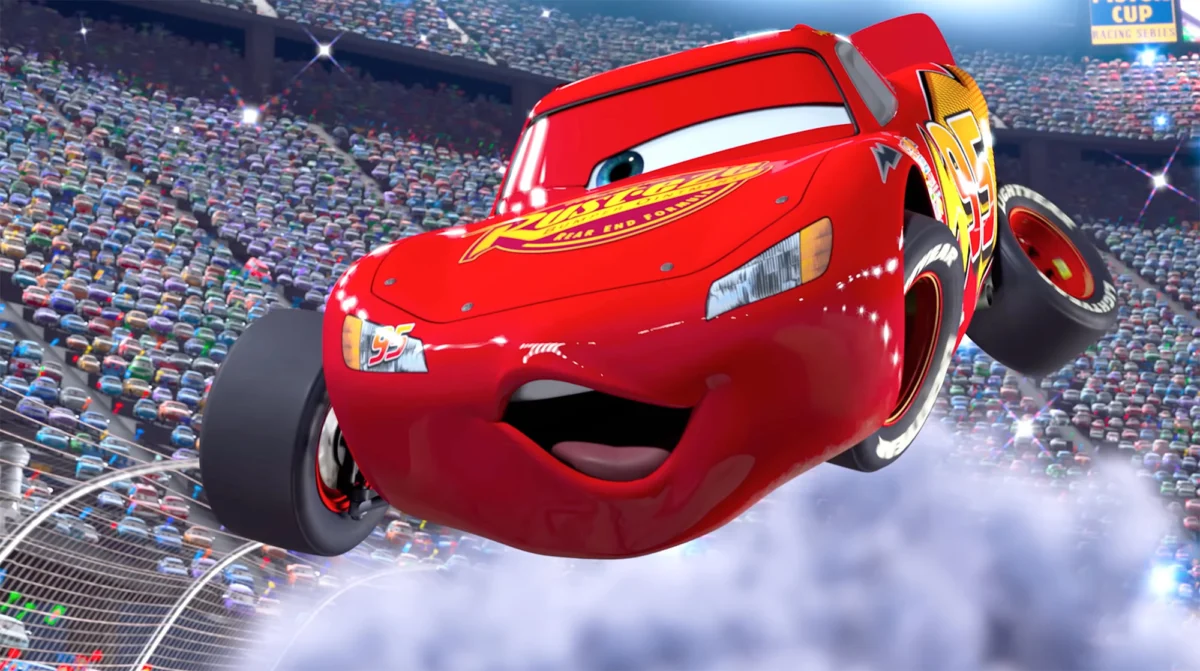
Disney and Pixar have officially released a commemorative 20th-anniversary trailer for the 2006 animated sensation Cars, marking two decades since the film first accelerated into the global cultural consciousness. The trailer serves as a promotional centerpiece for the film’s high-profile theatrical re-release, scheduled for September 2026. Originally debuting in June 2006, Cars represented a pivotal moment for Pixar Animation Studios, blending cutting-edge technical achievements with a story deeply rooted in Americana and the historical significance of U.S. Route 66. The new trailer, released via Pixar’s official digital channels, features a montage of remastered footage highlighting the film’s protagonist, Lightning McQueen, and his transformative journey in the forgotten town of Radiator Springs.
The Narrative Core and Cinematic Premise
The plot of Cars follows Lightning McQueen, a high-octane, arrogant rookie race car voiced by Owen Wilson, who is laser-focused on becoming the first rookie to win the Piston Cup championship. While being transported to California for a tie-breaking race against veterans Chick Hicks and "The King" Strip Weathers, McQueen becomes separated from his transport truck and inadvertently ends up in Radiator Springs, a dilapidated town in Carburetor County. After damaging the town’s main road, McQueen is sentenced to community service by the town’s judge, Doc Hudson.
During his forced residency, McQueen interacts with a diverse cast of local vehicles, including Sally Carrera, a Porsche 911 voiced by Bonnie Hunt; Mater, a rusted tow truck voiced by Larry the Cable Guy; and the mysterious Doc Hudson, voiced by the legendary Paul Newman. These interactions serve as the catalyst for McQueen’s character development, shifting his priorities from individual glory to an appreciation for community, history, and the journey itself. The film’s thematic depth, focusing on the obsolescence of small-town America following the creation of the Interstate Highway System, has been cited by historians and critics as one of the more sophisticated narratives in the Pixar canon.
Production Background and Creative Leadership
Cars was the final film independently produced by Pixar before its acquisition by The Walt Disney Company. It was directed by John Lasseter, who drew inspiration from a cross-country road trip he took with his family in 2000. Lasseter, a known automotive enthusiast, sought to imbue the film with a sense of "truth to materials," ensuring that each character’s movement and design remained faithful to their real-world automotive counterparts.
The production was co-directed by Joe Ranft, a Pixar stalwart who tragically passed away during the film’s production in 2005. The screenplay involved a collaborative effort from Dan Fogelman, Lasseter, Ranft, Kiel Murray, Phil Lorin, and Jorgen Klubien. The technical challenges of the era were significant; Pixar utilized a technique known as "ray tracing" to accurately depict the reflections on the cars’ metallic surfaces—a process that required immense computational power at the time. Each frame of the film reportedly took an average of 17 hours to render.

The Voice Cast and Legacy Performances
The 20th-anniversary celebration also serves as a tribute to the film’s distinguished voice ensemble. Paul Newman’s performance as Doc Hudson remains one of the most celebrated aspects of the movie. As Newman’s final non-documentary role before his death in 2008, his portrayal of the retired racing legend provided the film with a gravitas that resonated with older audiences.
The supporting cast included a mix of comedic talents and industry veterans:
- Owen Wilson as Lightning McQueen, providing the character with a blend of youthful bravado and eventual vulnerability.
- Larry the Cable Guy as Mater, a character who became a merchandising phenomenon and the face of the franchise’s subsequent spin-offs.
- Bonnie Hunt as Sally, representing the modern perspective and the town’s legal and moral compass.
- Michael Keaton as the antagonistic Chick Hicks.
- Tony Shalhoub and George Carlin, who voiced Luigi and Fillmore, respectively, adding layers of cultural and historical texture to the Radiator Springs community.
Historical Timeline and Franchise Evolution
Since its 2006 debut, Cars has evolved from a single film into one of the most lucrative franchises in entertainment history. The timeline of the franchise illustrates its sustained relevance:
- June 2006: Original release of Cars.
- 2008–2014: Cars Toons: Mater’s Tall Tales, a series of shorts that expanded the lore of Radiator Springs.
- June 2011: Release of Cars 2, which pivoted to an international espionage theme.
- June 2012: Opening of "Cars Land" at Disney California Adventure Park, a 12-acre expansion that meticulously recreated Radiator Springs.
- June 2017: Release of Cars 3, which returned the franchise to its racing roots and explored themes of aging and mentorship.
- 2022: Cars on the Road, a series for Disney+, reuniting Wilson and Larry the Cable Guy.
- September 2026: Scheduled 20th-anniversary theatrical re-release.
Financial Performance and Merchandising Impact
Upon its initial release, Cars was a commercial powerhouse. It earned approximately $60.1 million in its opening weekend in the United States and went on to gross $462.2 million worldwide. While these box office figures were impressive, they were eclipsed by the film’s unprecedented success in the retail sector.
By 2011, industry analysts estimated that Cars-related merchandise had generated over $10 billion in global retail sales. The brand became a staple in the toy industry, with Mattel producing hundreds of die-cast character models that remain collectible to this day. This economic footprint solidified the franchise’s status within the Disney ecosystem, ensuring that the characters remained visible through theme park attractions, clothing, and home decor long after the original film left theaters.
Critical Reception and Cultural Significance
At the time of its release, Cars received generally positive reviews, though it was often compared—sometimes unfavorably—to Pixar’s previous high-concept hits like Finding Nemo and The Incredibles. Critics praised the animation and the emotional resonance of the Route 66 storyline but some found the pacing slower than typical animated fare. However, in the two decades since, critical reappraisal has been kind to the film.

Modern retrospectives often highlight the film’s "slow cinema" qualities in its middle act, where the plot pauses to explore the scenic beauty of the American West and the dignity of a forgotten era. The film won the inaugural Golden Globe Award for Best Animated Feature Film and was nominated for two Academy Awards, including Best Animated Feature and Best Original Song for Randy Newman’s "Our Town," performed by James Taylor.
The 20th Anniversary Re-Release Strategy
The decision to re-release Cars in theaters in September 2026 is viewed by industry experts as a strategic move to tap into multi-generational nostalgia. The children who watched the film in 2006 are now adults, many with children of their own, creating a "legacy audience" for the theatrical experience.
The 2026 re-release is expected to feature technically enhanced visuals, potentially including a 4K HDR remaster and an updated Dolby Atmos sound mix to take advantage of modern cinema technology. Disney’s marketing campaign for the anniversary emphasizes the enduring message of the film: "The journey matters as much as the finish line." This sentiment is echoed in the new trailer, which juxtaposes the high-speed racing sequences with the quiet, neon-lit beauty of Radiator Springs at night.
Broader Implications for Pixar and the Industry
The 20-year milestone for Cars reflects a broader trend in the film industry where studios are increasingly relying on established intellectual property (IP) to drive theatrical attendance. For Pixar, the anniversary is a celebration of its mid-2000s "golden era" and a reminder of its ability to create characters that resonate across decades.
As Disney and Pixar look toward the 2030s, the Cars franchise remains a cornerstone of their portfolio. The 2026 re-release not only honors the past but also tests the waters for the franchise’s future, as rumors of a potential Cars 4 continue to circulate in Hollywood trade publications. Regardless of future installments, the 20th-anniversary event serves as a definitive acknowledgment of a film that changed the landscape of animated storytelling and merchandising.
With the trailer now circulating globally, the countdown to September 2026 begins for racing fans and families alike. The return of Lightning McQueen to the big screen is more than just a re-release; it is a homecoming for a film that taught a generation that sometimes, taking the long way home is the fastest way to find oneself.