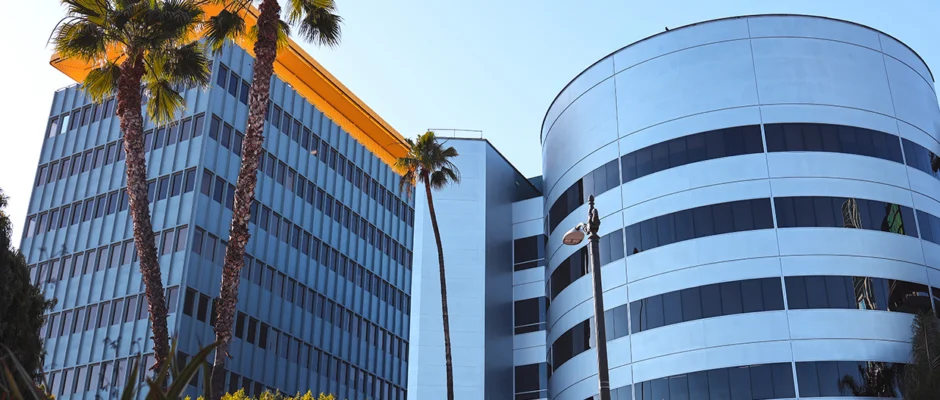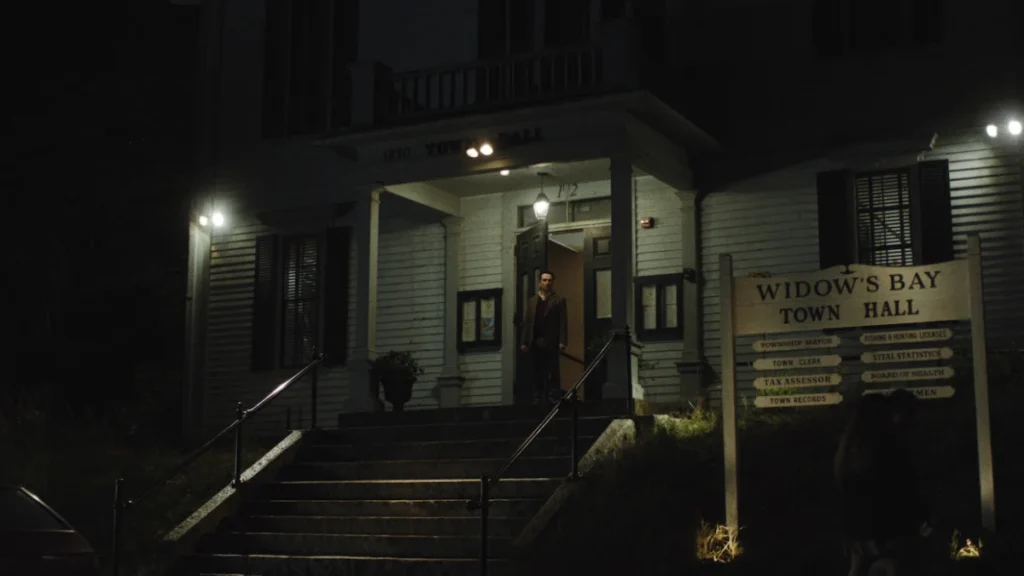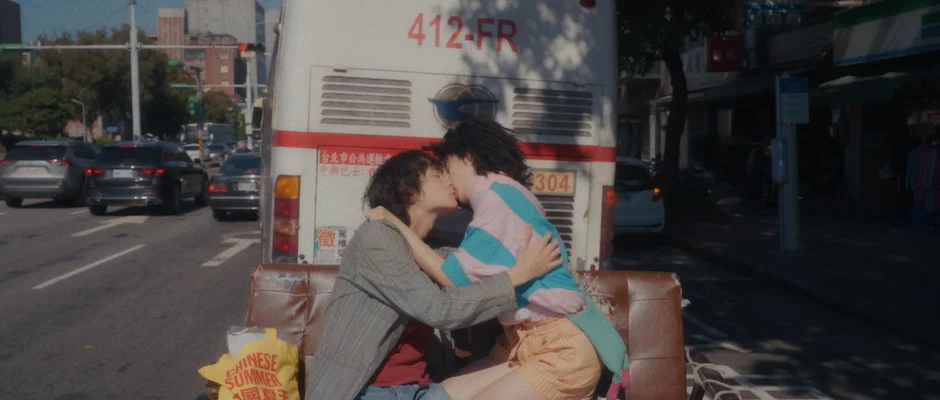
Lana Daher’s debut feature, Do You Love Me (2026), stands as a kaleidoscopic and visceral exploration of Lebanon’s deeply fractured cultural memory. Clocking in at 76 minutes, the documentary is constructed entirely from an exhaustive curation of found footage and archival material spanning seven decades. Following its international premiere at Venice Days, the Beirut-based multidisciplinary artist’s film has transitioned to theatrical runs, including a high-profile screening series at Metrograph in New York City. By stitching together fragments drawn from independent Lebanese cinema, historical newsreels, home movies, and abandoned media archives, Daher orchestrates a collision between past and present, forcing historical moments to recontextualize one another in real time.
The film eschews a traditional narrative arc, instead utilizing non-linear editing to mirror the psychological reality of living in a state of permanent crisis. By cutting swiftly between action movie sequences and stark newsreel footage of street violence in Beirut, Daher deliberately blurs the boundary between staged fiction and historical trauma. In doing so, Do You Love Me captures the complex tapestry of Lebanese life, where civilian intellectuals opine on political confessionalism and civil war in Arabic and French, newlyweds dance, children celebrate birthdays, and families frantically search for missing loved ones. The auditory landscape mirrors this fragmentation, shifting fluidly from traditional Middle Eastern compositions to contemporary, high-energy hip-hop.

Archival Hunt and the Absence of a National Repository
The genesis of Do You Love Me dates back to 2018, when Daher initially embarked on a research endeavor examining the intersection of war and music, specifically how sonic art carries collective memory through protracted conflicts. Her early focus centered on the Bendaly Family, a popular Lebanese band whose repertoire inspired the film’s title. However, as the project evolved over nearly half a decade of solo research, Daher pivoted from a purely musicological study toward a deeply personal interrogation of her relationship with Beirut, her childhood traumas, and societal mechanisms of remembering.
Gathering source material for the project proved to be an exercise in archival excavation, largely driven by the structural reality that Lebanon possesses neither a centralized national archive nor a unified, universally accepted history textbook. Because generations of Lebanese families—including Daher’s own—have experienced multiple waves of forced migration and devastating conflict, much of the country’s domestic history has been repeatedly dispersed or destroyed.
To overcome this systemic void, Daher and her research team conducted what she describes as a "hunt" rather than a search. The resulting repository encompassed more than 20,000 audiovisual fragments stored across multiple hard drives. The material spans from a rare 1928 home video—the oldest artifact in the film—to contemporary digital podcasts and music videos. Approximately half of the final runtime is composed of clips extracted from 106 independent Lebanese fiction and documentary features produced between 1958 and the present day. Ultimately, only seven percent of the researched material made the final cut, requiring the clearance of nearly 400 distinct rights contracts.

Collaborative Editing and the Rejection of Chronology
To shape this massive volume of disparate media, Daher collaborated with Paris-based Syrian editor Qutaiba Barhamji, whose prominent editing credits include Kaouther Ben Hania’s Academy Award-nominated Four Daughters (2023) and The Voice of Hind Rajab (2025). By the time Barhamji joined the project, Daher had already assembled a four-hour rough cut over five years of solitary work. Rejecting the preliminary assembly, the duo chose to build the documentary completely from scratch.
Daher deliberately sought an editor from outside Lebanon to introduce a degree of critical emotional distance from the images, events, and historical traumas embedded in the footage. Together, they established strict operational guidelines: no complete scenes would be lifted directly from source films, and Lebanese politicians would be strictly excluded from both the visual frame and the soundtrack. Eschewing strict chronology, the filmmakers relied on an intuitive rhythm and emotional logic. This stylistic choice directly reinforces Daher’s foundational thesis that "disorientation is part of the journey" when attempting to comprehend the multifaceted reality of Lebanon.
Centering the Female Gaze and Honoring Predecessors
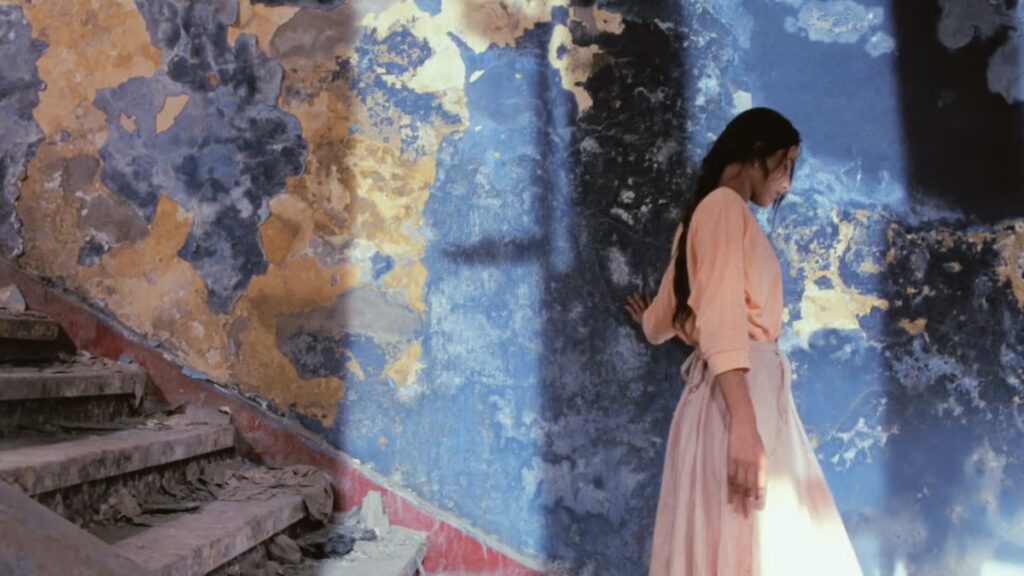
A defining characteristic of Do You Love Me is its deliberate centering of the female perspective, both in front of and behind the camera. Throughout the film, excerpts from pioneering Lebanese journalist and filmmaker Jocelyne Saab—notably her 1975 work Lebanon in Turmoil—serve as vital historical touchstones. Saab’s documentary footage features her standing amidst the wreckage of her demolished home following an Israeli bombardment, wearily lamenting the erasure of 150 years of family history. The theatrical run of Do You Love Me at Metrograph has been appropriately accompanied by a retrospective screening series titled "Jocelyne Saab: Letters from Lebanon."
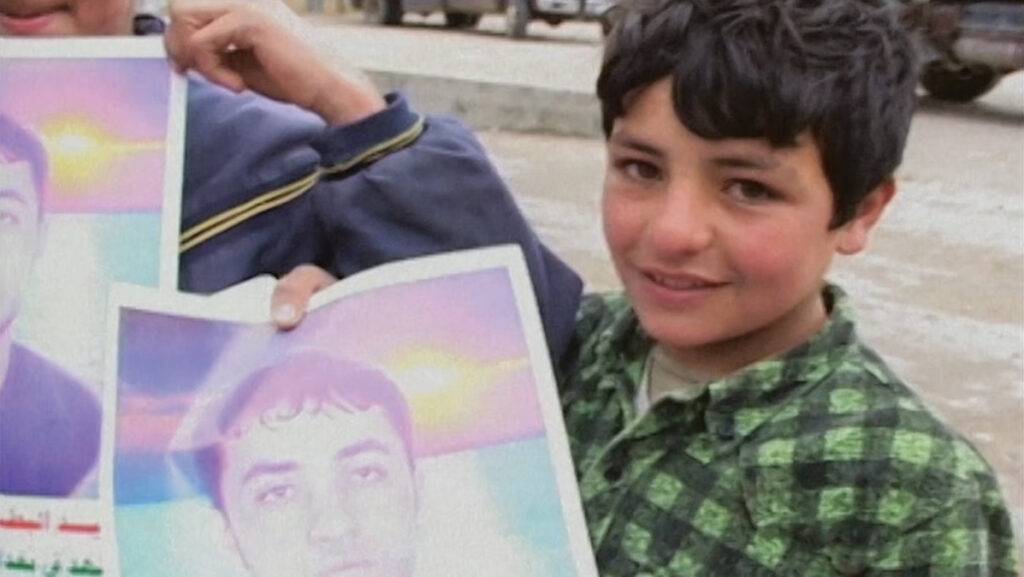
Daher acknowledges Saab as a vital inspiration for understanding the systemic roots of her country’s ongoing turmoil. However, she emphasizes that the integration of a strong female gaze goes beyond individual homage. In a society where institutional archives are virtually non-existent, surviving domestic records—such as home movies, family photographs, and personal journals—were overwhelmingly shot, preserved, and passed down by women. Even when women were not operating the camera, they acted as literal witnesses to time, safeguarding the historical fragments that the state failed to institutionalize.
Contextualizing Contemporary Geopolitics and Historical Repetition
The release of Do You Love Me occurs against the backdrop of renewed military escalation in Lebanon, involving cross-border hostilities between Israel and Hezbollah. Addressing international media framing of the conflict, Daher pushes back against narratives that characterize Lebanon as merely "caught in the crossfire" between two equal belligerents. She notes that framing current events in isolation ignores a half-century timeline of foreign intervention, pointing out that Israeli military incursions and occupations of southern Lebanese territory predate the founding of Hezbollah, tracing back to the initial invasion of 1978.
This historical continuity, Daher argues, highlights a persistent cycle of destruction that is compounded by deep internal political and social fragmentation within Lebanon. Screening the film in Beirut during active wartime created an eerie convergence of reality and art, where the acoustic signature of overhead Israeli drones occasionally bled into the cinema’s soundscape, effectively collapsing the distance between historical archive and contemporary lived experience.
Broader Implications and Cultural Legacy
The implications of Do You Love Me extend far beyond traditional documentary filmmaking, positioning the project as an alternative, grassroots national archive. By synthesizing seventy years of cinematic output, newsreels, and personal ephemera, Daher’s work challenges official, sanitizes narratives and offers a platform for the multifaceted emotional reality of the Lebanese populace.
Critical reception from international festival circuits, including CPH:DOX and Venice Days, underscores the film’s resonance as a meditation on collective memory and resilience. Audiences have reported a wide spectrum of emotional reactions, ranging from profound sorrow over perpetual generational conflict to an affirmative recognition of the enduring vitality, humor, and humanity of Lebanese civilians who continue to resist the reduction of their lives to mere wartime statistics.
By providing a space for inherited trauma to be felt rather than officially diagnosed or resolved, Do You Love Me functions as an enduring cultural artifact. It preserves the voices of artists, journalists, and everyday citizens who have documented Lebanon’s turbulent century, ensuring that the country’s complex history remains anchored in the lived experiences of its people.