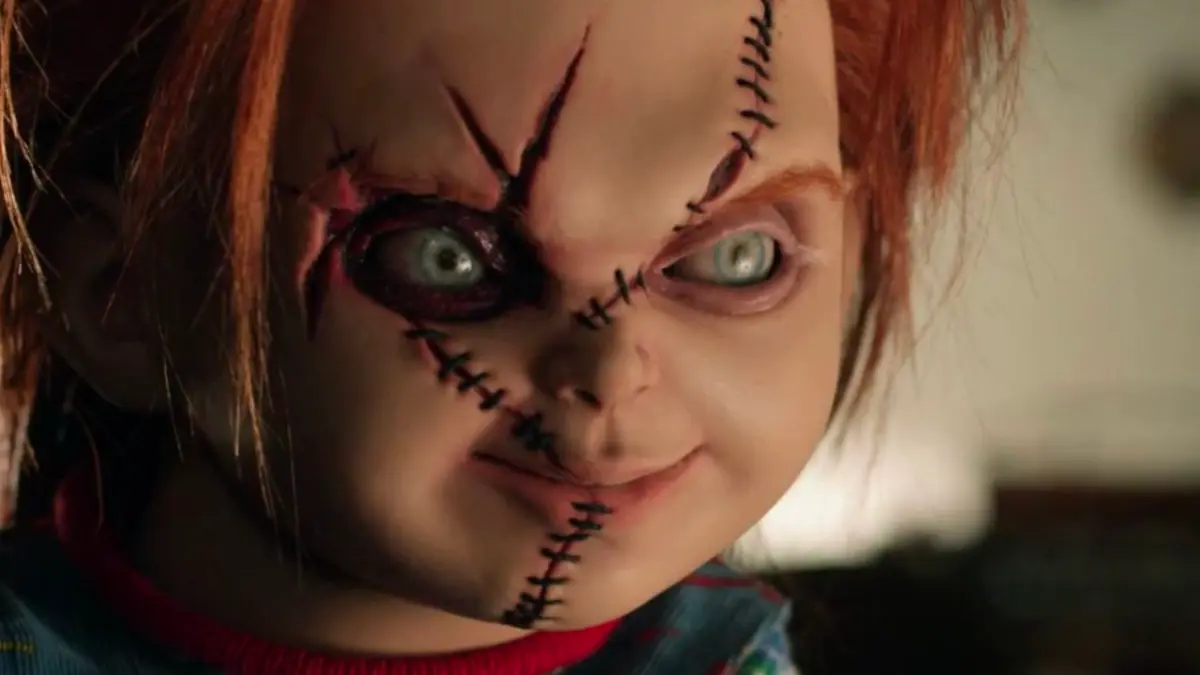
The iconic horror franchise centered on the murderous Good Guy doll, Chucky, is poised for a cinematic resurgence. Don Mancini, the creator, writer, and frequent director of the Child’s Play series, has officially signed with the Independent Artist Group (IAG). According to industry reports, this strategic partnership is intended to facilitate the development of the next iteration of the Chucky film franchise, alongside an expanded slate of original film and television projects under Mancini’s creative stewardship. This move signals a significant pivot for the franchise, which has remained confined to the small screen for the past seven years.
A Legacy of Cinematic Persistence
The Child’s Play franchise occupies a singular position in horror history, primarily due to the longevity and direct involvement of its original creator. Since the release of the inaugural film in 1988, Don Mancini has served as the primary architect of the series. Unlike many other major horror properties that have undergone numerous reboots, studio-mandated spin-offs, and creative shifts, the Chucky timeline has remained remarkably cohesive under Mancini’s consistent guidance.
Mancini’s career trajectory is inextricably linked to the character of Charles Lee Ray, the serial killer whose soul was transferred into a plastic doll via a voodoo ritual. Having penned every entry in the original film series—excluding the 2019 standalone remake—Mancini eventually assumed directorial duties starting with 2004’s Seed of Chucky. His stewardship has allowed the series to evolve from a straightforward slasher in the 1980s to a genre-bending blend of dark comedy, meta-commentary, and sustained character-driven narrative.
The Television Era and the Need for a Feature Return
The transition of the franchise to television in 2021 with the Chucky series on Syfy and USA Network marked a critical turning point. Spanning three seasons, the show received widespread critical acclaim for its ability to maintain the continuity of the films while exploring new themes of adolescence, trauma, and identity. The series effectively expanded the franchise’s lore, introducing new protagonists and bringing back legacy characters from across the decades.

However, the conclusion of the television series left a palpable void in the theatrical landscape. It has been nearly a decade since the last feature film, Cult of Chucky (2017), debuted. During this hiatus, the horror genre has seen a resurgence of major franchises through theatrical releases, making the absence of the Good Guy doll on the big screen increasingly conspicuous. The decision to return to feature-length development suggests a strategic desire to leverage the cinematic scale and visual spectacle that defined the series’ origins, while potentially tapping into a broader global audience that has grown through streaming availability.
Chronology of the Child’s Play Franchise
To understand the scope of Mancini’s upcoming work, one must look at the historical timeline of the property:
- 1988: Child’s Play introduces the character to international audiences, cementing a legacy in the slasher sub-genre.
- 1990–1991: Child’s Play 2 and Child’s Play 3 establish the foundational mythos of the doll’s resilience.
- 1998: Bride of Chucky introduces Tiffany Valentine, expanding the narrative to include a romantic and comedic foil.
- 2004: Seed of Chucky pushes the boundaries of the franchise into meta-horror territory.
- 2013: Curse of Chucky serves as a soft reboot that returns the series to its roots in psychological suspense.
- 2017: Cult of Chucky connects the disparate narrative threads of the previous films into a single, multi-doll continuity.
- 2021–2024: The Chucky television series cements the franchise’s status as a modern transmedia powerhouse.
The Business of Horror: Implications of the IAG Partnership
The decision to sign with the Independent Artist Group indicates a professional shift toward higher-tier production capabilities. IAG is known for representing prominent figures across the entertainment spectrum, and their involvement suggests that the next phase of the Chucky franchise may involve a higher budget, broader distribution strategies, and potentially a more complex production framework.
From an analytical standpoint, this transition reflects a broader trend in Hollywood: the revitalization of established Intellectual Property (IP). Horror franchises are among the most lucrative assets in the studio system due to their relatively low production costs and high return on investment. With the Chucky brand already possessing significant name recognition and a multi-generational fan base, the financial risk of a new film is mitigated by the brand’s established cultural footprint.
Furthermore, the integration of original, non-franchise projects into Mancini’s slate with IAG suggests that the creator is looking to diversify his portfolio. By balancing the demands of a high-profile legacy brand with original storytelling, Mancini is positioning himself to maintain creative autonomy while navigating the corporate requirements of modern studio filmmaking.

The Cultural Impact of the Killer Doll
The character of Chucky stands alongside iconic figures such as Jason Voorhees, Michael Myers, and Freddy Krueger as a pillar of 20th-century horror cinema. However, Chucky is unique in that his physical presence—the doll—allows for a specific type of performance that relies on animatronics, puppetry, and practical effects. In an era increasingly dominated by Computer Generated Imagery (CGI), the tactile nature of the Chucky films provides a distinct viewing experience that resonates with fans of traditional horror craft.
The enduring popularity of the character can be attributed to the franchise’s willingness to adapt. Whether shifting into the realm of the "slasher-comedy" or engaging in serialized television storytelling, the property has demonstrated an elasticity that few other horror franchises possess. Mancini’s ability to keep the character relevant for nearly forty years is a feat that has rarely been replicated in horror history, where most villains are relegated to stagnant cycles of repetitive sequels.
Looking Toward the Future
As details regarding the next Chucky film remain under wraps, speculation has turned toward the potential narrative direction. Given the conclusion of the television series, the new film could function as a cinematic continuation, a direct sequel to the 2017 film, or a standalone installment that resets the stakes. Industry analysts anticipate that any new project will likely emphasize the practical effects work that has become a hallmark of the franchise, as this is a key component of the brand’s identity.
For the horror community, the return of Chucky to the theater is more than a commercial development; it is a restoration of a genre staple to its original medium. With Mancini’s renewed focus and the support of a new management team, the upcoming chapter in the Child’s Play saga is positioned to be a significant event in the horror calendar. The combination of established lore and the potential for a fresh cinematic vision ensures that the "Good Guy" will remain a central figure in horror for the foreseeable future. As the project enters the development phase, the industry will be watching to see how one of the most resilient figures in cinema history adapts to the contemporary theatrical landscape.