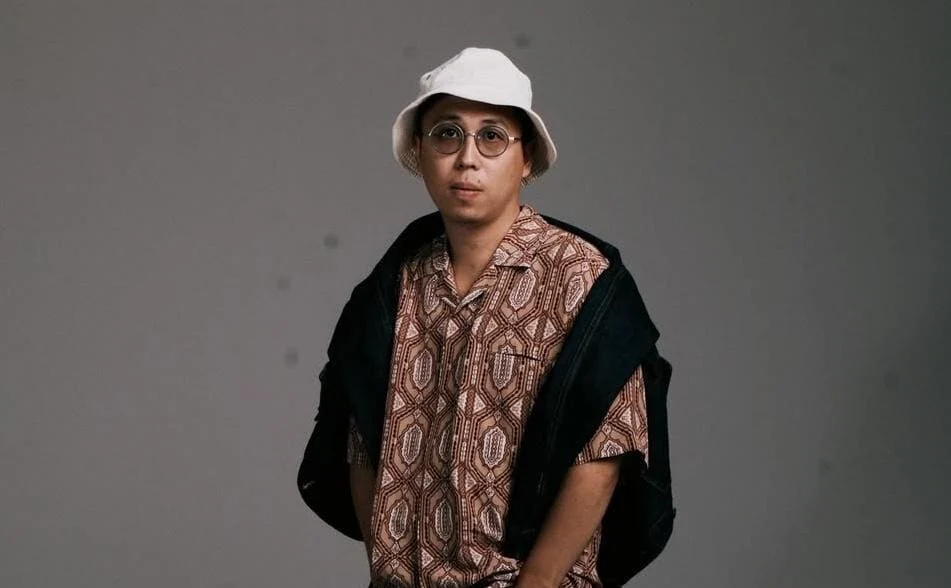
Filmmaker Dušan Duong, a prominent voice in contemporary Czech cinema, recently unveiled his debut feature film, "Summer School, 2001," to critical acclaim, culminating in its world premiere at the prestigious Karlovy Vary International Film Festival in 2025. Born in Hanoi, Vietnam, but raised in the Czech Republic from the age of four, Duong brings a deeply personal and nuanced perspective to the screen, exploring complex themes of identity, belonging, queerness, and the intricate dynamics within the Vietnamese diaspora. The film’s recent screening at the "Vietnam Here & There Festival" provided a timely opportunity to engage with Duong about his creative process, the film’s profound social commentary, and its significant impact on both Czech and Vietnamese communities.
A Filmmaker’s Journey: Chronicling the Diaspora Experience
Dušan Duong’s cinematic journey has consistently focused on the experiences of the Vietnamese community in the Czech Republic, a demographic that, while significant, often remains enigmatic to the broader public. His earlier works laid the groundwork for his feature debut, demonstrating a persistent commitment to exploring themes of heritage, displacement, and cultural negotiation. In 2014, he directed the short docufiction "Mat Goc," which premiered at the Ji.hlava International Documentary Film Festival (IDFF), delving into his own relationship with his native Vietnam. Prior to this, in 2013, he contributed to Lukáš Kokeš’s "V.I.P. / Vietnamese Important People," also screened at Ji.hlava IDFF, further cementing his engagement with documentary storytelling about his community.
His 2017 film, "Bo Hai," a project notably brought to life through crowdfunding, garnered significant recognition. It was screened at Ji.hlava IDFF and awarded the Golden Kingfisher Award for Best Student Film at the Finále Plzeň Film Festival. "Bo Hai" also received nominations for the Czech Lion Award in the student film category and the Czech Film Critics Award, signaling Duong’s rising prominence as a filmmaker capable of capturing both critical attention and audience engagement. This trajectory culminated in the eight-year development of "Summer School, 2001," a testament to Duong’s dedication and the deeply personal nature of the project.
Thematic Core: Queerness and Diasporic Identity
"Summer School, 2001" centrally explores the seldom-addressed intersection of queerness within a Vietnamese immigrant family, a narrative choice Duong describes as both deliberate and vital. The film introduces Kien, a red-haired, queer character whose presence intentionally disrupts the insular nature of the diasporic community. Duong highlights the paradox of diasporic communities, noting that they often become "much more insular than people in the homeland," clinging to perceived traditions and rules even as the homeland itself evolves. This creates a stark contrast, particularly for issues like LGBTQ+ acceptance, where parents who left Vietnam decades ago may still adhere to outdated social norms, largely unaware of or unwilling to acknowledge shifts in contemporary Vietnamese society.
The inspiration for Kien’s character and narrative arc was drawn from real-life whispers within Duong’s own community in Prague. Rumors about a Vietnamese teacher involved with other men provided a powerful, albeit hushed, foundation. Duong points out that while queer individuals exist within the Czech-Vietnamese community, their identities often remain unacknowledged by their parents, who might tell others their child "just doesn’t have a girlfriend yet." This societal silence and denial underscore the film’s potential as a catalyst for dialogue. Duong explicitly hopes that "Summer School, 2001" will serve as an opportunity for queer youth to initiate conversations with their parents, inviting them to watch the film as a safe entry point into discussing unspoken truths. The film thus functions not just as entertainment, but as a crucial tool for social and familial introspection.
Family Dynamics and Intergenerational Communication
Beyond queerness, the film deeply interrogates intergenerational communication and the emotional architecture of immigrant families. Duong admits to having struggled with proper communication with his own parents, a challenge he now addresses through his art. His films, including "Summer School, 2001," serve as a form of mediated dialogue, allowing him to express experiences and feelings that might otherwise remain unarticulated.
The film’s release in the Czech Republic sparked a significant, week-long online debate within the Vietnamese community. One faction lauded the film for its "authentic" portrayal of their lives, while another expressed "shame" over its content, particularly its sensitive themes. Duong’s family, notably, became his "online warriors," defending his work publicly, even if private conversations about the film remained elusive. This phenomenon, he observes, highlights the evolving ways in which diasporic families navigate complex issues, often finding common ground or expressing support in digital spaces before translating it into direct personal interaction.
Duong’s reflections on parenthood offer a poignant perspective on breaking cycles of generational trauma. He notes that having his own child has shifted the dynamic with his parents, granting him a new level of respect and autonomy. He observes that while his parents may not have physically affectionate gestures for him, they readily offer them to his child, an indirect but powerful form of connection. This intergenerational shift, he believes, empowers his generation to "admit mistakes and avoid repeating the same trauma," fostering a more open and emotionally connected environment for their own children. The film’s ending, which Duong describes as a "wishful end" where a father finally engages with his son, embodies this hope for improved familial understanding and reconciliation.
The sibling relationship between Kien and Tai serves as another emotional anchor. Kien’s deep-seated sense of abandonment, stemming from his father leaving him in Vietnam, fuels his difficult dynamic with his younger brother, Tai, who Kien perceives as the "chosen one." Duong draws parallels to his own life as the eldest sibling, acknowledging the shadow he might cast on his own brother, also a director. However, he also injects personal avatars into the characters. Tai, the younger brother, embodies Duong’s own youthful energy and cheekiness, acting on impulses like photographing nude subjects that Duong might only explore through filmmaking. The father figure, Zoom, represents the complexities of providing for a family, acknowledging the mistakes and hidden struggles that come with adult responsibility. Duong admits to embodying aspects of all three male characters, seeing them as different stages of his own life and experiences.
Casting and Authenticity: The Power of Non-Professional Actors
A defining characteristic of "Summer School, 2001" is its reliance on non-professional actors, a choice born partly out of necessity but ultimately enhancing the film’s raw realism. Given the relatively small number of professional Vietnamese actors in the Czech Republic, the casting team, led by Duong’s colleague, employed unconventional methods—scouring Facebook groups, visiting grocery stores, and even community centers like Nelsons. This intensive search yielded limited options, often presenting Duong with only two or three candidates per role.
Despite the initial preference for professional talent, Duong ultimately embraced the "natural guys," trusting their innate authenticity. He reflects, "I’m very glad that I could get these raw people… because they don’t have to act. They played out their own history." This approach imbues the film with an undeniable sense of lived experience, allowing the complex and often distant chemistry between family members to feel genuinely portrayed. The performances convey a realism that transcends trained acting, showcasing the nuanced emotional landscape of families grappling with cultural shifts, unexpressed affections, and occasional tensions.
Language and Cultural Nuances: A Tapestry of Accents
The linguistic landscape of "Summer School, 2001" is as intricate as its narrative, featuring a blend of Vietnamese accents that reflect the diverse origins and experiences within the diaspora. Duong, who describes himself as "shy when speaking Vietnamese" despite learning extensively during the film’s production, navigated the language barrier with the help of a translator. However, he eventually had to take a more direct role in communicating with his actors, requiring him to deepen his own linguistic proficiency.
The deliberate inclusion of specific accents adds layers of authenticity and character. For instance, Victor, who plays the teacher, was cast partly due to his distinct central Vietnamese accent, which Duong found charming and suitable for a character who "could charm Kien." The rest of the cast primarily adopted a northern Vietnamese accent, further illustrating the varied regional backgrounds within the Czech-Vietnamese community. This attention to linguistic detail not only enriches the film’s realism but also subtly educates audiences about the internal diversity of the Vietnamese language itself, a nuance often lost on external observers.
Audience Reception and Broader Cultural Impact
The film’s reception in the Czech Republic has been overwhelmingly positive, particularly among the majority Czech audience. Duong notes that many were "amazed because we introduced them to this new world." For most Czechs, interactions with the Vietnamese community are often limited to commercial exchanges, primarily in grocery stores or markets. The film, with its accessible Czech subtitles, offers an unprecedented "insight into our community and what we talk about," demystifying a culture that has long remained "very mysterious to the public."
The Vietnamese community is the largest non-Slavic ethnic minority in the Czech Republic, with a history dating back to guest worker programs during the socialist era. Official statistics from the Czech Statistical Office indicate that the Vietnamese population is one of the largest foreign communities, numbering over 60,000, and significantly impacting the country’s economic and cultural fabric through small businesses, markets, and restaurants. Despite this presence, deep cultural understanding has often been superficial. "Summer School, 2001" has been lauded for opening a crucial "door" to greater understanding, fostering empathy and challenging preconceived notions. Duong expresses hope that his film will inspire "more Czech-Vietnamese movies," not just from him, but from other emerging talents, signaling a new era of diverse storytelling in Czech cinema.
Challenges of Assimilation and Cultural Blending
The film deftly touches upon the complexities of cultural assimilation and hybridity, encapsulated in a memorable scene where a Czech man mistakenly refers to Kong Pao Chicken as Vietnamese food. This seemingly minor interaction highlights a pervasive phenomenon: the blending and often misattribution of Asian cultures in a European context. Duong explains that for first-generation immigrants, often arriving in Europe with limited resources, the primary focus is survival and economic stability, not cultural preservation. "You don’t care about culture. You care about money," he states, reflecting the pragmatic necessity that shaped the lives of many Vietnamese parents.
It is only with the second and third generations, Duong argues, that the space and freedom emerge to "start thinking about culture" and grappling with identity beyond mere economic survival. This generational shift underscores the film’s relevance, as it is precisely these later generations who are now articulating their unique experiences of growing up between two cultures, grappling with inherited traditions, and forging new identities. The "Kong Pao Chicken" moment serves as a subtle yet powerful commentary on how external perceptions often flatten the rich tapestry of Asian cultures, and how the diaspora itself navigates these external interpretations while simultaneously defining its own cultural practices.
Lessons Learned and Advice for Young Filmmakers
The creation of "Summer School, 2001," an eight-year endeavor, was a transformative experience for Dušan Duong. He distills his key learnings into invaluable advice for aspiring filmmakers. Firstly, he emphasizes the importance of making the "first film very personal," viewing it as a vehicle for internal healing. This deeply personal connection, he asserts, serves as the "fuel" necessary to sustain the arduous, long-term commitment required for filmmaking.
Secondly, Duong stresses the critical role of collaboration. "Find the right people," he advises, highlighting that his film would not have been possible without his mentors and crew. Filmmaking, he underscores, is fundamentally about "building relationships," not just with the most technically skilled individuals, but with those who genuinely "share your vision." This emphasis on shared purpose and human connection speaks to the collaborative spirit essential for navigating the challenges of independent cinema.
Broader Implications and Future Outlook
"Summer School, 2001" stands as a significant cultural artifact, not only for the Czech-Vietnamese community but for broader European cinema. It contributes to a growing body of work from second-generation immigrants who are redefining national cinema with diverse narratives. The film’s success at major festivals and its subsequent impact on public discourse underscore the increasing demand for authentic stories that reflect the complex realities of multicultural societies.
By openly discussing themes of queerness, intergenerational conflict, and cultural identity within a specific diasporic context, Duong’s work challenges stereotypes and fosters a more inclusive understanding of what it means to be Czech, Vietnamese, and European in the 21st century. The film’s legacy will likely extend beyond its critical acclaim, serving as a vital educational tool and a beacon for future filmmakers from diverse backgrounds to share their own unique stories, ultimately enriching the global cinematic landscape and promoting cross-cultural understanding.