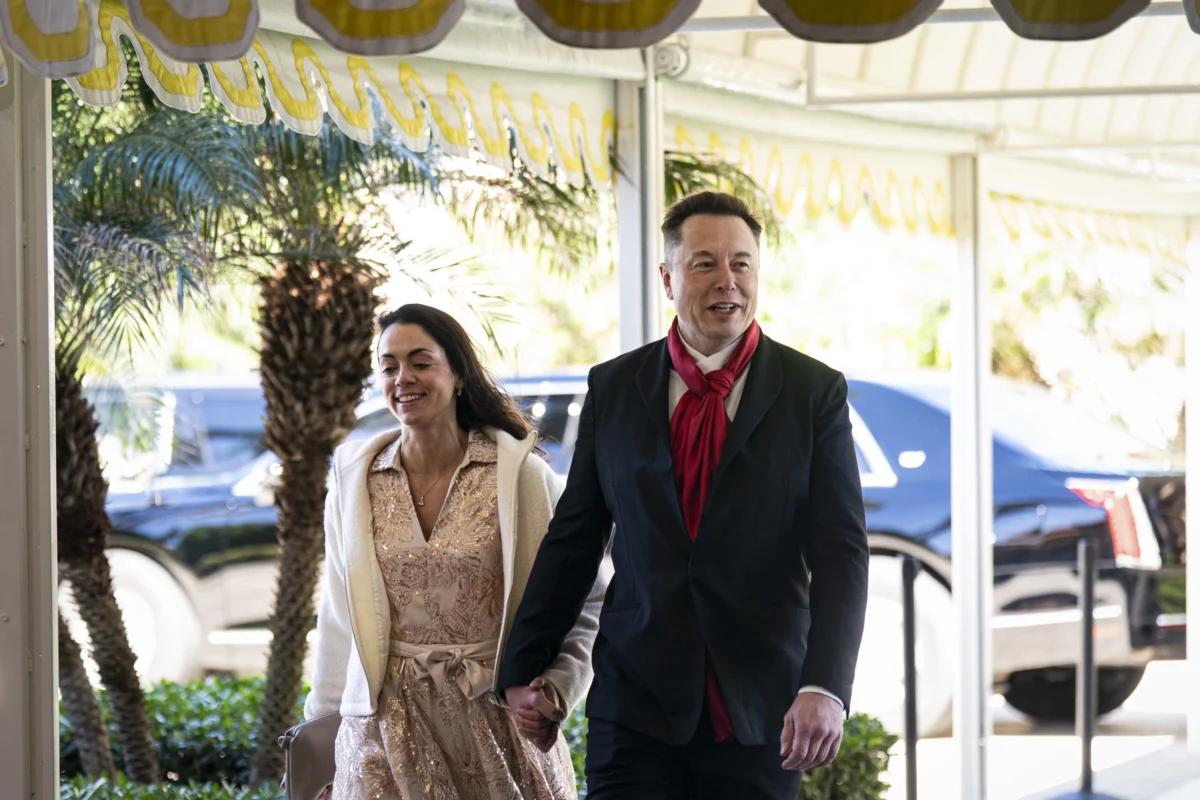
The financial world witnessed a historic milestone on Friday morning as Elon Musk, the visionary and often controversial CEO of SpaceX and Tesla, officially became the world’s first trillionaire. This unprecedented accumulation of wealth was triggered by the highly anticipated initial public offering (IPO) of SpaceX on the NASDAQ exchange. Musk, appearing in his signature black leather jacket and flanked by a cohort of senior SpaceX engineers and executives, rang the opening bell at the NASDAQ MarketSite in Times Square. The event, which received wall-to-wall live coverage on major financial networks including CNBC, marked a definitive shift in the global economic hierarchy and the beginning of a new era for private space exploration.
Trading for SpaceX shares commenced several hours after the opening ceremony. The stock experienced an immediate and robust surge, climbing 18 percent from its initial offering price to reach $154 per share by mid-day. This valuation spike provided the necessary equity boost to push Musk’s net worth past the $1 trillion threshold, a figure that remains larger than the gross domestic product of many developed nations. While Musk’s wealth has long been anchored by his significant holdings in Tesla, the electric vehicle pioneer, the public valuation of SpaceX has now solidified his position as the most financially powerful private individual in human history.
The Financial Architecture of a Trillion-Dollar Empire
The ascent to trillionaire status is not merely a result of the SpaceX IPO but the culmination of a multi-industry strategy that spans automotive, aerospace, telecommunications, and artificial intelligence. Musk currently serves as the CEO of SpaceX and Tesla, while also overseeing X (formerly Twitter), the brain-computer interface firm Neuralink, and The Boring Company. However, it is SpaceX that has recently captured the primary focus of institutional investors.
In its filings with the Securities and Exchange Commission (SEC) and in presentations to potential investors leading up to the IPO, SpaceX leadership made bold claims regarding its future revenue streams. The company stated, "We believe we have identified the largest actionable total addressable market (TAM) in human history." This market is not limited to satellite launches but encompasses global high-speed internet through the Starlink constellation and the eventual commercialization of interplanetary travel.
Market analysts suggest that the 18 percent jump in share price reflects a "story-driven" valuation rather than traditional P/E ratios. Peter Supino, an analyst at Wolfe Research, noted in a Friday memorandum that Musk’s leadership style plays a critical role in market confidence. "We’d guess the common public company mantra of under-promise and over-deliver was never uttered in the halls of a Musk-run company," Supino wrote. "He sets big hairy audacious goals and then pushes his organizations to work toward them, even if impossible. We expect this stock to be in large part driven by a compelling thematic storyline where if investors believe the disruptive long-term potential, then near-in valuation will be less important."
Disruption of the Telecommunications and Media Sectors
The implications of Musk’s trillionaire status extend far beyond the aerospace industry. Through Starlink, SpaceX is increasingly positioned as a direct competitor to traditional telecommunications giants such as Comcast, Charter, Verizon, and AT&T. By providing low-latency, high-speed broadband via a massive constellation of low-Earth orbit (LEO) satellites, Starlink is bypassing the need for terrestrial fiber-optic infrastructure in rural and underserved regions, and increasingly in urban markets.
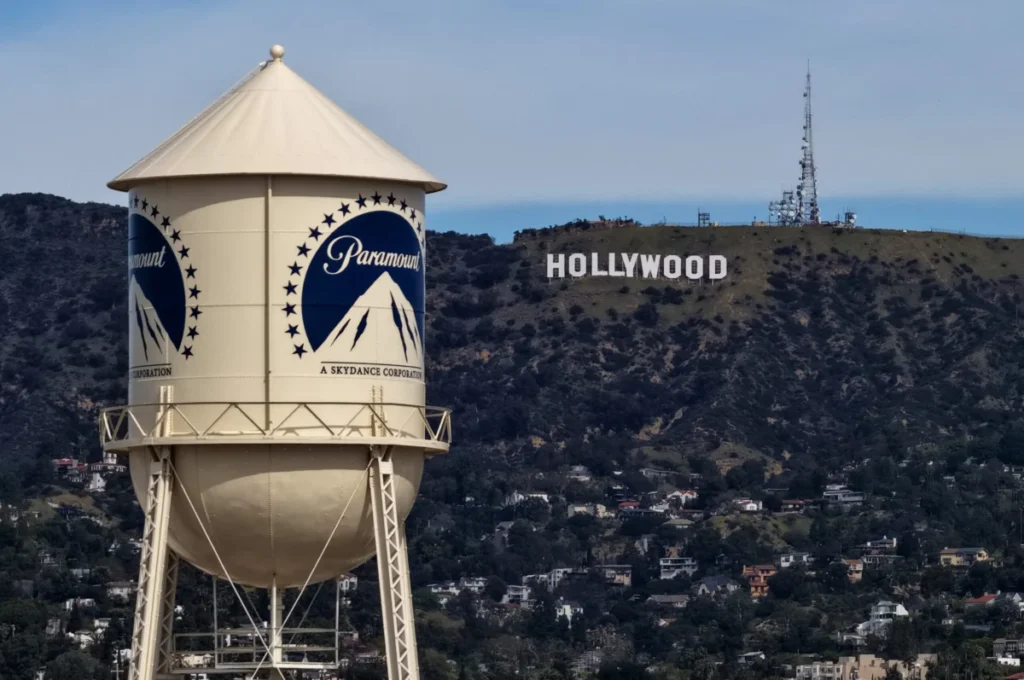
Simultaneously, Musk’s xAI division is making significant inroads into the entertainment sector. The development of advanced video models through Grok, a business line integrated with the X platform, has garnered intense interest—and some trepidation—from Hollywood. These AI tools have the potential to automate aspects of visual effects, animation, and content creation, directly impacting the traditional studio model.
Furthermore, X continues to pivot toward a subscription-and-advertising hybrid model. Despite initial volatility following Musk’s acquisition of the platform, the company is aggressively pursuing a larger share of the digital advertising market, positioning itself as a "town square" that integrates finance, communication, and long-form video content.
A Chronology of the Path to the Trillion-Dollar Milestone
The journey to the Friday IPO and the subsequent trillion-dollar valuation is marked by several key milestones over the last two decades:
- 2002: Musk founds SpaceX with the goal of reducing space transportation costs and enabling the colonization of Mars.
- 2008: After three failed attempts, the Falcon 1 becomes the first privately funded liquid-fueled rocket to reach orbit, narrowly saving the company from bankruptcy.
- 2012: The Dragon spacecraft becomes the first commercial vehicle to deliver cargo to the International Space Station (ISS).
- 2015: SpaceX successfully lands the first stage of an orbital rocket, a breakthrough in reusability that drastically lowered launch costs.
- 2019: The first large batch of Starlink satellites is deployed, beginning the company’s transition into a global internet service provider.
- 2020: SpaceX restores American capability to launch astronauts from U.S. soil with the Crew Dragon Demo-2 mission.
- 2023: The Starship program, the largest rocket ever built, begins orbital flight testing, signaling the next phase of deep-space exploration.
- Friday: SpaceX goes public on the NASDAQ, and the subsequent 18 percent stock rally crowns Musk as the world’s first trillionaire.
Cultural Friction and Hollywood Alliances
Despite his immense wealth and technological influence, Musk remains a polarizing figure in the cultural sphere. He has increasingly adopted the role of a "culture warrior," frequently using his platform on X to criticize what he perceives as "woke" ideologies within major institutions, including Hollywood.
Recently, Musk drew headlines for his public critique of director Christopher Nolan’s casting choices in the upcoming production of The Odyssey. His outspoken nature has often placed him at odds with the creative community in Los Angeles. However, Musk’s influence in the entertainment industry is also characterized by strategic partnerships with traditional power players.
He maintains close ties with Ari Emanuel, the executive chairman of WME Group and CEO of TKO. Emanuel was an early investor in SpaceX, and reports indicate that other prominent Hollywood figures, including Bryan Lourd, Mark Burnett, and Michael Kives, also held significant stakes leading up to the IPO. Furthermore, Musk is a long-time associate of Oracle co-founder Larry Ellison, who is currently providing financial backing for his son David Ellison’s $110 billion acquisition of Warner Bros. Discovery. This intersection of tech-driven wealth and traditional media assets suggests that Musk’s influence on culture will likely grow in tandem with his net worth.
Comparative Wealth and Economic Implications
To put Musk’s $1 trillion valuation into perspective, one must look at the market caps of the world’s most established media and entertainment entities. The Walt Disney Company currently holds a market capitalization of approximately $175 billion, while Netflix stands at $340 billion. Musk’s personal wealth is now nearly double the combined value of these two industry leaders.
This concentration of capital in the hands of a single individual marks what many economists are calling a "new era of moguldom." In the "Golden Age" of Hollywood, moguls like Louis B. Mayer or Jack Warner wielded immense power over public opinion and industry standards, yet their financial reach was localized and relatively modest by modern standards. Musk’s wealth allows him a level of autonomy that is virtually unprecedented, enabling him to fund massive infrastructure projects, influence global communications, and engage in geopolitical affairs without the constraints typically faced by corporate executives or even some heads of state.
Future Outlook: Beyond the Trillion-Dollar Mark
As the market absorbs the reality of the SpaceX IPO, the focus shifts to the company’s long-term objectives. The capital raised from the public offering is expected to be funneled directly into the development of the Starship program and the expansion of the Starlink network. Musk has remained steadfast in his goal of making humanity a multi-planetary species, with Mars colonization being the ultimate objective.
Critics argue that the valuation is speculative and relies heavily on the "Musk Premium"—the idea that investors are betting on the man rather than the current balance sheet. However, the successful IPO and the 18 percent surge suggest that the market is willing to overlook short-term volatility in favor of a long-term "thematic" play.
As Musk navigates his new status as a trillionaire, the world will be watching how he utilizes this vast resource. Whether through the further disruption of the telecom industry, the integration of AI into daily life via xAI, or the continued push toward the stars, the economic and cultural landscape has been irrevocably altered. The "hump" has been crossed, and the era of the trillionaire mogul has officially arrived.