The intersection of atmospheric folk-horror cinema and haunting ethereal music has reached a new zenith with the official release of "Wynter Waxeth," a central musical component of the upcoming motion picture Werwulf. Directed by Robert Eggers—a filmmaker widely recognized for his rigorous commitment to historical authenticity and visceral, slow-burn terror—the project marks a significant milestone for singer-songwriter Ethel Cain. Known for her gothic-inflected soundscapes and narrative-driven compositions, Cain’s involvement with the Werwulf soundtrack serves as her debut contribution to a feature-length film score. This collaboration, which features the production expertise of composer Robin Carolan, aims to bridge the gap between contemporary alternative music and the grim, tactile reality of 14th-century Europe.
The Genesis of a Cinematic Collaboration
The creative synergy between Robert Eggers and Robin Carolan is well-established in modern cinema, with the duo having previously collaborated on the sonic landscapes of The Northman and the atmospheric tension of Nosferatu. When production began on Werwulf, which stars Aaron Taylor-Johnson and Lily-Rose Depp, the search for a voice that could embody the desolate, spiritual dread of the film’s medieval setting led directly to Ethel Cain.
The process of creating "Wynter Waxeth" was not merely a matter of musical composition; it was a deeply collaborative exercise in historical research and linguistic precision. To ensure the song felt indigenous to its 14th-century backdrop, the team prioritized historical accuracy, opting to compose the lyrics entirely in Middle English. This decision was driven by Eggers’ desire for total immersion, requiring the lyrics to be as linguistically authentic as the film’s set design and costuming.
According to statements provided by the creative team, the composition process began with the procurement of a psaltery, a medieval string instrument that provided the song’s foundational, haunting harp-like melody. This initial, stripped-back arrangement allowed Cain to layer her distinct, reverberant vocals, creating a sound profile that Carolan described as being "immediately haunting" upon the first recording session.

A Chronology of the Project
The timeline of Werwulf’s production highlights a meticulous approach to world-building. Following the conclusion of principal photography in late 2025, the post-production phase focused heavily on the sound design. The integration of "Wynter Waxeth" occurred during the winter of 2026, a period during which the team finalized the sonic palette for the film.
- Early 2025: Pre-production for Werwulf begins, with Robert Eggers establishing the visual and thematic goals of the 14th-century period piece.
- Late 2025: Principal photography wraps. Robin Carolan begins the drafting phase of the film’s score.
- Spring 2026: Discussions between Eggers, Carolan, and Ethel Cain regarding a vocal contribution begin. The creative team aligns on the necessity of Middle English lyrics.
- Summer 2026: Composition sessions take place, centered around the acquisition of period-accurate instrumentation, including the psaltery.
- September 2026: The official announcement of the track occurs, followed by the release of the lyric video, signaling the beginning of the promotional campaign ahead of the film’s theatrical release.
Analysis of the Soundscape and Linguistic Authenticity
The lyrical structure of "Wynter Waxeth" serves as an extension of the film’s narrative themes. By utilizing phrases such as "The stille woode houlen" (The still woods howl) and "Goddes grace been gonne" (God’s grace has gone), the track establishes a tone of spiritual isolation and foreboding. This linguistic choice is a strategic element of the film’s marketing, positioning Werwulf as an experience that respects the historical reality of the 1300s, where the fear of the supernatural was deeply entwined with the fear of divine abandonment.
From a musicological perspective, the track’s success relies on the contrast between its primitive, folk-instrumental foundation and the polished, modern production techniques employed by Carolan. This hybrid approach is common in high-concept horror, where directors seek to ground the audience in a tangible past while maintaining an unsettling, contemporary auditory experience.
Industry Impact and Awards Buzz
The inclusion of an original song by a prominent indie-pop artist in a major genre film has become a significant metric for awards consideration in recent years. Industry analysts have noted a trend wherein original songs written for prestige horror and drama films—such as those seen in Wuthering Heights and The Odyssey—frequently capture the attention of the Academy of Motion Picture Arts and Sciences.
The Hollywood Reporter and other trade publications have already identified "Wynter Waxeth" as a strong contender for the Best Original Song category in the 2027 awards cycle. This speculation is buoyed by the critical success of previous songs like Charli XCX’s "House," which set a precedent for pop-centric artists successfully crossing over into film-score composition. For Ethel Cain, this nomination potential represents a significant professional pivot, validating the crossover appeal of her gothic aesthetic.

Commercial Availability and Audience Engagement
In response to the growing demand for physical media in the music industry, Sacred Bones Records has opened pre-orders for a limited-edition 7-inch vinyl release of "Wynter Waxeth." The release will include a B-side track titled "Cold Moone," which is also derived from the Werwulf score. This release strategy caters to the film’s niche, collector-heavy audience, further embedding the film’s lore into the consumer market.
The decision to pair the single with a track from the wider score emphasizes the film’s commitment to a cohesive audio-visual experience. By treating the music as an essential component of the narrative, rather than an auxiliary marketing tool, Eggers and his team are reinforcing the high-brow, prestige branding of the Werwulf project.
Broader Implications for Genre Filmmaking
The collaboration underscores a shift in how horror films are being positioned in the current market. As audiences grow more sophisticated, there is an increasing demand for "prestige horror"—films that marry technical mastery in cinematography with highly curated, period-accurate, or experimental sound design.
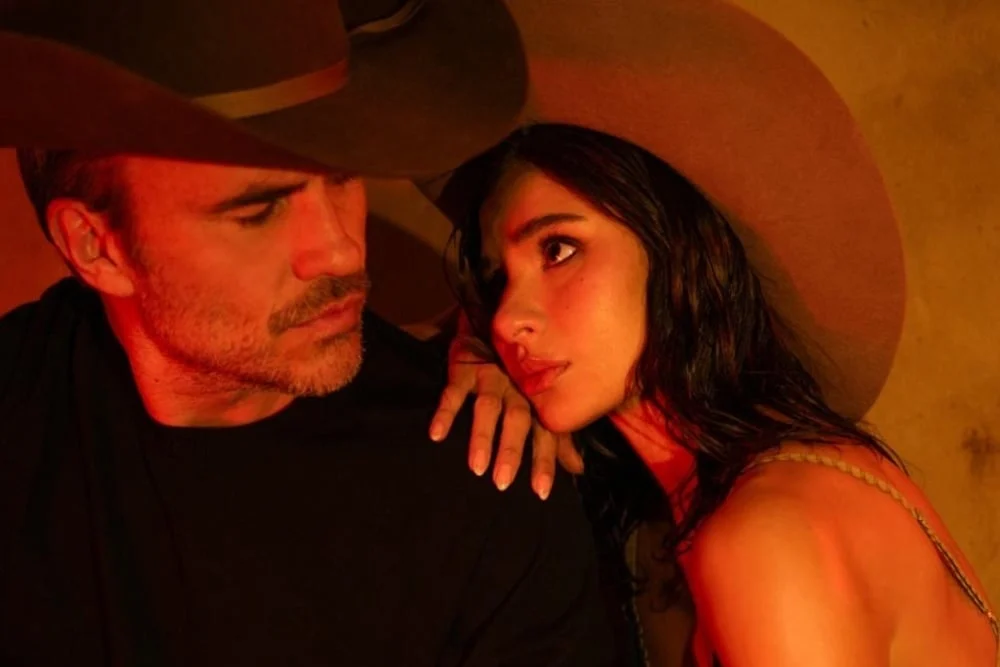
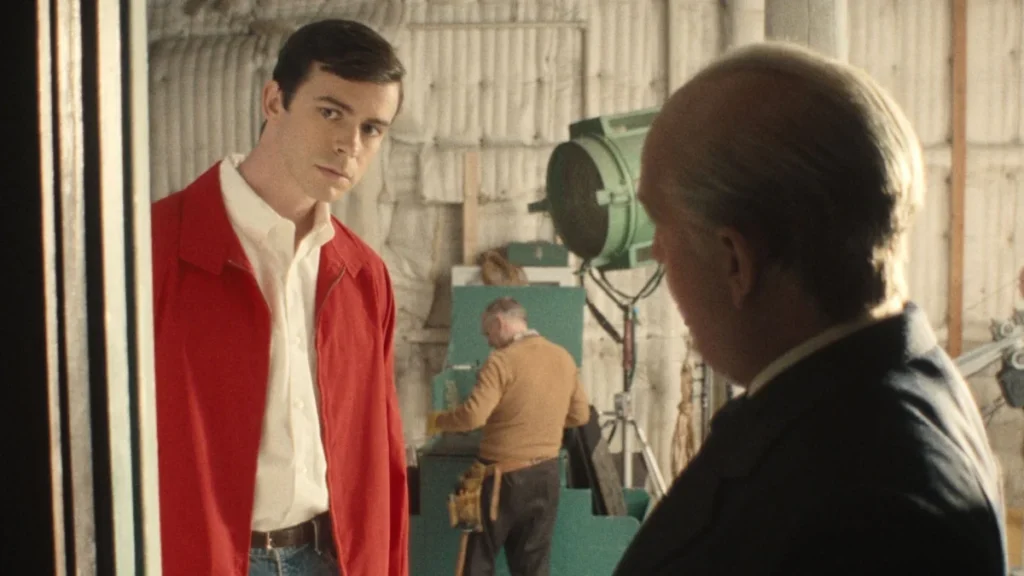
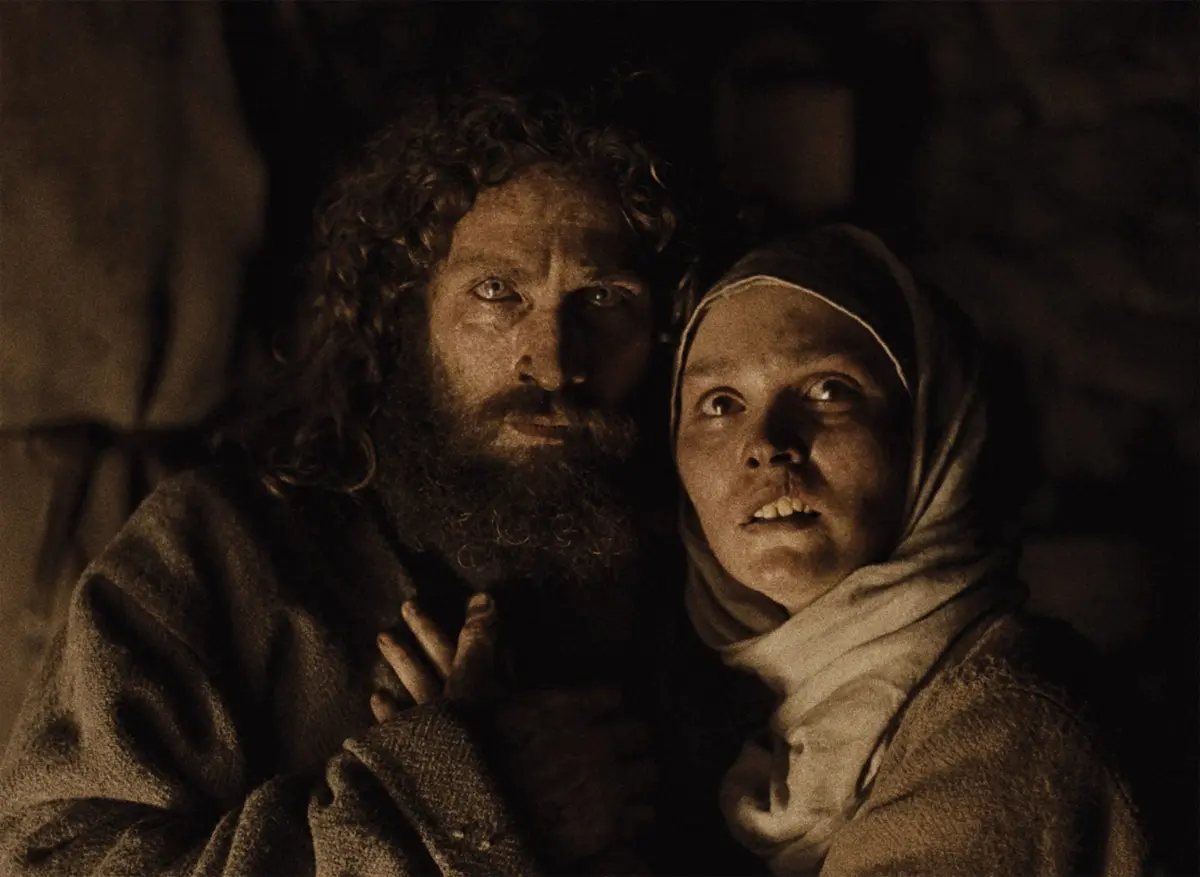
By engaging an artist with the specific cultural cachet of Ethel Cain, the production team has successfully bridged the gap between cinephiles and the music-loving public. The alignment of the visual aesthetic of the film—as seen in the promotional stills of Aaron Taylor-Johnson and Lily-Rose Depp—with the somber, lyrical nature of the music suggests that Werwulf will be a heavily atmospheric work.
As the industry looks toward the 2027 release date, the success of this collaboration will likely serve as a case study for future genre films. It demonstrates that the integration of non-traditional scoring elements—specifically those rooted in historical research and modern alternative songwriting—can provide a significant boost to a film’s prestige and market visibility. Whether the song eventually secures an Academy Award or not, its role in defining the sonic identity of Werwulf is already firmly established. The project stands as a testament to the power of creative alignment, where the director, composer, and vocalist operate under a unified vision to create something that feels both ancient and entirely new.