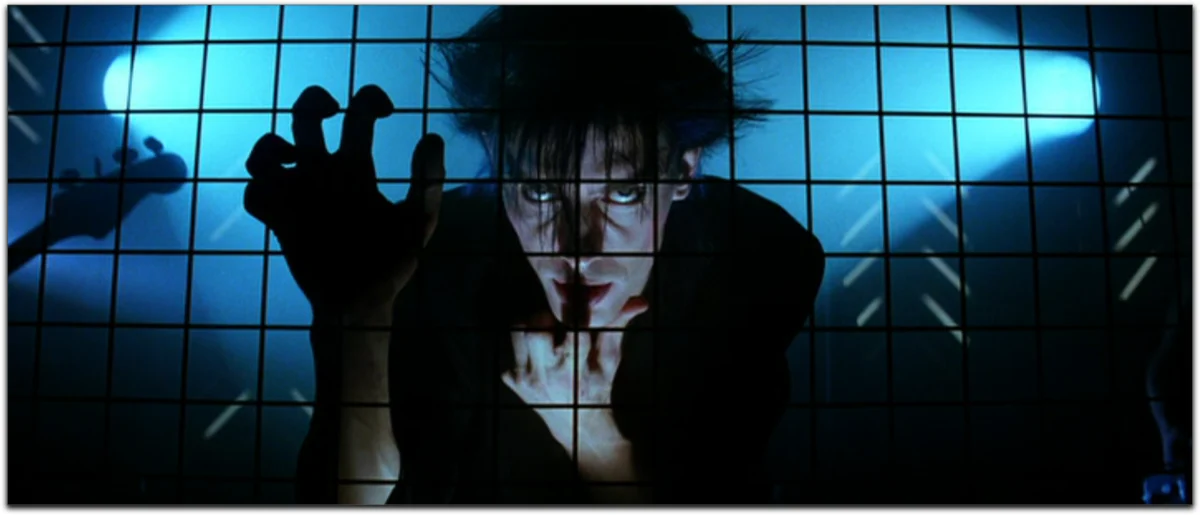
Tony Scott’s 1983 vampire thriller, The Hunger, a visually striking and thematically complex film, has emerged as a significant, albeit often overlooked, piece in the cinematic exploration of bisexual identity and desire, particularly within the gothic framework of vampire lore. While initially met with critical indifference and even derision from mainstream Hollywood, the film’s enduring appeal lies in its sophisticated portrayal of non-binary attraction, its avant-garde aesthetic, and its groundbreaking representation of bisexual characters within the horror genre. This analysis delves into the film’s narrative, its critical reception, its thematic significance, and its lasting impact on the depiction of bisexuality in media.
Genesis and Artistic Vision
Based on Whitley Strieber’s 1981 novel of the same name, The Hunger was directed by Tony Scott, whose distinctive visual style, honed through his background in advertising and his earlier work on films like The Deep, would come to define his directorial career. The film’s screenplay was penned by Michael Thomas, with contributions from Strieber himself and, notably, Frank De Felitta, who was originally attached to direct. The production itself was a collaboration that aimed to blend eroticism, horror, and a certain high-fashion sensibility, drawing inspiration from the burgeoning gothic rock scene of the early 1980s.
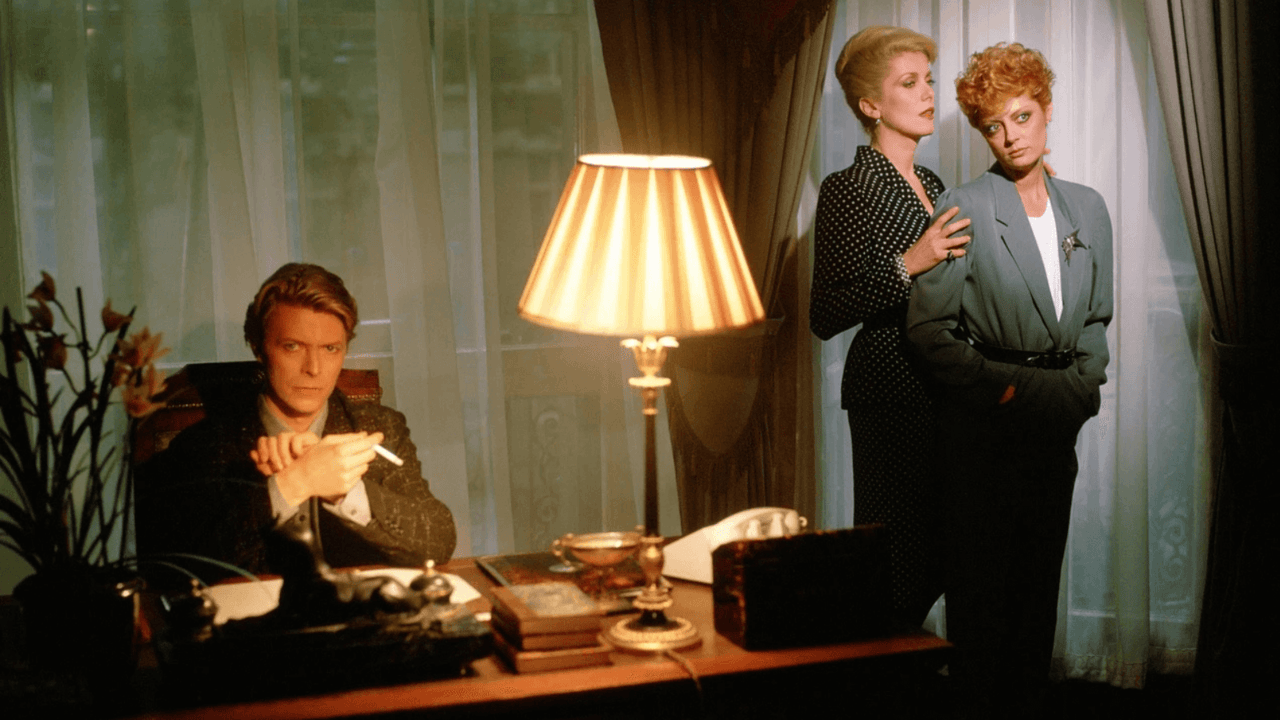
The casting was a deliberate and inspired choice, bringing together three iconic figures: Catherine Deneuve as Miriam Blaylock, a centuries-old vampire of "vaguely Egyptian origins" who sustains herself by draining the life force of her human lovers; David Bowie as John Blaylock, Miriam’s increasingly frail and rapidly aging partner; and Susan Sarandon as Dr. Sarah Roberts, a brilliant gerontologist whose research into cellular decay becomes entangled with the vampires’ curse. The interplay between these performers, each embodying a distinct form of allure and vulnerability, was central to the film’s thematic exploration.
Narrative Arc and Thematic Resonance
The plot of The Hunger centers on the profound existential crisis faced by John Blaylock as his immortality begins to fail. His rapid physical deterioration, marked by accelerated aging and a desperate search for a cure, forces Miriam to confront the limitations of her vampiric existence and the fleeting nature of even eternal companionship. In her quest for a solution, she enlists the help of Dr. Sarah Roberts, a leading researcher in aging. As Sarah delves into the mysterious affliction plaguing John, she becomes the object of Miriam’s attention, initiating a dangerous and seductive triangle.
What distinguishes The Hunger is its subtle yet powerful subversion of traditional vampire tropes and its explicit engagement with bisexual desire. While the term "bisexual" is never uttered within the film, Miriam’s character embodies an unapologetic fluidity of attraction. Her relationship with John is characterized by a deep, albeit possessive, love, but her immediate and intense fascination with Sarah transcends conventional romantic or sexual boundaries. Miriam is portrayed not merely as a predatory creature but as a being driven by an insatiable hunger for life, connection, and power, which she seeks indiscriminately from both men and women. This lack of explicit labeling allows Miriam to exist outside societal constraints, making her both more alluring and more terrifying.

The film’s visual language, a hallmark of Tony Scott’s directorial style, is integral to its thematic depth. The opulent, dimly lit interiors, the sharp, fashionable costumes, and the pervasive sense of ennui create an atmosphere of decadent decay. The striking use of color, particularly the interplay of blues and oranges, enhances the film’s gothic and sensual mood. This aesthetic choice was not merely superficial; it underscored the characters’ alienation from the mundane world and their existence within a realm of heightened sensation and eternal twilight.
Critical Reception and Reappraisal
Upon its release in 1983, The Hunger was met with a largely negative critical response. Many reviewers found the film to be pretentious, slow-paced, and lacking in narrative coherence. Roger Ebert famously described it as "agonizingly bad," a sentiment echoed by many of his contemporaries who warned audiences to "avoid it like the plague." This dismissive reception, Tony Scott himself suggested in a 2009 interview with CinemaBlend, stemmed from Hollywood’s discomfort with the film’s unconventional approach and its thematic audacity. "Hollywood just hated [the] movie," Scott alleged, recounting how his "parking spot at Warner Brothers was painted out" after an early cut was screened.
However, over time, critical and audience perspectives have shifted. The Hunger has undergone a significant reappraisal, earning a cult following and recognition as a pioneering work in queer cinema and a sophisticated horror film. This reevaluation can be attributed to several factors:

- The Evolution of LGBTQ+ Representation: As societal understanding and acceptance of LGBTQ+ identities have grown, films that explore non-normative sexualities, even subtly, have been recognized for their contributions. The Hunger‘s portrayal of bisexual desire, devoid of the judgmental tropes often associated with the "evil bisexual" stereotype, has resonated with audiences seeking more nuanced representations.
- Aesthetic Influence: The film’s distinctive visual style and its groundbreaking use of music, particularly the iconic opening sequence featuring Bauhaus’s "Bela Lugosi’s Dead," have influenced subsequent generations of filmmakers and music artists. Sky Ferreira’s 2013 music video for "You’re Not the One," which heavily references the film’s opening, is a notable example of its enduring cultural impact.
- Performance Powerhouse: The stellar performances of Deneuve, Bowie, and Sarandon continue to captivate audiences. Deneuve’s icy elegance, Bowie’s melancholic vulnerability, and Sarandon’s intellectual curiosity create a compelling dramatic tension that transcends the film’s initial critical shortcomings.
Bisexual Representation in Horror and Beyond
The horror genre has historically provided a fertile ground for exploring repressed desires and societal anxieties, and vampires, with their inherent themes of forbidden intimacy, immortality, and predatory instincts, have often been imbued with queer undertones. While films like Carmilla and numerous 1970s lesbian vampire films predated The Hunger, Scott’s film distinguished itself by presenting explicit bisexuality in a contemporary, high-fashion setting, without resorting to overt labels.
Miriam Blaylock’s character is a compelling study in the complexities of bisexual desire and power. Her attraction to Sarah is as potent and consuming as her past affections for John. The film presents this attraction not as a phase or an aberration but as an intrinsic aspect of her being. Her willingness to discard John, despite their long history, in pursuit of Sarah highlights the uninhibited nature of her desires. This portrayal, while potentially aligning with the "evil bisexual" trope in its depiction of a predatory figure, is also celebrated for its sheer unapologetic nature. The film allows Miriam to be a monster, a seductress, and a being of immense power, all while operating outside the confines of conventional sexual categorization.
Thematic Analysis: Desire, Mortality, and Identity
The Hunger can be analyzed through several thematic lenses:

- The Nature of Desire: The film treats desire as a primal, often uncontrollable force. Sarah’s attraction to Miriam is depicted as sudden and profound, a genuine emotional and physical response that she navigates with surprising equanimity. Unlike characters in more conventional narratives who might grapple with internal conflict or societal judgment, Sarah’s reaction is one of immediate engagement, suggesting a naturalization of her attraction. This approach, as the original article noted, positions desire as simply "desire," a fundamental aspect of human (and in this case, inhuman) experience.
- Mortality and Immortality: The central conflict revolves around the fear of death and the allure of eternal life. John’s rapid aging is a stark reminder of human fragility, while Miriam’s existence represents a perpetual struggle against the void. The film questions whether immortality, stripped of its vitality, is truly desirable, and it explores the sacrifices one might make to achieve or maintain it.
- Identity Beyond Labels: By deliberately omitting the terms "bisexual" and "vampire," the film elevates its characters beyond restrictive classifications. Miriam’s existence outside these labels makes her an enigma, capable of inspiring both fear and fascination. This ambiguity allows for a more fluid interpretation of her character and her motivations, reflecting a more contemporary understanding of identity as complex and multifaceted.
Lasting Impact and Legacy
Tony Scott’s The Hunger remains a significant cultural artifact, particularly for its contributions to LGBTQ+ representation in cinema. Its stylish visuals, compelling performances, and daring thematic exploration have cemented its status as a cult classic. The film’s influence can be seen not only in subsequent horror films but also in fashion, music, and art, where its gothic aesthetic and exploration of desire continue to inspire.
The film’s reappraisal highlights a broader cultural shift in how bisexuality and other non-binary identities are perceived and represented. By presenting a character who embodies bisexual desire with such unapologetic power and complexity, The Hunger offered a vision that resonated with audiences long before mainstream cinema fully embraced such narratives. Its legacy lies in its ability to provoke thought, challenge conventions, and offer a darkly alluring glimpse into the multifaceted nature of attraction and existence, proving that some films, much like their immortal subjects, only grow more potent with age. As The Hunger continues to stream on platforms like Tubi, it offers a compelling invitation for both seasoned fans and new audiences to appreciate its enduring artistry and its groundbreaking exploration of desire.