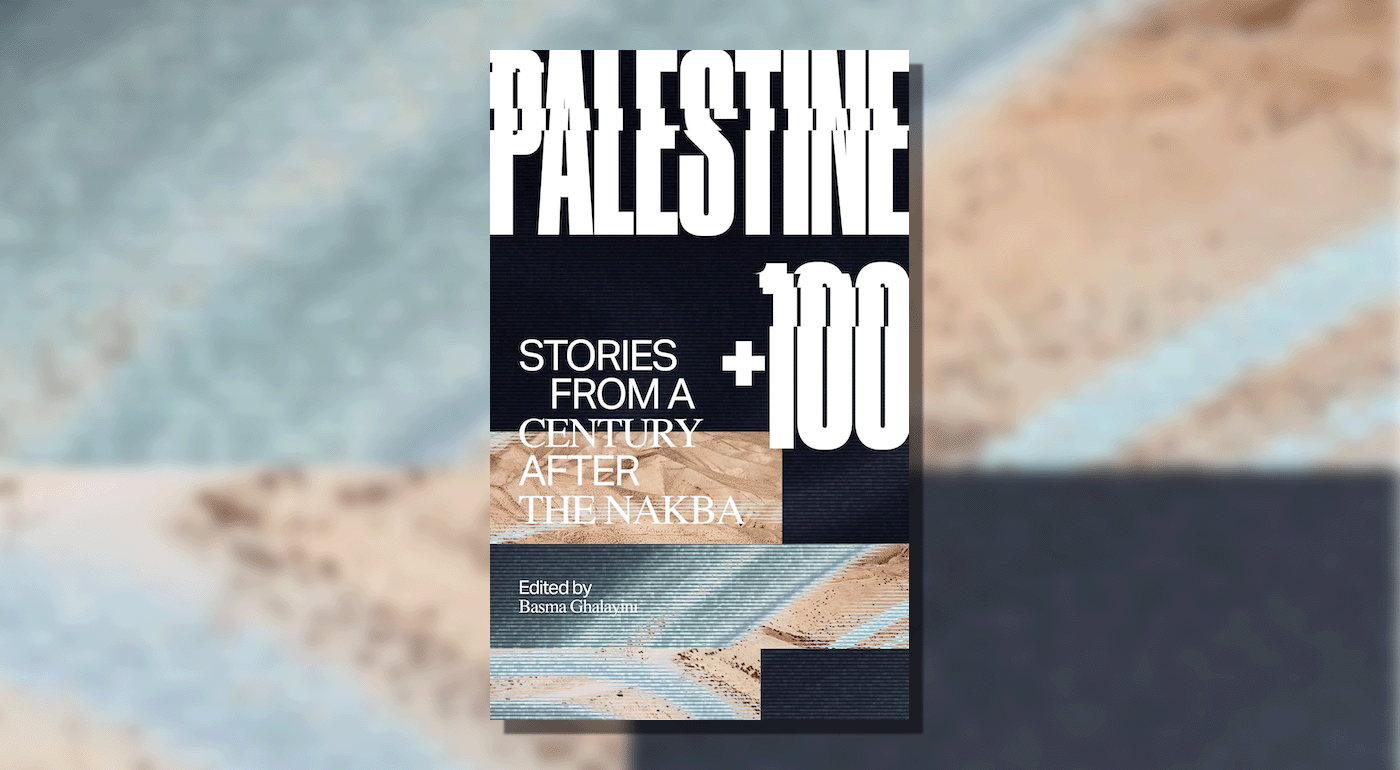
The bimonthly literary review column Found in Translation examines works translated into English that span diverse speculative genres, ranging from traditional storytelling to experimental narratives and culturally distinct paradigms, all united by the premise that global speculative literature offers an expansive window into human experience. Within this analytical framework, the seminal 2019 speculative anthology Palestine +100, edited by Basma Ghalayini and published by Comma Press in the United Kingdom and Deep Vellum in the United States, presents a profound conceptual challenge to traditional definitions of dystopian literature.
By projecting the Palestinian experience forward to the year 2048—marking exactly one century since the Nakba, the 1948 displacement, mass killing, and ethnic cleansing that accompanied the establishment of the state of Israel—the anthology features twelve distinct voices grappling with the intersection of science fiction, historical trauma, and imagined futures. The volume compiles narratives translated primarily from Arabic into English alongside pieces written directly in English by authors operating within refugee frameworks, establishing a multi-faceted literary exploration of occupation, surveillance, technology, and collective memory.
Defining Speculative Fiction Under Conditions of Ongoing Trauma
The term dystopia, originating from the Ancient Greek prefix dys- meaning bad and -topia meaning place, conventionally characterizes fictional alternate or future states defined by extreme forms of systemic oppression, violence, and institutional injustice. However, literary scholars, critics, and the contributing authors of Palestine +100 raise a critical semantic and ethical dilemma: how should literature classify the speculative fiction and imagined futures of a society actively undergoing genocide, displacement, military bombardment, systemic imprisonment, and torture?
Artistic expression under such conditions cannot reasonably be expected to distill or sanitize massive collective suffering from the creative process. The twelve contributors to the anthology confront this reality head-on, producing narratives that stretch across a spectrum of speculative subgenres. Some stories envision harrowing advancements in military and colonial technology, while others construct fraught, precarious peace agreements that interrogate the limits of two-state solutions and the deliberate political and individual erasure of history. Although the anthology includes contributions originally written in English, these texts are shaped by the distinct linguistic patterns, idioms, and cultural frameworks of Arabic and refugee experiences. This multi-lingual and cross-cultural foundation underscores the anthology’s overarching thesis: that speculative fiction serves as an essential medium for displaced populations to conceptualize their history, project their survival, and articulate their political aspirations.
Chronology and Historical Context of the Nakba and 2048
To fully contextualize the thematic urgency of Palestine +100, it is necessary to examine the historical trajectory connecting the foundational trauma of 1948 to the projected centennial milestone of 2048.
The historical timeline of the Palestinian displacement and the evolution of speculative responses includes several pivotal junctures:
- 1948 (The Nakba): The displacement of an estimated 700,000 Palestinians from their homes and lands, accompanied by the destruction of hundreds of villages and the creation of the state of Israel. This event forms the foundational trauma referenced throughout Palestinian literature and political discourse.
- 1967 (The Naksa): The Six-Day War resulting in the Israeli occupation of the West Bank, East Jerusalem, and the Gaza Strip, further fragmenting the Palestinian population and establishing the modern occupation framework.
- 1993–1995 (The Oslo Accords): The establishment of a framework intended to lead to a negotiated settlement of the Israeli-Palestinian conflict, which ultimately stalled and left core issues—such as borders, refugees, and the status of Jerusalem—unresolved.
- 2019: The initial publication of Palestine +100 by Comma Press in the UK, bringing together speculative visions of a future century shaped by the unresolved legacies of 1948.
- 2048: The conceptual focal point of the anthology, marking the centenary of the Nakba. This year serves as the narrative present for the twelve short stories and novellas contained within the volume, forcing readers to evaluate what a century of statelessness, resistance, and transformation yields.
An Analytical Breakdown of the Anthology’s Twelve Speculative Visions
The twelve contributions to Palestine +100 utilize varied speculative devices—ranging from magical realism and virtual reality to cyberattacks and high-tech dystopias—to examine the multifaceted nature of occupation and the persistent demand for self-determination.
Song of the Birds by Saleem Haddad opens the collection by exploring a liberated Gaza facing a paradoxical crisis: rising suicide rates among the youth. In this narrative, a young woman grieving her brother begins experiencing vivid visions of a devastated landscape. Haddad constructs a chilling psychological horror that examines how trauma persists even after formal liberation, suggesting that unhealed psychological wounds and weaponized longing can function as lingering colonial instruments.
In Sleep it Off, Dr. Schott by Selma Dabbagh, the focus shifts to an Orwellian future defined by pervasive, high-tech surveillance. A young woman tasked with monitoring the personal and romantic dynamics between an Israeli researcher and a Palestinian counterpart becomes deeply unsettled by the revelations uncovered through her surveillance logs, recordings, and digital intercepts. Dabbagh utilizes an epistolary format composed of data logs to critique the intrusion of state monitoring into human intimacy.

Majd Kayyal’s N, translated by Thoraya El-Rayyes, presents a literal manifestation of the two-state solution. Following the total destruction of Gaza and subsequent international pressure forcing the liberation of Palestine, an amendment dictates that both nations will occupy the same geographical space simultaneously through distinct, parallel realities separated by tightly controlled borders. Access to this dual existence, however, is restricted exclusively to Palestinians born after the legislative amendment.
Anwar Hamed’s The Key, translated by Andrew Leber, employs speculative horror to examine the architecture of segregation. In this future, Israeli scientists implement a system of invisible, code-locked walls that permeate the landscape, permitting only authorized individuals to cross. This technological barrier ultimately backfires as Israeli citizens experience psychological distress, constantly perceiving phantom home invasions and fearing the unseen presence of the displaced population—a clever inversion of the symbolic keys retained by Nakba survivors.
Digital Nation by Emad El-Din Aysha introduces a disruptive cyberattack that systematically converts all Israeli digital networks, devices, and infrastructure into the Arabic language. The sudden collapse of automated transportation systems, media broadcasts featuring exclusively Arab music, and data displays rendered incomprehensible to the majority population precipitate a rapid societal breakdown, ultimately culminating in the emergence of a unified Palestinian state.
Virtual reality serves as the central medium in Personal Hero by Abdalmuti Maqboul, translated by Yasmine Seale. The story explores the recreation of historical Palestinian figures through immersive VR technology, focusing specifically on a poignant encounter between revolutionary leader Abd Al-Qadir al-Husayni—who fell in combat in 1948—and his elderly daughter, bridging generations of separation through digital resurrection.
Tasnim Abutabikh’s Vengeance depicts an environmentally degraded future where citizens are issued mandatory breathing lifemasks at birth. Within this bleak ecosystem, a young man seeking vengeance infiltrates the life of his intended target. Despite the hostile environment, the narrative highlights the resilience of characters who forge bonds of mutual protection and fiercely preserve their cultural identities against systemic injustice.
In Application 39 by Ahmed Masoud, a rebuilt, high-tech Gaza City Republic exists in a state of tense, post-invasion peace. Two brothers, survivors of prior conflicts, submit a playful bureaucratic application for Gaza to host the Olympic Games. To international astonishment, the bid is accepted, triggering a cascade of diplomatic crises that balance dark humor with the stark realities of international recognition.
Samir El-Youssef’s The Association, translated by Ralph Cormack, constructs a noir-infused narrative set in a future where peace is maintained exclusively through the strict state-sanctioned prohibition of history. When a historian is assassinated, a journalist who has accepted this sanitized reality begins investigating the suppressed past, highlighting the dangers of enforced amnesia.
Rawan Yaghi’s Commonplace remains anchored in the psychological immediacy of the present. Against a backdrop of ongoing military strikes and bombings, a dealer navigates his daily routine while mourning his brilliant sister, who was tortured and killed years prior. The narrative prioritizes internal processing and the enduring strength of family bonds over grand geopolitical resolutions.
Talal Abu Shawish’s Final Warning, translated by Mohamed Ghalainey, offers a departure into speculative optimism. Following a technological blackout that displaces both Palestinians and Israelis, the sudden arrival of an extraterrestrial spacecraft unites the two populations in shared confusion and awe, presenting a poignant metaphor for unexpected human connection across deep divides.
The anthology concludes with its longest contribution, The Curse of the Mud Ball Kid by Mazen Maarouf, translated by Jonathan Wright. Divided into multiple chapters, the novella portrays a desolate world in which only a single Palestinian survivor remains. Rather than signaling a definitive colonial victory, the surviving individual is treated by the occupying authorities as a human time bomb containing the collective energy and memory of all those who were killed. His survival ensures a delicate, volatile equilibrium that blends science fiction with elements of magical realism.
Implications and the Endurance of Collective Memory
Literary critics and political analysts note that anthologies such as Palestine +100 occupy a crucial space in contemporary global literature. By engaging with speculative fiction, Palestinian authors transcend the limitations of conventional journalistic reporting, utilizing imaginative frameworks to articulate political realities that resist simple categorization.
Far from promoting fatalism or despair, the speculative futures compiled by Basma Ghalayini reinforce the premise that Palestinian society maintains a resolute vision for a future defined by self-determination and cultural continuity. The recurring motifs of human connection, familial loyalty, and the stubborn preservation of collective memory serve as testament to the endurance of identity. Ultimately, Palestine +100 demonstrates that even within the darkest speculative projections of continued displacement, art functions as an indispensable vessel for preserving history and imagining a liberated tomorrow.