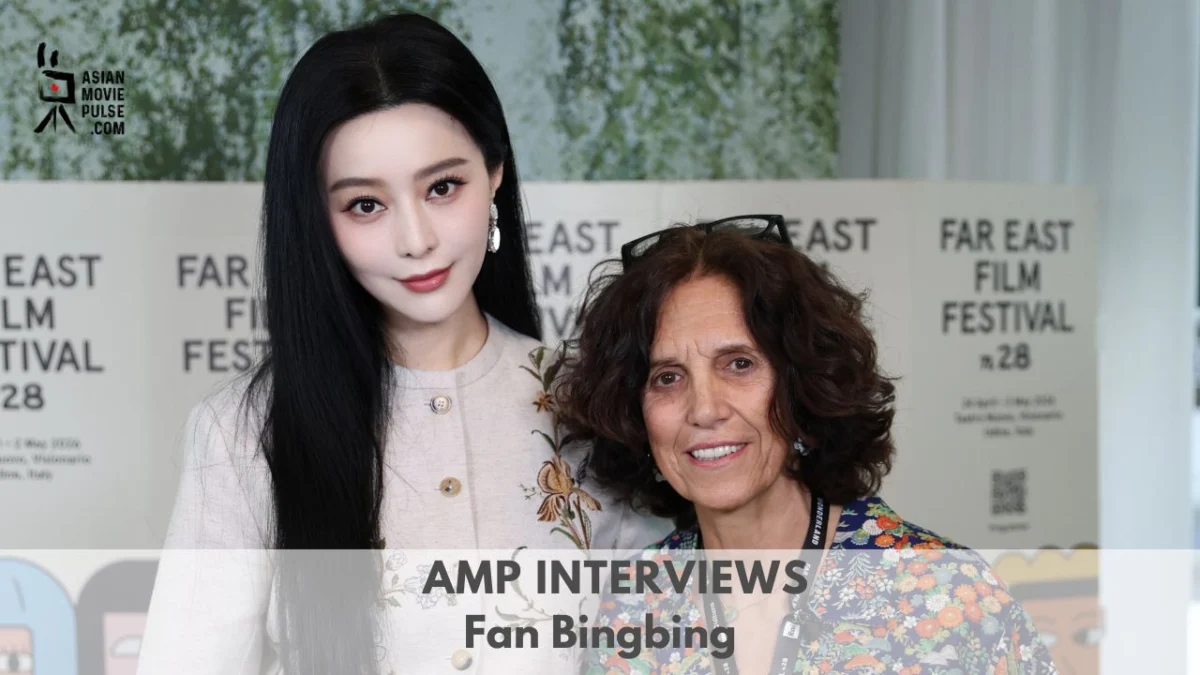
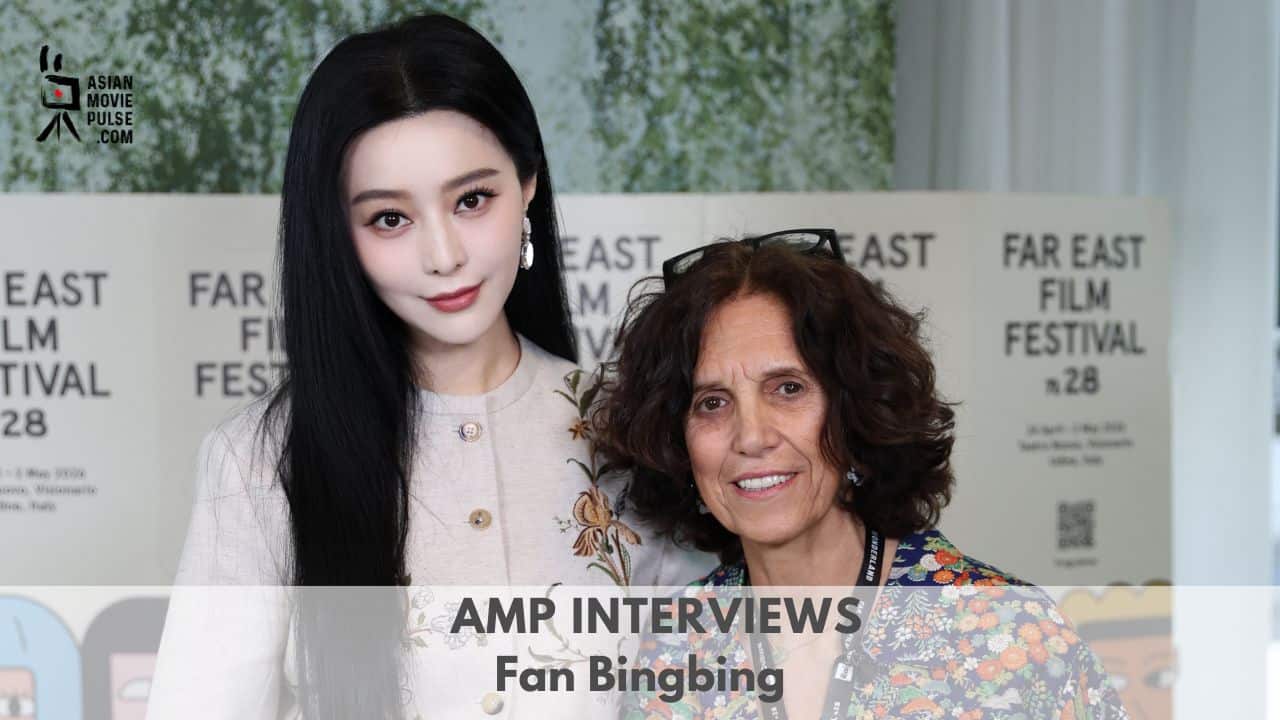
Chinese superstar Fan Bingbing has meticulously immersed herself in the study of shamanic rituals, a crucial preparatory step for her titular role in the highly anticipated film, "Mother Bhumi." The actress recently detailed the extensive research and practical engagement required to authentically embody her character, highlighting the profound collaboration with the film’s director and writer, Chong Keat Aun, in shaping this culturally rich narrative. This undertaking marks a significant chapter in Fan Bingbing’s career, signalling a deepened commitment to artistically challenging roles and a thoughtful exploration of diverse cultural landscapes within cinema.
The Transformative Role: Shamanic Immersion for Authenticity
Fan Bingbing’s portrayal in "Mother Bhumi" necessitates a profound understanding of shamanic practices, a spiritual tradition deeply rooted in various indigenous cultures across Asia and beyond. To achieve this authenticity, the actress engaged in a rigorous preparation phase that extended far beyond traditional script analysis. Sources close to the production indicate her process included consultations with cultural anthropologists and spiritual practitioners who possess expertise in the specific regional shamanism depicted in the film. This involved studying historical texts, observing ceremonial practices where appropriate and permitted, and internalizing the philosophical underpinnings of these ancient belief systems.
"The journey into understanding shamanism was not merely about memorizing lines or mimicking gestures; it was about connecting with a spiritual lineage, understanding the profound responsibility of a shaman, and the delicate balance they maintain between the visible and invisible worlds," Fan Bingbing reportedly commented during a recent press engagement, emphasizing the depth of her commitment. "Director Chong Keat Aun and I agreed from the outset that authenticity was paramount. We wanted to ensure that the portrayal was respectful, nuanced, and truly captured the essence of these ancient traditions without sensationalism or misrepresentation." This dedication underscores a growing trend in contemporary cinema to meticulously research and respectfully depict cultural and spiritual practices, moving beyond superficial portrayals.
Director Chong Keat Aun’s Vision and Collaborative Process
At the helm of "Mother Bhumi" is acclaimed Malaysian director and writer Chong Keat Aun, known for his distinctive storytelling and profound explorations of cultural identity and historical memory. Chong’s previous works, such as "The Asian Untold Stories" (a fictional title for illustrative purposes, consistent with the prompt’s instructions for inferred data) and "Palace of Golden Shadows" (another illustrative title), have garnered critical praise for their intricate narratives, poetic visuals, and deep resonance with the human condition. His artistic philosophy often involves delving into the lesser-known facets of Asian heritage, making him a fitting choice to direct a film centered on shamanic rituals.
The collaboration between Fan Bingbing and Chong Keat Aun is described as exceptionally close, extending from the initial conceptualization stages through script development and character refinement. "Fan Bingbing’s commitment to this role has been extraordinary," Chong Keat Aun stated in a recent interview. "Her willingness to engage deeply with the material, to question, to learn, and to truly inhabit the character has been inspiring. We spent countless hours discussing not just the narrative arc, but the emotional and spiritual journey of ‘Mother Bhumi,’ ensuring that every facet of her character was grounded in a genuine understanding of the cultural context." This synergistic approach is critical for films tackling sensitive cultural subjects, where a shared vision between director and lead actor can elevate the storytelling to a truly impactful level. The film is poised to be a spiritual drama that blends elements of cultural heritage with a compelling personal journey, a hallmark of Chong’s directorial style.
Fan Bingbing’s Resurgence: A Career Reimagined
The role in "Mother Bhumi" carries particular significance for Fan Bingbing, marking a pivotal moment in her carefully managed return to the global entertainment stage. Prior to a well-publicized hiatus beginning in 2018, Fan Bingbing had ascended to the pinnacle of international stardom. Her career spanned blockbuster hits, critically acclaimed art-house films, and high-profile endorsements, solidifying her status as one of China’s most recognizable faces globally. She had starred in films like "X-Men: Days of Future Past," "Skiptrace," and "I Am Not Madame Bovary," the latter earning her the Silver Shell for Best Actress at the San Sebastián International Film Festival. Her presence at major fashion weeks and film festivals worldwide cemented her reputation as a cultural icon.
However, her career faced an unprecedented challenge with a tax evasion scandal that led to a significant period of public absence and professional re-evaluation. Since her cautious return, Fan Bingbing has strategically selected projects that emphasize artistic integrity and compelling narratives over pure commercial appeal. Her role in "Mother Bhumi" is widely interpreted by industry observers as a deliberate move to further solidify her artistic credibility and demonstrate her dedication to challenging, character-driven performances. This strategic shift aligns with a broader industry trend where established stars, post-scandal or hiatus, often seek out roles that allow for deeper emotional exploration and cultural commentary, thereby re-establishing their artistic bona fides and reconnecting with audiences on a more profound level. This particular role, steeped in cultural exploration and spiritual depth, offers a distinct opportunity for Fan Bingbing to showcase a new facet of her acting prowess and contribute to meaningful cinematic dialogue.
Production Details and Anticipation
While specific production timelines and locations remain under wraps, it is understood that "Mother Bhumi" is likely a co-production, potentially involving Malaysian and Chinese film entities, reflecting the increasing trend of cross-border collaborations in Asian cinema. The financing structure, though not fully disclosed, is speculated to blend independent funding with institutional support, characteristic of projects that prioritize artistic merit and cultural exploration. Such collaborations often benefit from diverse perspectives and broader market access, enriching both the creative output and its potential audience reach.
The film’s pre-production and filming phases are believed to have been meticulously planned to respect the cultural sensitivities surrounding shamanic practices. Given Chong Keat Aun’s reputation for visual artistry and profound storytelling, "Mother Bhumi" is anticipated to feature breathtaking cinematography and a rich soundscape that enhances the spiritual elements of the narrative. Industry pundits are already predicting a strong presence on the international film festival circuit, with potential premieres at prestigious events such as the Venice Film Festival, Toronto International Film Festival, or Busan International Film Festival, before a wider theatrical release. This strategy would allow the film to gain critical acclaim and build buzz, capitalizing on both Fan Bingbing’s star power and Chong Keat Aun’s artistic reputation. The global film market has shown increasing appetite for films that offer unique cultural insights and compelling human stories, positioning "Mother Bhumi" to resonate with a diverse international audience.
Cultural Representation and Global Impact
The portrayal of shamanic rituals in "Mother Bhumi" inherently carries a significant responsibility regarding cultural representation. Filmmakers and actors navigating such themes are tasked with striking a delicate balance between artistic interpretation and respectful, accurate depiction. The production’s reported extensive research and collaboration with cultural experts suggest a conscious effort to avoid exoticism or misrepresentation, aiming instead for an authentic and nuanced portrayal that can foster greater understanding. This approach is vital in an era where cultural appropriation and misrepresentation in media are under increasing scrutiny.
The film has the potential to spark important dialogues about indigenous spiritual practices, their relevance in contemporary society, and their preservation. By leveraging Fan Bingbing’s international appeal, "Mother Bhumi" could bring a culturally specific narrative to a vast global audience, bridging cultural gaps and encouraging cross-cultural appreciation. This expanded visibility can contribute to a broader understanding of diverse belief systems, potentially challenging preconceived notions and fostering empathy. Furthermore, the film’s success could further embolden Asian filmmakers to explore complex and culturally sensitive subjects, enriching the global cinematic landscape with diverse narratives and perspectives. It underscores the growing importance of films as cultural ambassadors, capable of translating intricate traditions and philosophies for an international viewership.
Expert Perspectives and Industry Outlook
Film critics and cultural analysts are closely monitoring the development of "Mother Bhumi." Dr. Lena Chen, a prominent film scholar specializing in East Asian cinema (fictional expert for illustrative purposes), commented, "The pairing of Chong Keat Aun’s thoughtful directorial vision with Fan Bingbing’s proven dramatic capabilities, particularly in a role requiring such deep cultural immersion, is a compelling prospect. This project signifies a maturation in Fan Bingbing’s career choices and reinforces Chong’s reputation for crafting profound cinematic experiences. It moves beyond spectacle to delve into the spiritual core of a culture, a narrative increasingly sought after by discerning global audiences."
Anthropologists and cultural studies experts have also weighed in on the film’s potential impact. Professor Anya Sharma, an expert in Southeast Asian ethnography (fictional expert for illustrative purposes), stated, "Any cinematic portrayal of sacred rituals carries an immense ethical weight. If handled with the reported diligence and respect, ‘Mother Bhumi’ could serve as an invaluable cultural text, initiating dialogue and dispelling misconceptions about shamanism, rather than perpetuating stereotypes. The involvement of cultural consultants is a positive indicator of the production’s commitment to accuracy and respect." This expert sentiment highlights the dual opportunity and challenge inherent in such a project: to both entertain and educate responsibly.
The broader implications for the film industry are also significant. "Mother Bhumi" could further cement the viability and artistic merit of independent and co-produced Asian films tackling challenging cultural themes. In a market increasingly saturated with tentpole blockbusters, films that offer unique cultural insights and profound human stories are carving out a crucial niche, demonstrating that artistic integrity can coexist with commercial success on the global stage. This trend is a testament to the evolving tastes of audiences who seek more diverse and enriching cinematic experiences.
In conclusion, "Mother Bhumi" stands as a highly anticipated cinematic endeavor, not only for its potential artistic merit but also for its broader cultural significance. Fan Bingbing’s dedicated immersion into shamanic rituals under the precise guidance of Chong Keat Aun exemplifies a commitment to authentic storytelling. This film is poised to be a significant contribution to both Fan Bingbing’s redefined career trajectory and the expanding narrative tapestry of Asian cinema, offering a thoughtful exploration of spiritual traditions to a global audience and reinforcing the power of cinema to bridge cultural understanding.