The upcoming premiere of the horror-comedy Flapjax at the 2026 Fantastic Fest in Austin, Texas, signals a notable return to the visceral, practical-effects-driven subgenre of body horror. Scheduled for a world premiere on September 17 at 11:30 p.m. at the Alamo Drafthouse South Lamar, the film represents the latest directorial effort from Rocko Zevenbergen. As the festival circuit continues to evolve, Flapjax stands as a representative example of independent cinema’s enduring reliance on the "midnight movie" aesthetic—a stylistic choice characterized by exaggerated practical effects, dark humor, and a subversion of mundane suburban tropes.
The Premise and Narrative Arc
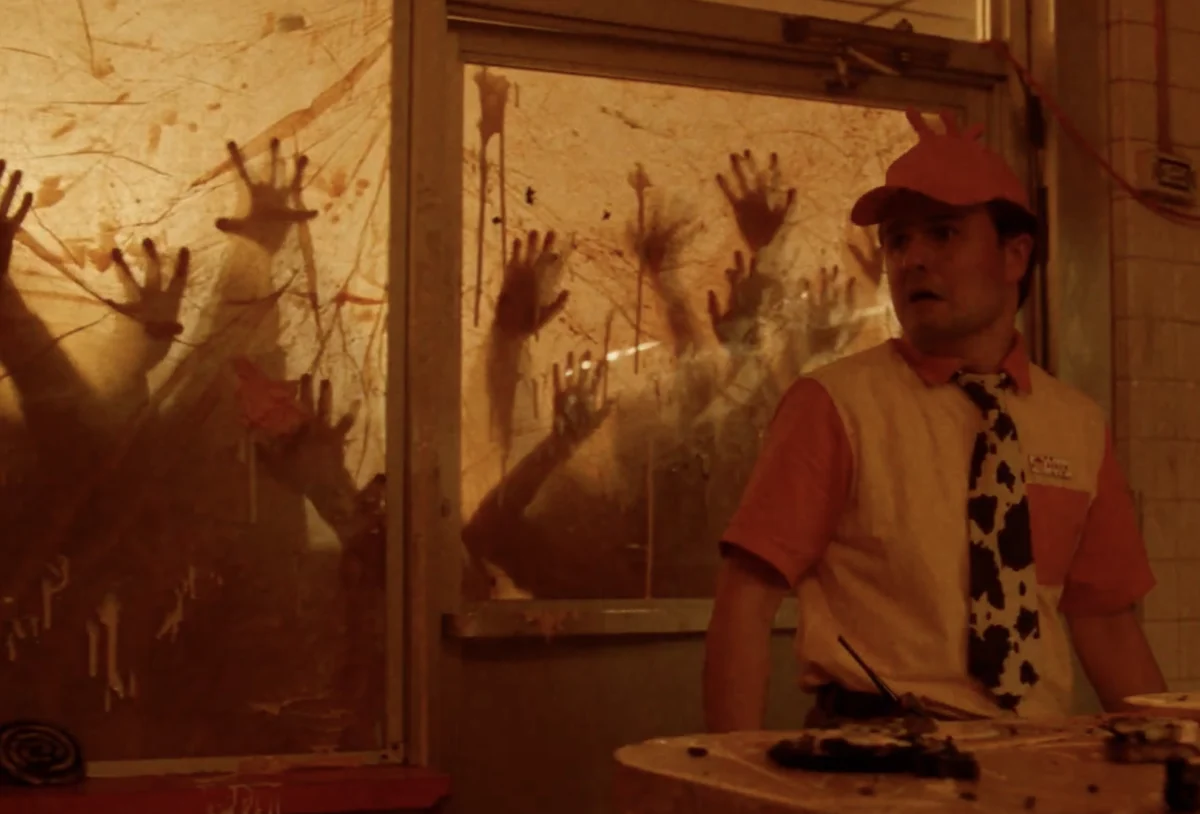
Flapjax centers on the operational collapse of a fast-food franchise, viewed through the lens of its management. The protagonist, described as an earnest, optimistic manager, is charged with the relaunch of a discontinued, long-dormant menu item known as "Flapjax." The narrative arc follows the manager’s descent into professional and physical chaos as he ignores a series of atmospheric warnings and localized disappearances. Unbeknownst to the staff, the reintroduction of the product serves as a biological vector for an encroaching extraterrestrial species, effectively turning a commercial endeavor into an instrument of planetary subjugation.
The screenplay, penned by Zevenbergen and Estevan Muñoz, blends bureaucratic satire with biological horror. By positioning a mundane workplace setting against a cosmic threat, the film mirrors the narrative structures found in classic 1980s cult cinema, where the banality of consumer culture often serves as the catalyst for gruesome transformation.
Production Context and Creative Influences
The production of Flapjax is notable for its stated stylistic inspirations. While the film draws visual cues from the splatter-film era of the late 20th century—specifically citing the influence of films such as Street Trash (1987), Society (1989), and The Stuff (1985)—the filmmakers have explicitly referenced a dichotomy in their creative process. The juxtaposition of the slow-paced, observational framing associated with Yasujirō Ozu and the visceral, transformative body horror popularized by David Cronenberg provides a framework for understanding the film’s tonal shifts.
This creative synthesis suggests that the production team sought to elevate the "fast-food horror" premise beyond simple shock value. By grounding the grotesque elements in a structured, almost clinical visual language, the film aims to elicit a specific psychological discomfort that transcends the standard "creature feature." The film features an ensemble cast, including Estevan Muñoz, Gabriel Cagan, Georgia Kate Haege, Madeline Barbush, Kaoru Koide, Takumi Mitobe, and Daniel Berkey.
Fantastic Fest: A Venue for Genre Innovation
The decision to host the world premiere at Fantastic Fest aligns with the festival’s historical mandate. Since its inception in 2005, Fantastic Fest has established itself as a premier venue for horror, fantasy, and sci-fi cinema. Located in Austin, the festival acts as a major launchpad for independent features that seek to bridge the gap between niche festival screenings and wider distribution.
The 2026 lineup, which includes high-profile titles such as Resident Evil, Beware Boiuna, and The Heretiks, indicates that the festival continues to prioritize both established franchises and experimental indie projects. For a production like Flapjax, the South Lamar Alamo Drafthouse venue provides the optimal acoustic and visual environment to showcase practical effects. The 11:30 p.m. time slot is strategically chosen to emphasize the film’s status as a "midnight movie," a tradition within the horror community that encourages audience engagement and rowdy, communal viewing experiences.
The Resurgence of Practical Effects
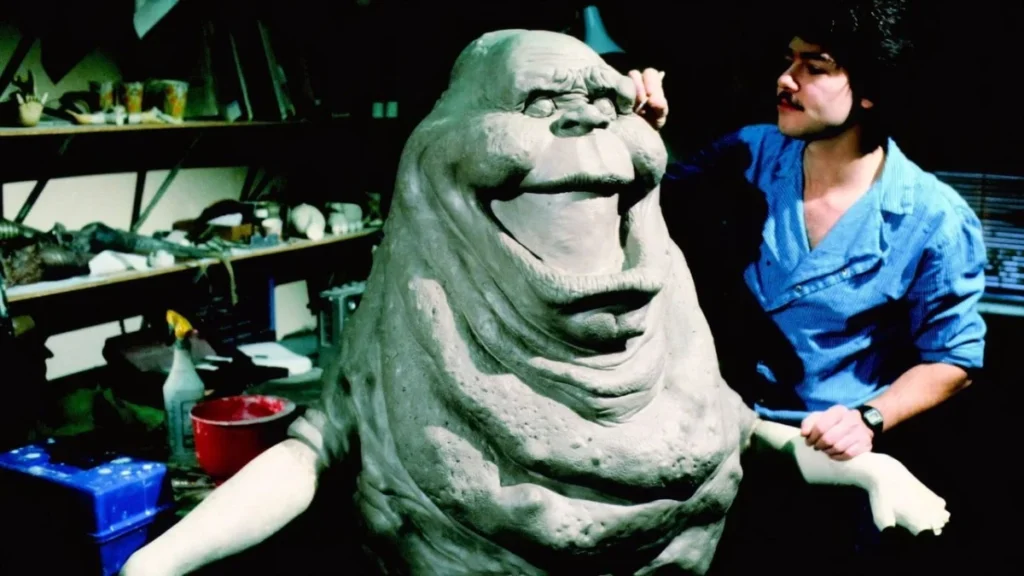
The teaser for Flapjax confirms a heavy reliance on practical, "slimy" creature effects. In an era where digital visual effects (VFX) dominate mainstream studio cinema, the indie horror sector has increasingly leaned into tactile, physical effects as a point of differentiation. This trend is not merely an aesthetic preference but a cost-effective strategy for independent filmmakers to build a distinct brand identity.

Data from the independent film market suggests that films utilizing high-quality practical effects often perform better in niche markets and maintain longer "cult" status than those relying on low-budget CGI. The "Troma-adjacent" energy described by critics suggests that Flapjax intends to leverage this aesthetic to cultivate a loyal, dedicated audience. By prioritizing bodily fluids, rubberized textures, and practical puppetry, the production team taps into a sense of nostalgia that continues to drive ticket sales within the horror festival ecosystem.
Market Implications and Distribution
The premiere at Fantastic Fest is a critical milestone in the film’s distribution lifecycle. For independent horror, the festival circuit serves as the primary mechanism for generating critical buzz and securing acquisition interest from streaming platforms or boutique distribution houses (such as A24, Neon, or Shudder).
The inclusion of Flapjax in a lineup that features globally recognized intellectual properties demonstrates the festival’s commitment to balancing high-budget spectacles with low-budget, experimental works. For investors and stakeholders, the performance of the film during its midnight screening in Austin will likely dictate its subsequent journey. If the audience response is positive, the film is positioned to move into the international festival circuit, potentially securing a broader release in early 2027.
Critical Analysis of Genre Themes
The thematic core of Flapjax—the infiltration of alien forces through processed food—is a long-standing trope in science fiction and horror. From the "pod people" of Invasion of the Body Snatchers to the consumerist critique of John Carpenter’s They Live, the subversion of the everyday has been a reliable method for expressing social anxiety.
In the case of Flapjax, the focus on the "fast-food manager" offers a critique of modern labor, specifically the pressure of the service industry. By forcing the protagonist to prioritize a product relaunch over safety and moral intuition, the film comments on the dehumanizing nature of corporate structures. When this theme is combined with the grotesque imagery of Cronenberg-esque body horror, the result is a narrative that critiques both the consumption of products and the consumption of the human body by the corporate machine.
Future Outlook
As the industry prepares for the September 17 premiere, the anticipation surrounding Flapjax serves as a case study for the health of the indie horror scene. The combination of a strong, visually striking teaser, a clear creative vision, and a prestigious platform like Fantastic Fest provides the film with the necessary momentum for success.
Following the world premiere, the film will be subjected to the scrutiny of both critics and genre enthusiasts. Whether it achieves the cult longevity of its inspirations remains to be seen, but the deliberate effort to fuse high-art cinematic sensibilities with the "bad taste" aesthetic suggests a level of ambition that is increasingly rare in the genre. For fans of practical effects and mid-budget horror, Flapjax represents a significant event in the 2026 calendar, highlighting the continued relevance of the Alamo Drafthouse and Fantastic Fest as the primary incubators for the next generation of horror icons.
The upcoming screening in Austin is not merely a commercial event; it is a test of the audience’s appetite for the grotesque. Should the film succeed, it may well define the tone for the 2026–2027 horror season, encouraging other independent creators to embrace the messy, visceral, and tactile traditions that first put the "midnight movie" on the map.