The media conglomerate is signaling a significant shift in its long-term digital strategy by bolstering the leadership team at Fox Creator Studios, the division tasked with bridging the gap between legacy television production and the burgeoning landscape of independent content creators. By bringing in industry veterans Bryan Thoensen and Kirsten McAuliffe, Fox is positioning itself to capture a larger share of the advertising budgets currently migrating from traditional linear television toward creator-led digital platforms. This strategic expansion reflects a broader industry trend where major networks are moving away from purely proprietary content models to embrace the decentralized, highly engaged audiences that digital creators have cultivated over the past decade.
Leadership Appointments and Strategic Roles
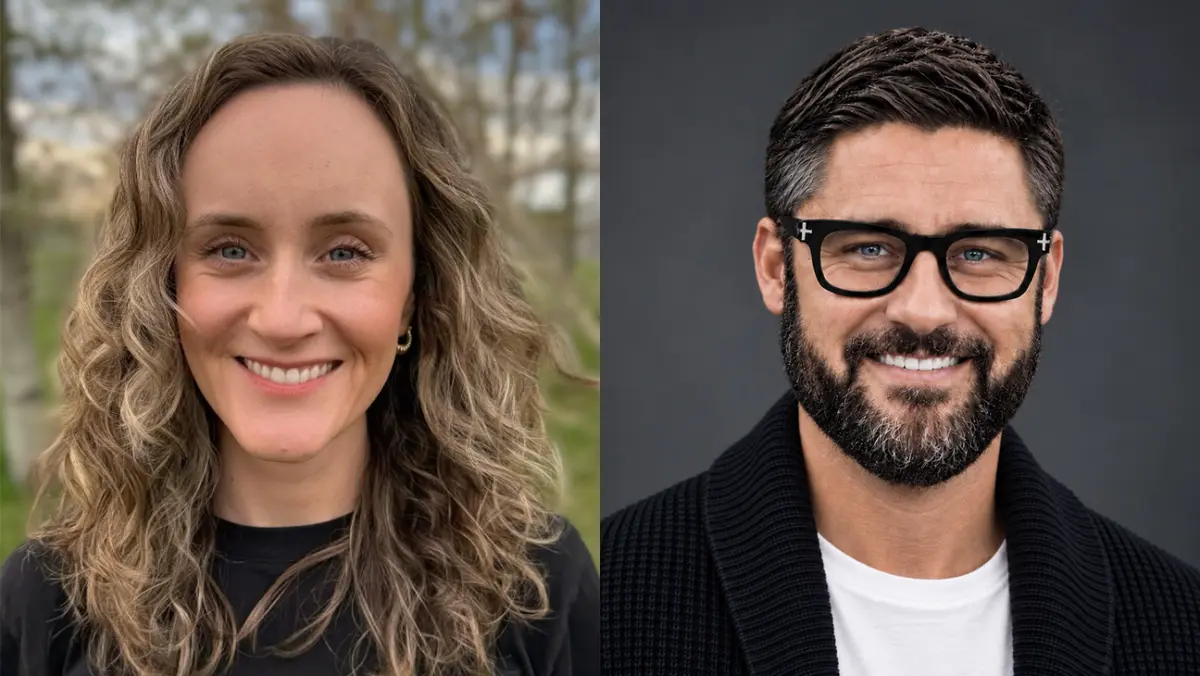
The recruitment of Thoensen and McAuliffe represents a calculated effort to marry creative content development with aggressive commercial monetization. Bryan Thoensen, arriving from a high-level role at TikTok where he oversaw content partnerships, brings a deep understanding of short-form video dynamics and algorithmic engagement. In his new capacity as Senior Vice President of Content Partnerships, Thoensen is charged with spearheading the development of creator franchises. His role involves identifying top-tier digital talent and integrating their unique voices into the Fox ecosystem, effectively turning individual creators into broader intellectual property franchises that can live across Fox’s diversified portfolio.
Kirsten McAuliffe joins the team as Senior Vice President of Strategic Partnerships and Growth, bringing extensive experience from her previous tenures at Moonbug Entertainment—the powerhouse behind global hits like Cocomelon—and Warner Bros. Discovery. McAuliffe’s mandate is distinctly commercial; she will oversee the strategic growth of the studio and act as the primary bridge between the studio’s content initiatives and Fox’s robust advertising sales apparatus. By aligning the creative output of the studio with the specific demands of brand partners, McAuliffe aims to create a repeatable model for influencer-brand collaboration that is both scalable and premium in its execution. Both executives will report directly to Billy Parks, the head of Fox Creator Studios, who has been central to the network’s efforts to modernize its approach to digital media.
Contextualizing the Shift: A Timeline of Fox’s Digital Evolution
The formation and subsequent expansion of Fox Creator Studios did not occur in a vacuum. It is the culmination of a multi-year pivot in how traditional media companies view their competition. For years, major studios viewed YouTube and TikTok creators as fringe threats to their dominance in the attention economy. However, as viewership data shifted, the perspective changed from antagonism to integration.
In 2020 and 2021, the onset of the global pandemic accelerated the consumption of digital-first content, forcing traditional networks to reckon with the sheer scale of the creator economy. During this period, Fox began experimenting with digital talent, often through cross-platform partnerships or by featuring digital influencers on their linear broadcasts. By 2022, the establishment of a dedicated "Creator Studios" arm formalized this effort. The decision to add senior-level leadership in 2024 marks the second phase of this initiative: moving from pilot programs and experimental content to the professionalization and industrialization of creator-led programming.
Supporting Data: The Economic Reality of the Creator Economy
The strategic urgency behind Fox’s move is underscored by compelling market data. According to reports from Goldman Sachs, the creator economy is estimated to be worth approximately $250 billion as of 2023, with projections suggesting it could reach nearly $480 billion by 2027. This growth is driven primarily by the shift in advertising spend. Brands are increasingly skeptical of traditional "top-down" television advertising, which often struggles to reach younger demographics, specifically Gen Z and younger Millennials.
Data from the Interactive Advertising Bureau (IAB) indicates that creator-led marketing campaigns now account for a substantial percentage of total digital ad budgets, with a clear preference for content that feels "authentic" rather than overtly commercial. Fox’s strategy is a direct response to this: by providing a studio environment that helps creators produce "premium" content, the network is essentially selling a hybrid product—the organic trust of a creator combined with the high-production values and safety of a traditional network. This mitigates the "brand safety" concerns that have historically plagued independent creator platforms, providing a secure environment for large-scale advertisers to deploy their budgets.
Official Responses and Internal Vision
The leadership at Fox has been vocal about the necessity of this transition. Billy Parks, who oversees the division, emphasized that the current environment is no longer about legacy media competing with creators, but rather about facilitating the growth of the next generation of entertainment moguls. "Creators are building the next generation of entertainment businesses, and we’re building Fox Creator Studios to help them scale," Parks stated. He highlighted that the combination of Thoensen’s creative vision and commercial instinct is essential for helping creators expand their brands while simultaneously developing high-value opportunities for advertisers who require premium environments.
From the sales perspective, Katrina Cukaj, Executive VP of Entertainment Advertising Sales, echoed these sentiments, framing the hires as a vital step in connecting brands with authentic communities. "As creator-led entertainment continues to become a larger part of advertisers’ marketing strategies, we have a tremendous opportunity to connect our advertising partners with authentic creator communities in meaningful ways," Cukaj noted. She pointed to McAuliffe’s background as a key asset in formalizing the commercialization process, effectively moving the studio toward a model where creator partnerships are treated as a core pillar of the network’s revenue stack rather than a secondary experimental stream.
Broader Implications for the Media Landscape
The implications of this move are twofold. First, for the creator community, Fox’s intervention suggests a trend toward institutionalization. While independent creators have historically valued their autonomy, the complexity of scaling a business—managing global rights, negotiating high-end brand deals, and navigating complex digital distribution—often requires the infrastructure of a legacy studio. Fox Creator Studios provides a "middle ground" where creators can access capital, production expertise, and global reach while retaining a level of creative control that was previously unavailable in traditional TV contracts.
Second, for the media industry at large, Fox is setting a template for how incumbent firms can survive the decline of linear television. By positioning itself as a "studio for creators," Fox is diversifying its revenue model away from carriage fees and traditional commercial spots toward a service-provider model. In this scenario, the studio acts as an agency, a production house, and a distribution network. If this model succeeds, it is likely that other major networks will follow suit, further blurring the lines between television and social media.
Ultimately, the success of these new executive appointments will be measured by their ability to maintain the "authenticity" of the creators they partner with while delivering the polished, scalable content that Fox’s advertising partners demand. If Thoensen and McAuliffe can successfully navigate this balance, Fox will have successfully secured a foothold in the future of entertainment, ensuring that the network remains relevant as the definition of a "star" continues to evolve. The studio is effectively betting that the future of content is not just in the shows they commission, but in the people who have already built their own audiences, and that by providing the right resources, they can turn those digital audiences into a lasting, multi-platform media powerhouse.