The television industry is entering a period of profound mourning following the announcement of the death of James “Jimmy” Burrows, the visionary director and co-creator who served as the architect for some of the most successful sitcoms in broadcast history. Burrows passed away on Friday, July 19, at the age of 85. His family confirmed the news in a statement, noting that he died peacefully while surrounded by his loved ones. As the news of his passing spread, the entertainment community, led by the core cast of the iconic series Friends, began sharing emotional tributes to a man whose influence on the medium of the multi-camera sitcom remains unparalleled.
In their official statement to the media, the Burrows family reflected on a career that spanned more than half a century. They characterized him not only as a legendary creative force but as a mentor who shaped the professional lives of generations of actors, writers, and producers. For over fifty years, Burrows was a fixture on studio lots, known for his keen eye for comedic timing and his ability to foster a sense of ensemble chemistry that turned television shows into cultural phenomena. His family’s message emphasized that his enduring legacy lies in the immeasurable joy he brought to global audiences through his work on foundational programs such as Cheers, Taxi, and Will & Grace.
The Friends Cast Pays Tribute
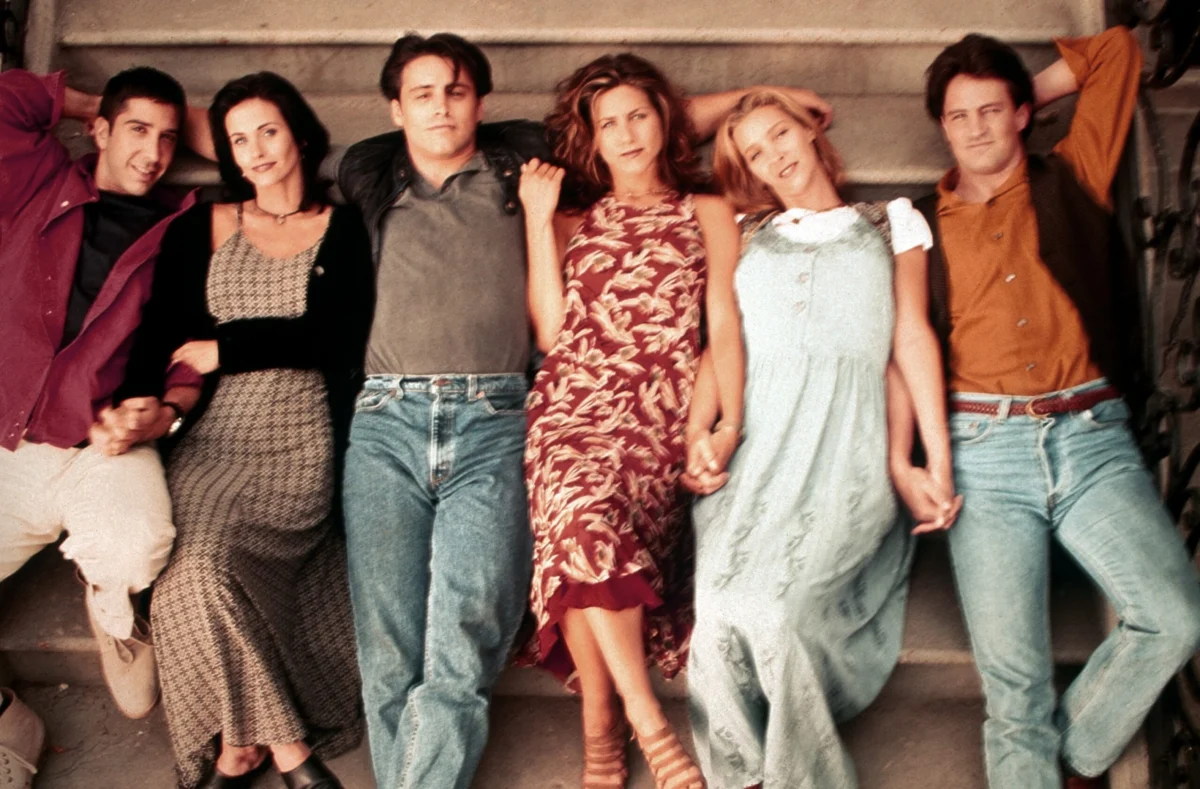
Among the first to respond to the loss were the stars of Friends, the NBC sitcom that became a global juggernaut under Burrows’ early guidance. While Burrows directed fifteen episodes of the series, his impact was most acutely felt in the show’s formative stages, where he directed the pilot and helped establish the unique rhythms of the six lead characters.
Matt LeBlanc, who portrayed Joey Tribbiani, shared a poignant message on social media alongside a photograph of himself and the late director. LeBlanc’s tribute highlighted the profound professional and personal impact Burrows had on those who worked under his tutelage. "Jimmy, words cannot describe the impact and influence you had on us and everyone who was lucky enough to have known you," LeBlanc wrote. He referred to Burrows as a "true icon" and offered well wishes for his "next act," a sentiment echoed by thousands of fans who viewed Burrows as the primary engine behind the show’s early success.
David Schwimmer, known for his role as Ross Geller, provided a more detailed reflection on Burrows’ leadership style. Schwimmer described the director as a "father figure" whose presence on set provided a vital sense of security for the young cast. According to Schwimmer, Burrows possessed a rare combination of warmth, humility, and generosity that allowed actors to feel safe while taking creative risks. "Jimmy Burrows brought out the best in every actor he ever worked with, and elevated every show he directed, making it funnier and more moving than anyone expected," Schwimmer noted. His tribute painted a picture of a man who was simultaneously a teacher and a collaborator—someone who was "loving, wise, encouraging, challenging, instructive, patient, inspiring, and playful."
Lisa Kudrow, who played Phoebe Buffay, also honored the director by sharing a candid image of the two together on her digital platforms. The collective mourning of the Friends cast underscores the pivotal role Burrows played in the 1994 launch of the series. It is a well-known piece of television lore that before the show premiered, Burrows took the six then-unknown actors to Las Vegas, telling them it would be their last shot at anonymity before their lives changed forever—a testament to his foresight and his investment in the well-being of his performers.
A Career Defined by Excellence and Innovation
To understand the magnitude of James Burrows’ passing, one must examine the breadth of his contributions to the American sitcom. Born in 1940 to legendary playwright and director Abe Burrows, James was essentially born into the world of comedy. After honing his craft in the theater and earning a degree from the Yale School of Drama, he transitioned to television in the early 1970s.
His early work at MTM Enterprises, specifically on The Mary Tyler Moore Show and The Bob Newhart Show, allowed him to refine the "Burrows Touch"—a directorial style characterized by fluid camera movement, a deep respect for the live studio audience, and an emphasis on character-driven humor rather than manufactured gags. This period of his career was instrumental in moving the sitcom away from the static, stage-bound presentations of the 1950s and 60s toward a more cinematic and dynamic experience.

In 1978, Burrows co-created Taxi, a series that balanced gritty realism with high-concept comedy. However, it was the 1982 debut of Cheers that cemented his status as a titan of the industry. As a co-creator and the primary director of the series, Burrows helped craft the "will-they-won’t-they" dynamic between Sam Malone and Diane Chambers, a trope that would be replicated in almost every major sitcom for the next four decades. Cheers ran for eleven seasons and earned Burrows multiple Emmy Awards, establishing the template for the modern ensemble comedy.
Chronology of Major Directorial Milestones
The timeline of Burrows’ career serves as a roadmap for the evolution of the "Must See TV" era of the 1980s and 90s. His resume includes the pilots and foundational episodes for an extraordinary number of hits:
- 1970s: Directed key episodes of The Mary Tyler Moore Show and Phyllis; co-created and directed Taxi.
- 1980s: Co-created Cheers and directed nearly every episode of the series; directed the pilot for Frasier, a spin-off that would become a critical darling in its own right.
- 1990s: Directed the pilot for Friends (1994) and NewsRadio (1995); directed every single episode of the original eight-season run of Will & Grace (1998–2006).
- 2000s and Beyond: Continued his streak by directing the pilots for Two and a Half Men, The Big Bang Theory, and Mike & Molly. In 2016, he celebrated his 1,000th directed episode of television, a milestone that few in the history of the medium have ever approached.
The "Burrows Touch" and Industry Impact
Burrows was often cited by industry peers as the "gold standard" for multi-camera directing. Unlike many directors who viewed the format as restrictive, Burrows treated the four-camera setup as a playground. He was famous for his "staging" abilities—knowing exactly how to move actors across a set to maximize a joke’s impact or to underscore a moment of pathos.
His influence extended beyond the technical. Burrows was a staunch advocate for the collaborative process. He encouraged writers to be present on set and allowed actors the freedom to find their characters through improvisation and rehearsal. This culture of mutual respect is why so many of his shows, from Frasier to 3rd Rock from the Sun, maintained such high levels of quality over long runs.
The loss of Burrows is also a symbolic moment for the television industry. As the medium shifts toward single-camera streaming series and shorter seasons, Burrows remained the primary defender and practitioner of the classic sitcom format. His ability to make a show feel both timeless and contemporary allowed series like Will & Grace to successfully return for a revival years after their initial conclusion—a revival that Burrows once again directed in its entirety.
Official Responses and Broader Implications
Beyond the Friends cast, tributes have poured in from across the Hollywood spectrum. Networks that hosted his shows, including NBC and CBS, released statements acknowledging his role in defining their brand identities for decades. Producers who worked alongside him noted that a "James Burrows pilot" was considered the ultimate insurance policy for a new series; his involvement almost guaranteed a pickup and a long-term future.
The Directors Guild of America (DGA), where Burrows was a highly decorated member, highlighted his commitment to the craft. Over his career, Burrows received over 30 Emmy nominations and won 11 times. He was also the recipient of the DGA Lifetime Achievement Award in Television, an honor that recognized his role in elevating the status of the television director to that of a primary creative visionary.
As the industry reflects on his passing, the implications for the future of the sitcom are clear. There is no direct successor to Burrows; his knowledge of the multi-cam format was encyclopedic and intuitive. Scholars and television historians suggest that his work will serve as the primary textbook for future directors. The "Friends" era, in particular, remains one of the most-watched periods in television history, largely because of the visual and comedic foundation Burrows laid in those early episodes.
The legacy of James Burrows is currently preserved on various streaming platforms, including HBO Max, where the entire ten-season run of Friends continues to find new generations of viewers. While the man himself has passed, the laughter he engineered—from the bar stools of Boston to the coffee house of Manhattan—will continue to resonate as long as television exists. He leaves behind his wife, Deborah, and their children, along with a body of work that defines the very essence of American popular culture.