A Historic Shift in Franchise Tone
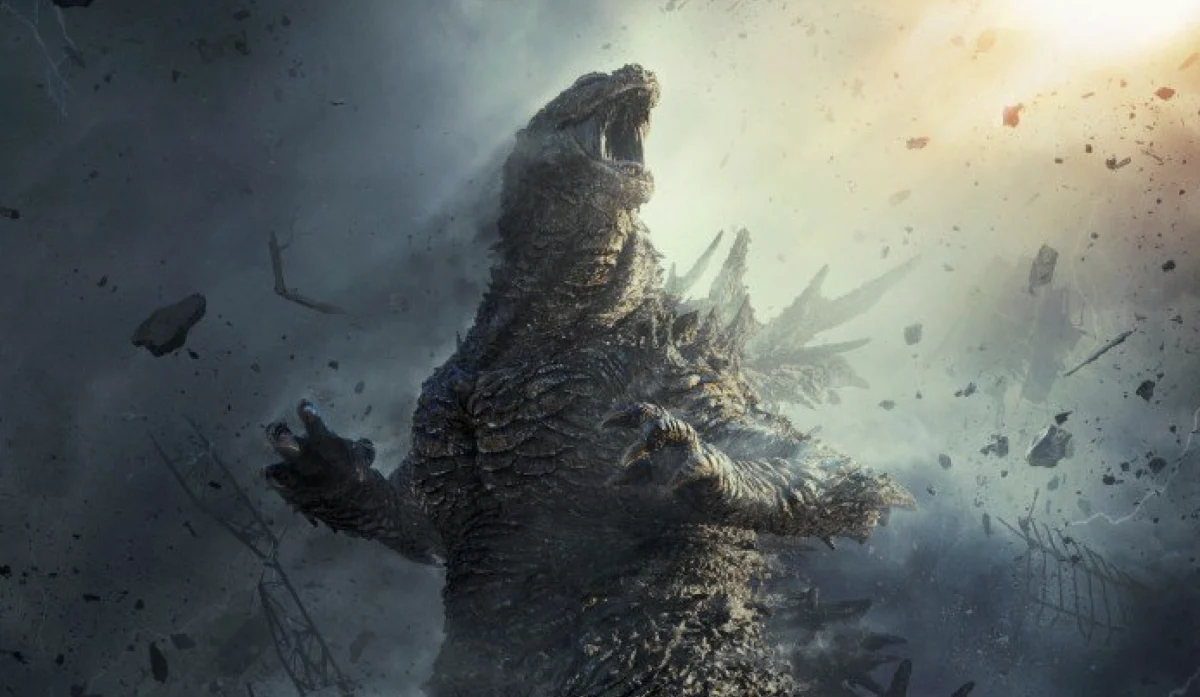
Since the inception of the Godzilla franchise in 1954 with Ishirō Honda’s original masterpiece, the series has primarily targeted broader audiences. While many films in the Showa, Heisei, and Millennium eras featured varying degrees of destruction and peril, they consistently remained within the bounds of PG or PG-13 ratings. The R-rating for Godzilla Minus Zero suggests a move toward a grittier, more visceral exploration of the existential dread that defined the post-war Japanese psyche.
Yamazaki’s commitment to his creative output was underscored in his comments to Variety. "There were certain scenes that, for me as a director, were so essential to the film," Yamazaki stated. "Censoring it or cutting it was just not an option for me." This stance highlights a growing trend among auteur filmmakers who prioritize narrative authenticity over market-driven accessibility, particularly in an era where global audiences are increasingly receptive to mature thematic explorations in high-budget genre cinema.
Narrative Context and Setting
Godzilla Minus Zero serves as a direct narrative continuation of the events depicted in the Academy Award-winning Godzilla Minus One. The film is set in 1949, two years after the conclusion of the previous installment. By returning to the immediate aftermath of World War II, Yamazaki continues to examine the intersection of personal trauma and national catastrophe. The Shikishima family, central to the emotional core of the preceding film, remains the narrative anchor as Japan struggles to rebuild amidst the looming, recurring threat of the kaiju.
The production has expanded its scope through the introduction of key new characters. Masami Nagasawa, known for her work in Shin Ultraman, joins the cast as a weather forecaster embedded within the Disaster Response Bureau. Her character is expected to provide a new perspective on the meteorological and environmental impacts of Godzilla’s presence. Additionally, the inclusion of veteran actor Jun Kunimura, whose extensive filmography includes The Wailing and Audition, as Dr. Ogata, suggests a focus on the scientific and bureaucratic hurdles involved in managing a national disaster of such unprecedented proportions.
The Evolution of the Godzilla Franchise
To understand the weight of this R-rating, one must consider the historical trajectory of the Godzilla property. The franchise has evolved through several distinct eras:
- The Showa Era (1954–1975): Characterized by a mix of dark social commentary and increasingly lighthearted monster battles. 1954’s Godzilla was a somber meditation on the nuclear age, while later entries moved toward children’s entertainment.
- The Heisei Era (1984–1995): A return to darker themes, focusing on the geopolitical implications of monster attacks and the direct consequences of industrialization.
- The Millennium Era (1999–2004): A period of experimentation where directors were given more freedom to interpret the monster’s origins and motivations.
- The Modern Era (2016–Present): Beginning with Hideaki Anno’s Shin Godzilla and continuing with Yamazaki’s work, this period has been defined by high-concept political drama and a return to the terrifying, unstoppable force that the character represented at its inception.
Godzilla Minus Zero represents the pinnacle of this modern movement, where the threat is no longer treated as a spectacle, but as a genuine horror. The decision to accept an R-rating suggests that the filmmakers are leaning into the visceral reality of physical destruction and the human toll that such events would realistically demand.
Market Implications and Distribution Strategy
The decision to proceed with an R-rating carries significant implications for the film’s distribution and box office performance. While an R-rating typically narrows the potential demographic—excluding younger viewers who have historically been a significant portion of the monster movie audience—it can also serve as a badge of artistic credibility.

GKIDS, the North American distributor, has scheduled the release for November 6, 2026, just days after the film’s Japanese debut on November 3. This rapid international rollout is designed to capitalize on the massive global momentum generated by Godzilla Minus One, which proved that Japanese-language Godzilla films could compete successfully with domestic American blockbusters. The strategy assumes that the film’s dedicated fanbase is mature enough to embrace the darker tone and that the "R" classification will serve as a point of interest for audiences seeking a more mature cinematic experience.
Analysis of the "Essential Scene" Philosophy
The controversy surrounding the rating highlights a recurring tension in modern filmmaking: the conflict between studio-driven mass marketability and director-driven artistic integrity. By refusing to excise scenes to achieve a lower rating, Yamazaki is signaling a rejection of the "four-quadrant" movie model.
From a production standpoint, this suggests that the film’s budget and risk profile were structured to succeed without needing the widest possible demographic. The critical acclaim for Godzilla Minus One has likely granted Yamazaki a level of autonomy rarely afforded to franchise directors. Analysts suggest that by maintaining the intensity of these "essential" scenes, the film is more likely to maintain the serious, somber tone that earned its predecessor global accolades, rather than diluting the impact through forced edits.
Broader Industry Impact
If Godzilla Minus Zero performs well, it could set a new precedent for foreign-language genre films in the North American market. It demonstrates that international films do not need to mimic the tonal constraints of the American studio system to succeed. Instead, by leaning into cultural specificities and uncompromising artistic choices, filmmakers can create unique, high-value content that differentiates itself in a crowded marketplace.
Furthermore, the involvement of the Disaster Response Bureau as a primary setting suggests a continuation of the procedural, bureaucratic focus that made Shin Godzilla and Godzilla Minus One so successful. This approach appeals to a demographic that appreciates the integration of historical context, political critique, and high-stakes monster action.
Anticipation and Global Reception
As the November release date approaches, the anticipation among cinephiles and kaiju enthusiasts is high. The transition of the franchise into a more mature space is being viewed as a necessary step in keeping the character relevant in an evolving media landscape. The success of the film will ultimately be measured not just by its box office returns, but by its ability to maintain the high level of critical discourse established by its predecessor.
The film’s marketing campaign, which has been careful to highlight the scale and the human stakes of the story, continues to build intrigue. With the backing of a major distributor like GKIDS and the proven vision of director Takashi Yamazaki, Godzilla Minus Zero is poised to redefine the boundaries of what a monster movie can achieve, solidifying its place in the history of cinema not just as a spectacle, but as a bold, uncompromising piece of art.