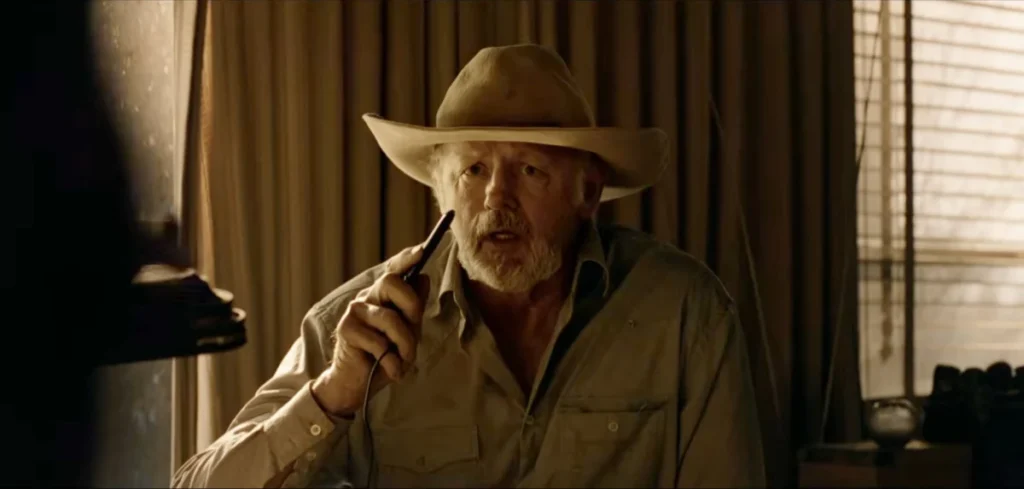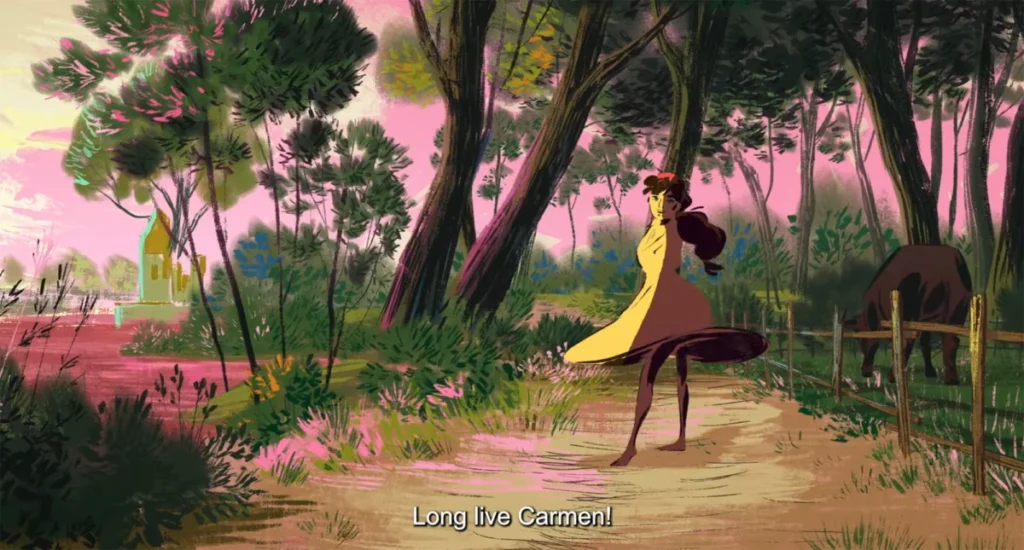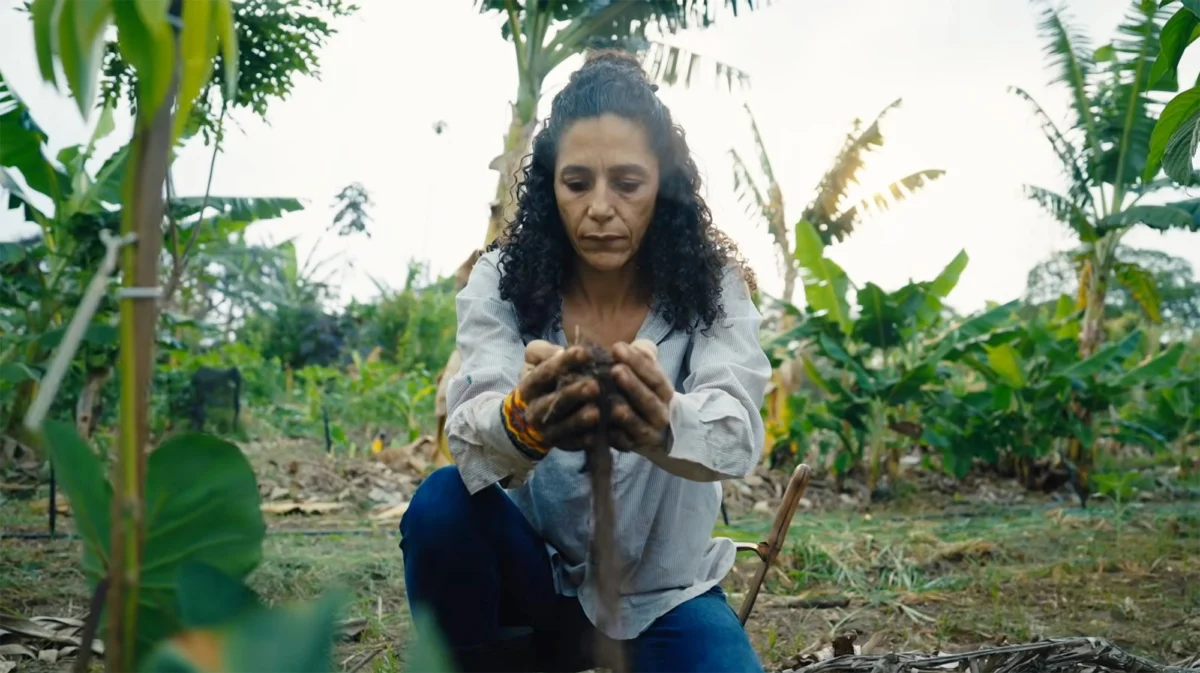
Prime Video has officially announced the release of Groundswell, a feature-length documentary that serves as the definitive conclusion to a decade-long cinematic investigation into the global regenerative agriculture movement. Following its high-profile premiere as a Special Screening at the 2026 Cannes Film Festival, the documentary is scheduled to debut on Amazon’s streaming platform on June 5, 2026. Directed by the award-winning filmmaking duo Josh and Rebecca Tickell, the film is narrated by Academy Award nominee Demi Moore and long-time environmental advocate Woody Harrelson. Groundswell represents the final chapter in a trilogy of films that includes the 2020 hit Kiss the Ground and the 2023 follow-up Common Ground, aiming to provide a comprehensive blueprint for global ecological renewal through the restoration of the Earth’s soil.
A Cinematic Trilogy Decades in the Making
The journey toward Groundswell began over ten years ago when filmmakers Josh and Rebecca Tickell pivoted their focus toward the intersection of climate science and land management. Their production company, Big Picture Ranch, has spent the last decade documenting the shift from industrial, chemical-heavy monoculture to regenerative systems. The first installment, Kiss the Ground, became a viral sensation upon its release on Netflix, credited with introducing the concept of "carbon farming" to a mainstream audience. The second film, Common Ground, focused more closely on the American agricultural system, exposing the policy-driven incentives that have led to soil degradation while highlighting the pioneers fighting to change the status quo.
Groundswell expands this narrative to a global scale. Filmed across five continents, the documentary captures the diversity of the movement, from the vast plains of the American Midwest to the ancestral lands of Indigenous communities in Australia and the high-altitude farms of the Andes. By weaving together the stories of scientists, farmers, and Indigenous leaders, the film argues that the solution to humanity’s most pressing environmental crises—including climate change, mass extinction, and food insecurity—is literally beneath our feet.

The Science and Mechanics of Regenerative Agriculture
At the core of Groundswell is the promotion of regenerative agriculture, a set of farming and grazing practices that, among other benefits, reverse climate change by rebuilding soil organic matter and restoring degraded soil biodiversity. The film details several key techniques that define this movement:
- No-Till Farming: Avoiding the mechanical disturbance of the soil to keep carbon sequestered and preserve the complex fungal networks (mycelium) that support plant health.
- Cover Cropping: Ensuring that the ground is never left bare, which prevents erosion and keeps living roots in the soil to feed microorganisms.
- Managed Grazing: Mimicking the movement of wild herds to naturally fertilize the land and stimulate plant growth without the need for chemical inputs.
- Biodiversity: Moving away from monocultures (growing only one crop) toward diverse systems that are more resilient to pests and extreme weather.
The documentary provides data-driven evidence that these practices can draw down atmospheric carbon at a rate significant enough to impact global warming. According to research cited in the film, the Earth’s soil has the capacity to store more than three times the amount of carbon currently held in the atmosphere. By transitioning even a fraction of the world’s agricultural land to regenerative practices, the film posits that humanity could sequester billions of tons of carbon dioxide annually.
Global Scope and Indigenous Leadership
Unlike its predecessors, Groundswell places a significant emphasis on the role of Indigenous knowledge in the modern climate fight. The film argues that many of the "innovative" practices currently labeled as regenerative have been utilized by Indigenous cultures for millennia. By featuring Indigenous leaders from various regions, the documentary bridges the gap between traditional ecological knowledge and modern soil science.
The global nature of the production highlights that the agricultural crisis is not confined to any one nation. In sub-Saharan Africa, the film documents how regenerative techniques are helping smallholder farmers combat desertification. In Europe, it follows scientists who are measuring the nutrient density of food grown in healthy soil compared to that grown in depleted, chemically treated soil. The findings suggest a direct link between soil health and human health, providing an additional layer of urgency to the film’s message.

The Significance of the Cannes Special Screening
The inclusion of Groundswell in the 2026 Cannes Film Festival lineup as a Special Screening is a notable achievement for an environmental documentary. Traditionally, the festival focuses on narrative features and arthouse cinema. The decision to highlight the Tickells’ work suggests a growing recognition within the global cultural elite of the importance of climate-related storytelling.
Industry analysts suggest that the "Special Screening" designation at Cannes serves as a powerful endorsement, likely increasing the film’s reach among international distributors and policymakers. For Amazon, the acquisition of Groundswell for Prime Video aligns with the company’s broader sustainability commitments and its efforts to diversify its documentary catalog with high-impact, socially relevant content.
Supporting Data and Environmental Context
The release of Groundswell comes at a critical juncture for global climate policy. According to the United Nations Food and Agriculture Organization (FAO), roughly 33% of the world’s topsoil is already degraded, and without significant changes, that figure could rise to 90% by 2050. Soil degradation leads to reduced agricultural yields, lower water retention, and increased vulnerability to floods and droughts.
Furthermore, the film addresses the "nutrient collapse" in the modern food system. Data highlighted in the documentary suggests that the mineral content in fruits and vegetables has declined significantly over the past 70 years due to the depletion of soil minerals. By restoring soil health, regenerative agriculture aims to produce "nutrient-dense" food, potentially addressing global malnutrition and chronic health issues.

Official Responses and Anticipated Impact
While official reviews from the Cannes premiere are still emerging, early reactions from environmental advocates and agricultural experts have been overwhelmingly positive. Many have praised the film for its "solutions-oriented" approach, contrasting it with the more "doom-and-gloom" narratives often found in climate documentaries.
Woody Harrelson, who has been a vocal supporter of the trilogy since its inception, stated in a recent press release: "We’ve spent years talking about the problems. Groundswell is about the solution. It’s about the fact that we can actually fix this, and we can do it in a way that supports farmers and feeds the world."
Demi Moore, joining the project for the final chapter, added: "The stories in this film are a testament to the resilience of nature and the human spirit. It’s a call to action that is both practical and deeply inspiring."
Broader Implications for Policy and Industry
The implications of Groundswell extend beyond the screen. The film arrives as governments worldwide are beginning to integrate soil health into their national climate strategies. In the United States, the Farm Bill has seen increasing debate over subsidies for regenerative practices, while the European Union’s Green Deal includes specific targets for reducing chemical fertilizer use and increasing organic farming.

The documentary is expected to serve as a tool for advocacy groups and educational institutions. The filmmakers have previously partnered with non-profits to create educational modules based on their films, and a similar rollout is expected for Groundswell. By providing a "living blueprint for global renewal," the film seeks to influence not just individual consumer choices, but systemic changes in how the world produces its food.
As Groundswell prepares for its June 5th release on Prime Video, it stands as a culmination of a decade of advocacy. It reframes the narrative of climate change from one of inevitable collapse to one of potential regeneration, positioning the global agricultural community as the frontline defenders of the planet’s future. For an audience increasingly concerned about the stability of the global environment, Groundswell offers a rare commodity: a measurable, scalable, and hopeful path forward.