The release of Guillermo del Toro’s adaptation of Frankenstein through the prestigious Criterion Collection has brought to light a significant creative debate between two of modern cinema’s most visionary directors. Titled Frankenstein: The Reborn Cut, the newly minted
extended edition introduces an alternate first-act sequence that was entirely absent from the film’s theatrical run. At the center of this deleted scene is a shocking patricide committed by a young Victor Frankenstein, an artistic choice that was ultimately shelved following direct consultation with filmmaker James Cameron.
The inclusion of this sequence in the physical home-media release offers cinephiles and industry analysts a rare glimpse into the rigorous, collaborative sparring that shapes major motion pictures before they reach global audiences. While the theatrical cut achieved substantial commercial success on streaming platforms, the newly restored footage fundamentally reframes the psychological underpinnings of Mary Shelley’s classic narrative.
The Anatomy of a Deleted Scene: Victor’s Descent
Running at two hours, thirty-eight minutes and forty-three seconds, Frankenstein: The Reborn Cut extends the original theatrical version—which debuted on Netflix to 29.1 million views within its first three days—by roughly eight and a half minutes. The vast majority of this runtime expansion occurs during the film’s first act, allowing del Toro to establish deeper familial dynamics among Victor, his brother William (played by Felix Kammerer), and William’s fiancée, Elizabeth (played by Mia Goth).
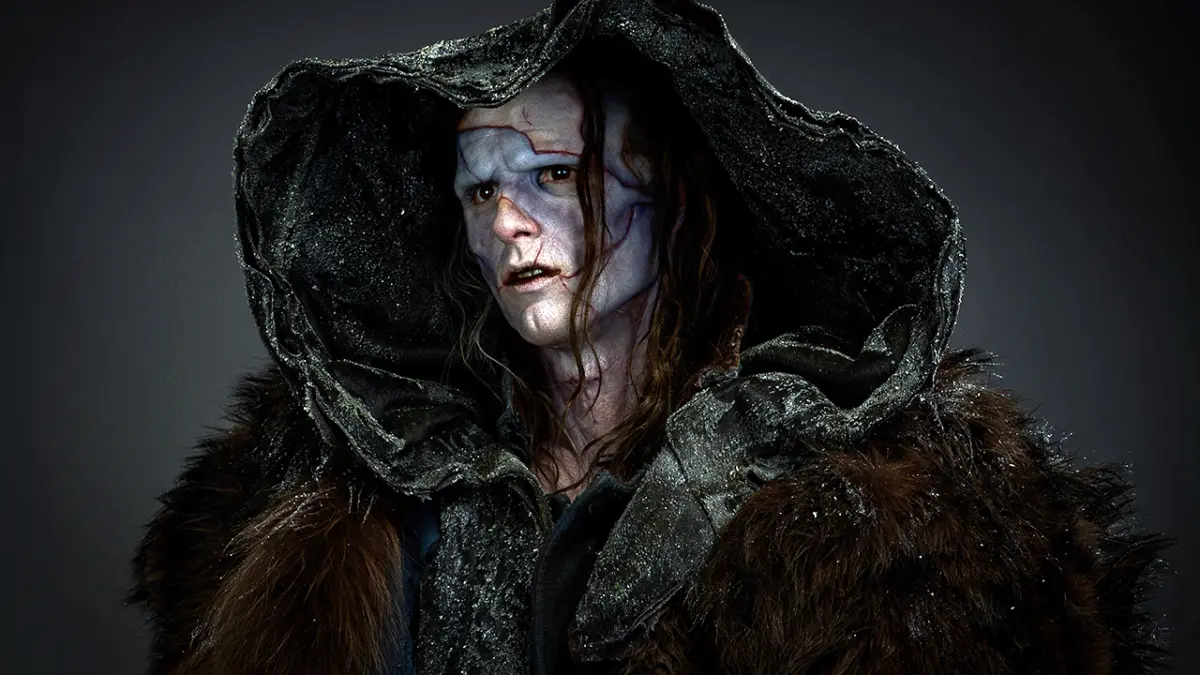
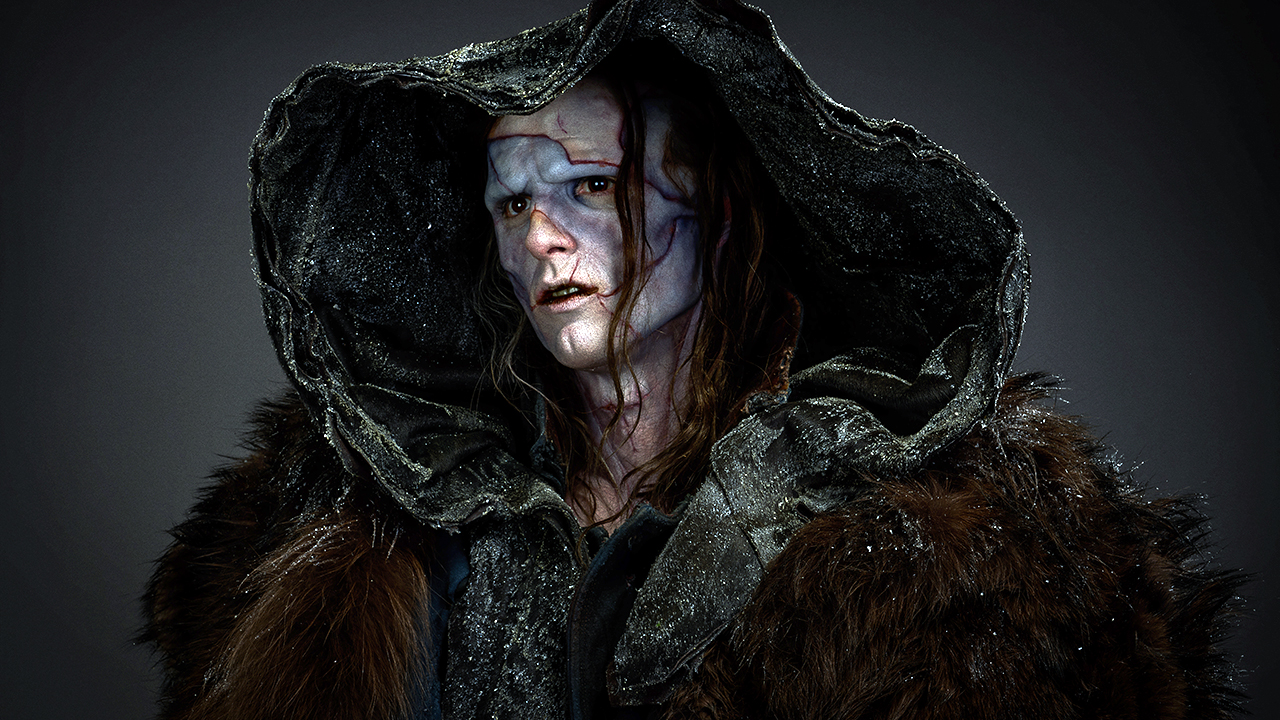
The most consequential addition to this extended sequence is a dark pivot: young Victor Frankenstein commits murder by poisoning his authoritarian father, Leopold Frankenstein, portrayed by veteran actor Charles Dance. The act is depicted with the characteristic visual artistry and macabre aesthetic associated with del Toro’s filmography. It establishes an early, lethal break in the Frankenstein household, setting a drastically different psychological baseline for Victor long before he ever attempts to conquer mortality.
Despite its thematic alignment with gothic literature and the dark motifs of the source material, the sequence did not survive the final editing room deliberations. Del Toro revealed in the audio commentary accompanying the Criterion release that the decision to excise the patricide was made in direct response to notes from Titanic and Avatar director James Cameron.
The Rationale Behind Cameron’s Intervention
According to del Toro, Cameron approached the sequence through the lens of structural pacing and audience empathy. While major studio interventions are frequently born of commercial anxieties or risk aversion, Cameron’s critique was rooted in classical narrative mechanics and character motivation.
"Jim’s comment was twofold," del Toro explained in the audio commentary. "The audience is going to have a hard time identifying with Victor. If Victor kills his father, he completes his task. He avenges his mother. Why would he then embark on the quest for immortality if he already avenged his mother?"
Cameron’s argument highlighted a critical narrative trap: by resolving Victor’s primary domestic vengeance through patricide early in the narrative, the character’s subsequent obsession with reanimating dead tissue loses its primary psychological impetus. If Victor has already achieved vengeance against the patriarchal forces that shaped his trauma, his reckless pursuit of godlike creation becomes narratively redundant.
Del Toro acknowledged the validity of Cameron’s structural critique while retaining a personal fondness for the deleted footage. "I thought the comment made sense, but nevertheless, it’s one of my favorite passages I’ve ever filmed," del Toro noted. Ultimately, the director prioritized the pacing of the theatrical release, leaving the scene out of the version distributed to millions of streaming subscribers worldwide.
The Thematic Implications of The Reborn Cut
With the physical release of Frankenstein: The Reborn Cut via the Criterion Collection—available on 4K Ultra HD, Blu-ray, and DVD—critics and scholars are re-evaluating the narrative weight of Victor’s early crime. The restored patricide introduces a circularity to the tragedy that is absent from the theatrical cut.
In this extended version, the dynamic between father and son mirrors the later relationship between Victor and his monstrous creation. The Creature ultimately seeks to destroy his creator—his surrogate father—yet breaks the cycle of violence by sparing Victor in the narrative’s climax. By contrast, a young Victor gives in to fatal violence against his biological progenitor, emphasizing a hereditary predisposition toward destruction.
Furthermore, the inclusion of the patricide scene intensifies the psychological subtext of the film, particularly the exploration of an Oedipal complex. Goth’s dual portrayal of both Elizabeth and Victor’s mother gains sharper thematic resonance when viewed alongside Victor’s aggressive elimination of his father figure. The murder transforms from a simple shock-value device into a dense layer of character study, blending traditional horror with deep psychoanalytic motifs.
Distribution and Commercial Context
The rollout of Frankenstein: The Reborn Cut marks the seventh collaboration between Guillermo del Toro and the Criterion Collection, following previous physical releases such as Guillermo del Toro’s Pinocchio. The release strategy maintains a clear division between streaming and physical media formats. While the theatrical cut remains accessible to subscribers on Netflix, the extended director’s cut is currently exclusive to Criterion’s physical distribution network.
This release model highlights an ongoing trend in contemporary media distribution, where streaming platforms serve as the initial launchpads for broad global viewership—evidenced by the film’s status as one of Netflix’s major movie debuts of late 2025—while boutique physical media labels cater to collectors and cinephiles seeking definitive, director-approved alternate cuts.
As discussions continue across film forums and critical essays regarding the merits of Cameron’s script advice versus del Toro’s auteurist impulses, Frankenstein: The Reborn Cut provides a rare educational artifact. It demonstrates how high-level peer consultation between master filmmakers can fundamentally alter a major cinematic work, proving that sometimes the best scenes are the ones left on the cutting room floor—until the archives are finally opened.