The upcoming special Sunday night episode of the CBS legal drama Cupertino, titled "Harper," promises to push the series into new territory by dramatizing the ethical implications of algorithmic decision-making in the healthcare industry. While the show typically maintains its Thursday night broadcast slot, this Sunday, November 8, installment shifts the narrative focus toward a high-stakes medical-legal crisis that underscores the vulnerabilities inherent in automated organ transplant waitlists.
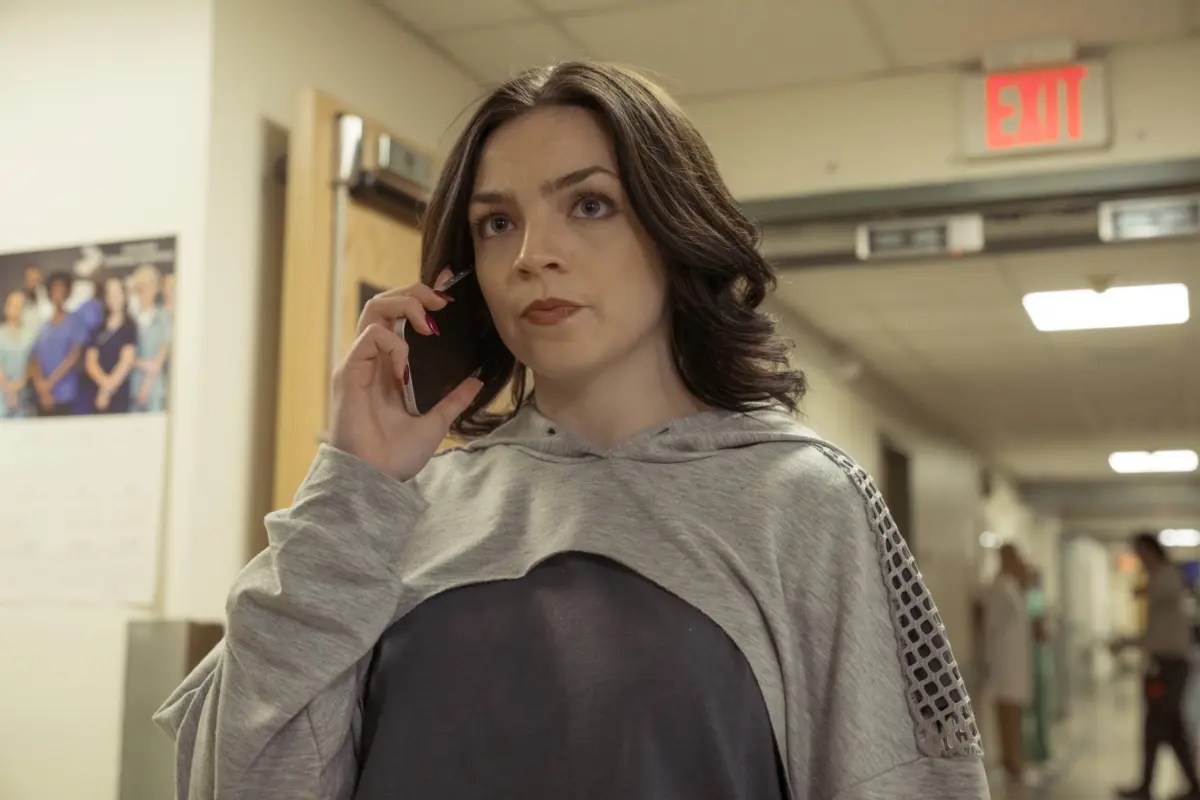
In this episode, the series protagonist, Michael Price, portrayed by Mike Colter, finds himself navigating a crisis that transcends traditional courtroom drama. The plot centers on an egregious case of systemic failure where a client of the firm—who is also the roommate of associate Christy Palladino, played by Ella Stiller—is abruptly displaced on a life-saving liver transplant list. The displacement occurs due to a high-profile intervention by an AI-driven algorithm, which inexplicably reorders the transplant sequence to favor a wealthy executive, Albert Ensler, the head of Wayside Venture Capital.
The Chronology of the Crisis
The narrative tension begins to mount when Christy Palladino, acting as the primary point of contact at the hospital, discovers that her roommate’s scheduled surgery has been halted. According to the internal timeline of the episode, the client had already received medical clearance and was being prepped for the procedure when a sheriff intervened, acting on orders generated by the hospital’s updated triage protocol.
The sequence of events is as follows:
- Initial Legal Victory: Michael Price successfully secures a court order compelling the client’s insurance provider to cover the entirety of the complex liver transplant procedure, removing the financial barriers that had previously stalled the patient’s care.
- The Algorithmic Pivot: Shortly after the insurance hurdle is cleared, the hospital’s automated system—designed to optimize transplant efficiency—is updated. The algorithm identifies the donor organ as a match for multiple candidates.
- The Displacement: The algorithm re-ranks the candidates, moving Albert Ensler to the top of the list, citing "VIP status" and internal hospital metrics that prioritize high-net-worth contributors to the institution’s infrastructure.
- The Confrontation: Christy Palladino attempts to challenge the decision at the administrative level, confronting hospital staff and security, only to be sidelined by the hospital’s rigid adherence to the algorithm’s output.
- Remote Legal Intervention: As Michael Price and Olivia, played by Rachel Keller, find themselves physically obstructed by a major traffic jam, they are forced to initiate an emergency legal injunction from their vehicles, attempting to convince a judge to override the AI’s decision before the surgery on the wrong patient can begin.
Contextualizing the Ethical Debate
The premise of the "Harper" episode mirrors growing real-world concerns regarding the implementation of Artificial Intelligence in bioethics. In recent years, healthcare systems worldwide have begun adopting machine learning models to assist in triage, resource allocation, and organ procurement. While proponents argue that these systems reduce human bias and administrative error, critics—including legal scholars and medical ethicists—have long warned of the "black box" problem.
When an algorithm is trained on data sets that include financial influence or institutional prestige as variables, the resulting decisions can inadvertently codify socio-economic bias. In the case presented in Cupertino, the "VIP wing" mention highlights the tension between private hospital funding and the mandate for equitable healthcare access. By choosing to frame this conflict through a legal lens, the show explores whether a judge has the authority to issue an emergency stay against a medical protocol dictated by an automated, proprietary system.
Supporting Data and Legal Precedents
In the American medical landscape, the United Network for Organ Sharing (UNOS) oversees the distribution of organs, utilizing a complex system based on medical urgency, geographic proximity, and tissue matching. However, the introduction of private-sector algorithms into hospital-specific triage systems creates a secondary layer of complexity.
Data from the American Journal of Bioethics suggests that while AI can identify donor-recipient matches 15% faster than manual review, the transparency of these algorithms remains a point of contention. Legal experts note that "algorithmic due process" is an emerging field of law. If a patient is denied a life-saving procedure due to a machine-generated rank, current legal frameworks struggle to determine who is liable: the hospital administration, the software developers, or the medical board. The "Harper" episode effectively asks the audience to consider if the law can catch up to technology before the consequences become irreversible.
Production and Narrative Scope
The episode is notable for its unconventional filming and narrative structure. By trapping the legal team in their cars due to a city-wide traffic jam, the writers have created a "bottle episode" environment that forces the characters to rely on digital communication and remote legal maneuvering. This serves as a metaphor for the modern legal profession, where high-stakes litigation is increasingly conducted through secure portals and emergency teleconferencing.
Guest star Erich Bergen, playing the role of Carl Kenner, is expected to represent the administrative or corporate interests that enforce the status quo, providing a formidable antagonist for Price and his team. The involvement of Rachel Keller’s character, Olivia, is also pivotal, as her expertise in navigating the complexities of judicial injunctions will be tested against the clock.
Broader Implications and Audience Reception
The decision to air this episode on a Sunday—a shift from the show’s usual Thursday evening slot—suggests that the network views this specific narrative as a cornerstone of the season’s thematic arc. By highlighting the moral hazards of AI, Cupertino is positioning itself not just as a procedural drama, but as a cultural barometer for the fears and uncertainties surrounding the rapid integration of advanced technology into essential public services.
Industry analysts suggest that the impact of this episode will be felt throughout the remainder of the season. If the team fails to secure the transplant for their client, it could lead to a broader, season-long legal battle against the hospital and the venture capital firm behind the algorithm. This would elevate the show from episodic legal cases to a serialized exploration of corporate accountability and technological ethics.
As viewers tune in on November 8, the focus will be on whether the legal system, represented by Michael Price, can overcome the cold, calculating logic of the machine. The outcome of the episode will likely serve as a litmus test for the show’s willingness to address the harsh realities of modern medical gatekeeping. Whether or not the surgery is successfully redirected, the episode serves as a sobering reminder of the power dynamics at play in the modern healthcare system, where the line between efficiency and exploitation remains dangerously thin.