The landscape of English anime localization has undergone a significant transformation over the past decade, shifting from a niche industry focused on rudimentary translation to a sophisticated sector defined by high-level performance art and cultural adaptation. This evolution, recently underscored by a dialogue between industry analysts Lucas and Jairus Taylor, highlights how modern English dubs are increasingly serving as critical vehicles for the success of international streaming platforms. By examining the current season’s releases—including Overgeared, Witch Hat Atelier, and the recent Pluto adaptation—it becomes clear that the strategic implementation of voice direction and localization talent has become a core differentiator for global anime distribution.

The Shift in Localization Strategy
Historically, the dubbing industry was characterized by rigid adherence to original Japanese scripts, often resulting in stilted dialogue that failed to resonate with English-speaking audiences. However, the current trend emphasizes "transcreation"—a process where scripts are adapted to capture the intent, humor, and cultural nuance of the source material rather than providing a literal translation.

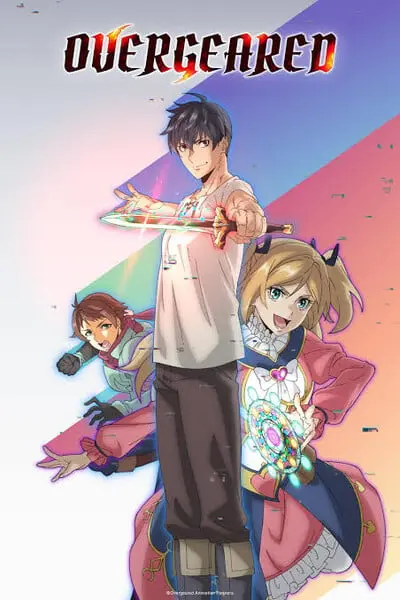
Data from major streaming services, including Crunchyroll and Netflix, indicates that dubs are no longer merely secondary offerings; they are primary drivers of audience retention. For instance, the English dub of Overgeared has been cited as a primary factor in its unexpected popularity. The performance of voice actor Ricco Fajardo is frequently highlighted as a case study in how a dynamic, comedic delivery can elevate a genre-standard series into a viral success. This approach acknowledges that in an oversaturated market of VRMMO and isekai narratives, the performance layer provides the necessary "hook" to distinguish a title from its competitors.

Chronology of Industry Advancement
The trajectory of dubbing quality has followed the broader expansion of the anime market. In the early 2000s, companies like ADV Films and Bandai Entertainment established the foundations of the industry, often operating under strict budgetary constraints. The 2010s marked a transition toward larger, professionalized studio environments, exemplified by the growth of Funimation (now integrated into Crunchyroll).

By 2020, the entry of major platforms like Netflix and Amazon into the anime acquisition space introduced a new tier of production value. The 2023 release of Pluto, for example, demonstrated a shift toward high-profile casting, utilizing industry veterans like Keith David. This period also saw the normalization of simultaneous dub releases (simuldubs), which have significantly reduced the time gap between Japanese broadcasts and English availability. This compression of the release schedule has necessitated a faster, yet higher-quality, turnaround in scriptwriting and voice recording, pushing studios to refine their workflows.

Comparative Analysis of Dubbing Approaches
The diversity in current localization practices is most evident when comparing varying genres. In high-fantasy titles such as Witch Hat Atelier, directors like Emily Fajardo have utilized specific accent work to mirror the diversity of the setting. This represents a proactive approach to world-building that goes beyond the text. By assigning varied dialects to different regions or characters, the localization team provides a sensory shorthand for the audience, reinforcing the narrative’s themes of isolation and inclusion.

Conversely, the challenges of recasting iconic roles remain a point of industry friction. The recent Panty and Stocking with Garterbelt revival serves as a pertinent example. When original cast members do not return—often due to scheduling conflicts, contractual disputes, or creative changes—studios face significant public scrutiny. However, recent trends show that when new casts are provided with strong directorial guidance, the transition can be successful. The work of Suzie Yeung in the latest Ghost in the Shell iteration illustrates that modern actors are increasingly capable of honoring the legacy of a role while injecting fresh, nuanced interpretations that align with updated visual aesthetics.

Economic and Cultural Implications
The rise of specialized studios, such as OceanVeil, signals an expanding market for genre-specific content, including adult-oriented and niche titles. This trend reflects the changing demographics of the anime audience, which now spans a wider range of ages and interests. As streaming platforms look to capitalize on the increasing popularity of VTubers, ASMR, and indie audio content, the demand for high-quality English voice acting has reached a historical peak.

From an economic perspective, the investment in high-caliber voice talent provides a measurable return. Titles that receive critical acclaim for their English dubs often see higher completion rates among Western viewers. Furthermore, the ability to "localize" humor—such as the Archer-esque delivery applied to Overgeared—creates a stronger cultural resonance that aids in the international branding of these series.

Official Responses and Future Outlook
While production companies rarely comment on individual localization choices, the success of these projects is reflected in the continued investment in voice acting talent. The industry is currently moving toward a standard where the voice actor is viewed as a creative collaborator. Industry analysts note that the "bad faith" criticisms that once plagued the dubbing community are being increasingly sidelined by a growing appreciation for the complexities of localization.

The future of anime dubbing appears to be focused on sustainability and artistic integrity. As the volume of content continues to rise, the challenge for studios will be maintaining this high standard of localization across a broader catalog. The integration of veteran talent with emerging actors, coupled with a willingness to experiment with tone and dialect, suggests that the "golden age" of English anime localization is not behind us, but is actively unfolding. By prioritizing creative direction and character-driven performances, the industry is effectively ensuring that anime remains a vital and evolving medium for global audiences.