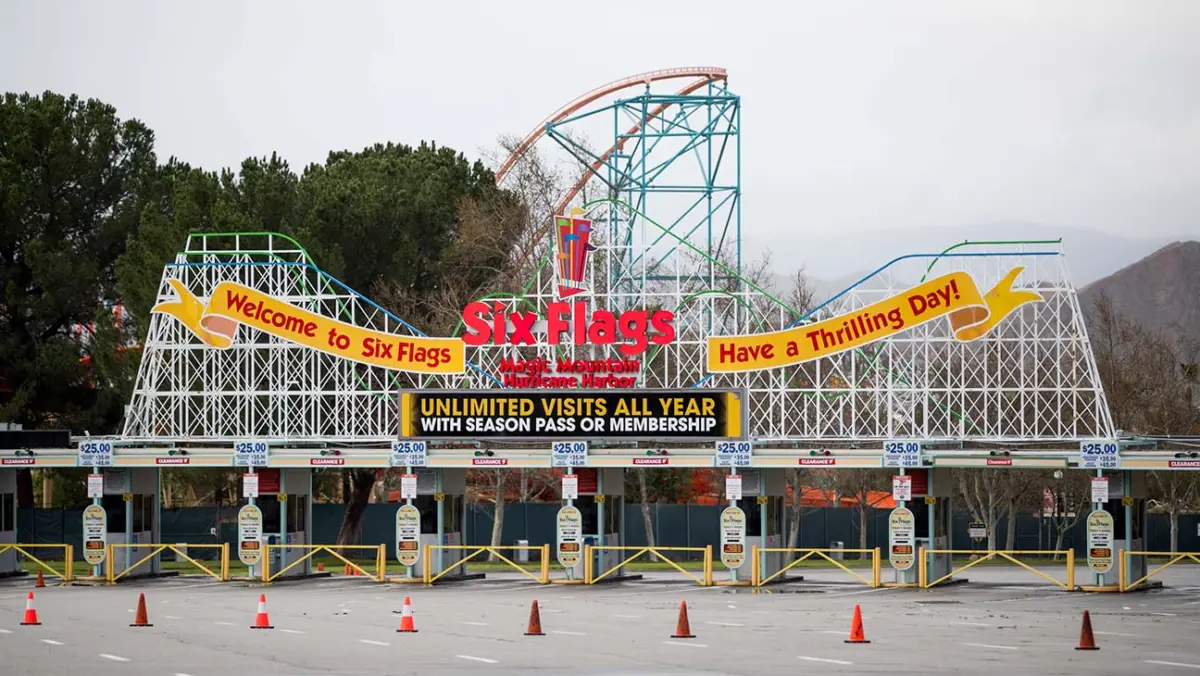
Six Flags Entertainment Corporation is currently navigating a period of significant volatility as the company grapples with a convergence of legal challenges, tragic safety incidents, and a measurable dip in park attendance. During an investor call held Thursday, leadership sought to reassure shareholders that the brand’s long-term financial prospects remain intact, despite a 9 percent decline in attendance during October. The company’s messaging focused on a pivot toward rigorous safety protocols and operational refinement as it attempts to move past a series of high-profile controversies that have dominated headlines in recent months.
The urgency of the situation stems from a combination of isolated tragedies and systemic safety concerns. Most notably, the company is dealing with the aftermath of an October incident at Six Flags Over Georgia, where a guest was ejected from the Goliath roller coaster and subsequently died. This fatality triggered a wave of temporary ride closures across the company’s portfolio as a precautionary measure. Concurrently, the company has faced intense scrutiny regarding its X2 ride at Six Flags Magic Mountain. Following reports that multiple riders suffered brain hemorrhages, the attraction was permanently shuttered, yet legal repercussions continue to mount as more claimants emerge alleging similar neurological injuries.
A Chronology of Recent Operational Challenges
The current crisis did not emerge in a vacuum, but rather as a culmination of events throughout the 2024 operating season. The trajectory of these issues began early in the year with mounting reports of riders experiencing significant physical trauma on the X2 attraction in California. By the time the incident involving the Goliath coaster occurred in Georgia in October, the company was already facing a delicate public relations landscape.
The October fatality served as a catalyst for a broader, industry-wide reevaluation of safety standards for high-intensity amusement rides. The immediate aftermath saw Six Flags management adopt a defensive, albeit transparent, posture. By referring to the Georgia tragedy strictly as “the incident” during public disclosures, executives have attempted to maintain legal neutrality while acknowledging the gravity of the event. However, the optics of the situation—compounded by the ongoing litigation surrounding the X2 ride—have contributed to a palpable sense of instability among investors and the general public.
Quantitative Analysis of Financial and Attendance Trends
The 9 percent attendance decline reported for October is a critical metric for stakeholders. While management attributes a portion of this downturn to inclement weather patterns, the admission that the Georgia incident and the subsequent fleet-wide ride closures played a significant role signals that the brand’s reputation is directly impacting the bottom line.
Historically, amusement park operators are resilient to isolated incidents; however, the current situation is unique due to the simultaneous nature of the X2 litigation and the death in Georgia. Financial analysts have pointed out that while the immediate revenue hit is quantifiable, the "reputational tax" is more difficult to model. In previous industry instances, attendance rebounds typically occur within one to two fiscal quarters, provided that the company demonstrates proactive safety improvements. Six Flags executives are banking on this historical precedent, arguing that the negative sentiment will be transient rather than structural.
Corporate Response and Safety Remediation
President and CEO John Reilly emphasized that trust must be earned through tangible actions rather than corporate platitudes. The company has outlined a three-pronged approach to restoring its safety image:
- Infrastructure Upgrades: Six Flags has committed to retrofitting select roller coasters with additional seat belts. This move specifically targets rides utilizing descending lap bars similar to those found on the Georgia Goliath, effectively adding a secondary layer of restraint to prevent passenger ejection.
- Third-Party Oversight: The company is currently undergoing a comprehensive audit of its entire ride portfolio. This safety review is being conducted in collaboration with independent third-party engineering firms and safety inspectors to ensure that every attraction meets or exceeds updated safety certifications.
- Operational Refinement: Beyond mechanical fixes, the company is investing in the guest experience. This includes the transfer of the AireForce One coaster from the defunct Fun Spot America to Magic Mountain, alongside a major refurbishment of the latter facility. Similar aesthetic and comfort-focused upgrades—such as improved shade, seating, and family-friendly amenities—are currently underway at Six Flags Great Adventure and Six Flags Great America.
Strategic Portfolio Optimization
In addition to safety-focused maneuvers, the company is signaling a shift in its long-term corporate strategy. For years, the theme park industry has seen a trend toward consolidation and portfolio pruning. Six Flags executives confirmed during the call that they are actively exploring the divestiture of specific assets. This “portfolio optimization” strategy suggests that the company may look to sell off underperforming or non-core parks to focus resources on its primary revenue drivers.
This potential for liquidation or sale reflects a broader trend in the leisure and hospitality sector, where companies are increasingly under pressure to demonstrate high capital efficiency. By shedding smaller, less profitable locations, Six Flags could potentially streamline its safety management processes and centralize its engineering expertise, thereby reducing the risk profile across the remaining parks.
Implications for the Amusement Industry
The scrutiny facing Six Flags highlights the inherent risks of high-thrill attractions in an era of heightened safety awareness and instant information dissemination. The legal claims surrounding the X2 ride, in particular, raise complex questions about the long-term health effects of high-velocity g-force experiences on riders. The outcome of these ongoing lawsuits will likely set a legal precedent for how other major amusement operators, such as Cedar Fair or SeaWorld, manage liability and safety warnings moving forward.
From a regulatory standpoint, the involvement of local authorities and independent engineering firms indicates that state-level oversight of amusement rides is becoming more stringent. The industry is moving away from a model of internal self-regulation toward one of verified, external validation. This transition, while costly in the short term, is likely a necessary evolution to ensure the longevity of the industry.
Broader Market Outlook
Despite the current headwinds, the leadership at Six Flags remains cautiously optimistic. By framing the current challenges as a “matter of months” rather than years, Reilly is attempting to prevent the current volatility from being priced into the stock as a permanent reduction in value. The company’s focus on family-friendly amenities and park-wide upgrades suggests a long-term goal of diversifying its appeal, shifting away from a reliance on high-risk, high-intensity thrill rides that have historically been the brand’s signature.
The success of this strategy will depend heavily on the results of the ongoing internal and third-party safety audits. If the company can demonstrate that its parks are fundamentally safer than they were prior to the October incidents, the financial impact will likely be contained. However, should further investigations reveal systemic failures in maintenance or design, the company may face a more protracted recovery period. For now, the investment community remains in a “wait-and-see” mode, observing whether the promised capital expenditures will translate into improved guest safety and a recovery in visitor numbers as the company moves into the next fiscal year.
As the park industry approaches the 2025 season, the narrative surrounding Six Flags will likely focus on the efficacy of these new safety protocols. The company’s ability to successfully navigate the intersection of public trust, legal liability, and operational excellence will be the definitive test of its current leadership team. For the millions of guests who visit these parks annually, the focus remains simple: the expectation of a safe, reliable, and enjoyable experience—an expectation that Six Flags is now under immense pressure to meet consistently across its entire portfolio.