The Evolution of a Nightmare: From Concept to Set
The creative process behind the Resident Evil creature design was defined by a commitment to organic, iterative collaboration rather than rigid adherence to initial storyboards. Visual effects supervisor Alessandro Ongaro, in conjunction with director Zach Cregger, has emphasized that the film’s production design was characterized by "on-the-fly" adjustments, allowing for spontaneous creative contributions from the cast.
One of the most notable examples of this collaborative spontaneity involves the visual identity of the Puker. During the initial stages of production, the creature was conceptualized in standard attire, specifically a flannel shirt and denim jeans. However, after the first day of filming sequences featuring the character, Austin Abrams proposed a significant aesthetic shift. He suggested replacing the casual clothing with a hospital gown.
This change, while seemingly minor in the scope of a large-budget action production, provided the creature with a distinct narrative backstory. As Cregger explained during the bonus feature commentary, the gown suggests an underlying medical history or a tragic transformation rooted in the lore of the facility, providing a visual shorthand for the character’s descent into monstrosity. The production team moved quickly to accommodate this suggestion, utilizing digital alteration techniques for previously filmed segments and integrating props—such as an IV bag—to solidify the new visual identity.

Practical Effects and the Engineering of Destruction
While digital enhancement played a role in the film’s aesthetic, the production was lauded for its reliance on practical effects, particularly in the sequence involving an elevator shaft. The scene, which depicts the Puker’s corrosive acid eating through an elevator car while Bryan is trapped inside, was a complex feat of physical engineering.
Production designer Tom Hammock oversaw the construction of a four-story set specifically designed to accommodate the intricate demands of the sequence. To simulate the appearance of steel dissolving in real-time, the crew employed the use of acetone on specially treated panels. This choice allowed for a genuine, tactile reaction on camera, avoiding the "floaty" quality that sometimes plagues purely CGI-based destruction sequences.
The choreography of this scene required a high degree of precision, involving cinematographer Dariusz Wolski and stunt coordinator Jan Petrina. The sequence culminates in a harrowing moment where the elevator floor gives way, leaving the character of Bryan hanging by a single arm. The collaboration between the stunt department and the art department was essential, as the set had to be durable enough to support the actor during high-intensity physical maneuvers while fragile enough to "melt" according to the director’s vision.
The Role of Stunt Work in Modern Horror
The physical demands placed on Austin Abrams were substantial, as Cregger opted for a performance-heavy approach to the film’s action sequences. According to stunt coordinator Jan Petrina, it is increasingly rare in modern, high-budget studio films for a lead actor to perform the majority of their own stunts.

Abrams’ involvement in the stunt process was not merely a matter of physical capability but an integral part of the film’s verisimilitude. By keeping the camera on the actor during high-stakes physical encounters, the production maintained a sense of immediate danger that resonates with the audience. This dedication to practical performance is a hallmark of the current Resident Evil cycle, which has consistently prioritized physical immersion over synthetic spectacle.
Chronology of Production and Release
The development and release of this project follow a strategic timeline that has proven effective for genre films in the mid-2020s. Following the film’s theatrical premiere in mid-2026, the project underwent a highly successful global roll-out, quickly cementing its status as a financial juggernaut.
- Early 2026: Principal photography commences, characterized by a mix of physical set builds and creature design iteration.
- Mid-2026: The film hits theaters, receiving critical acclaim for its balance of horror, action, and production design.
- November 2026: Exclusive behind-the-scenes content is released, detailing the "Anatomy of a Scene" for digital platforms.
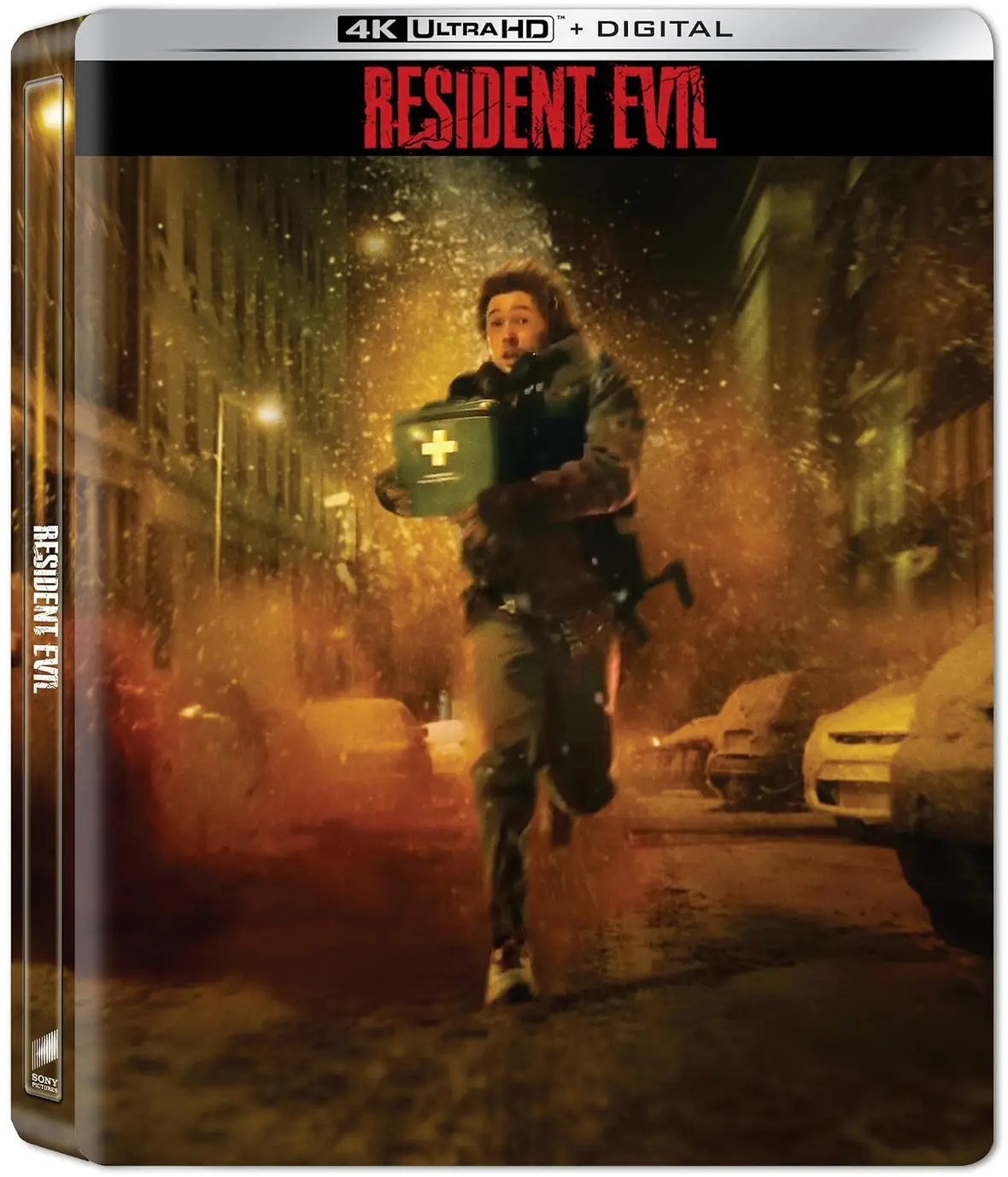
- December 29, 2026: Scheduled release for 4K UHD, Blu-ray, and DVD, including the limited-edition SteelBook, marking the completion of the film’s transition from theatrical to home media dominance.
Broader Implications for the Resident Evil Franchise
The success of Cregger’s Resident Evil is not an isolated event; it represents a broader trend in the industry where established horror IPs are being revitalized through the lens of auteur-driven, high-concept filmmaking. With a global box office haul exceeding $400 million, the studio is effectively leveraging the film’s popularity to expand the brand’s footprint.
Director Zach Cregger has publicly expressed an interest in maintaining a creative role in the franchise’s future, even if he does not occupy the director’s chair for every subsequent installment. This indicates a shift toward a more centralized, curated approach to the franchise’s development, similar to the "architect" models seen in other major cinematic universes.

Technical Analysis of the Home Entertainment Release
The upcoming 4K UHD release is anticipated to be a benchmark for home media collectors, particularly due to the depth of the supplemental materials. By providing audiences with a transparent look at the "how-to" of filmmaking—including the specific chemistry used for the dissolving elevator and the collaborative nature of character design—the studio is adding value to the physical media format.
The inclusion of the opening nine minutes on digital platforms, released prior to the physical street date, served as a "teaser" marketing strategy that successfully drove engagement and sustained interest in the film’s tone and visual style. As the industry continues to navigate the transition between streaming-first models and physical media endurance, the success of this Resident Evil release demonstrates that audiences remain highly receptive to high-quality, behind-the-scenes content that demystifies the filmmaking process.
In conclusion, the behind-the-scenes look at the Puker creature and the practical elevator set serves as a microcosm for the film’s overall production philosophy: a blend of high-end, modern visual effects and traditional, physical craftsmanship. As the film approaches its home video debut, the focus remains on the tangible choices made by Cregger, Abrams, and the entire production team to ensure that the Resident Evil franchise remains as visceral and terrifying as ever. The dedication to detail, from the choice of a hospital gown to the chemical composition of a melting set, confirms that the film’s $400 million success is built upon a foundation of rigorous, collaborative storytelling.