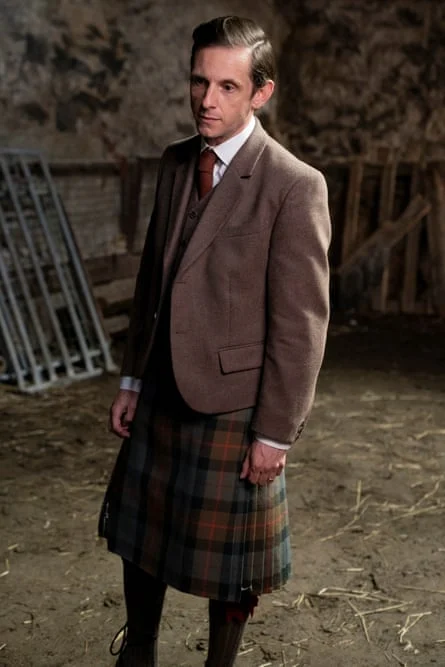
The television landscape is often a crucible for challenging narratives, and Richard Gadd’s latest offering, "Half Man," is no exception. Starring Jamie Bell as Niall, a character grappling with profound internal conflict and a destructive codependency, the series delves into the darkest corners of human relationships and identity. Bell, known for his chameleon-like ability to inhabit complex characters, finds himself in a role that pushed his boundaries, even leading him to embrace scenes of explicit sexual content as a surprising, albeit unconventional, form of relief from demanding dialogue.
A Grueling Production and an Unconventional Solace
Bell’s candid admission about finding solace in filming explicit scenes on "Half Man" underscores the intense nature of the production. "Honestly, I was so grateful to be shooting that stuff and not fucking 16-page dialogue scenes, where you’re emoting and it’s so intense," he revealed. "On days when my character had to have sex with random people, I’d think: ‘Thank God!’ Frankly, it came as a welcome reprieve." This sentiment highlights the psychological toll of portraying characters wrestling with deeply embedded trauma and self-destruction. While the depiction of chemsex, dogging, and illicit encounters is graphic and central to the narrative’s exploration of Niall’s desperate search for connection and escape, Bell’s perspective offers a unique insight into the actor’s process of navigating such material. The intensity of emotionally demanding scenes, often requiring sustained periods of profound character immersion, can be more draining than physically or sexually explicit ones, especially when the latter are integrated into the character’s narrative arc as a form of catharsis or exploration.
"Half Man": A Deep Dive into a Toxic Brotherhood
"Half Man," Richard Gadd’s follow-up to the critically acclaimed Netflix hit "Baby Reindeer," is a six-part drama that chronicles the volatile and codependent relationship between two men who, as Bell puts it, are "brothers from another lover." Niall, portrayed by Bell, is a bookish, bullied, and closeted individual. His life is intertwined with Ruben, played by Gadd himself, the swaggeringly violent ex-con son of his mother’s girlfriend. Over three decades, the series meticulously traces the inseparable, yet undeniably toxic, bond between these two men, culminating in a devastating finale.
The series is characterized by its unflinching portrayal of sex, violence, and gut-wrenching plot twists. "It’s a brutal, beastly thing that Richard has created," Bell stated. "I’d be lying if I said it was easy or fun to make." This assessment speaks to the emotional and thematic weight of the narrative, which does not shy away from the harsh realities of its characters’ lives and the destructive patterns they perpetuate.
Origins of the Collaboration: A Role Tailored for Bell

The role of Niall was, in fact, written specifically for Jamie Bell. "I didn’t realise that when I initially read the scripts," Bell admitted. "But later, when I met Richard in Los Angeles to discuss it, he said he wrote it with me in mind. I was incredibly flattered." This collaborative genesis of the character likely contributed to Bell’s deep connection with Niall. Gadd’s writing is described as a "sensory experience" by Bell, capable of transporting viewers to visceral and often uncomfortable emotional landscapes. "He truly takes you to those places in your own life. It probes experiences you’ve kept hidden away somewhere and chosen to forget." This suggests that Gadd’s narrative style is designed to excavate repressed memories and confront uncomfortable truths, making the performance requirement exceptionally demanding.
Gadd’s Reluctant Return to the Screen
While the role of Niall was conceived with Bell in mind, Richard Gadd initially had no intention of playing Ruben. It was Bell who persuaded him. "When we first met, we didn’t know who was going to play Ruben," Gadd recalled. "I was like: ‘Well, why don’t you?’ It seemed obvious to me. For Richard, it meant putting his body through hell, on top of writing and producing." Gadd’s reluctance stemmed from the immense physical and emotional demands of embodying such a volatile character, especially after the personal ordeal of bringing "Baby Reindeer" to fruition. Bell acknowledges the foresight required in his suggestion: "When I suggested it, I didn’t realise what the demands on him would be. But I’m grateful he relented." This dynamic highlights the trust and collaborative spirit between the two actors, as well as Gadd’s commitment to the authenticity of the story.
Bell’s Discovery of Gadd’s Work
Bell’s introduction to Richard Gadd’s work came through his wife, American actor Kate Mara, who was engrossed in "Baby Reindeer." "My wife had been watching Baby Reindeer, so I’d seen Richard’s face – usually accompanied by Kate going: ‘Oh my God, this show is wild!’" Bell recounted. Upon discovering that Gadd was working on a new project, Bell felt compelled to get involved. His wife’s encouragement, "Well, you’re an idiot if you don’t do it," solidified his decision. A subsequent viewing of "Baby Reindeer" left him "blown away," deepening his respect for Gadd’s storytelling prowess.
The Complexities of Niall: A Character Study
Bell was particularly drawn to Niall’s profound complexity. "I thought: ‘Woah, this man is on such a destructive downward spiral…’ He’s got everything he wanted in life but still can’t accept who he is," Bell explained. Niall’s struggle is characterized by a fractured sense of self: "Niall is living as several different people and he’s not comfortable with any of them." This internal conflict forms the core of his character arc, driving his self-destructive behaviors and his desperate need for external validation and control.
The Allure of the Alpha Male: A Psychological Connection
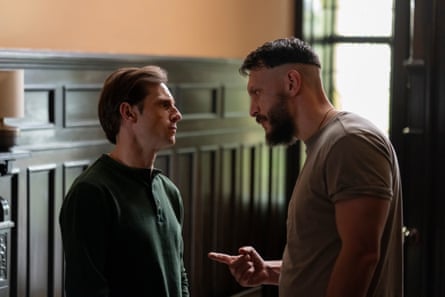
Bell found a deep personal resonance with Niall’s attraction to the aggressive alpha male persona of Ruben. "Ruben is this disaster of a man. A bull in a china shop, destroying everything and everyone in his wake," Bell described. He elaborated on Niall’s vulnerability and Ruben’s perceived strength: "Why doesn’t Niall step away? Partly self-preservation. Niall feels vulnerable whereas Ruben is intimidatingly powerful. He can be Niall’s protector. People fear him. Because of that, Niall latches on to him almost parasitically. Ruben becomes his life support system. I understood that 100%."
Bell’s own experiences informed this empathy. "I grew up in an all-female household and did ballet, so I used to attach myself to tough, troubled guys too. Not my kind of crowd at all but I’d rather have them on my team than not." This personal connection to seeking protection and validation from seemingly formidable figures provided Bell with a nuanced understanding of Niall’s dependence on Ruben, despite the inherent dangers of their relationship.
Self-Loathing and the Actor’s Struggle
Niall’s pervasive self-loathing struck a chord with Bell, who admitted to similar struggles. "I’ve had that for ever," he confessed. "It’s gotten worse as I’ve got older. I love what I do and I’m blessed that I still get to do it after all these years but I can’t watch anything I’m in. I hate the finality of it. You leave going: ‘You fucked that one up. Ruined it. You’re just not good enough.’ I forget that it’s just a job, not life or death. Other actors have told me to chill out but I don’t know how." This raw honesty reveals a deep-seated insecurity that Bell shares with his character, humanizing the actor and highlighting the psychological demands of his profession. The inability to appreciate one’s own work, a common affliction among artists, is particularly poignant here, as Bell grapples with the permanence of his performances while simultaneously trying to embody characters consumed by their own self-criticism.
Navigating Sexuality and Conversion Therapy
A significant aspect of Niall’s struggle is his battle with his own sexuality, leading him to undergo conversion therapy. As a straight man, Bell felt a profound sense of responsibility in portraying this sensitive subject matter. "It’s the centre of the character," he stated. "The basis of all his issues. I took that very seriously." Niall’s self-hate, Bell explained, transcends mere shame or societal pressure: "Somehow, his own sexuality doesn’t sit right within his worldview. That, to me, is beyond sad." The show underscores the devastating consequences of internalized homophobia and the damaging impact of attempts to alter one’s inherent identity. The simple advice to "Be yourself" becomes a profound challenge when one’s own identity feels inherently wrong.
This repression, Bell noted, leads Niall to seek sexual experiences that are "guarded and hidden," transforming into an addiction fueled by danger. "Because of his repression, everything is guarded and hidden. That becomes the excitement. It’s an addiction. He gets a kick from dangerous sex." This element of the narrative explores the complex interplay between sexual repression, the pursuit of thrill, and the destructive patterns that can emerge from such internal conflict.
Toxic Masculinity and the State of Modern Manhood
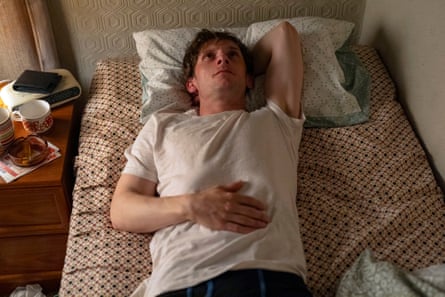
With its unflinching depiction of male rage and damaged antiheroes, "Half Man" inevitably enters into the ongoing conversation surrounding toxic masculinity. Bell’s perspective on this societal issue is direct and thought-provoking. "Look at who are the majority transgressors in this world," he urged. "It’s men, on all fronts – not just misogyny but conflict, crime, everything. It’s important to shine a light on that. The conversation is ongoing. Hopefully this show adds something." His statement suggests a belief that societal issues are disproportionately driven by male behavior and that art has a crucial role to play in examining and challenging these dynamics.
A Legacy of Parental Dysfunction and Masculinity Explored
Bell’s own upbringing, without a father figure present from birth, has led to a recurring theme of parental dysfunction and father-son relationships in his work. "There is a clear theme throughout my work of parental dysfunction," he observed. "I must exude it because these roles come to me. People must go: ‘Orphans? Fathers and sons? Get Bell for that!’" His role in Andrew Haigh’s 2023 film "All of Us Strangers," where he played the father of Andrew Scott’s character, was particularly impactful. "You hear how Andrew Scott is talking to his father [played by Bell] and naturally it makes you reflect on your own parenting. That was a haunting, eye-opening experience." This recurring motif in his filmography suggests a deep-seated exploration of these themes within his artistic choices, perhaps as a means of processing his own experiences.
Physical Demands and the Art of the Vomiting Scene
"Half Man" is not short on visceral moments, including bone-crunching violence. While Richard Gadd transformed his physique for the role of Ruben, Bell’s character, Niall, is largely on the receiving end of physical aggression. "No, thankfully," Bell stated when asked about fight training. "Niall is normally on the receiving end. There was a line in the script that says: ‘Niall is totally physically incapable.’ I was like, ‘Great! That’s easy.’” This remark humorously underscores the contrast between the two characters and Bell’s relief at avoiding intense fight choreography.
The series also features a memorable vomiting scene in the finale. Bell described the process with a mix of professional detachment and a touch of the absurd: "Throwing up on screen is always bizarre. You fill your mouth with oatmeal, banana, peas and carrots, then spew it out." This detail adds another layer to the show’s commitment to unflinching realism, even in its more unconventional moments.
The Power of the Two-Hander and the "Peaky Blinders" Universe
The climactic episode of "Half Man" features a pivotal two-hander that Gadd himself has lauded as the best thing he’s ever written. Bell echoed this sentiment, stating, "That was one of the first scenes I read and the one that made me do the show." He described it as a profound piece of television: "Wow, if we could sustain this long scene, bring all these men’s history to it and lay it all out on the table, that’d be a great piece of television. There’s nothing to cut to, no guns or gimmicks, just two men looking at each other and coming clean." This emphasis on dialogue-driven emotional confrontation highlights the power of raw performance and intimate storytelling.
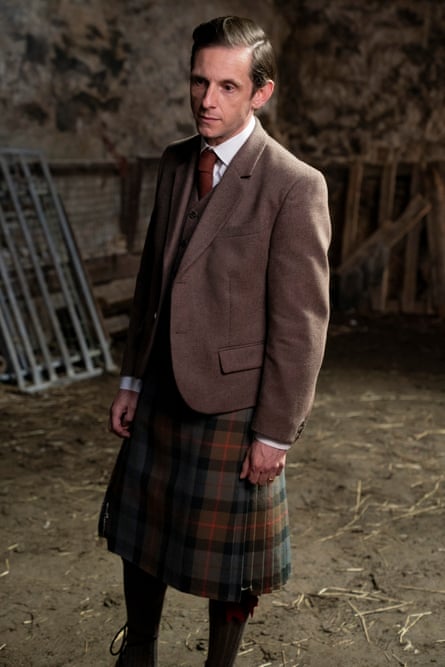
Beyond "Half Man," Bell is currently involved in the as-yet-untitled "Peaky Blinders" sequel series, taking on the role of Duke, the son and heir of Tommy Shelby. Set in the 1950s, this project sees Bell stepping into a well-established and beloved universe. "First and foremost, I’m a longtime Steven Knight fan, dating back to his film scripts like Dirty Pretty Things and Locke," Bell said, referring to the creator of the "Peaky Blinders" franchise. He expressed admiration for Knight’s ability to build an entire universe within his native Birmingham, drawing parallels to classic Hollywood Westerns. "Peaky takes its cues from classic Hollywood – it’s totally a western at heart – but transposed on to an urban working-class environment and given grand scale. It’s such a treat stepping into that." The show’s signature tailoring is also a significant element, with Bell noting, "It does so much work for you. You put on that iconic cap and you’re away."
Working-Class Representation and the Vitality of Local Theatres
Steven Knight is a vocal advocate for working-class representation in the arts, a cause that Bell passionately supports. "I wish it wasn’t," he responded when asked if it’s an issue. Bell’s own journey began in Billingham, County Durham, a town that, while lacking abundant opportunities, possessed the Billingham Forum theatre. "My mum took me to see touring West End shows there and that’s what gave me the bug," he shared. He believes that reaching out to communities through accessible arts programs is crucial for inspiring young people. "Reaching out to those places opens young people’s eyes and inspires their ambitions. That’s why it’s so vital local theatres get funding to remain open. It’s about access and exposure." This advocacy highlights Bell’s commitment to ensuring that opportunities in the arts are not limited by socioeconomic background.
Future Projects and the Enduring Legacy of Billy Elliot
Bell’s burgeoning career continues with "The Uprising," Paul Greengrass’s film about the 1381 Peasants’ Revolt. Bell cited Greengrass as a significant influence, stating, "Paul has long been one of my favourite filmmakers. I saw Bloody Sunday when I was 16 and it changed my life." He described working with Greengrass as a "bucket list" experience due to the filmmaker’s unparalleled attention to detail. Whispers of a long-awaited sequel to Steven Spielberg’s "Tintin" also surfaced, with Bell admitting, "Those rumours have been rumbling for 20 years! But I love Tintin and the intrepid boy reporter all grown up could be interesting."
For many, Jamie Bell will forever be synonymous with his breakout role as Billy Elliot. At 13, he secured the part, beating out 2,000 other boys and becoming the youngest ever BAFTA winner for best actor. His enduring career is a testament to his talent and resilience, a rarity among child stars. "I’m just grateful to still be working, because these stories frequently don’t end up that way," he reflected.
Embracing Age and the Transition to Dramatic Roles
Recently turning 40, Bell expressed a comfortable acceptance of aging. However, he humorously noted the shock it often elicits in others. "Personally, I’m fine with ageing. I just feel terrible telling people. Many still think of me as a child, so when I say I’m a 40-year-old father of three, it scares them. They go: ‘Wait, no, you’re a boy dancing on top of a toilet!’" With "Half Man" and his upcoming role in the "Peaky Blinders" sequel, Jamie Bell is clearly entering a new phase of his career, one characterized by substantial, box-set-defining dramatic roles. His continued success suggests that he is navigating this transition with the same grace and talent that defined his early career.