Premise and Narrative Structure
The series serves as the fourth television entry in the franchise established by The Big Bang Theory and the second direct spin-off of the original sitcom. Unlike its predecessors, which largely focused on the domestic and professional lives of physicists in Pasadena, Stuart Fails to Save the Universe introduces a high-stakes, "dystopian, post-apocalyptic" framework. The plot centers on Stuart Bloom, the perpetually down-on-his-luck owner of the Comic Center of Pasadena. According to the official synopsis, Stuart inadvertently triggers a "multiverse Armageddon" after damaging a sophisticated quantum device left behind by his friends, Sheldon Cooper and Leonard Hofstadter.
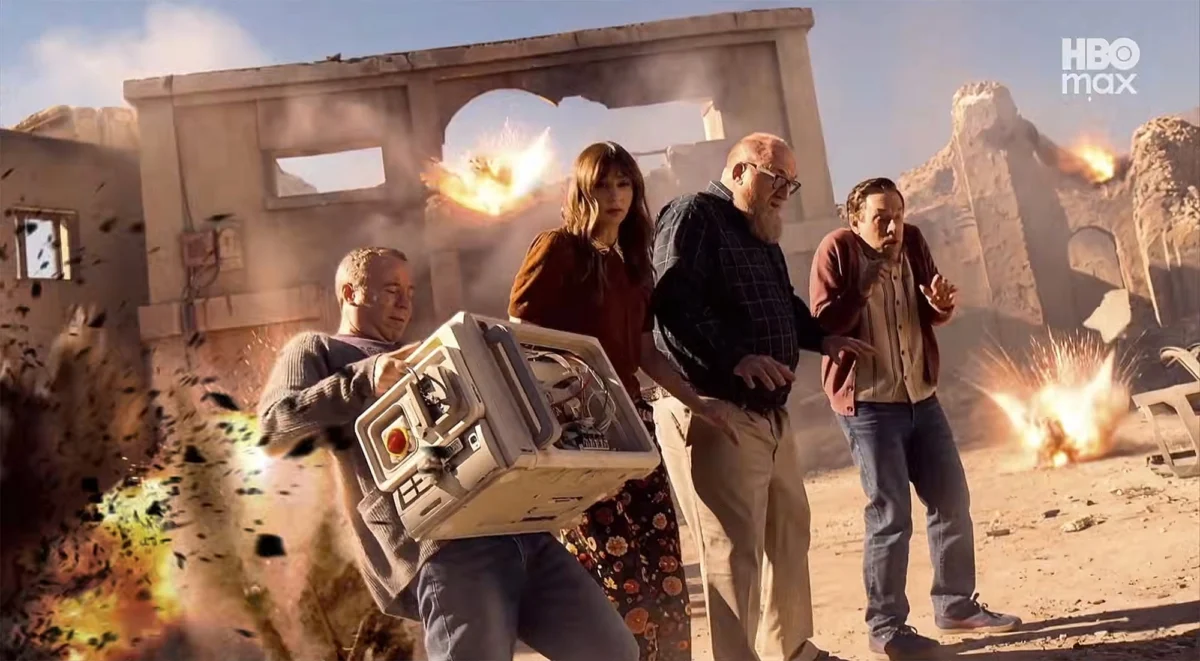
The trailer reveals that the narrative revolves around Stuart’s reluctant quest to restore the fabric of reality. He is joined by a supporting cast of characters familiar to long-term viewers of the franchise: his girlfriend Denise (Lauren Lapkus), the socially awkward geologist Bert Kibbler (Brian Posehn), and the abrasive quantum physicist Barry Kripke (John Ross Bowie). The trailer highlights several "geeky" cultural touchstones, including a direct parody of the 1999 sci-fi classic The Matrix, featuring Stuart awakening in a "gooey battery pod." The series explores alternate-universe iterations of the original Big Bang Theory cast, allowing for a "what if" exploration of the show’s established lore.
Production and Creative Leadership
The series is produced by Chuck Lorre Productions in association with Warner Bros. Television. The creative team represents a strategic blend of sitcom royalty and science fiction expertise. Chuck Lorre, the architect of the franchise, serves as creator and executive producer alongside Bill Prady, the co-creator of the original 2007 series. Joining them is Zak Penn, a veteran screenwriter known for his work on high-profile sci-fi and superhero projects such as Ready Player One, The Avengers, and X2: X-Men United.

The inclusion of Zak Penn signals a departure from the franchise’s traditional writing room, suggesting a deeper commitment to the mechanics of science fiction storytelling. Directorial duties for several episodes were handled by Kyle Newacheck, whose previous credits include the action-comedy Game Over, Man!, the Netflix hit Murder Mystery, and the critically acclaimed FX series What We Do in the Shadows. Newacheck also serves as an executive producer, bringing a modern, cinematic comedy aesthetic to the production.
Chronology of the Franchise Expansion
The development of Stuart Fails to Save the Universe follows a decade of strategic expansion for the intellectual property.
- 2007–2019: The Big Bang Theory runs for 12 seasons on CBS, becoming one of the most-watched scripted series in television history.
- 2017–2024: Young Sheldon, a prequel series focusing on the childhood of Sheldon Cooper, enjoys a successful seven-season run, proving the franchise’s viability beyond the original ensemble.
- 2024: The announcement of Georgie & Mandy’s First Marriage, a spin-off of Young Sheldon, continues the franchise’s momentum.
- 2025: HBO Max greenlights the Stuart Bloom-centric project, initially titled under a working name before being finalized as Stuart Fails to Save the Universe.
- June 23, 2026: The full trailer is released globally via YouTube and HBO Max social channels.
- July 23, 2026: The series is set to premiere on the HBO Max streaming platform.
Supporting Cast and Character Dynamics
The casting choices reflect a desire to capitalize on the "side characters" who provided much of the original series’ cult appeal. Kevin Sussman, who was promoted to a series regular in the later seasons of The Big Bang Theory, reprises his role as the quintessential underdog. Lauren Lapkus returns as Denise, a character introduced in the eleventh season of the original show as an assistant manager at the comic book store and Stuart’s eventual romantic interest.
Brian Posehn’s Bert Kibbler and John Ross Bowie’s Barry Kripke provide the intellectual and comedic foil to Stuart’s neuroses. The chemistry between these four characters is central to the series’ dynamic, as they represent the "B-team" of the original universe suddenly thrust into the role of protagonists. The cast also includes Ryan Cartwright, Josh Brener, and Tommy Walker in supporting roles, further populating the alternate realities Stuart must navigate.

Industry Implications and Streaming Strategy
The launch of Stuart Fails to Save the Universe is a pivotal moment for Warner Bros. Discovery’s streaming strategy. By leveraging a high-value intellectual property like The Big Bang Theory, the company aims to retain subscribers through "comfort TV" brands while simultaneously modernizing the content to fit the expectations of a streaming audience.
The move to a sci-fi comedy format is seen by industry analysts as a response to the success of genre-bending comedies like The Good Place and Upload. By moving away from the traditional laugh-track-assisted sitcom, the producers are attempting to capture a younger, digitally native demographic that prefers serialized, high-concept narratives. Furthermore, the use of the "multiverse" trope allows the show to function as both a standalone comedy and a tribute to the original series, potentially featuring cameos from the original stars without the need for long-term contractual commitments.
Visual and Technical Direction
The trailer indicates a significant increase in production value compared to the franchise’s previous entries. Utilizing advanced visual effects (VFX) to depict the "multiverse Armageddon," the series employs a cinematic color palette and sophisticated camera work. Kyle Newacheck’s influence is evident in the trailer’s pacing and the use of physical comedy within a digital environment. The "gooey battery pods" and dystopian landscapes shown in the promotional footage suggest a blend of practical effects and CGI, a rarity for a series rooted in the sitcom genre.
Official Responses and Public Reception
While official statements from Warner Bros. Discovery have been limited to promotional press releases, executive producer Chuck Lorre has previously hinted at his desire to explore the "untapped potential" of the Pasadena universe. In a brief statement accompanying the trailer’s release, the production team emphasized that the series is a "love letter to the fans who always rooted for the underdog."

Public reception to the trailer has been largely positive, with fans highlighting the return of John Ross Bowie’s Kripke and the unexpected shift into sci-fi territory. Critics have noted that Stuart Bloom is a logical choice for a spin-off, as his character arc remained one of the most open-ended at the conclusion of The Big Bang Theory. The "dystopian comedy" angle has been compared to projects like Idiocracy and Futurama, suggesting a satirical edge that differentiates it from the more sentimental Young Sheldon.
Broader Impact on the Television Landscape
Stuart Fails to Save the Universe represents a growing trend in the television industry: the "secondary character spin-off." As major networks and streaming platforms exhaust the primary storylines of their most popular shows, they are increasingly looking toward supporting characters to anchor new projects. This strategy minimizes risk by utilizing established brands while allowing for creative experimentation.
As the July 23 premiere approaches, the series stands as a litmus test for the franchise’s longevity. If successful, it could pave the way for further "genre-swapped" spin-offs, potentially exploring other characters from the Lorre-verse in formats ranging from legal dramas to horror comedies. For now, the focus remains on whether Stuart Bloom can, against all odds, manage to save—or fail to save—the multiverse in a way that resonates with a global audience.