The enduring HBO comedy series The Comeback, co-created by Michael Patrick King and Lisa Kudrow, has consistently mirrored the seismic shifts and existential crises facing the television industry across its sporadic yet impactful run. First premiering in 2005, the show, starring Kudrow as the perpetually desperate former sitcom star Valerie Cherish, launched as a sharp, prescient satire of the burgeoning reality television phenomenon. This new genre, characterized by its low production costs and penchant for tabloid-friendly drama, was widely perceived at the time as a significant threat to the artistic and financial integrity of traditional scripted programming. The Comeback‘s initial limited run, though not a mainstream ratings juggernaut, quickly cultivated a dedicated cult following, celebrated for its unflinching, meta-commentary on fame, ageism, and the relentless pursuit of relevance in Hollywood.
Nine years later, in 2014, HBO revived the series, bringing Valerie Cherish back into a television landscape fundamentally altered by the "streaming wars." By this point, reality TV had, ironically, achieved a certain level of legitimacy and mainstream acceptance, evolving into a diverse genre with its own sophisticated production values and dedicated fanbases. However, the industry was on the precipice of another monumental overhaul: the rapid expansion of streaming platforms. This era saw an unprecedented churn of "prestige" television, a term that, through its overuse, risked losing its original meaning as content libraries swelled and platforms vied for subscriber attention. Valerie’s return in this environment provided fertile ground for new satirical observations on the industry’s evolving definitions of quality and success.
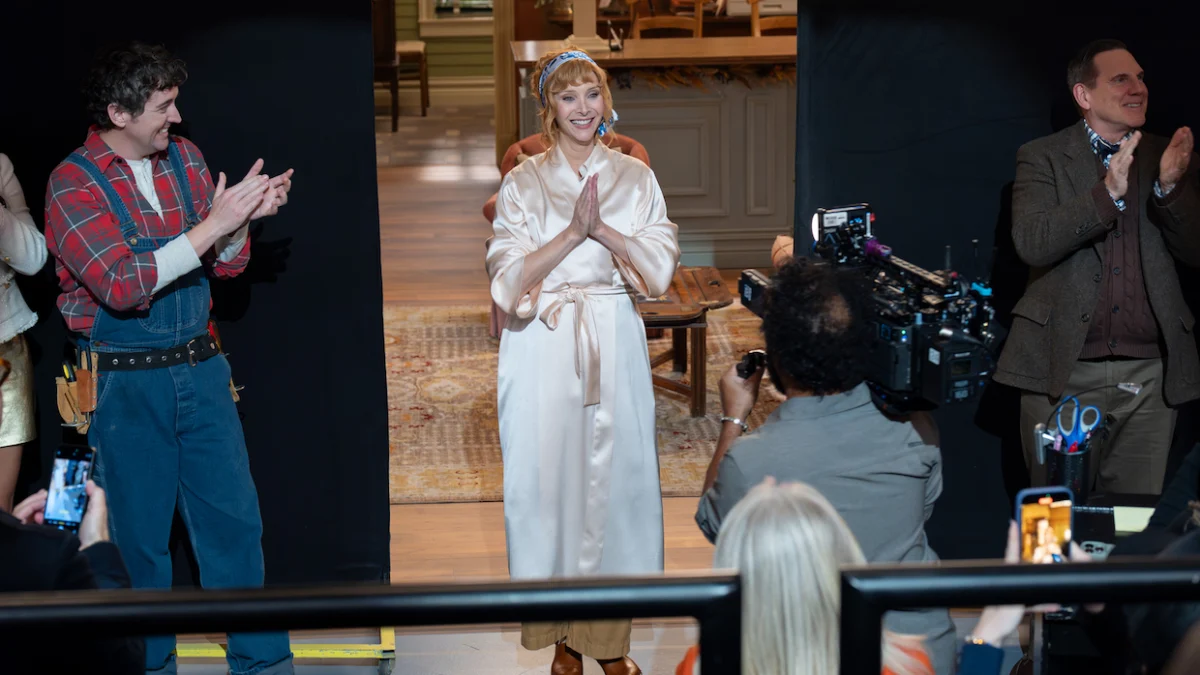
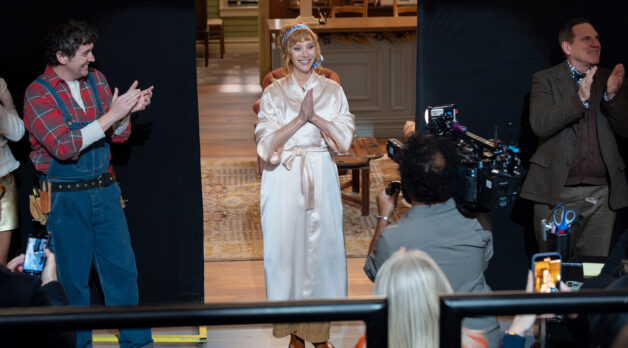
Fast forward to an implied 2026, twelve years after its second season, and following a tumultuous period marked by a global pandemic, two major Hollywood strikes (WGA and SAG-AFTRA), and widespread corporate contraction across media conglomerates, Kudrow has once again stepped into Valerie Cherish’s iconic shoes. This third, and reportedly final, season of The Comeback positions Valerie at the epicenter of television’s latest and perhaps most profound existential threat: artificial intelligence. Cherish finds herself cast in the lead role of what is touted as the first sitcom written entirely by AI, placing her squarely in an ethical and creative maelstrom. Serving also as an executive producer on the show, Valerie grapples with a complex dilemma: the livelihoods of an entire cast and crew, including her own, depend on the success of this AI-generated production, particularly as traditional production opportunities in Hollywood continue to dwindle. Yet, the very AI system responsible for the scripts—a "joke-writing machine" that frequently produces plagiarized material, recognized by Valerie’s seasoned sitcom colleagues from their past work—directly undermines the creative labor of television writers, the foundation of the medium that propelled Valerie to stardom.
Valerie Cherish: A Hero in Spite of Herself
Valerie Cherish has always served as the primary comedic foil in The Comeback, her insatiable hunger for fame and attention reliably leading to a series of emotional and professional pratfalls. Her character embodies a poignant blend of vanity and vulnerability, making her both an object of ridicule and a deeply empathetic figure. Despite her often-humiliating desire for the spotlight, audiences consistently find themselves rooting for Valerie. This emotional connection is largely attributed to Lisa Kudrow’s masterful portrayal, which imbues Cherish with an underlying charm and resilience. Beyond her personal foibles, Valerie’s struggles illuminate the pervasive sexism and ageism that veteran female performers routinely confront within the entertainment industry, making her quest for relevance a commentary on broader systemic issues.
The third season notably departs from the mockumentary format that defined its predecessors, a stylistic shift that results in a more propulsive and direct narrative. This change empowers Valerie to take a more assertive stance, fighting harder than ever not just for her own career, but, perhaps inadvertently, for the collective future of creative labor. In this new iteration, she finds herself in the unusual position of potentially safeguarding the livelihoods of TV writers—a demographic that, ironically, has often served as her chief antagonists and the architects of her comedic humiliations within the cutthroat world of Hollywood. Her evolution from a desperate individual to an unlikely advocate underscores the profound stakes of the AI crisis she confronts.
Hacks: A Parallel Narrative of Industry Evolution
The creative team behind HBO Max’s critically acclaimed and Emmy-winning comedy series Hacks—Lucia Aniello, Paul W. Downs, and Jen Statsky—demonstrates a clear thematic kinship with The Comeback. Hacks explores a different facet of showbiz satire through the lens of a platonic, intergenerational mentorship between the legendary, aging standup comic Deborah Vance (Jean Smart) and her young, Gen-Z comedy writer, Ava Daniels (Hannah Einbinder). Over several seasons, Deborah embarks on a formidable quest to shatter one of the ultimate glass ceilings for a female entertainer: hosting a late-night comedy show.
In Hacks‘ penultimate season, Deborah achieves this monumental goal, only to have her triumph abruptly undercut. Faced with network demands to fire the outspoken Ava as her lead writer, Deborah defiantly quits the show, prioritizing loyalty and artistic integrity over personal ambition. The fifth and final season then portrays Deborah, much like Valerie Cherish, in a desperate struggle to maintain her star status and reclaim her voice after being effectively silenced by a restrictive non-compete clause in her network contract, which prohibits her from performing for a year. The season four finale, depicting Deborah’s public downfall, aired mere weeks before CBS’s unexpected cancellation of The Late Show with Stephen Colbert. This real-world event lent an astonishing timeliness to Hacks‘ season five storyline, underscoring the precarious nature of even established careers in television and the ever-present threat of corporate censorship and control.
Both Valerie Cherish and Deborah Vance embody an increasingly endangered species of television icons: seasoned performers whose star status is perpetually vulnerable to the whims of an ever-changing industry. Their narratives highlight the relentless pressure to remain relevant and productive, where any pause or moment of contentment risks professional oblivion. Beneath the surface humor of both series, the creative teams and their veteran protagonists inject a profound emotional depth into these women. They are characters who have navigated the exhilarating highs and devastating lows of entertainment careers, emerging as resilient survivors with tales to tell. This shared thematic core—an underlying optimism in the face of industry collapse, fueled by comedy and creative resistance—binds The Comeback and Hacks as vital commentaries on the contemporary media landscape.
Artificial Intelligence: A Nuanced Threat in the Modern Era
Artificial intelligence also manifests as a significant "bogeyman" in Hacks. In pursuit of new revenue streams as she plans a comeback show at Madison Square Garden, Deborah Vance encounters a slick, vest-wearing venture capitalist. This tech entrepreneur proposes licensing Deborah’s likeness and creative material—including Ava’s intellectual property—for a large language model named QuikScribbl. This encounter naturally provokes a fiery monologue from Ava, who passionately articulates the dangers of AI and the often-misleading narrative of its inevitability. Ava’s pointed analogy—"This is exactly like when a fucking random-ass diner puts a sign out front that’s like, ‘Best Waffles in America,’" she shouts, "According to who? The people trying to sell the fucking waffles!"—incisively critiques the self-serving hype surrounding AI. It is only when the tech bro suggests that Deborah use the machine to write her jokes that she fully grasps the existential threat AI poses, recognizing the deeply insulting implication that a sophisticated machine could replicate, or even surpass, the craft of a seasoned comic.
In The Comeback, the threat posed by AI is presented with a more nuanced, almost pathetic, comedic tone. Valerie’s latest multi-camera sitcom, How’s That?!, airing on the Big Tech-funded network NuNet, is undeniably hokey and dated. The scripts generated by its proprietary AI, "Allassist," are "good enough" in a generic sense but utterly devoid of originality or spark. When a joke fails to land with the live studio audience, the machine churns out an overwhelming number of alternative lines—far more than any human actor could reasonably attempt in a live setting—most of which are demonstrably unfunny. Through this experience, Valerie gradually comes to a critical realization: human writers, despite their flaws and the industry’s attempts to marginalize them, are irreplaceable. While a computer cannot insult or diminish her talent as an actor, it also cannot provide her with genuine, compelling material to elevate her performance. The show subtly argues that there is nothing inherently efficient, or even desirable, about making television—or any creative endeavor—less human. Legendary TV director James Burrows, appearing as himself in the series, succinctly captures this sentiment after shooting the pilot: "I saw every one of those jokes coming, and so did you. Surprising only comes from a group of writers huddled in a corner, beating themselves up to beat out a better joke." This statement encapsulates the show’s core message: true creativity and genuine humor are born from human struggle, collaboration, and the unique, unpredictable spark of the human imagination.
Industry Context: The AI Frontier and Labor Disputes
The portrayal of AI in both The Comeback and Hacks directly reflects real-world anxieties that have gripped Hollywood, particularly during the recent Writers Guild of America (WGA) and SAG-AFTRA strikes of 2023. A central demand from both unions was the regulation of artificial intelligence. Writers sought protections against studios using AI to generate scripts or rewrite their work without proper compensation or credit, viewing it as a direct threat to their livelihoods and intellectual property. Actors likewise pushed for safeguards against the unauthorized use of their digital likenesses, voices, and performances generated by AI, fearing a future where their work could be replicated without consent or fair pay.
These concerns are not merely speculative. Reports from industry analysts and technology firms indicate a significant push by major studios and production companies to explore and integrate AI into various stages of content creation, from script development and pre-visualization to post-production and marketing. The economic pressures driving this adoption are immense, with promises of reduced costs and increased efficiency. However, as The Comeback illustrates, the promise of "efficiency" often comes at the expense of quality, originality, and the very human element that makes storytelling compelling. The dialogue between creative labor and corporate interests over AI’s role remains one of the most contentious and defining issues for the future of entertainment.
The Emmy Race: A Showbiz Satire Showdown
It is fitting, then, that these two poignant, female-fronted HBO shows, both keenly attuned to the pulse of Hollywood’s evolving challenges, are poised to compete against each other in the upcoming Emmy race. Hacks has already established itself as an Emmy darling, boasting twelve wins, including Best Comedy Series for its third season, an impressive four consecutive Best Actress wins for Jean Smart, and last year’s Best Supporting Actress win for Hannah Einbinder. Its critical acclaim and consistent recognition highlight its powerful narrative and stellar performances.
In contrast, The Comeback, despite its ardent cult following and critical reappraisal over the years, has never achieved similar widespread recognition from Emmy voters. Lisa Kudrow earned Best Actress nominations for its first two seasons, and the first season garnered two additional nods for writing and casting. However, it has largely been overlooked in major categories, a testament perhaps to its initially polarizing, meta-satirical style which, while groundbreaking, might have been ahead of its time for mainstream awards bodies.
Coming off the heels of The Studio‘s sweep in the comedy categories last year—another prominent showbiz satire—the expectation is that another industry-focused comedy will claim this year’s Emmy for Best Comedy Series. Hacks, with its established track record and consistent critical acclaim, clearly holds a significant edge. While a highly improbable scenario, a tie between Jean Smart and Lisa Kudrow for Best Actress would offer a profoundly satisfying, almost poetic, conclusion for two iconic television characters—Deborah Vance and Valerie Cherish—and their real-life counterparts. Both actresses have skillfully portrayed women who have not only endured but thrived through multiple evolutions and crises within the notoriously fickle entertainment industry, defying odds and emerging as powerful symbols of resilience and the enduring power of creative spirit. Their narratives, both on and off-screen, underscore the complex, often challenging, but ultimately indomitable nature of human artistry in the face of technological disruption and corporate pressures.