The highly anticipated third and final season of HBO’s critically acclaimed comedy series, The Comeback, starring Lisa Kudrow as the perpetually hopeful Valerie Cherish, arrives at a pivotal moment for the television industry, directly engaging with the profound ethical and creative dilemmas posed by artificial intelligence. This return marks a continuation of the show’s prescient ability to satirize the evolving landscape of entertainment, a characteristic it shares with other contemporary industry critiques, notably HBO Max’s Emmy-winning Hacks. Twelve years after its second season, and nearly two decades since its debut, The Comeback once again positions its titular character at the epicenter of Hollywood’s latest existential crisis, exploring the tension between technological advancement and human creativity.
A Chronicle of Hollywood’s Metamorphoses: The Comeback‘s Enduring Relevance
The Comeback‘s narrative arc has consistently mirrored significant shifts within the television industry. Its initial limited run in 2005 arrived during the nascent boom of reality television, a genre that threatened to redefine the medium with its low production costs and penchant for tabloid-friendly drama. Co-created by Michael Patrick King and Lisa Kudrow, the series cast Kudrow, fresh off her iconic role in Friends, as Valerie Cherish, a former sitcom star desperate to reclaim the spotlight through a reality show documenting her attempted resurgence. This first iteration was lauded as a cutting satire, foretelling the pervasive influence reality TV would soon exert on popular culture and the perceived "cheapening" of scripted content. Industry data from the mid-2000s showed a significant increase in unscripted programming, with networks embracing the format for its cost-efficiency and broad appeal, a trend The Comeback brilliantly skewered by exposing the manufactured drama and exploitative nature inherent in such productions.
A cult following emerged, advocating for the show’s return. HBO heeded the call, reviving The Comeback in 2014. By this time, reality television had not only achieved a certain level of legitimacy but had also diversified, with high-gloss productions and celebrity-driven franchises becoming commonplace. However, 2014 represented another seismic shift: the dawn of the streaming wars. Platforms like Netflix were rapidly expanding their original content libraries, challenging traditional network models and ushering in an era of "prestige TV." This period saw an unprecedented volume of high-quality, often serialized dramas and comedies, leading to a saturation where the term "prestige" itself began to lose its distinctive meaning. Valerie’s second act navigated this new terrain, grappling with the demands of a modern television landscape vastly different from the one that had made her a star, once again providing a satirical lens on Hollywood’s relentless pursuit of the next big thing.
Now, in its third and definitively final season, The Comeback confronts the most pressing issue facing the creative industries: artificial intelligence. This installment follows a period of unprecedented turbulence in Hollywood, marked by a global pandemic that halted productions, two major industry strikes (WGA and SAG-AFTRA in 2023) where AI protections were a central demand, and significant corporate contraction across media conglomerates. These real-world events provide a stark backdrop for Valerie Cherish’s latest challenge, positioning her "swan song" not merely as a personal quest for relevance but as a poignant commentary on the future of human creativity in an increasingly automated world.
Valerie Cherish and the AI-Generated Sitcom: An Ethical Quandary
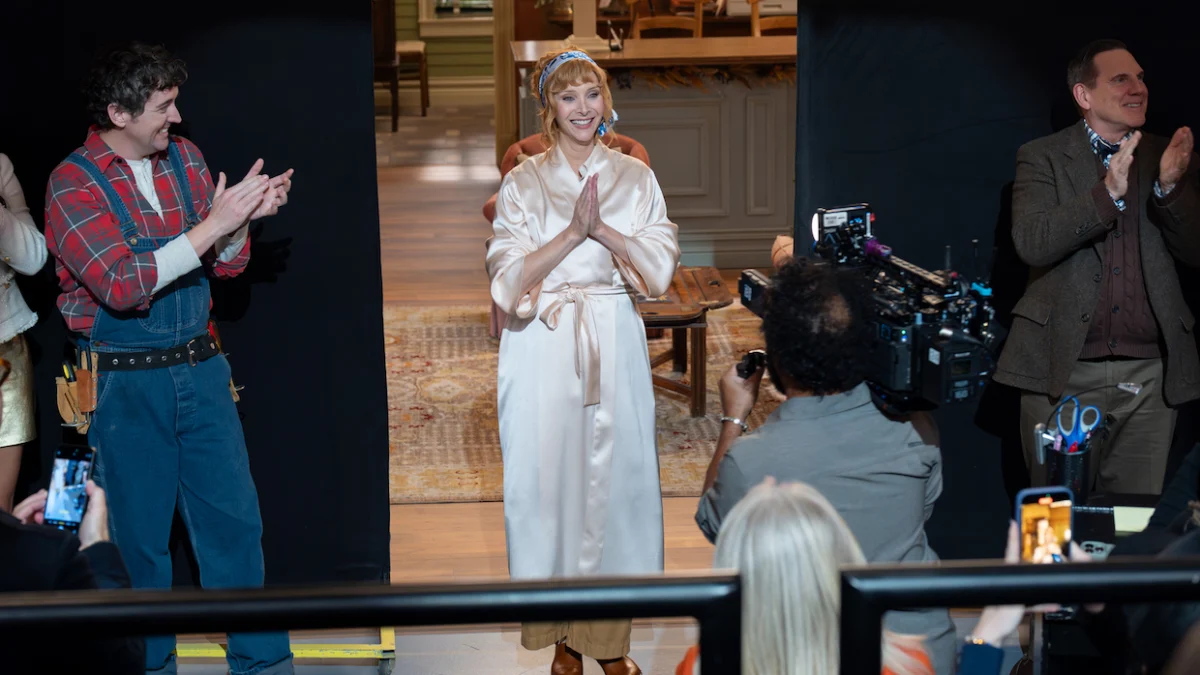
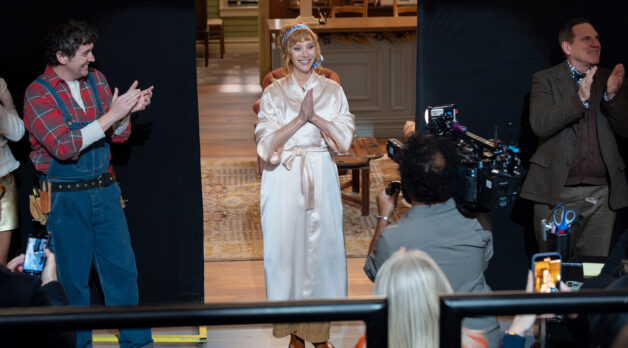
In its final season, Valerie Cherish secures the lead role in How’s That?!, a multi-cam sitcom notable for being the first to be written entirely by artificial intelligence. This premise immediately plunges Valerie into a profound ethical and creative dilemma. As an executive producer on the show, she witnesses firsthand the promise and peril of AI integration. On one hand, the project represents employment for an entire cast and crew, including Valerie herself, in an era where production opportunities in Hollywood are dwindling due to economic pressures and the lingering effects of industry disruptions. On the other hand, the proprietary AI, named Allassist, churns out scripts replete with plagiarized material, with fellow veteran sitcom actors recognizing lines they’ve delivered in past shows. This directly threatens the livelihoods of TV writers and the very medium that elevated Valerie to stardom, placing her in a morally ambiguous position.
The show’s decision to break from its signature mockumentary format for this season signals a more direct and propulsive narrative. Valerie, often the unwitting comedic foil due to her desperate pursuit of fame, transitions into a more active role, fighting not just for her own career but potentially for the integrity of the creative process itself. This evolution of her character underscores the gravity of the AI threat, elevating her from a figure of ridicule to a reluctant hero battling an existential challenge to her craft. The inherent sexism and ageism Valerie has historically faced within the industry lend an additional layer of poignancy to her struggle, making her fight against a dehumanizing technology all the more resonant. Her journey highlights the irreplaceable value of human experience, nuance, and genuine connection in storytelling, qualities that AI, despite its advancements, struggles to replicate.
Parallel Satire: Hacks and the Veteran Entertainer’s Fight for Voice
The thematic resonance between The Comeback and HBO Max’s Hacks is undeniable, suggesting a shared lineage in their sharp critiques of the entertainment industry. Hacks, co-created by Lucia Aniello, Paul W. Downs, and Jen Statsky, offers a similarly incisive showbiz satire through the platonic mentorship between legendary, aging stand-up comic Deborah Vance (Jean Smart) and her young, Gen-Z comedy writer, Ava Daniels (Hannah Einbinder). Deborah’s multi-season quest to break the "ultimate glass ceiling" for a female entertainer—hosting a late-night comedy show—epitomizes the persistent struggles faced by veteran women in a youth-obsessed industry.
Hacks‘ penultimate season sees Deborah achieve her late-night dream, only for it to be abruptly snatched away when she refuses network demands to fire the outspoken Ava. This corporate censorship forces Deborah to quit, leading into the fifth and final season where, much like Valerie Cherish, she desperately attempts to reclaim her voice and stardom after being silenced by a year-long non-compete clause. The timeliness of this storyline was underscored by the real-world cancellation of The Late Show with Stephen Colbert just weeks after Hacks‘ season four finale, demonstrating how quickly industry landscapes can shift and how vulnerable even established stars can be to corporate dictates. Both Deborah and Valerie embody an endangered species of television icons, their careers perpetually at risk should they pause their relentless pursuit of relevance.
AI as a Narrative Device: Nuance Across Two Satires
Both The Comeback and Hacks effectively utilize artificial intelligence as a narrative "bogeyman," though with distinct approaches that reflect different facets of the ongoing debate. In Hacks, AI appears in a more overtly predatory form when Deborah, seeking new revenue streams for her Madison Square Garden comeback show, encounters a venture capitalist promoting "QuikScribbl." This large language model aims to license Deborah’s likeness and material (and by extension, Ava’s creative work), sparking an impassioned monologue from Ava about the dangers of AI’s "narrative of inevitability." Ava’s sharp critique, likening AI’s self-promotion to a diner falsely claiming "Best Waffles in America," highlights the self-serving rhetoric often employed by tech proponents. It is only when the tech entrepreneur suggests AI write Deborah’s jokes that she truly grasps the threat—and the profound insult—of a machine presuming to replicate the nuanced craft of a seasoned comic.
The Comeback‘s portrayal of AI, through Allassist and the sitcom How’s That?!, offers a more nuanced, almost pathetic, perspective. While the AI-generated scripts for How’s That?! are functional, they are inherently "hokey and dated," lacking genuine comedic spark. When a joke fails to land, Allassist produces an overwhelming number of "alts" (alternative lines) that are largely unfunny, demonstrating AI’s capacity for quantity over quality and its inability to discern true humor or audience reception. Veteran director James Burrows, playing himself, succinctly captures this during the pilot’s shooting, telling Valerie, "I saw every one of those jokes coming, and so did you. Surprising only comes from a group of writers huddled in a corner, beating themselves up to beat out a better joke." This highlights the irreplaceable human element of collaboration, struggle, and unique insight required for genuine creativity. Valerie ultimately realizes that while a computer cannot insult or diminish her talent, it also cannot provide her with material that truly challenges or inspires her as an actor. The show argues that efficiency, when applied to creative endeavors, often comes at the cost of the "human" touch, leading to sterility rather than innovation.
The Broader Implications of AI in Creative Industries
The WGA and SAG-AFTRA strikes of 2023 brought the threat of AI to the forefront of public consciousness, with protections against its misuse becoming a central tenet of union demands. Writers expressed fears of AI being used to generate scripts, treatments, or even to rewrite human-authored content, thereby devaluing their craft and potentially reducing their compensation. Actors voiced concerns about their likenesses, voices, and performances being digitally replicated or manipulated by AI without consent or fair remuneration, a process that could diminish their opportunities for live work. The consensus among creative professionals is that while AI can be a tool, it should not be a replacement for human ingenuity and emotional depth.
Industry analyses suggest that the adoption of AI in entertainment is driven by economic pressures, with studios seeking to reduce costs associated with human labor. However, as both The Comeback and Hacks subtly argue, the inherent value of creative work lies in its human origin—the unique perspectives, lived experiences, and emotional intelligence that machines cannot replicate. The "plagiarized material" generated by Allassist in The Comeback directly reflects real-world concerns about AI models being trained on copyrighted material without proper attribution or compensation, a legal and ethical quagmire still being navigated. The absence of a "soul" or genuine understanding of human condition in AI-generated content remains a significant barrier to its widespread acceptance as a creative force, reinforcing the arguments made by the characters in both series.
Emmy Race and the Future of Industry Satire
It is a fitting narrative symmetry that these two female-fronted HBO shows, each offering a distinct yet equally poignant satire of the entertainment industry, are poised to compete in the upcoming Emmy race. Hacks has already established itself as an Emmy powerhouse, boasting 12 wins to date, including Best Comedy Series for its third season, an impressive four consecutive Best Actress wins for Jean Smart, and Hannah Einbinder’s Best Supporting Actress win last year. Its consistent critical acclaim and awards recognition reflect its ability to capture the zeitgeist while delivering compelling character-driven comedy.
The Comeback, despite its ardent cult following and critical reappraisal over the years, has historically struggled to gain significant traction with Emmy voters. Lisa Kudrow earned Best Actress nominations for its first two seasons, and its initial run also received nods for writing and casting. However, it has largely been overlooked in major categories. Following The Studio‘s sweep in the comedy categories last year with its own showbiz satire, the stage is set for another industry-focused comedy to potentially collect this year’s Emmy for Best Comedy Series, with Hacks holding a clear edge based on its track record.
While a tie for Best Actress between Jean Smart and Lisa Kudrow remains a highly improbable fantasy, perhaps reserved for "fan fiction" as the original article muses, such an outcome would be a deeply satisfying recognition for two iconic characters and the formidable actresses who portray them. Both Deborah Vance and Valerie Cherish, and by extension Smart and Kudrow, have not only survived but thrived through Hollywood’s relentless evolutions, navigating sexism, ageism, technological disruptions, and corporate shifts. Their resilience, humor, and unwavering commitment to their craft, as depicted in these two exemplary series, offer a compelling and often hilarious form of resistance against the perceived collapse of an industry in constant flux.
Ultimately, The Comeback‘s final season, alongside Hacks‘ ongoing narrative, serves as a powerful testament to the enduring human spirit in creative endeavors. They celebrate the irreplaceable value of human connection, the struggle for authenticity, and the unique, often messy, brilliance that emerges when people, not machines, huddle together to "beat out a better joke." As Hollywood continues to grapple with its future, these shows provide not just entertainment, but vital commentary on what it means to be an artist in an ever-changing world.